
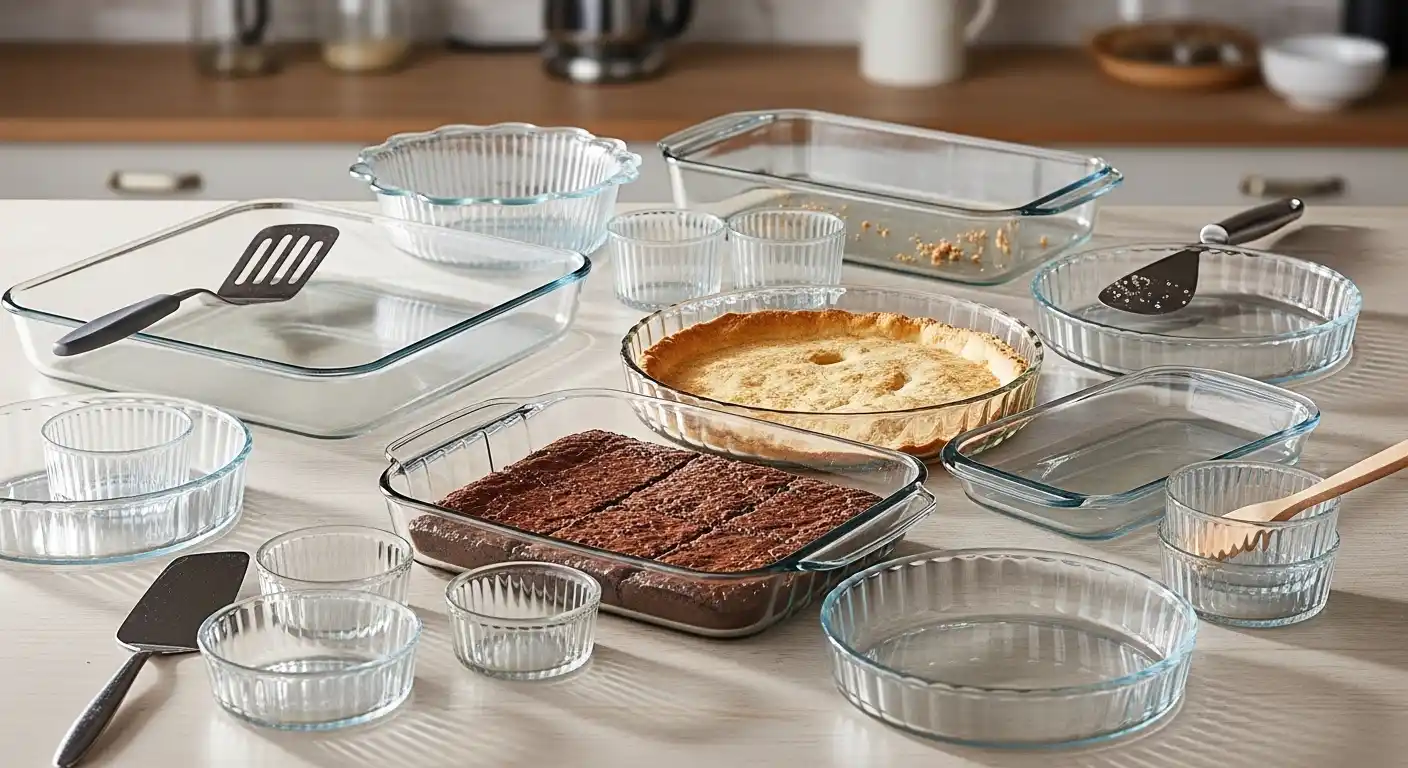
Can You Bake in a Glass Pan? Everything You Need to Know

Glass pans are a staple in many kitchens, valued for their clarity, durability, and ease of cleaning. If you’re wondering, can you bake in a glass pan, you’re not alone.
There’s a lot of curiosity and confusion about how glass behaves in the oven, how it affects cooking times, and which recipes are best suited for this type of bakeware.
In this article, we’ll dive into everything you need to know about baking in a glass pan, tips for safe use, and how to get the best results every time.
What Is a Glass Baking Pan?
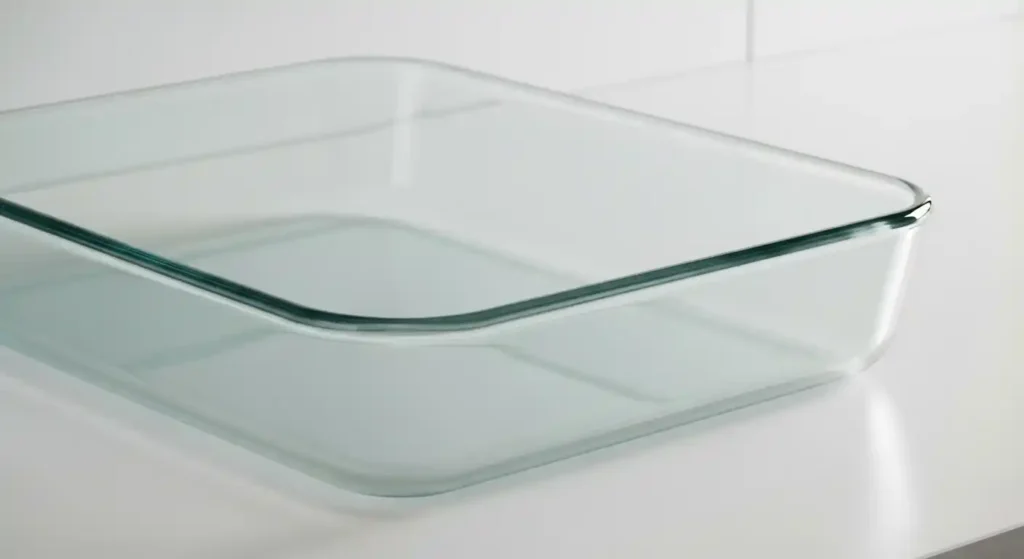
A glass baking pan is a heat-resistant pan typically made from tempered glass, which can withstand the high temperatures of an oven without cracking or breaking.
Unlike metal pans, glass provides excellent visibility of your food while it cooks, so you can monitor browning and texture easily.
Glass pans are usually used for casseroles, brownies, cakes, and baked pasta dishes. They can also double as serving dishes, which adds convenience.
Can You Bake in a Glass Pan?
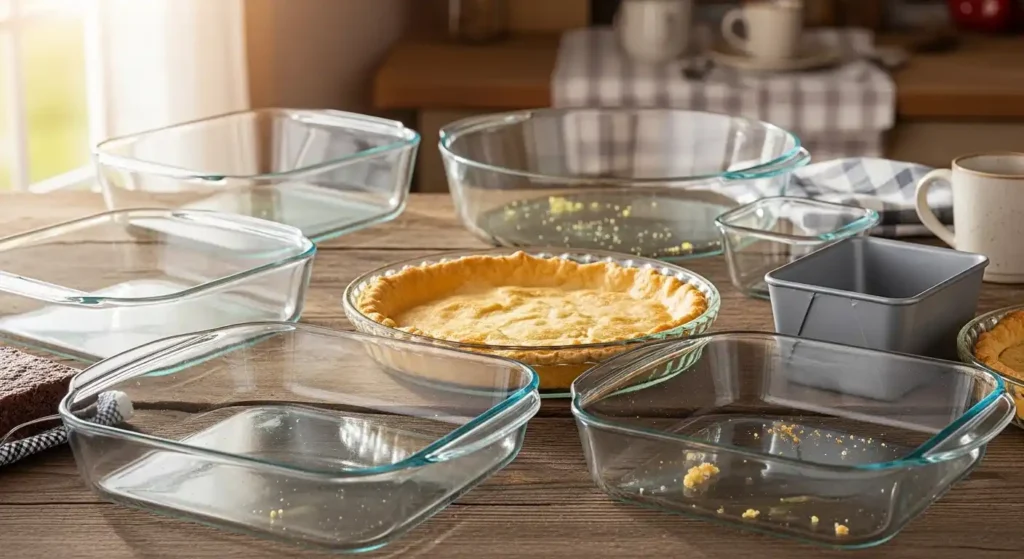
The short answer is yes, you can bake in a glass pan, but there are a few considerations to keep in mind:
Heat Conductivity
Glass does not conduct heat as quickly as metal. This means food may take slightly longer to cook, but it also helps prevent over-browning.
Even Cooking
Because glass heats slowly and retains heat, it cooks food evenly once it reaches the right temperature. This makes it ideal for dishes that require steady baking.
Safety
Always check that the pan is labeled “oven-safe.” Tempered glass can handle typical baking temperatures (usually up to 425°F or 220°C) without breaking.
Differences Between Glass and Metal Pans
When deciding whether to use a glass or metal pan, it’s important to understand how they differ:
| Feature | Glass Pan | Metal Pan |
|---|---|---|
| Heat Conduction | Slower, retains heat longer | Faster, may create hot spots |
| Browning | More gradual, less intense | Quick, may brown edges faster |
| Risk of Sticking | Food may stick without greasing | Usually less sticking |
| Visibility | Transparent, can monitor cooking | Opaque, cannot see inside |
Glass pans are great for slow, even cooking, while metal pans are better for recipes that need fast, crispy edges.
Best Recipes for Glass Pans
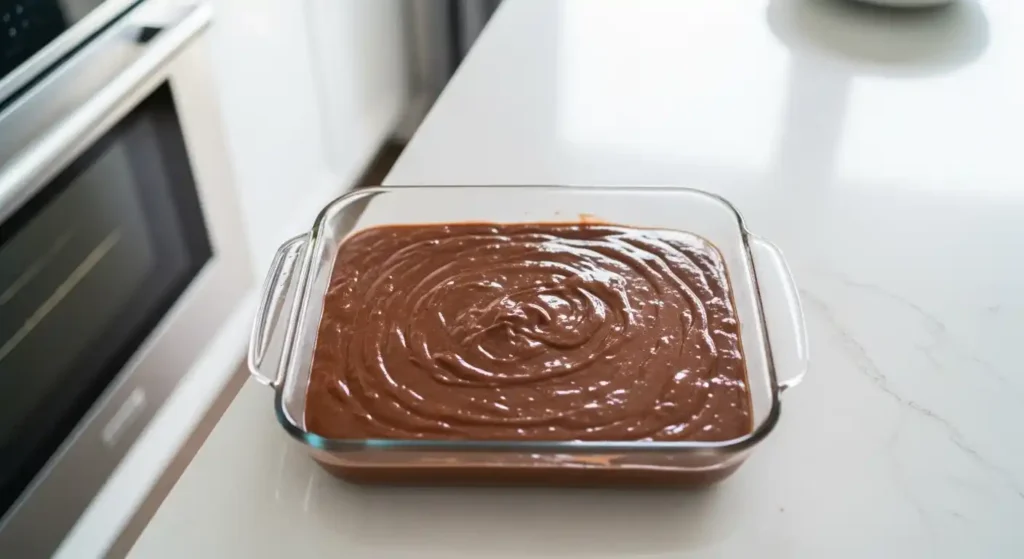
Certain recipes shine when baked in glass pans:
Casseroles
The even heat distribution ensures that casseroles cook consistently without burning at the edges.
Brownies and Cakes
Glass pans produce evenly baked, moist cakes and brownies, especially for thicker batters.
Roasted Vegetables
While roasting vegetables, glass pans provide consistent heat and prevent burning if baked at moderate temperatures.
Lasagna and Baked Pasta
Glass pans are ideal for lasagna because they heat slowly and evenly, preventing the top layer from burning before the middle is cooked.
Tips for Baking in a Glass Pan
Baking in glass requires a few adjustments to get perfect results:
1. Adjust Temperature
Lower the oven temperature by 25°F (about 15°C) compared to what’s recommended for metal pans. Glass retains heat, so this prevents overcooking or excessive browning.
2. Grease Properly
Even if your recipe doesn’t call for it, lightly grease your glass pan with butter, oil, or nonstick spray to prevent sticking.
3. Avoid Sudden Temperature Changes
Do not place a cold glass pan directly into a hot oven. Likewise, avoid moving a hot pan to a cold surface. Sudden temperature shifts can cause thermal shock and cracking.
4. Use the Center Rack
Place your glass pan in the center of the oven for even heating. Glass pans cook more evenly when they’re not too close to the top or bottom heating elements.
5. Allow Extra Time
Check doneness a few minutes later than the recipe suggests. Glass pans often require slightly longer cooking times than metal.
Common Mistakes to Avoid
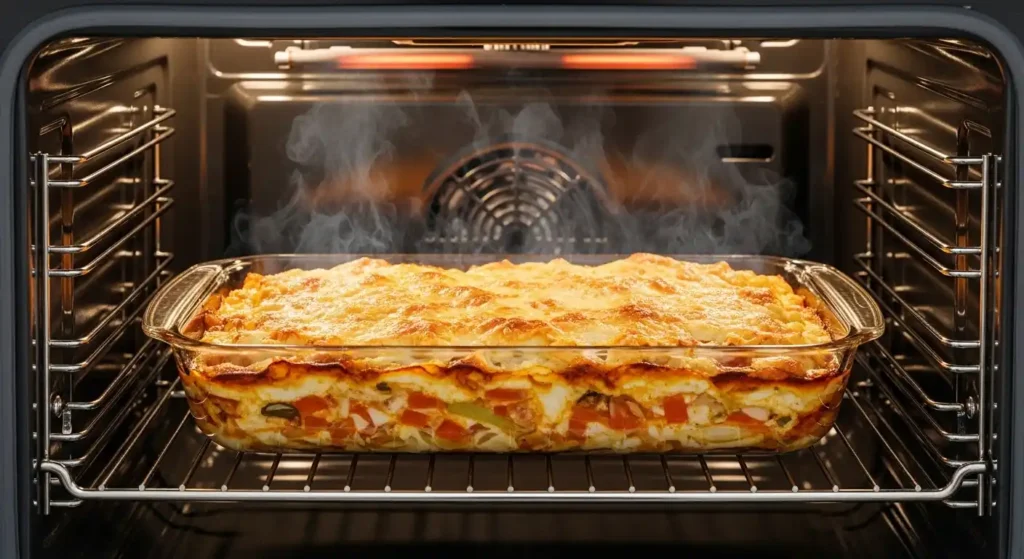
Even though you can bake in a glass pan, beginners often make a few mistakes:
Overheating
Never exceed the manufacturer’s temperature limit. Most glass pans are safe up to 425°F (220°C), but going higher can cause cracking.
Using a Cold Surface
Placing a hot pan on a cold countertop or water can lead to breakage. Always use a trivet or hot pad.
Under-Greasing
Food can stick if the pan isn’t greased properly, especially baked goods like brownies or custards.
Ignoring Temperature Adjustments
Baking at the same temperature as metal pans can lead to over-browning or uneven cooking.
Cleaning and Maintaining Glass Pans
Proper care keeps your glass pan performing well for years:
- Cool Before Washing: Let it cool completely to avoid thermal shock.
- Use Warm, Soapy Water: Mild detergents and non-abrasive sponges work best.
- Avoid Metal Scrapers: They can scratch or weaken the glass.
- Check for Chips or Cracks: Replace any damaged pans to prevent accidents.
Some glass pans are dishwasher safe, but hand washing helps preserve their clarity and lifespan.
Advantages of Baking in a Glass Pan
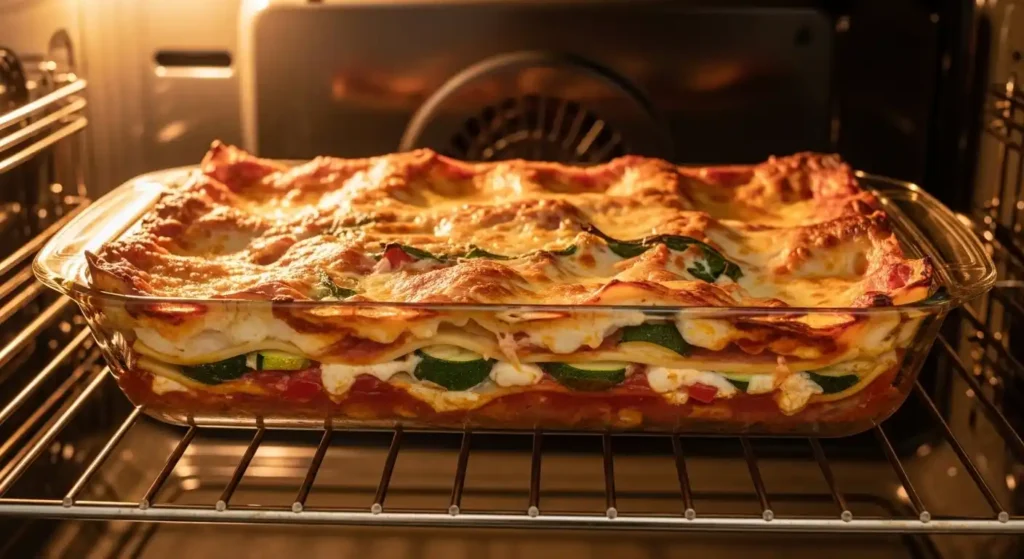
There are several reasons why glass pans are a favorite for many home bakers:
- Even Baking: Ideal for dishes that require gentle heat.
- Visibility: You can see the progress of your food while it cooks.
- Retains Heat: Keeps food warm after removing it from the oven.
- Multipurpose: Can go from oven to table for serving.
These benefits make glass pans convenient and versatile in everyday cooking.
Disadvantages of Baking in a Glass Pan
Glass pans aren’t perfect, and it’s important to know their limitations:
- Slower Cooking: Takes longer to heat than metal.
- Fragile: Can crack or break if mishandled.
- Requires Greasing: More prone to sticking than nonstick metal pans.
- Temperature Sensitivity: Sudden changes can cause damage.
By following best practices, most of these issues can be avoided.
Can You Use Glass Pans for All Recipes?
While most baked dishes work well in glass, some exceptions exist:
- High-Temperature Roasting: Very high oven temperatures may be better suited for metal pans.
- Recipes Requiring Quick Browning: Glass heats slowly, so crusts may not crisp as quickly as with metal.
For cakes, casseroles, brownies, lasagna, and baked vegetables, glass pans are excellent choices.
Final Thoughts
So, can you bake in a glass pan? Absolutely! Glass pans are versatile, durable, and perfect for a variety of baked dishes. They provide even cooking, retain heat well, and allow you to monitor your food as it bakes.
To get the best results, remember to:
- Lower the oven temperature slightly
- Grease the pan properly
- Avoid sudden temperature changes
- Allow extra cooking time
Whether you’re baking a casserole, a chocolate brownie, or a hearty lasagna, a glass pan can be your reliable kitchen companion.
With proper care and technique, glass bakeware can help you achieve delicious, evenly cooked meals every time.


