

Is Aluminum Cookware Safe? A Complete Guide for Everyday Cooking

Aluminum cookware is one of the most commonly used types of cookware in kitchens around the world.
It’s lightweight, affordable, and heats up quickly—making it a favorite for both beginners and experienced cooks. But one question continues to come up: is aluminum cookware safe?
If you’ve ever wondered whether cooking with aluminum poses any health risks or affects your food, you’re not alone.
In this guide, we’ll explore the safety of aluminum cookware, its pros and cons, and how to use it properly for the best results.
Is Aluminum Cookware Safe?
Let’s start with the main question: is aluminum cookware safe?
The short answer is yes, aluminum cookware is generally safe for everyday use when used correctly. Aluminum is a naturally occurring metal found in many foods, water, and even the air.
Small amounts of aluminum can transfer into food during cooking, but for most people, this is considered safe.
However, certain factors—like the type of aluminum cookware and how it’s used—can influence safety and performance.
Why Is Aluminum Used in Cookware?
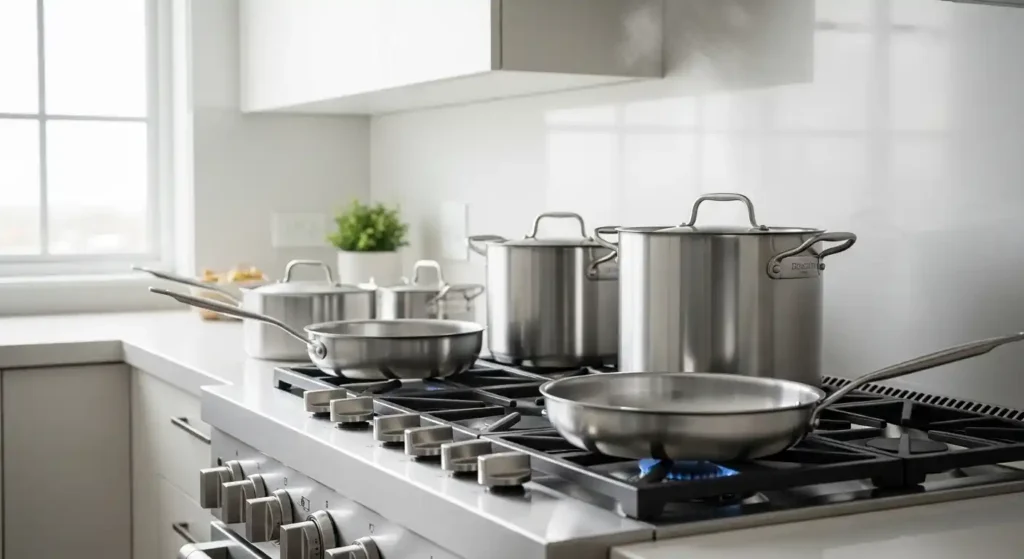
Aluminum is popular in cookware for several practical reasons:
Excellent Heat Conduction
Aluminum heats up quickly and distributes heat evenly across the surface, reducing hot spots.
Lightweight Design
Compared to materials like cast iron, aluminum cookware is easy to handle and move around.
Affordable
It’s one of the most budget-friendly cookware options available.
Versatility
Aluminum cookware can be used for boiling, frying, sautéing, and more.
These benefits make aluminum a convenient choice for everyday cooking.
Types of Aluminum Cookware
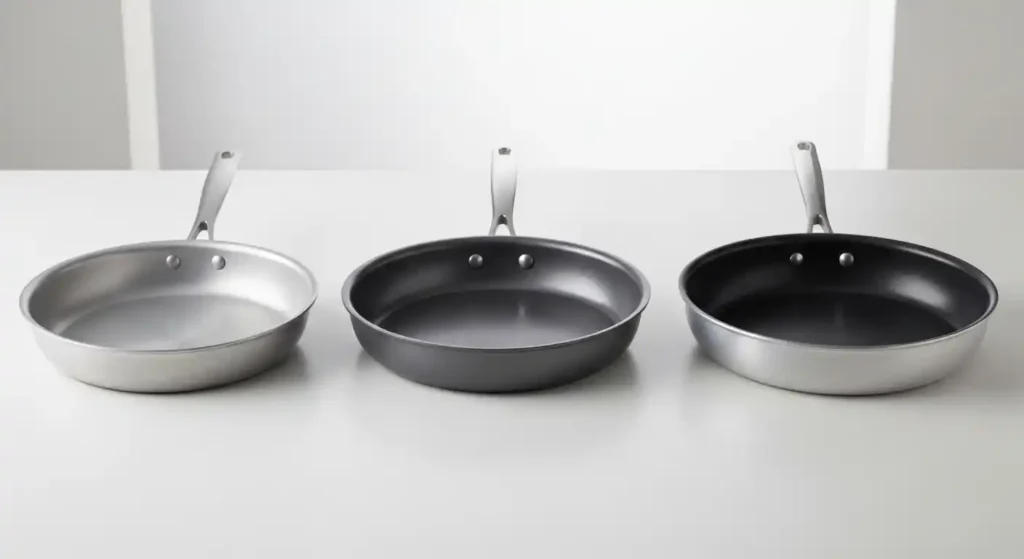
Not all aluminum cookware is the same. Understanding the different types can help you make safer choices.
1. Uncoated (Raw) Aluminum
This is the most basic form of aluminum cookware. While it heats well, it can react with certain foods.
- Pros: Affordable, excellent heat conductivity
- Cons: Can react with acidic ingredients, may affect taste
2. Anodized Aluminum
Anodized aluminum is treated to create a hard, non-reactive surface.
- Pros: Durable, scratch-resistant, safer for cooking
- Cons: Slightly more expensive than raw aluminum
3. Coated or Nonstick Aluminum
These pans have a nonstick coating applied over the aluminum base.
- Pros: Easy to clean, prevents sticking
- Cons: Coating can wear over time if not cared for properly
Among these, anodized and coated aluminum cookware are considered the safest options.
Does Aluminum Leach into Food?
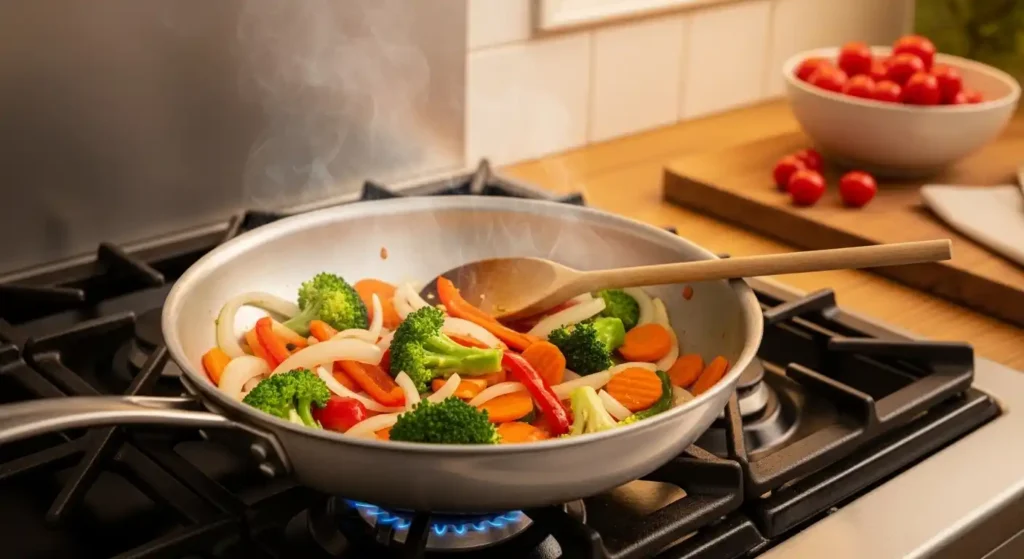
One of the main concerns behind the question is aluminum cookware safe is whether aluminum leaches into food.
When Leaching Happens
- Cooking acidic foods like tomatoes or citrus
- Using scratched or worn cookware
- Cooking at very high temperatures
Is It Harmful?
In most cases, the amount of aluminum that transfers into food is very small and within safe limits.
Health organizations generally consider this level of exposure safe for daily use.
Pros of Aluminum Cookware
Aluminum cookware offers several advantages that make it a popular choice.
Fast and Even Heating
It heats up quickly and distributes heat evenly, making cooking more efficient.
Lightweight
Easy to lift, move, and store—great for everyday use.
Budget-Friendly
Ideal for those looking for affordable cookware without compromising performance.
Versatile
Suitable for a wide range of cooking methods and recipes.
Cons of Aluminum Cookware
Despite its benefits, aluminum cookware does have some drawbacks.
Reactivity
Uncoated aluminum can react with acidic foods, affecting flavor.
Durability
Raw aluminum can scratch or dent more easily than other materials.
Potential Leaching
Although minimal, some aluminum may transfer into food.
Not Always Dishwasher Safe
Some aluminum cookware may discolor or degrade in the dishwasher.
How to Use Aluminum Cookware Safely
To get the best results and ensure safety, follow these simple guidelines:
Choose the Right Type
Opt for anodized or coated aluminum cookware whenever possible.
Avoid Cooking Highly Acidic Foods
If using raw aluminum, limit cooking with acidic ingredients.
Use Moderate Heat
Avoid extremely high heat, which can increase wear and potential leaching.
Replace Damaged Cookware
If your pan is heavily scratched or worn, it’s best to replace it.
Clean Gently
Use mild soap and non-abrasive sponges to maintain the surface.
Aluminum Cookware vs Other Materials
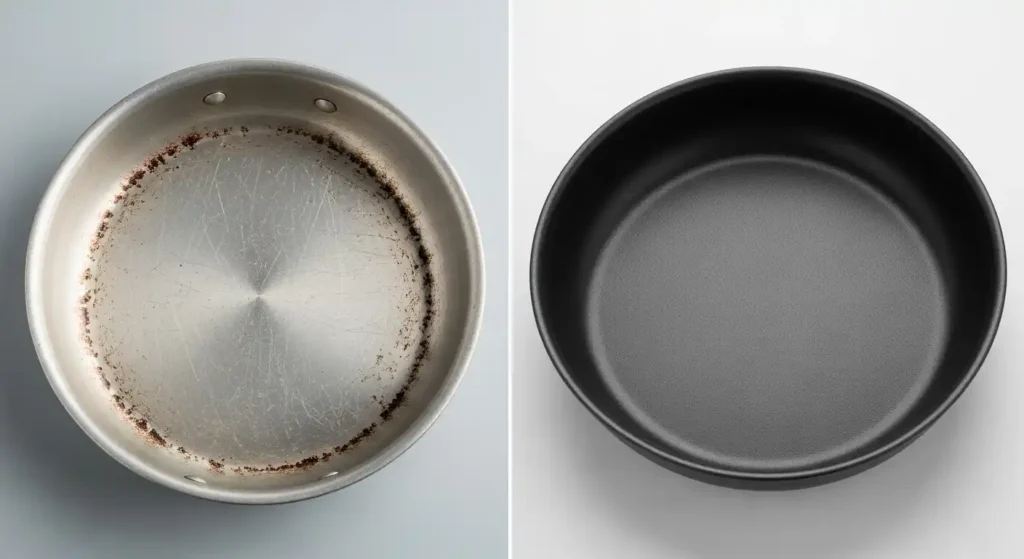
To better understand its safety, let’s compare aluminum with other common cookware materials.
Stainless Steel
- Non-reactive and durable
- Doesn’t leach into food
- Heats less evenly unless layered
Cast Iron
- Very durable
- Retains heat well
- Requires maintenance
Nonstick Cookware
- Easy to clean
- Requires careful handling
- Coating may wear over time
Aluminum stands out for its heat efficiency and affordability, especially when treated or coated.
Common Myths About Aluminum Cookware
There are several myths surrounding aluminum cookware that often cause confusion.
Myth 1: Aluminum Cookware Is Dangerous
Fact: It is generally safe when used properly and in good condition.
Myth 2: All Aluminum Reacts with Food
Fact: Anodized and coated aluminum are non-reactive.
Myth 3: You Should Never Use Aluminum
Fact: Millions of people use aluminum cookware safely every day.
Is Aluminum Cookware Safe for Daily Use?
Yes, aluminum cookware is safe for daily use, especially if you choose high-quality options and follow proper care practices.
For most home cooks, the benefits of aluminum—such as fast heating and affordability—make it a practical and reliable choice.
Who Should Be More Careful?
While aluminum cookware is safe for most people, some individuals may prefer to take extra precautions:
- Those who cook frequently with acidic foods
- People who prefer completely non-reactive cookware
- Anyone using older or damaged aluminum pans
In these cases, switching to anodized aluminum or other materials can provide peace of mind.
Tips for Choosing the Best Aluminum Cookware
If you’re planning to buy aluminum cookware, keep these tips in mind:
- Look for anodized or coated options
- Choose pans with a sturdy base for even heating
- Check for comfortable, heat-resistant handles
- Invest in trusted brands for better quality
A good-quality pan will last longer and perform better.
Final Thoughts
So, is aluminum cookware safe? The answer is yes—when used correctly, it is a safe and practical option for everyday cooking.
While raw aluminum can react with certain foods, modern cookware options like anodized and nonstick aluminum offer improved safety and durability.
By choosing the right type and following simple care tips, you can enjoy all the benefits of aluminum cookware without worry.
Whether you’re boiling, sautéing, or preparing your favorite meals, aluminum cookware remains a reliable and efficient choice in the kitchen.


