
How to Save a Dry Cake (Because We’ve All Been There)

You pull the cake out of the oven feeling proud. It looks golden, smells amazing, and you’re already mentally picking who deserves the biggest slice.
Then you take a bite… and yep. Dry. Crumbly. Desert-level moisture. If your heart just sank a little, relax—you’re among friends.
Learning how to save a dry cake because we’ve all been there is basically a rite of passage for anyone who bakes more than twice a year.
The good news? A dry cake is not the end of the world. Not even close.
In fact, with a few smart tricks, you can turn that sad situation into something people will actually ask for seconds of.
Let’s talk fixes, upgrades, and sneaky ways to make a dry cake disappear like it never happened.
First Things First: Why Cakes Get Dry
Before we jump into rescue mode, it helps to know what went wrong. Not to assign blame—this is a judgment-free kitchen—but to prevent a repeat performance.
Most dry cakes happen because of:
- Overbaking, even by 5–10 minutes
- Too much flour (hello, packed measuring cups)
- Not enough fat or liquid
- Oven running hotter than it claims
- Overmixing the batter, which sounds harmless but is not
Sound familiar? Same. I once blamed a recipe for weeks before realizing my oven runs hot like it’s personally offended by cake.
The Quick Fix: Add Moisture After Baking
Let’s start with the fastest solution, because sometimes you need dessert now.
Simple Syrup to the Rescue
This is the bakery industry’s not-so-secret secret. Make a quick syrup with equal parts sugar and water, heat until dissolved, and let it cool.
Then brush or spoon it over the cake layers.
Pro tip: Add vanilla extract or citrus zest to the syrup for flavor without overpowering the cake.
The cake absorbs the liquid like a sponge (literally), and suddenly it’s softer, richer, and way more forgiving.
Frosting Is Not Just Decoration—It’s Strategy
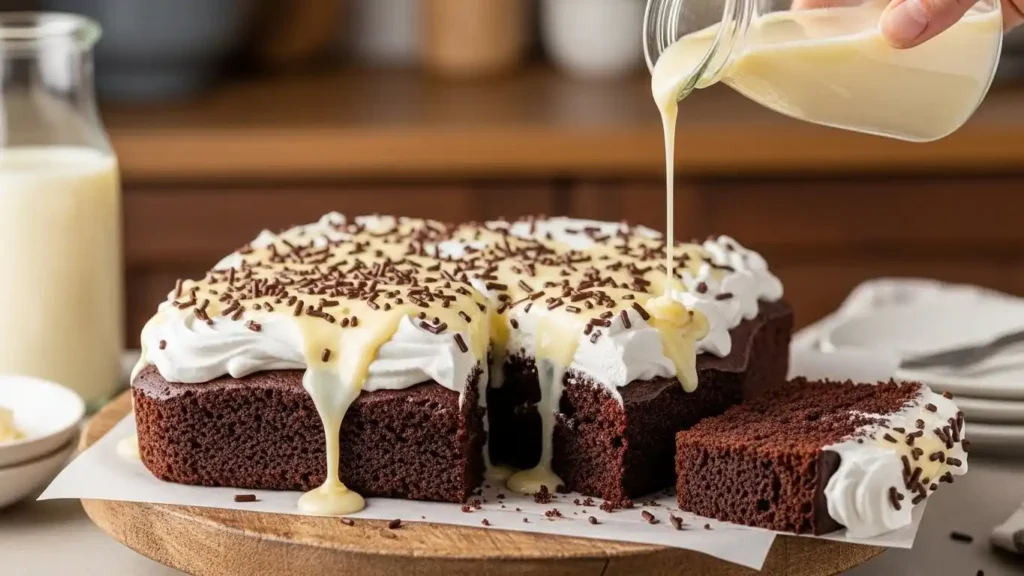
If your cake is dry, frosting becomes structural support.
Go Generous
Thin layers won’t cut it here. You want a thick, creamy frosting that locks in moisture and adds richness.
Buttercream, cream cheese frosting, or whipped frosting all work beautifully.
Spread it evenly, then let the cake sit for a few hours. Overnight is even better.
The frosting seeps in slightly and helps soften every bite.
Don’t Forget the Sides
Leaving the sides naked looks fancy, but this is not the moment for minimalism. Cover everything. No dry edges allowed.
Turn It Into a Layer Cake (Even If It Wasn’t One)
If you baked a single thick cake, slicing it horizontally can actually improve texture.
Why? Because more layers mean more filling. And more filling means more moisture. Science. Probably.
Add:
- Frosting
- Jam
- Fruit compote
- Chocolate spread
- Nut butter (thin layer, not chaos)
Stack it back together, chill it, and suddenly your cake has depth, drama, and a redemption arc.
When in Doubt, Crumble It on Purpose

This is my favorite trick because it feels rebellious.
If the cake is really dry, stop fighting it and lean in.
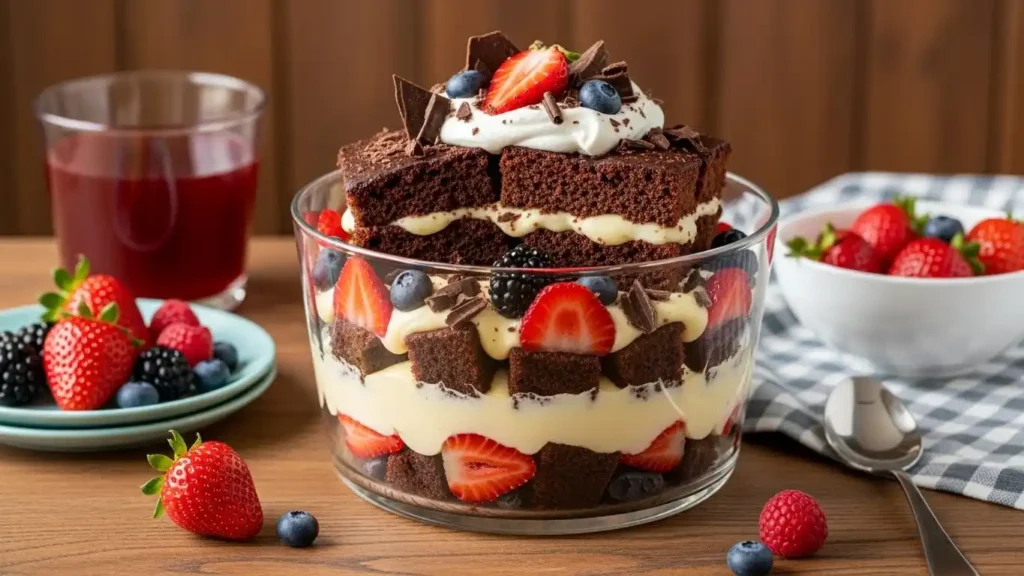
Cake Parfaits
Crumble the cake into glasses and layer it with:
- Whipped cream
- Custard or pudding
- Fresh fruit
- Chocolate sauce
Nobody will ever know this wasn’t intentional. In fact, they’ll assume you planned it all along.
Cake Pops or Cake Truffles
Mix crumbled cake with frosting until it holds together, roll into balls, chill, and coat in melted chocolate.
Dry cake actually works better here because it absorbs frosting without getting gummy.
Warm It Up (Yes, Really)
Dry cake straight from the counter can feel hopeless. But warming it gently can soften the crumb and revive flavors.
Pop a slice in the microwave for 10–15 seconds. That’s it. Not longer. We want warm and soft, not rubbery regret.
Add a scoop of vanilla ice cream, and suddenly nobody’s complaining.
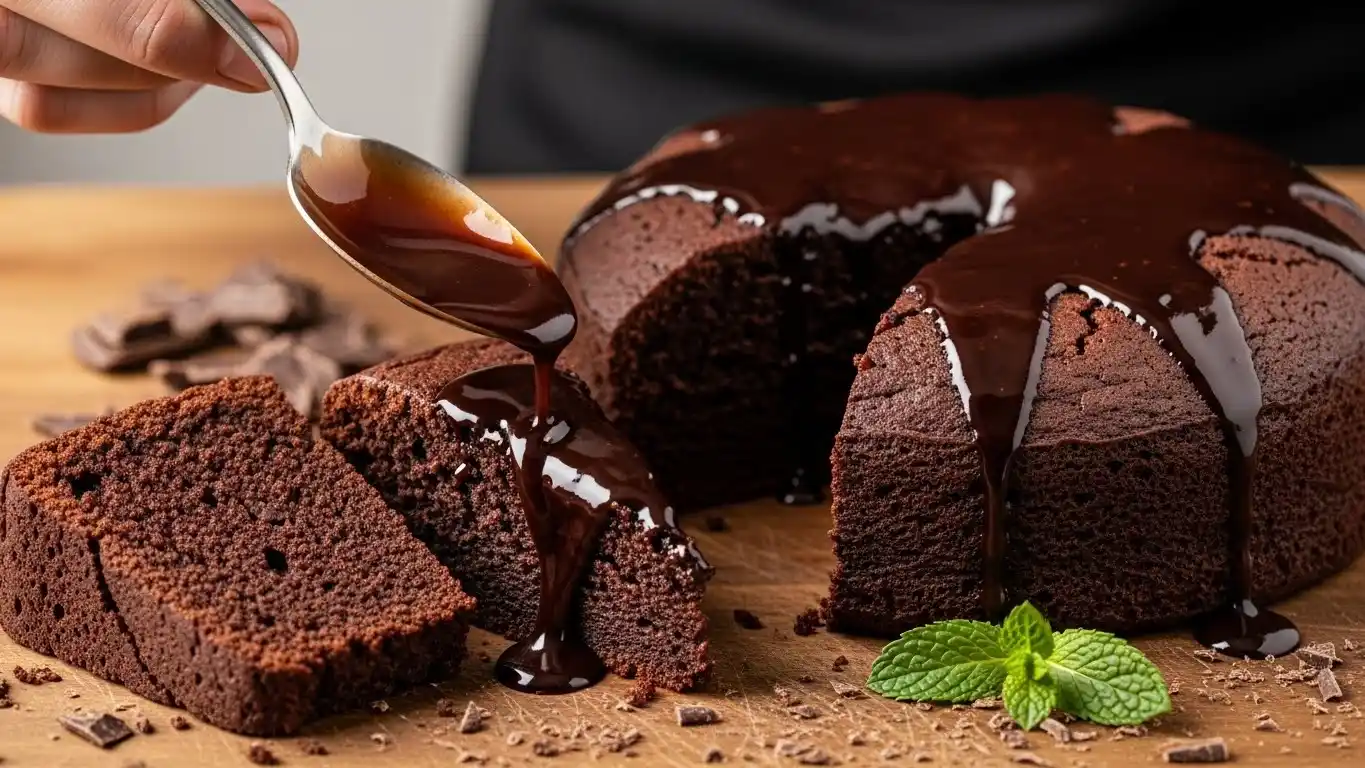
Add a Sauce and Call It Dessert
This is a classic restaurant move, and for good reason.
Drizzle warm sauce over each slice:
- Chocolate sauce
- Caramel sauce
- Fruit coulis
The sauce seeps into the cake, adds richness, and distracts everyone from asking questions about texture. Honestly, it’s a power move.
Prevention: How to Avoid Dry Cake Next Time
Let’s make future-you proud.
Measure Flour Correctly
Fluff it, spoon it into the cup, level it off. Do not scoop directly from the bag unless you enjoy dry outcomes.
Check Early
Start checking your cake 5–10 minutes before the recipe says it should be done. A toothpick with a few moist crumbs is perfect. Completely clean is usually too late.
Don’t Overmix
Once the flour goes in, mix just until combined. Overmixing builds structure you don’t want. This is cake, not bread.
Use the Right Pan Size
Too much batter in a small pan means longer baking time, which equals dryness. Match the pan size the recipe asks for. It matters more than it should.
Can You Save a Cake That’s Been Dry for Days?
Surprisingly, yes.
Wrap it tightly, brush it with simple syrup, frost it generously, and let it rest overnight in the fridge.
Cakes often improve with time as moisture redistributes.
I’ve had cakes that were “meh” on day one and genuinely good on day two. Baking is weird like that.
Common Mistakes When Trying to Fix a Dry Cake
Let’s avoid turning a dry cake into a worse cake.
- Drowning it in liquid: A little syrup is great. A soggy mess is not.
- Skipping rest time: Moisture needs time to absorb. Be patient.
- Using thin glazes only: They look nice but don’t add enough moisture.
- Giving up too soon: Most dry cakes are salvageable with creativity.
When to Let It Go (Rare, But It Happens)
If the cake is burned, bitter, or so dry it disintegrates into dust… it might be time to pivot. Use it for crumbs, toppings, or a layered dessert.
Not every cake needs to be sliced and served traditionally.
And that’s okay.
Final Thoughts: Dry Cake Happens to Everyone
Seriously. Everyone. Professional bakers, food bloggers, your grandma, me, you—no one is immune. The difference isn’t avoiding mistakes; it’s knowing what to do after them.
Now you know how to save a dry cake without stress, panic, or pretending it was “supposed to be like that.”
Whether you soak it, frost it, crumble it, or reinvent it entirely, you’ve got options—and honestly, some of these fixes are better than the original plan.
So next time a cake comes out a little less moist than you hoped, don’t toss it. Fix it. Dress it up. Serve it confidently.
Because we’ve all been there—and now you know exactly what to do about it.


