

How to Adjust Baking Time for Different Size Pans: A Beginner’s Guide

Have you ever tried a favorite cake recipe, only to find that it’s overcooked around the edges but underdone in the center?
Or maybe your brownies came out too gooey or too dry? Chances are, the issue wasn’t your oven—it was your pan.
Knowing how to adjust baking time for different size pans is essential if you want consistently perfect results.
Luckily, it’s easier than you think, and once you get the hang of it, you’ll never waste a batch of batter again.
Why Pan Size Matters
It might seem obvious that baking times differ when you swap a 9-inch round pan for a 13×9-inch baking dish, but many home bakers overlook this. Here’s why it matters:
- Depth affects cooking: The thicker the batter, the longer it takes for heat to reach the center.
- Surface area affects browning: A shallow pan exposes more batter to heat, so edges brown faster.
- Material conducts heat differently: Metal, glass, and ceramic pans all transfer heat at slightly different rates, affecting baking times.
Understanding these factors is the first step toward perfectly baked cakes, brownies, and bars.
Common Pan Sizes and How They Impact Baking
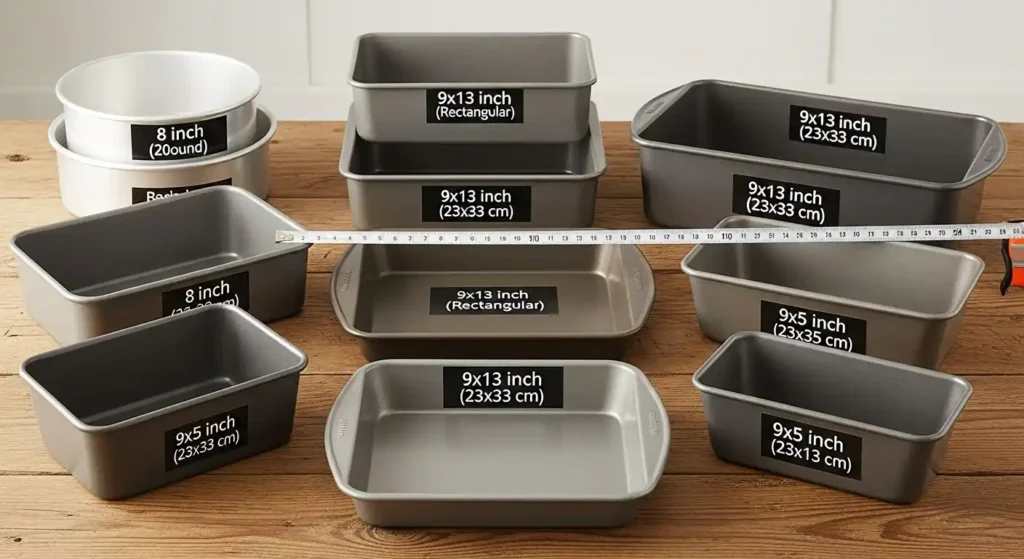
Before we dive into time adjustments, it’s helpful to know how different pan sizes generally behave:
- 8-inch round pan: Batter is thicker; may need slightly more time. Great for layer cakes.
- 9-inch round pan: Standard size for most cake recipes. Baking times often match recipe instructions.
- 9×13-inch pan: Larger surface area; thinner batter means baking time usually decreases.
- Square 8×8-inch pan: Similar to 9-inch round but thicker batter; may need longer baking.
- Muffin tin: Individual portions bake faster due to more surface exposure and less depth.
By visualizing the volume of batter and depth of the pan, you can predict whether you need to increase or decrease baking time.
How to Adjust Baking Time for Different Size Pans
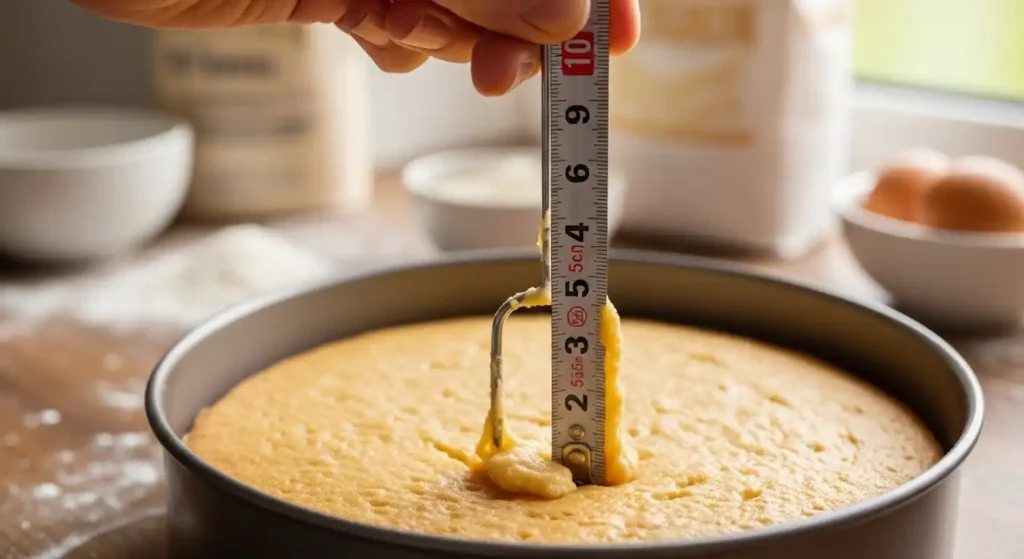
Here’s the core skill you’re looking for: how to adjust baking time for different size pans. There’s no perfect formula, but these guidelines work well:
1. Estimate Batter Depth
A thicker batter takes longer to cook, while a thinner layer cooks faster. As a general rule:
- Deeper than the original pan: Add about 5–10 minutes of baking time for every additional half-inch of batter depth.
- Shallower than the original pan: Reduce baking time by 5–10 minutes per half-inch of reduced depth.
This isn’t exact science, but it gives you a ballpark to start with.
2. Check Early and Often
No matter what adjustment you make, keep an eye on your bake:
- Start checking 5–10 minutes before the expected finish time.
- Use a toothpick or skewer in the center—if it comes out clean or with a few moist crumbs, it’s done.
- Avoid opening the oven repeatedly in the first half of baking; it can cause uneven rising.
Checking early prevents overbaking, especially with thinner or smaller pans.
3. Adjust Temperature Carefully
In some cases, you might need to slightly tweak oven temperature:
- Smaller pans: Slightly lower the temperature (about 25°F) if batter is thick and may brown too fast.
- Larger pans: Slightly higher temperature (about 25°F) for thinner layers to get proper browning.
Tip: Make adjustments in small increments. You don’t want to accidentally burn the edges while waiting for the center to bake.
4. Factor in Pan Material
Not all pans are created equal. Different materials impact baking time and heat distribution:
- Metal pans: Heat quickly; often reduce baking time by 5 minutes.
- Glass pans: Heat slowly but retain heat longer; may need extra 5–10 minutes.
- Ceramic pans: Similar to glass; often extend baking time slightly.
Knowing your pan’s material helps fine-tune your adjustments without guesswork.
5. Use a Simple Conversion Rule
If you like a quick method, here’s a rough guideline for common pan swaps:
| Original Pan | New Pan | Time Adjustment |
|---|---|---|
| 9-inch round | 8-inch round | Add 5–10 min |
| 9-inch round | 10-inch round | Reduce 5–10 min |
| 9×13-inch | 8×8-inch | Add 10–15 min |
| 8×8-inch | 9×13-inch | Reduce 10–15 min |
Remember, this is a starting point—always check for doneness before removing from the oven.
Tips for Even Baking
Besides adjusting time, here are some tips to ensure your cakes, brownies, or bars bake evenly:
- Rotate your pan: Halfway through baking, rotate the pan 180° for even heat exposure.
- Avoid overfilling: Leave some space at the top for batter to rise.
- Use an oven thermometer: Not all ovens are perfectly calibrated. Knowing your true oven temperature helps prevent over- or under-baking.
- Line with parchment paper: Reduces sticking and makes removal easier.
Even simple adjustments like these make a huge difference in results.
Special Cases: Layer Cakes
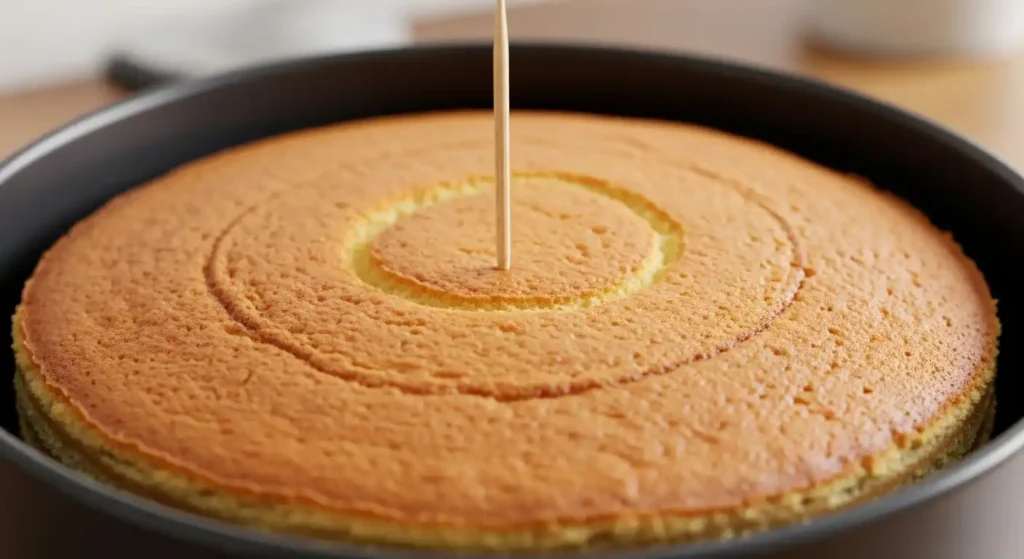
Layer cakes are especially sensitive to pan size:
- If you increase pan size, the batter spreads thinner; bake a few minutes less.
- If you decrease pan size, the batter is thicker; bake a few minutes longer.
- Always check the center with a toothpick, as layers may cook unevenly.
Pro tip: If you’re making multiple layers, measure the batter for each pan to ensure uniform thickness.
Converting Recipes Between Pan Shapes
Sometimes you want to bake a square cake in a round pan—or vice versa. Here’s how to handle it:
- Calculate the area of each pan: Area = π × radius² for round pans, Area = length × width for square/rectangular pans.
- Divide total batter volume by the new pan area to estimate depth.
- Adjust baking time based on whether the batter will be thicker or thinner than the original.
This method works well for those times when your favorite pan is already in use or you want to double a recipe.
Avoiding Common Mistakes
Even experienced bakers slip up sometimes. Here are mistakes to avoid when adjusting baking time:
- Assuming baking time stays the same: Different pan sizes mean different cooking rates.
- Ignoring pan depth: The thicker the batter, the longer it takes to cook.
- Opening the oven too often: Can cause collapsing or uneven baking.
- Skipping pan prep: Properly greasing or lining pans prevents sticking, making it easier to check doneness.
- Neglecting altitude and humidity: High altitude or humid conditions can affect cooking times and textures.
A little attention to detail goes a long way in preventing ruined bakes.
Pro Tools to Make Life Easier
If you bake frequently, a few tools can help you adjust confidently:
- Digital kitchen scale: Measure batter precisely.
- Oven thermometer: Know your exact temperature.
- Silicone spatula: Scrape every bit of batter into the pan for uniform thickness.
- Toothpicks or cake testers: Essential for checking doneness without slicing the cake.
Even small investments in these tools make your baking much more predictable.
Final Thoughts
Knowing how to adjust baking time for different size pans is a skill that separates “sometimes successful” bakers from “always perfect” bakers.
With a little practice, you’ll be able to confidently swap pan sizes, tweak baking times, and still achieve a moist, evenly cooked cake every time.
Remember these key points:
- Assess the depth and size of your pan.
- Adjust time slightly—more for thicker batter, less for thinner batter.
- Consider pan material and oven temperature.
- Check for doneness regularly.
- Avoid common mistakes like overfilling or skipping pan prep.
Once you get comfortable with these adjustments, the world of recipes opens up.
No more pan limitations—you can bake your favorite treats in any size dish you have on hand.
Baking becomes less about strict instructions and more about intuition, precision, and a little creative problem-solving.
So next time you’re staring at your cabinet full of pans, remember: you’ve got this. Adjusting baking times is a learned skill, not a guessing game.
With these tips, your cakes, brownies, and bars will come out perfectly cooked, no matter what pan you use.
Happy baking!


