

How to Clean Pots and Pans to Look Like New: Easy Fixes

Starting with a quick reality check: burnt-on grime doesn’t stand a chance against a little know-how and some elbow grease.
You don’t need fancy gadgets to make pots and pans look like new—just a plan, the right tricks, and a dash of patience.
Ready to revive your cookware and stop the sighs every time you open the cabinet?
Let’s do this.
Why your pans deserve a spa day (even if you’re skeptical)
You might think a quick rinse and scrub is enough, but old stains cling stubbornly.
The payoff? Shiny surfaces, even heat distribution, and cookware that actually feels good to use again.
FYI, a well-cleaned pan can cook more evenly and prevent flavors from hitching a ride into your next recipe.
Who doesn’t want that?
Decide your battlefield: stainless steel, nonstick, cast iron
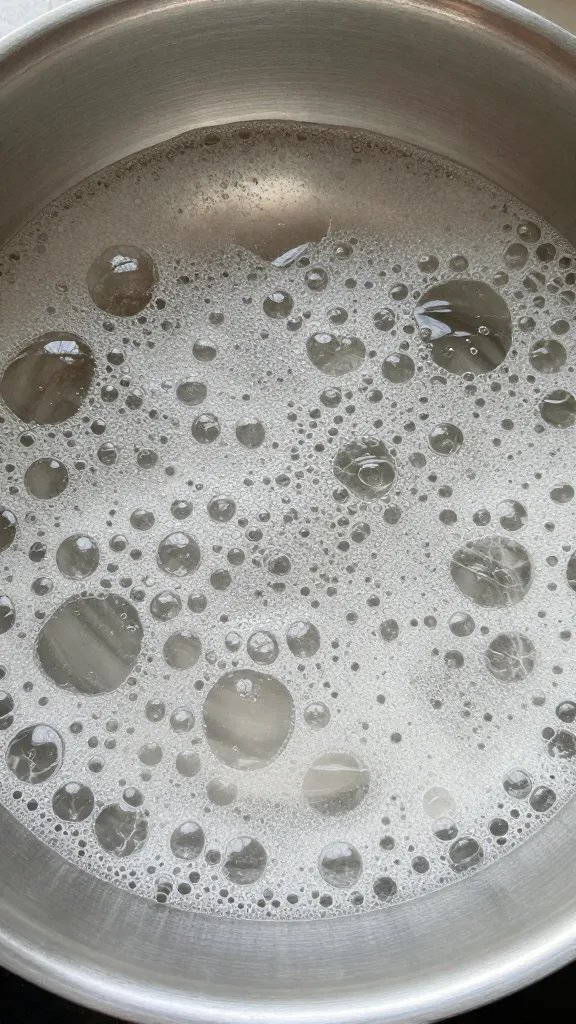
Every material has its quirks. Start by identifying yours and tailor your approach.
Stainless steel and copper
– Soak to loosen gunk: fill with hot, soapy water for 15–30 minutes.
– Scrub with a non-scratch pad in circular motions.
– For stubborn stains, make a paste with baking soda and water, apply, let sit, then scrub.
Nonstick pans
– Avoid abrasive pads that scratch the coating.
– Use warm water, mild dish soap, and a soft sponge.
– If the interior looks dull, think about a gentle wipe with a bit of white vinegar and water to refresh the coating’s sheen (but don’t soak or scrub aggressively).
Cast iron
– After cooking, wipe out loose bits, rinse with hot water, and dry thoroughly.
– Lightly oil to keep the seasoning happy.
– For rust, rub with a small amount of flaxseed oil or vegetable oil and heat gently in the oven.
Crucial techniques that actually work
These are the moves that turn “meh” into “wow.” Pick a couple and stick to them.
1. The overnight soak trick
A long soak can loosen years of caked-on mess.
Fill with hot water and a squirt of dish soap, then cover. Let it sit overnight. In the morning, you’ll notice a big difference.
Pro tip: you’ll save yourself scrubbing time later.
2. The baking soda blitz
– For stubborn grime, sprinkle baking soda over the surface.
– Add a splash of water to make a paste.
– Let it sit 15–20 minutes, then scrub with a non-scratch pad.
– Rinse thoroughly. Baking soda is abrasive enough to help without wrecking most finishes.
3. The acidic refresh
Vinegar can help cut through mineral deposits and grease.
Use white vinegar diluted with water (1:1) for nonstick interiors or stainless steel exterior. Wipe, rinse, and dry.
Don’t use vinegar on unseasoned cast iron or carbon steel—stick to their usual oiling regime.
De-gunk by zone: top-to-bottom plan
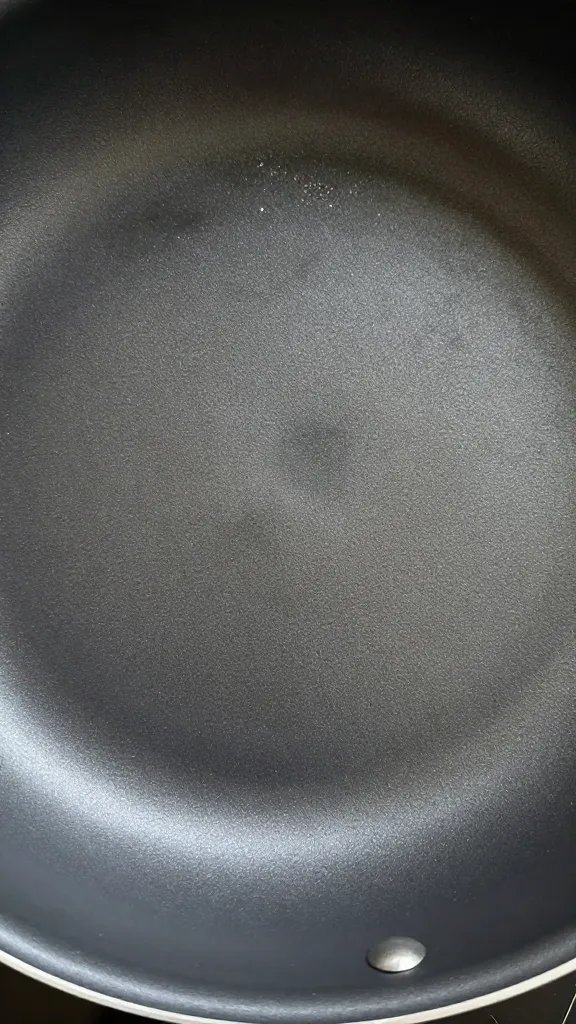
Think of your pan like a messy room you’ll tackle in sections. Start at the top (handles and rims) and work toward the bottom where the grime sits.
- Handles and rims: a quick wipe with warm, soapy water. Dry immediately to avoid rust or loose grips.
- Exterior: if it’s stainless steel, a vinegar rinse and microfiber wipe brings back the shine. For copper, a paste of lemon juice and salt can do wonders, followed by a gentle polish.
- Interior: follow the material-specific steps above. Don’t mix metals aggressively; you’ll thank me later.
Dealing with stubborn burnt-on spots (the nightmare stains)
We’ve all faced it: a pan that’s a magnet for disaster. Here are proven strategies without resorting to harsh chemicals.
Baking soda and lemon power combo
– Sprinkle baking soda, then drizzle lemon juice.
– Let fizz and sit for 15–20 minutes.
– Scrub with a soft pad and rinse well. The citric acid helps lift residue without harming most finishes.
Dirty nonstick rescue
– Make a gentle paste of baking soda and warm water.
– Apply, wait 10–15 minutes, then wipe with a soft sponge.
– Rinse thoroughly. If you still see scratches, it’s time to retire the pan or switch to a more forgiving nonstick line.
Seasoning and upkeep for longevity
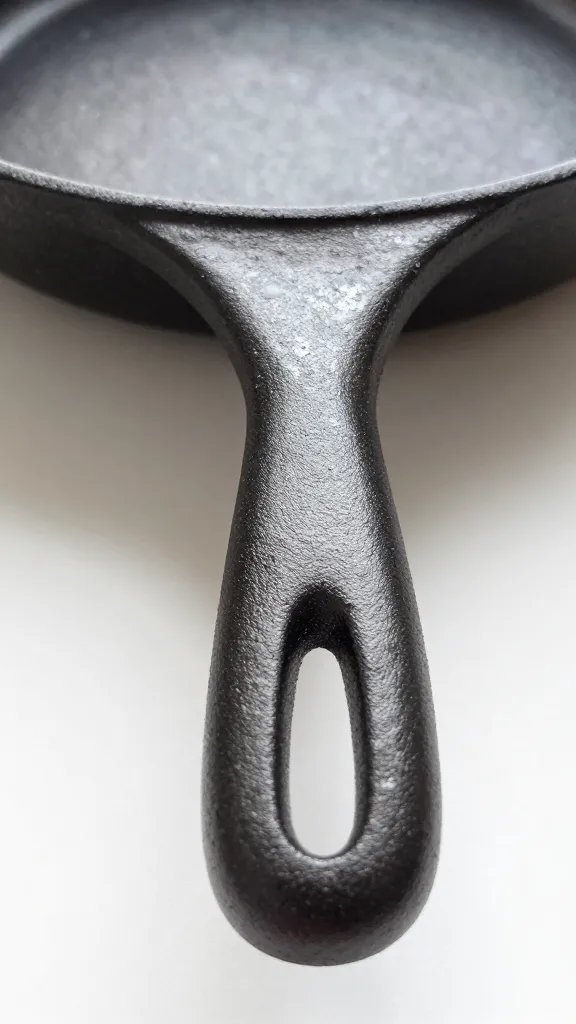
Cleaning is a start—but maintenance keeps finishes happy and appliances cooking like new.
Seasoning cast iron and carbon steel
– After a cleaning session, dry completely.
– Apply a thin film of high-heat oil (flaxseed or vegetable oil).
– Bake at 350–450°F for an hour, then let cool. Repeat every few months or when the surface looks dull.
– FYI: you’ll get a better seal and more nonstick effect with regular seasoning.
Polishing stainless steel without streaks
– Wipe with a microfiber cloth and a splash of white vinegar.
– Buff in the direction of the grain to minimize streaks.
– For extra gleam, finish with a dry cloth and a touch of olive oil on a rag.
Tools that actually help (and don’t cost a fortune)
You don’t need a fortune or a cabinet full of gadgets to get chef-level cleanliness.
- Non-abrasive scrub pads
- Soft microfiber cloths
- A good sponge and a little dish soap
- Baking soda, white vinegar, and lemon juice as your acid trio
- A light oil for seasoning (mineral oil works if you’re unsure about flavors)
Common pitfalls and how to avoid them
Let’s sidestep some rookie mistakes so your pans stay in great shape.
- Don’t soak nonstick pans for long periods. It can degrade coatings.
- Avoid steel wool on stainless steel and copper—stick to gentler options.
- Never store wet pans. Dry thoroughly to prevent rust and bacteria buildup.
- Don’t rush the seasoning process on cast iron. Patience yields a better surface.
FAQs
Can I use bleach to clean pots and pans?
Bleach is a no-go for cookware. It can leave residues that transfer to food and damage finishes. Stick to soap, baking soda, vinegar, and gentle scrubs.
IMO, you’ll thank me when your cookware still looks great years from now.
How often should I deep-clean cast iron?
Clean it after each use with minimal soap or just hot water, dry thoroughly, and oil lightly.
Do a deeper seasoning every few months, or when the surface looks dry or rust appears. This isn’t a race—consistency beats intensity.
Is it okay to put copper pans in the dishwasher?
Typically no. Dishwashers can dull their shine and, over time, strip the patina. Hand wash with warm soapy water and dry immediately.
FYI, a quick wipe with lemon juice and salt can revive copper’s glow between deep cleans.
What if my nonstick coating has peeled?
If the coating has started peeling, it’s wise to retire the pan from regular cooking. Peelings can end up in food.
Time to replace, but you can still salvage the rest of your set by using it for non-food tasks or as a dedicated pan for low-heat or decorative uses.
Do I really need to season cast iron after every cleaning?
Not every time, but regularly. Seasoning builds a natural nonstick layer and protects against rust.
If you’ve just cleaned it thoroughly and dried it, a light oil wiped on and stored away dry is enough between uses.
When in doubt, give it a quick oil-and-bake routine to refresh the surface.
Conclusion
Your cookware isn’t a lost cause just because it’s looking a little sad.
With a few smart moves, you can bring back shine, protect the finish, and make cooking feel a little more magical.
Start with the basics for your pan type, tackle stubborn spots with gentle tricks, and keep up with a light maintenance routine.
You’ll be surprised how quickly you regain that “brand-new feel”—at least in your kitchen, where the best meals begin with clean tools.
Now go grab that sponge and reclaim your shiny cookware glory.


