

Irresistible Teriyaki Salmon Recipe: Quick Glaze Magic

Craving a quick, flavor-packed dinner? This irresistible teriyaki salmon recipe delivers a perfectly glazed, juicy fillet in minutes—sweet, savory, and seriously satisfying.
It’s a dish that pretends to be fancy but is really just delicious salmon in a glossy glaze. You’ll mix, sear, glaze, and wow.
No secret handshake required—just a skillet, a plan, and a little confidence.

Teriyaki Salmon Recipe
Ingredients
- 4 salmon fillets skin on for extra crispness
- 1/4 cup soy sauce low-sodium if you’re watching the salt
- 2 tablespoons honey or maple syrup
- 1 tablespoon rice vinegar or apple cider vinegar
- 1 teaspoon sesame oil
- 1 clove garlic minced
- 1 teaspoon grated fresh ginger or 1/2 teaspoon ground ginger
- 1 tablespoon cornstarch mixed with 2 tablespoons water slurry
- Sesame seeds and chopped green onions for garnish
- Optional: a pinch of red pepper flakes if you like a little heat
Instructions
- Pat the salmon dry and season with a pinch of salt. A dry surface = crisp skin. Trust me on this.
- In a small bowl, whisk together soy sauce, honey, vinegar, sesame oil, garlic, and ginger. This is your glaze—give it a little stir and a big smile.
- Heat a nonstick skillet over medium-high heat. Place salmon skin-side down and cook 4–5 minutes until the skin is crispy and the flesh is nearly cooked through.
- Flip the fillets and pour the glaze into the pan. Let it simmer a minute to get a little bubbly. If you want it thicker, stir in the cornstarch slurry and cook 1–2 more minutes until glossy.
- Remove from heat. Spoon extra glaze over the fillets and sprinkle with sesame seeds and green onions. Serve hot and shiny.
Why This Recipe is Awesome
This teriyaki salmon is idiot-proof, even I didn’t mess it up. It hits sweet and savory notes without needing a culinary degree.
The glaze sticks like a dream, caramelizing just enough to give you that shiny, restaurant-worthy look.
Plus, it cooks in one pan, so clean-up isn’t a horror show. Win, win, win.
Ingredients You’ll Need
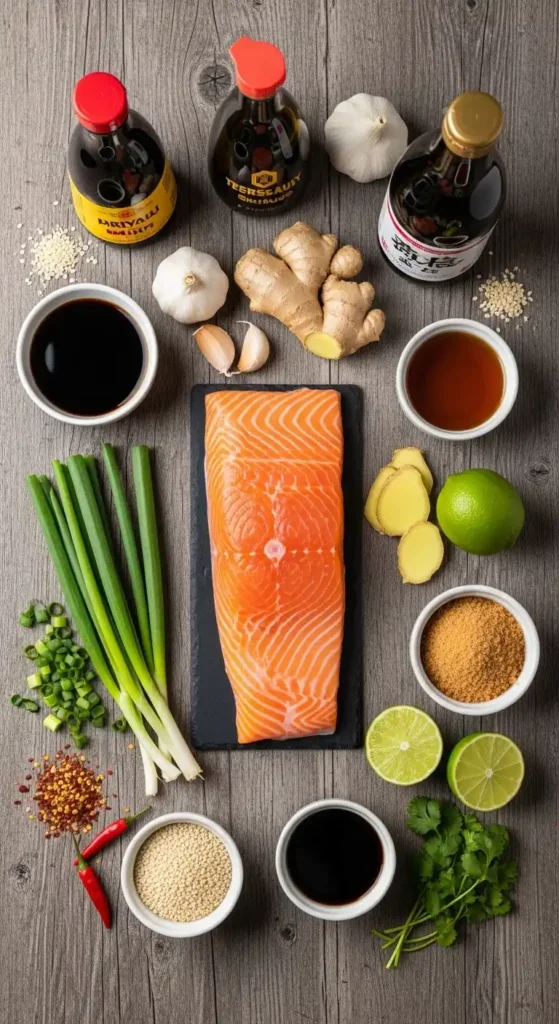
- 4 salmon fillets, skin on for extra crispness
- 1/4 cup soy sauce (low-sodium if you’re watching the salt)
- 2 tablespoons honey or maple syrup
- 1 tablespoon rice vinegar or apple cider vinegar
- 1 teaspoon sesame oil
- 1 clove garlic, minced
- 1 teaspoon grated fresh ginger (or 1/2 teaspoon ground ginger)
- 1 tablespoon cornstarch mixed with 2 tablespoons water (slurry)
- Sesame seeds and chopped green onions for garnish
- Optional: a pinch of red pepper flakes if you like a little heat
Step-by-Step Instructions
- Pat the salmon dry and season with a pinch of salt. A dry surface = crisp skin. Trust me on this.
- In a small bowl, whisk together soy sauce, honey, vinegar, sesame oil, garlic, and ginger. This is your glaze—give it a little stir and a big smile.
- Heat a nonstick skillet over medium-high heat. Place salmon skin-side down and cook 4–5 minutes until the skin is crispy and the flesh is nearly cooked through.
- Flip the fillets and pour the glaze into the pan. Let it simmer a minute to get a little bubbly. If you want it thicker, stir in the cornstarch slurry and cook 1–2 more minutes until glossy.
- Remove from heat. Spoon extra glaze over the fillets and sprinkle with sesame seeds and green onions. Serve hot and shiny.
How to Serve
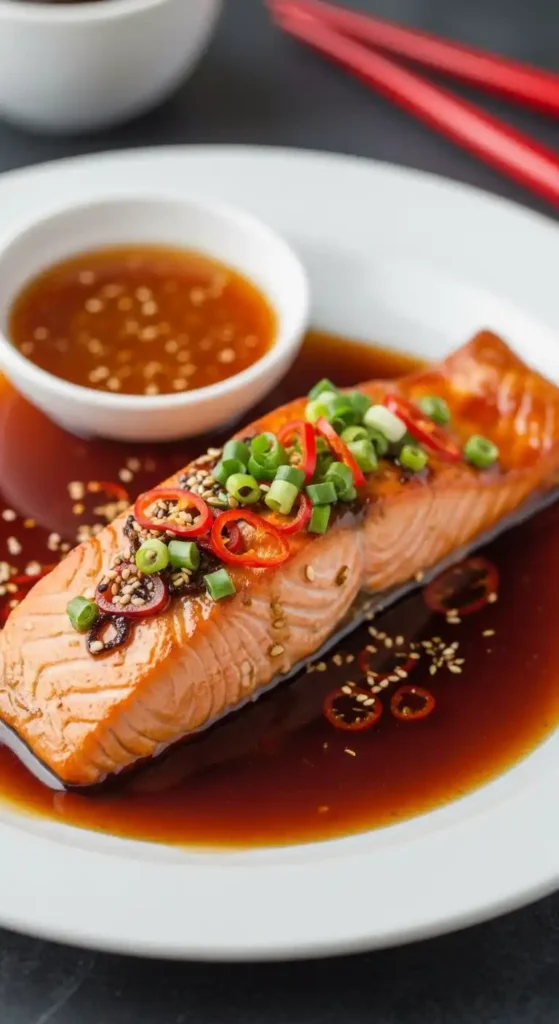
– Plate the salmon over steamed jasmine or brown rice for a cozy, filling meal.
– Add a side of sautéed greens, like broccoli rabe or spinach, so the plate looks vibrant and balanced.
– Drizzle a little extra glaze on the rice for that “chef’s kiss” moment.
– For color, garnish with lime wedges or orange zest—surprisingly delightful with teriyaki.
– This works great for weeknights, date nights, or when you just deserve a little flex in the kitchen.
Approximate Nutrition Facts per Serving
Per serving (approximate, because we live in reality):
– Calories: 290–340
– Carbohydrates: 12–16 g
– Protein: 26–32 g
– Fat: 14–18 g
– Fiber: 0–1 g
– Sugar: 8–12 g
Note: exact values depend on fillet size and glaze thickness. Consider this guidance, not gospel—your pan may be a little extra.
Common Mistakes (and How to Avoid Them)
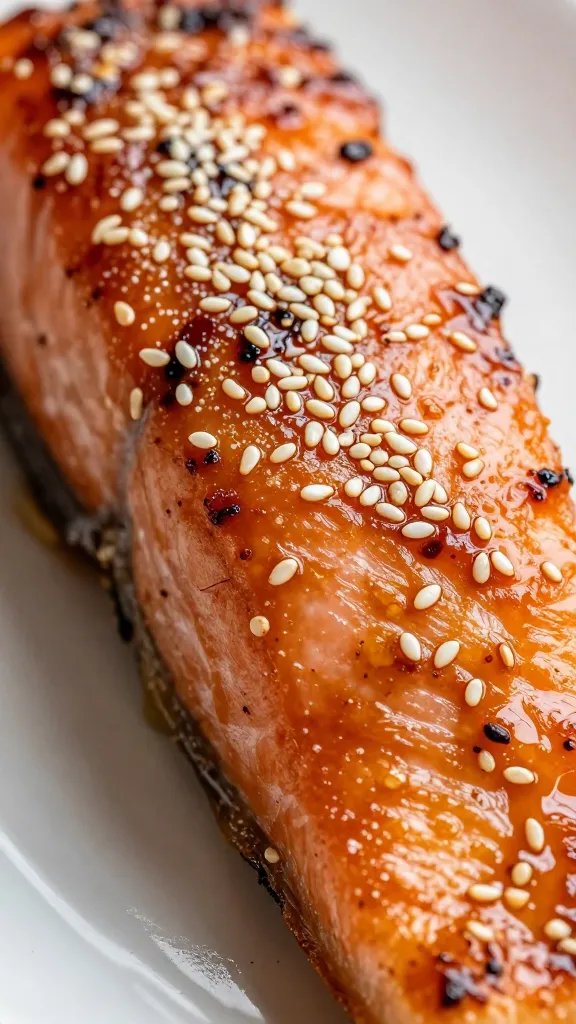
– Not preheating the pan: rookie move. Preheat to sizzling before the salmon hits the surface.
– Cooking with the skin side down too long: you want crisp skin, not burnt rubber. Flip when the flesh looks almost cooked through.
– Skipping the slurry: the glaze stays thin without it. Don’t skip the thickening trick.
– Using too much sauce: you want a glossy coat, not a pool of syrup. A little goes a long way.
– Overcooking salmon: it’s easy to dry out. Keep an eye on it and aim for just-firm flesh.
– Forgetting to rest: a quick minute off the heat helps flavors settle. Don’t rush it.
Simple Alternatives or Ingredient Substitutions
– Tamari or coconut aminos instead of soy sauce for a gluten-free or different flavor profile.
– Honey can be swapped for maple syrup or agave for a slightly different sweetness.
– Try adding 1 teaspoon of orange juice or zest to brighten the glaze.
– If you don’t have ginger, a pinch of ground ginger can work, but fresh really sings.
– For a spicier kick, add a pinch of chili garlic sauce or red pepper flakes.
– Want a thicker glaze without cornstarch? Reduce the glaze a bit longer on medium heat before adding the salmon back in.
Conclusion
Teriyaki salmon is one of those crowd-pleasers that makes you feel like a kitchen pro without turning the night into a full-blown mission.
It’s quick, forgiving, and endlessly adaptable. The glossy glaze, crisp edges, and tender center hit all the right notes with minimal drama.
So go ahead—make it your short and sweet weeknight hero.
FAQ
Can I bake this instead of pan-searing?
Yes. Bake at 400°F (200°C) for about 12–15 minutes, then brush with glaze and broil for 1–2 minutes to get a glossy finish. Keep an eye on it so it doesn’t dry out.
How do I store leftovers?
Store cooled salmon in an airtight container for up to 2 days. Reheat gently in a skillet with a splash of water or microwave in 20-second increments, covered, until just warmed.
Can I use frozen salmon?
Yes, but thaw fully first. Pat dry, then sear to get that crispy skin, and proceed with the glaze as written.
What if I don’t have rice vinegar?
Apple cider vinegar works fine. If you’re really in a pinch, a splash of lemon juice plus a pinch of sugar can mimic the balance—but it won’t be identical.
Is this kid-friendly?
Absolutely. It’s a mild, approachable flavor with a touch of sweetness. Let them help with whisking the glaze or sprinkling sesame seeds for a little kitchen pride.


