

What Is a Patty Pan? a Delightful Squash Primer

Have you ever looked at a veggie dish and thought, “What even is a patty pan?” Spoiler: it’s not a mysterious pancake cousin.
It’s a cheerful little squash with a story, a sizzle, and more versatility than your spork collection.
What is a patty pan, in one tidy sentence? It’s a type of squash with a flattened, scalloped edge that looks like a tiny flying saucer wearing a chef’s hat.
Okay, not really, but it does have a distinct shape that makes it instantly recognizable on a roasting sheet or in a sizzling stir-fry.
If you’ve only met the generic green summer squash, you’re in for a tasty upgrade.
What makes patty pan special
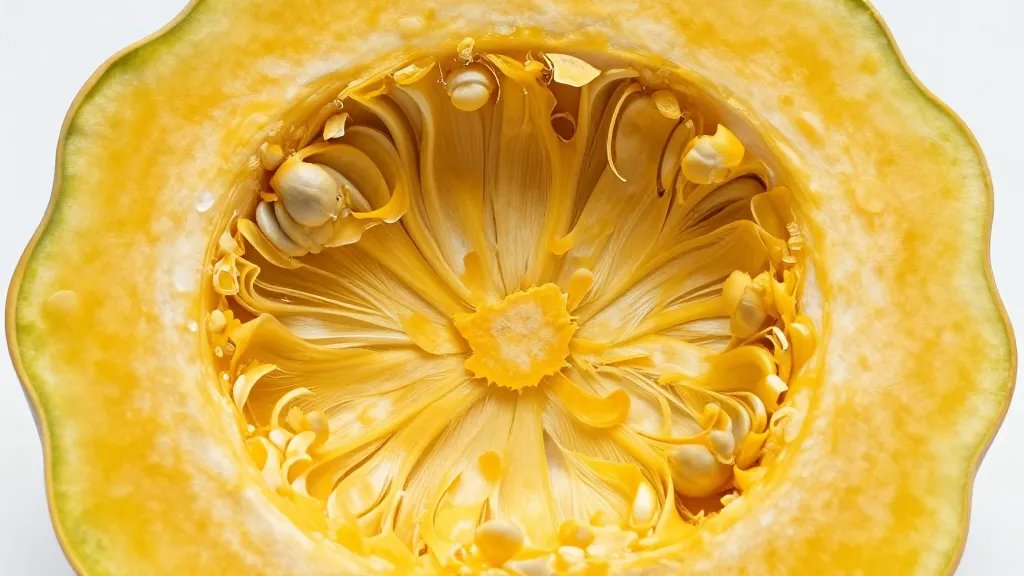
– Appearance matters. The petals around the edge aren’t just cute; they help protect the tender flesh inside as it cooks. They also make for fun, crisp edges when roasted.
– Texture brings a little more bite than you’d expect from summer squash. Not crunchy like a cucumber, not mushy like a overboiled pumpkin—just pleasantly firm.
– Flavor is mild and slightly sweet with a touch of grassy notes. Think zucchini vibes, but a touch more elegant and a lot more photogenic.
Different varieties you might meet
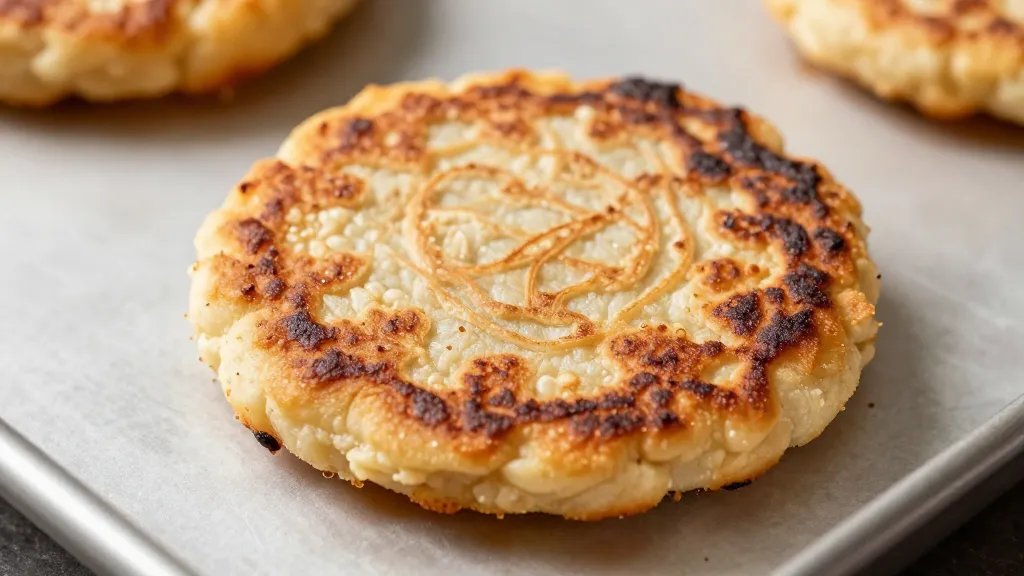
Patty pan comes in a few shapes and colors, and yes, you can mix them up in recipes without breaking the dish.
– Saucer-shaped (classic green): The original party-starter. Easy to find in most markets.
– Snowball type (white or pale): A bit more compact, with a delicate sweetness.
– Yellow or gold patty pans: Sunshine in a veggie form—slightly sweeter and pretty on a plate.
– Mini or baby patty pans: Great for roasting whole and popping into salads like little flavor bombs.
How to cook patty pan: quick-start guide
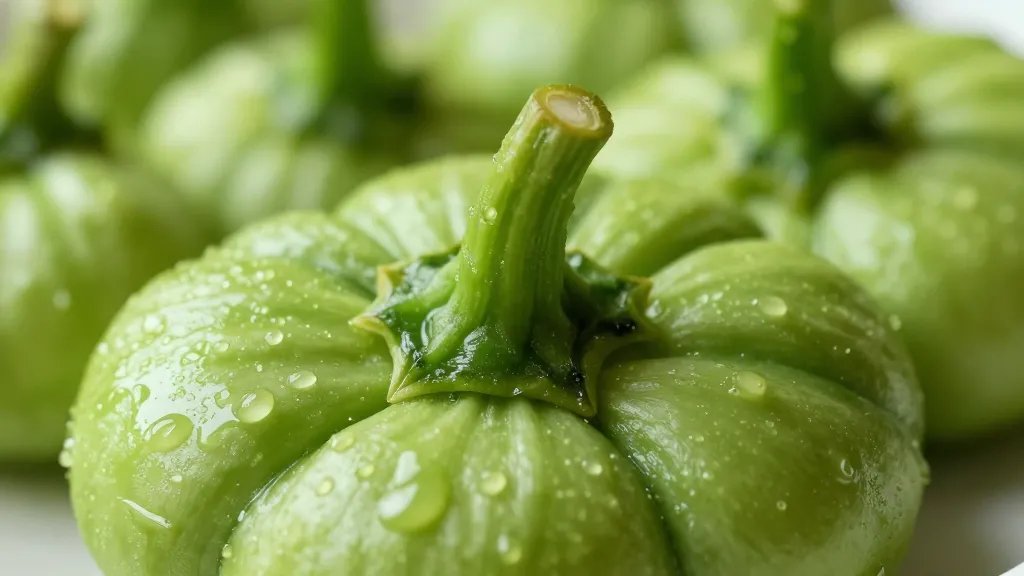
– Roasting is your easiest default. Slice into thick crescents or little moons, toss with olive oil, salt, pepper, and maybe a squeeze of lemon. Roast at 425°F (220°C) for 12-15 minutes until edges crisp and centers glow.
– Sauté or pan-fry for a weeknight-friendly option. Cut into half-moons, cook in a hot skillet with a pat of butter or olive oil, and finish with a splash of garlic and herbs.
– Grill for smoky vibes. Slice into thick rings, brush with oil, grill a few minutes per side. Bonus: grill marks look dramatic on Instagram.
– Steam or simmer for softer, velvety textures. Great for mashing into a cozy veggie mash or mixing into soups.
Flavor boosters and pairing ideas
– Herbs lift patty pan with minimal effort: thyme, dill, mint, and parsley all work nicely.
– Aromatics like garlic, shallots, and a pinch of red pepper flakes add personality without overpowering the squash’s sweetness.
– Cheese and dairy options give creamy contrast: parmesan shavings, feta crumbles, or a splash of cream in a sauté.
– Acid brightens everything: a squeeze of lemon or a splash of balsamic glaze does wonders.
– Texture contrast with nuts or breadcrumbs: toasted almonds or breadcrumbs sprinkled on top bring a satisfying crunch.
Simple patty pan with lemon-garlic finish
– Slice patty pans into thick crescents.
– Sauté in olive oil with minced garlic until edges are caramelized.
– Finish with lemon zest, a squeeze of juice, salt, and pepper. Easy peasy.
Patty pan in different meals
– Roasted medley with cherry tomatoes, zucchini, and bell peppers. The patty pans hold their own without getting lost.
– Stews and curries add a soft bite when you drop them in near the end of cooking.
– Stuffed patty pans for a cute, meal-prep-friendly option. Scoop out a bit of the flesh, mix with mushrooms, quinoa, herbs, and bake.
– Salads served warm or cooled: roasted patty pan slices on top give color and substance.
Common mistakes and how to avoid them
– Overcooking makes patty pan mushy. Keep it crisp-tender and watch the clock.
– Under-seasoning hides that mild squash flavor. Don’t be shy with salt, pepper, and a splash of acid.
– Using the wrong size for the dish. For roasting, bite-size pieces work best; for grilling, thicker slices keep structure.
– Neglecting variety in recipes. Patty pan shines with a bright herb, punchy garlic, or a tangy cheese.
Substitution ideas if you don’t have patty pan
– Zucchini or yellow squash works in a pinch, but keep an eye on cooking time since they’re a touch quicker to soften.
– Bell peppers stuffed with the same fillings vibe well with patty pan’s mild flavor, especially when you want something that looks playful on the plate.
Growing your own patty pans
– They’re relatively forgiving for home gardeners, with the classic patrol of green or yellow shells. They like warm weather and compost-rich soil.
– Start seeds outdoors after the last frost, and give them room to spread. A trellis can help with climbing varieties if you’ve got the space.
– Harvest when they’re about the size of a baseball to keep flavor vibrant and texture nice. Tiny ones are extra tender, FYI.
Patty pan garden tips
– Water consistently but don’t drown them. Patties enjoy even moisture.
– Mulch to keep roots cool and reduce weeds. Your future self will thank you when you’re harvesting with ease.
– Rotate crops to avoid disease and keep soil happy.
FAQ
Is patty pan the same as zucchini?
Patty pan is a type of squash, and it shares a family with zucchini, but it’s not identical. Patty pans have a flattened, scalloped shape and a slightly sweeter, firmer flesh. Zucchini tends to be longer and more cylindrical with a milder, waterier bite when raw.
What’s the best way to store patty pans?
Store them in the crisper drawer of your fridge in a breathable bag or wrapped loosely in a cloth. They’re best used within a few days for peak flavor and texture.
How do you know when patty pans are fresh?
Fresh patty pans feel firm with crisp edges and no soft spots. They should smell like mild, fresh squash—not marshmallow-sweet or off-putting.
Can patty pans be eaten raw?
Yes, you can eat them raw in salads or quick slaws. They’ll be crisp and subtly sweet, but most people prefer them cooked to bring out deeper flavors and a tender texture.
What about baby patty pans—are they tastier?
Tiny ones are sweeter and have a tender bite that many people love. They’re perfect for roasting whole or adding to stews for a milder squash pop.
Conclusion
Patty pan is the friendly, dependable squash that brings color, texture, and a touch of whimsy to your plate.
It’s versatile enough to star in a fancy roast or crash a weeknight skillet without drama. So next time you see a patty pan, grab a few.
Your taste buds will thank you with a victorious crunch and a bright, sunny finish. IMO, patty pans deserve a little more love in our kitchens.
FYI, once you start cooking with them, you’ll wonder why you waited so long.


