

Can You Bake in a Glass Pan Without Messy Surprises

The question has a pretty simple answer: yes, you can bake in a glass pan.
And no, it doesn’t automatically ruin your dessert or turn your kitchen into a glass-smashing scene.
With a few tricks, glass baking runs are smooth, reliable, and kinda satisfying to look at when you pull that perfectly baked edge.
Why glass pans are worth it (even if you’re wary)
Glass pans heat more evenly than metal, which means fewer surprise hotspots and more consistent browning.
They also show you exactly how the edges are doing—no peeking under a foil hat to guess if it’s done. But they aren’t magic.
You still need to respect their quirks, especially the way glass stores and radiates heat.
FYI, a glass pan that’s cold coming out of the fridge behaves differently than a warm one that’s been sitting on the counter.
What you can bake in a glass pan
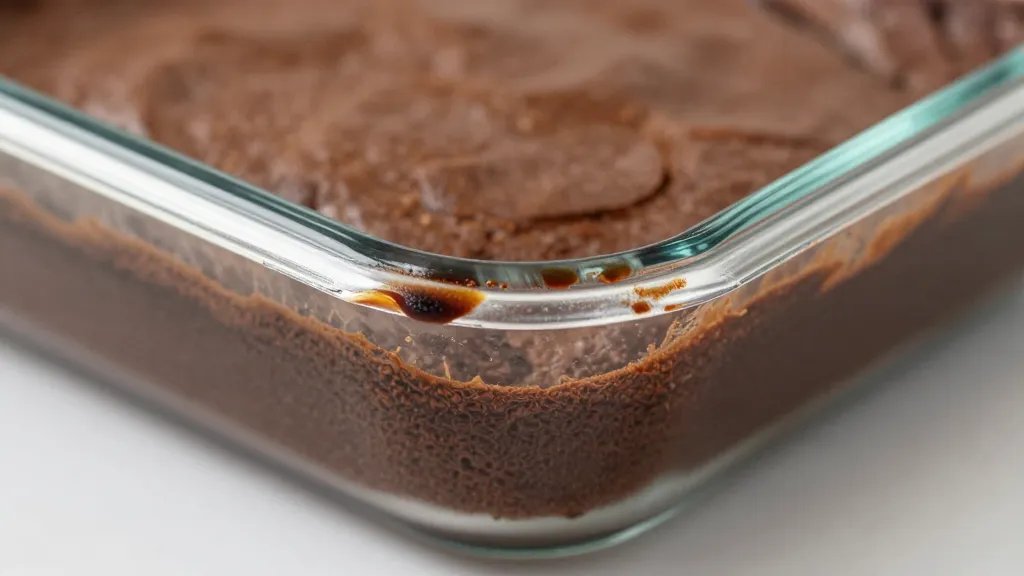
- Brownies, blondies, and bars that want a sharp, clean edge
- Cakes, especially layer cakes and sheet cakes
- Casseroles, lasagnas, and baked pasta dishes
- Fruit crisps and cobblers that love even heat
Bottom line: glass is versatile, but respect its timing and temp rules, and it won’t let you down.
Temperature twins: glass vs metal
Most glass pans are labeled for 350–375°F for many recipes, but not all. The big thing to know: glass heats up more slowly but retains heat longer. That means:
- Start lower or bake a bit longer if you’re switching from metal to glass in the same recipe.
- Check for doneness a touch earlier or later than you normally would with metal. Your toothpick might come out with a few crumbs—totally fine for bars, not so much for cakes.
- Always preheat your oven if the recipe says so. You’ll avoid a cold start that punishes glass. No one wants a soggy bottom.
Prepping your glass pan like a pro
Prep is half the battle. You don’t want a clingy escape artist sticking to the sides. Try these:
- Butter or oil the pan, then dust with flour for cakes and bars. Or line with parchment for easy release.
- For casseroles, a light spray and a pinch of breadcrumbs can help the edges crisp up nicely.
- Don’t plunge a cold dish into a hot oven. Give the pan a minute to warm and you’ll avoid shocking the glass and cracking it.
How to tell when it’s done (without guessing forever)
Glass makes it easy to peek, but you still need a plan. Here’s a practical checklist:
- Look for a golden edge or a slight pull-away from the sides for cakes and brownies.
- Insert a toothpick in the center—no wet batter, a few crumbs are okay for brownies.
- Gently jiggle the pan; if the center wobbles like Jell-O, it needs more time.
- Let it rest in the pan for 5–10 minutes, then transfer to a rack. Residual heat keeps baking, but you don’t want it to overbake.
Camping kitchen tip: cling-free release
If you’re worried about sticking, try a quick trick: line the pan with parchment, then a thin coat of nonstick spray. The parchment makes it a breeze to lift out, especially for bars. FYI, this is a good move for delicate cakes too.
Common pitfalls and how to dodge them
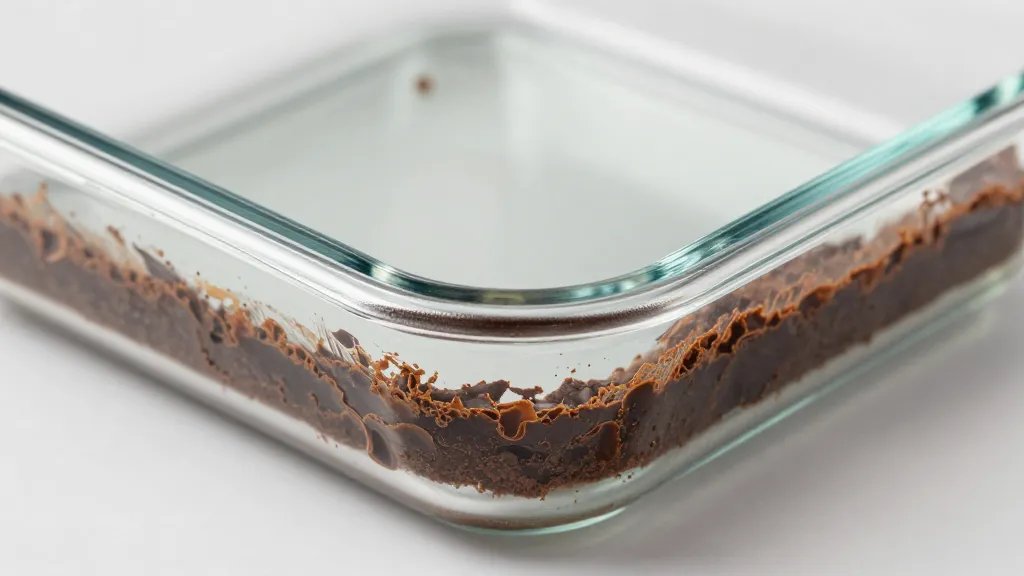
No one wants a baking disaster to crash the party. Here are the usual suspects and the fixes:
- Cracking edges: This usually happens if the pan is too hot when you pour in cold batter. Let the pan come to room temp, or temper the batter by letting it sit a bit after mixing.
- Uneven browning: Glass can exaggerate color differences. Rotate your pan halfway through baking to promote even heat distribution.
- Soggy bottoms: Preheating helps, but you might also need a slightly higher oven rack position or a thinner batter in a large pan.
Substituting sizes and shapes—when it’s okay and when it isn’t
Baking in a glass pan isn’t a one-size-fits-all situation. If you swap a 9×13 metal pan for a glass one, you’ll typically need to:
- Increase the bake time a bit and check with a toothpick often.
- Reduce the oven temperature by 25°F if your recipe doesn’t already call for it, to prevent overbrowning.
- Be mindful of batter depth. Glass pans can cause a thicker dish to bake unevenly if the batter is too deep for the pan’s size.
If you’re unsure, start with a shorter bake time and monitor. You can always extend, but you can’t undo an overbaked cake without a fresh batch.
Small pan, big results: tweaking for depth
For deeper recipes like a tall cake, consider using two glass pans or a combo of glass and metal to balance heat. The goal is to avoid a burned top while the middle stays underdone. IMO, a test run with a familiar recipe helps you dial in the exact times for your oven and pan.
Cleaning and keeping glass happy long-term
Glass pans clean up nicely, but you still want to keep them in mint condition. A few tips:
- Allow the pan to cool before washing. Sudden temperature shifts can stress glass. No, your future self will not thank you for trying to rush to the sink with hot air when you just pulled a hot casserole.
- Use warm soapy water and a non-abrasive sponge. Avoid metal scrubbers, which can scratch the surface.
- For stubborn stains, a paste of baking soda and water works wonders. Let it sit, then scrub gently.
Bottom line: is glass the right tool for you?
If you love simple, elegant presentation and you want good heat distribution with a window into what’s happening inside, glass pans are your friend.
They’re forgiving in some ways and precise in others, which makes cooking feel like a tiny, delicious science experiment.
So yes, you can bake in a glass pan—and you’ll probably enjoy the process as much as the result.
Conclusion
Baking in glass isn’t about spectacle; it’s about control. You get even heat, a clear view of progress, and a pan that cleans up nicely when you’re done.
With the tips above, you’ll amp up your confidence and probably your dessert game too.
So pick a recipe, grab a glass pan, and bake like you’ve done this a hundred times before—because you have, in spirit.
FAQ
Can I bake anything in a glass pan?
Most things work, especially brownies, cakes, casseroles, and fruit crisps. If the recipe depends on heavy metal heat directly, you might need adjustments. When in doubt, check for baking time tweaks or start with a tried-and-true glass-friendly recipe.
Do I need to change the temperature when baking in glass?
Usually yes. Lower the oven by about 25°F (15°C) than you would with metal pans, especially for cakes and delicate bakes. Glass retains heat, so adjust time accordingly and monitor closely.
How can I tell if a glass pan is safe for the oven?
Look for temperature ratings on the bottom or packaging. Most non-toxic borosilicate glass pans are safe up to 450–500°F (230–260°C), but always verify your specific pan’s guidelines.
Any tips for easy release?
Line with parchment, grease generously, and let baked goods cool a bit before slicing or lifting. For bars and brownies, parchment makes life so much easier when you’re ready to lift and slice.
What about cleaning hard-to-remove stains?
Make a paste of baking soda and water, apply to the stained area, and let sit before scrubbing gently. A little lemon juice can help with mineral buildup. FYI, never use abrasive cleaners that could scratch the glass.


