

Are Calphalon Pans Dishwasher Safe: Quick Guide

Are Calphalon pans dishwasher safe? Short answer: it depends on the pan.
Long answer: yes in many cases, but some lines—like nonstick coatings—prefer a gentler touch.
So if you’re rinsing with a smirk and a sponge, you’ll likely survive the dishwasher.
If you’re trying to turn every dishwashing cycle into a science experiment, you’ll want to read on.
What makes Calphalon pans dishwasher friendly—or not
Calphalon has a wide range of cookware, from nonstick to stainless steel to hard-anodized.
The dishwasher question isn’t one-size-fits-all. Some pieces are meant to brave the cycle, while others should skip the heat and detergents for longevity.
In short: think of your pan like a pet hamster—some love the spin cycle, some don’t.
– Nonstick pans: many are labeled dishwasher safe, but repeated high-heat washing can wear coatings faster.
– Stainless steel: usually tough enough for the dishwasher, with the right care.
– Hard-anodized: often dishwasher safe, but some delicate finishes benefit from hand washing.
- Always check the label
- Consider your dishwasher’s heat and detergent
- Balance convenience with longevity
Nonstick: the tricky part of the equation
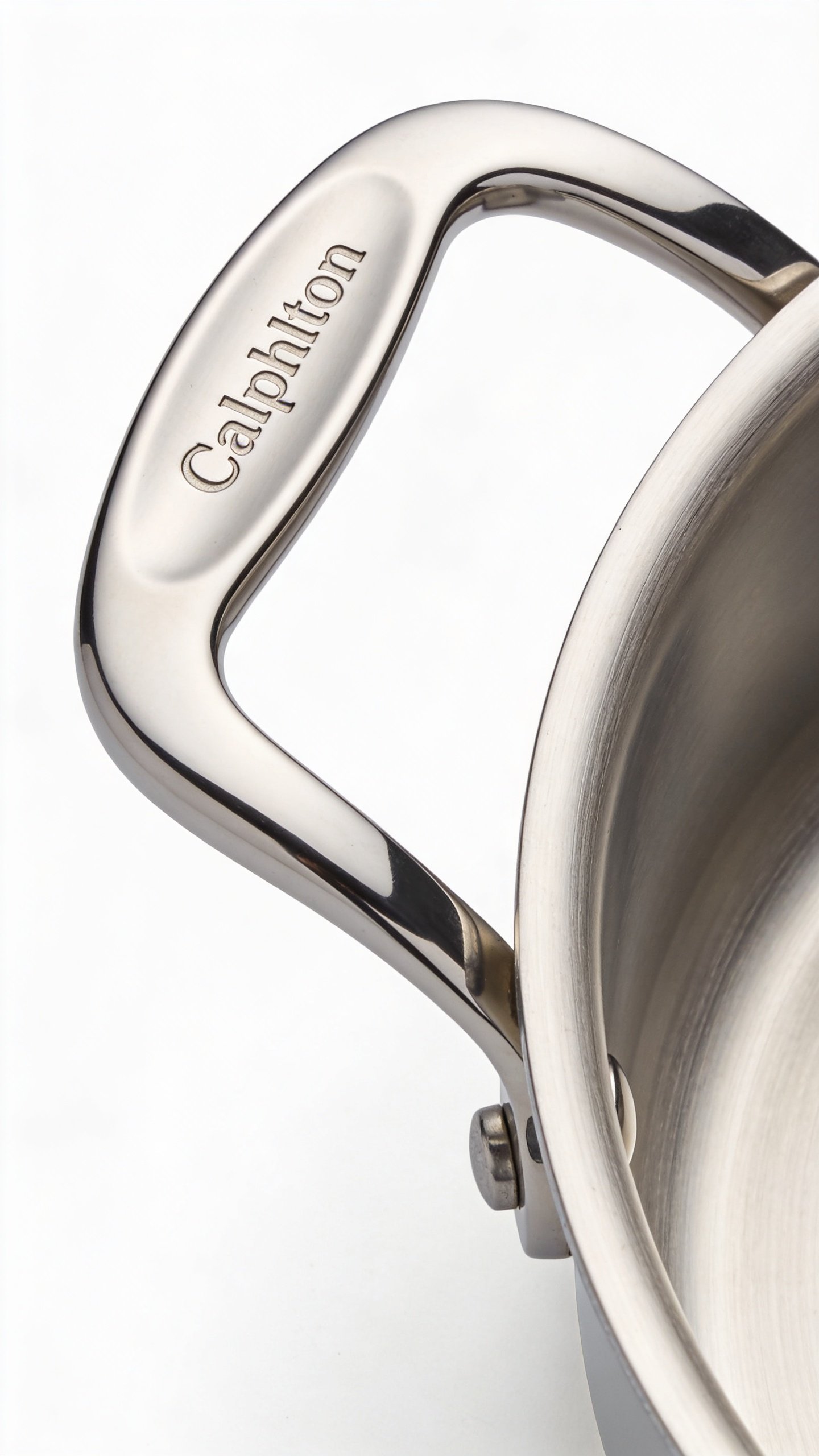
Nonstick Calphalon pans are a crowd favorite for easy cleanups. But the coating isn’t invincible, and harsh cycles can shorten their life.
FYI: manufacturers often suggest hand washing to preserve the nonstick layer.
– Thanks to modern coatings, many Calphalon nonstick pans tolerate dishwasher washing, but repeated trips through the rack on heavy cycles can dull the slick surface.
– If you do run them in the dishwasher, place the pan in a way that doesn’t bang against metal racks. Protect the coating with soft meal neighbors—no metal utensils in there, either.
How to maximize lifespan if you still dishwasher-wash
– Use a gentle or light cycle and lukewarm water if your dishwasher offers it.
– Skip abrasive detergents; go for a mild one.
– Allow the pan to cool before loading; sudden temperature shifts aren’t friends with coatings.
Stainless steel and hard-anodized: tougher cookies
If you own Calphalon stainless or hard-anodized, you’re probably wondering whether the dishwasher is your best friend or a frenemy.
The good news: these materials are generally dishwasher safe and can handle regular cycles.
The caveat? Adheres to a simple rule: avoid leaving water spots or mineral buildup by drying promptly.
– Stainless steel: handles heat, acids, and the dishwasher unit. It can develop discoloration with hard water, but that’s mostly cosmetic and reversible with a wipe-down.
– Hard-anodized: often dishwasher safe, but if your pan has a delicate exterior coating or nonstick surface on a hybrid model, treat it with the same nonstick guidelines.
- Trust the manufacturer’s guidance
- Dry promptly to avoid water spots
- Inspect seals and handles after a wash
What about lids, handles, and accessories?
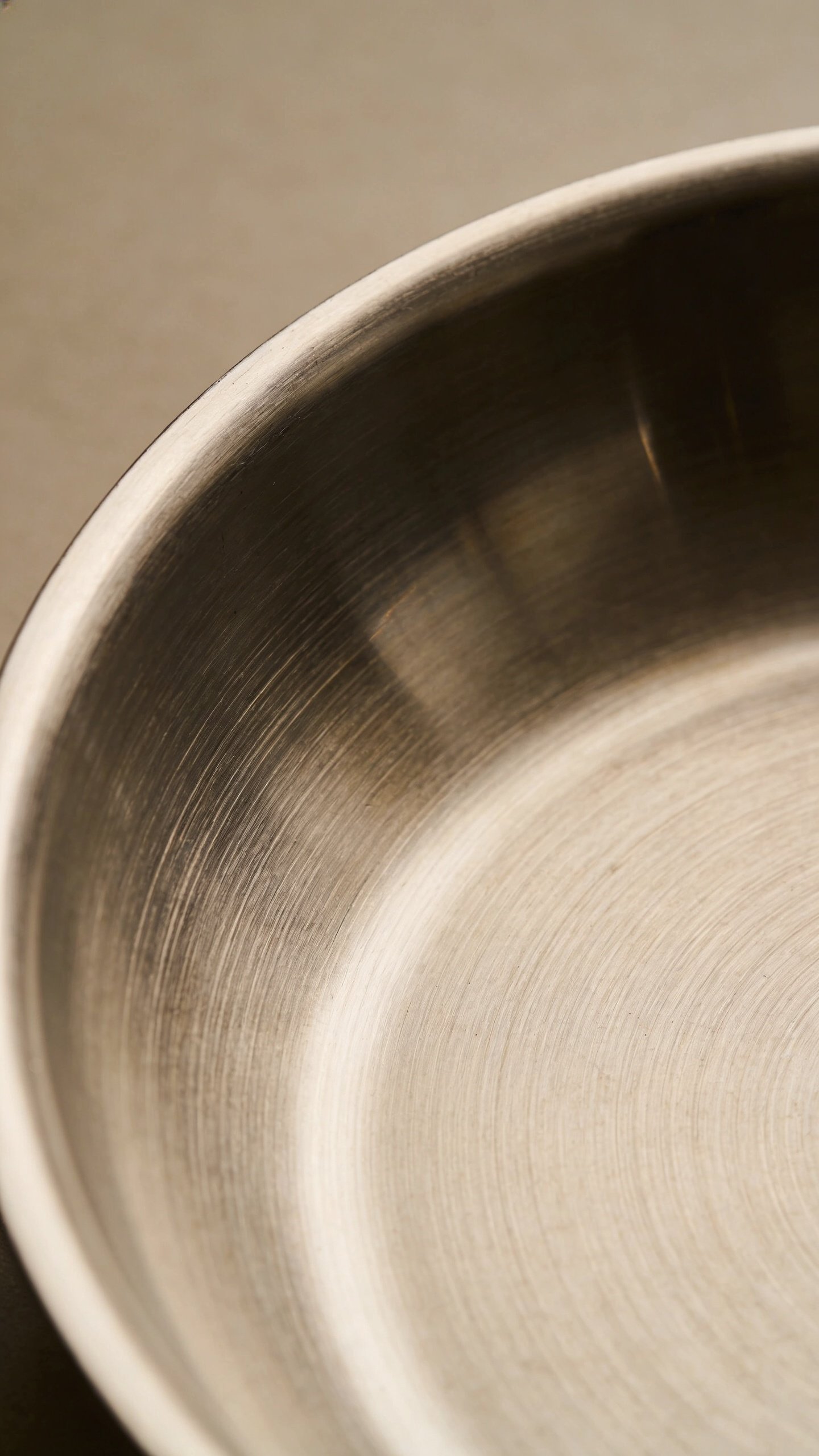
Lids and handles aren’t just afterthoughts; they’re what keep your Calphalon cookware functional. Some lids, especially glass ones, can tolerate dishwasher cycles, while others may loosen or accumulate foggy residue. Handles can also vary in material—some stay cool while others can loosen if exposed to repetitive high heat.
– Glass lids: usually dishwasher safe, but check for warping or rustic hinges in older models.
– Knobs and rivets: some are dishwasher safe, some benefit from hand washing to preserve tightness.
– Silicone gaskets, if any: these may wear faster in a dishwasher, especially on high-heat cycles.
Pro tip for lids
If your lid isn’t labeled dishwasher safe, or you’re unsure, hand wash it the first few times to gauge how it copes with heat and detergent.
You’ll thank yourself later.
Myth-busting: the dishwasher will ruin your Calphalon… right?
There’s a lot of chatter about dishwashers turning pans into sad, dull hunks of metal.
The truth: most Calphalon pieces survive dishwasher cycles just fine, but you might trade some cosmetic appeal or coating longevity for convenience.
– Dulling and discoloration: possible on some surfaces with frequent dishwasher use, especially in hard water areas.
– Coating wear: nonstick coatings can start to show wear sooner with aggressive cycles.
– Hardware wear: screws, rivets, and handles can loosen over time if repeatedly exposed to heat cycles.
- Understand that “dishwasher safe” doesn’t guarantee forever
- Weigh the trade-offs: convenience vs. long-term appearance
How to clean Calphalon pans in the dishwasher without drama
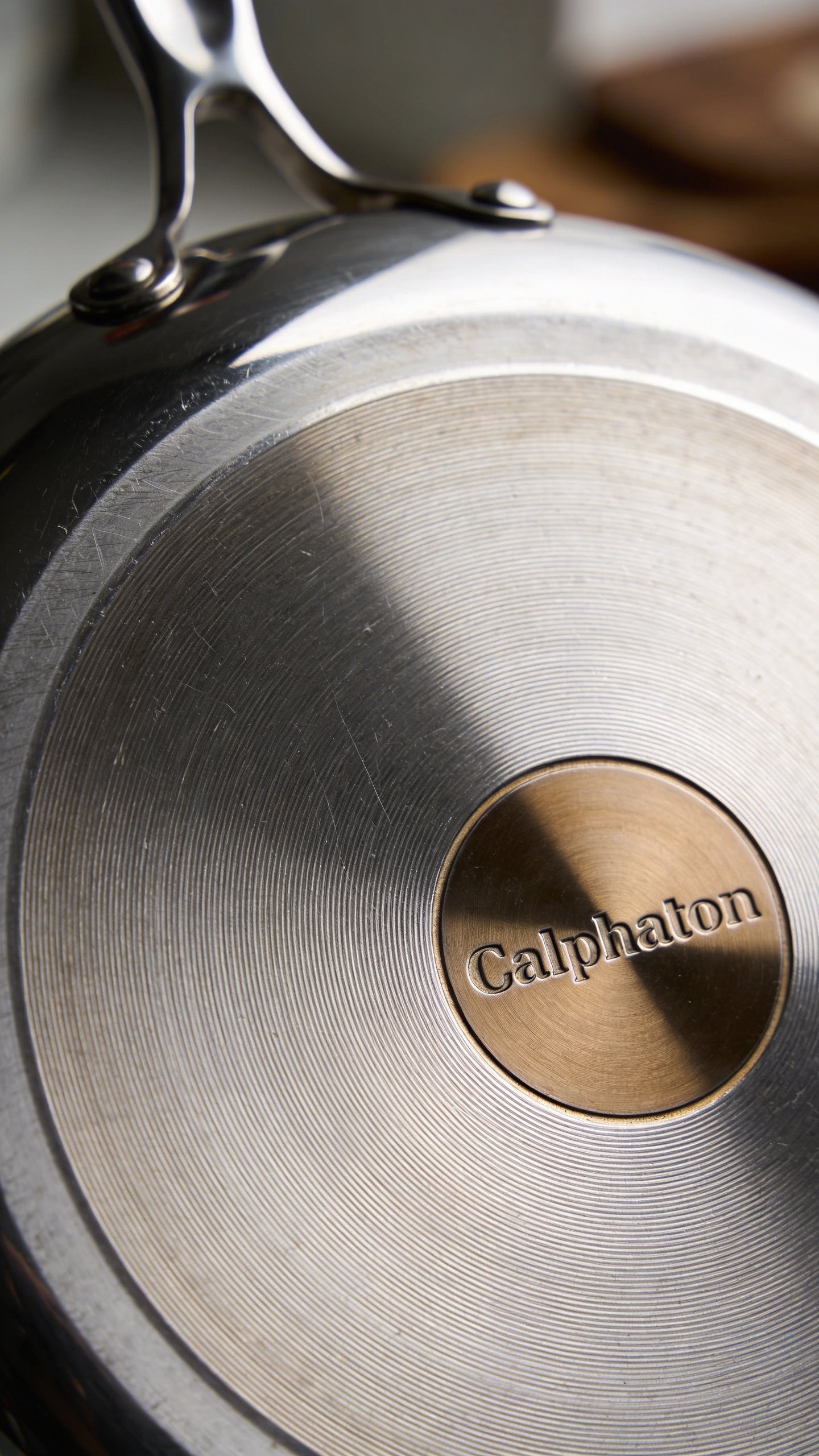
If you decide to go dishwasher-only for certain pans, here’s a quick, practical routine to minimize drama in the racks.
– Pre-scrape and rinse: remove big bits, rinse under lukewarm water to reduce stuck-on grime.
– Separate nonstick from metal: avoid stacking nonstick directly on metal if space is tight—this reduces friction damage.
– Use the right cycle: choose a gentle or normal cycle with a mild detergent.
– Dry promptly: towel dry or use a low heat dry cycle to reduce water spots.
Hand-wash backup plan
If you want to preserve coatings and hardware, hand-washing remains the gold standard. Use warm water, a soft sponge, and mild dish soap.
Dry right away, especially if you have mineral-rich water.
Bottom line: should you skip the dishwasher?
If you’re chasing maximum longevity of your Calphalon set, hand washing is a smart default.
If you’re not worried about the occasional coating wear or cosmetic discoloration and you love the convenience, dishwasher use is fine for many pieces.
– Do: consult the specific product care label for your pan model.
– Do: use gentle cycles and mild detergents when you dishwasher-wash nonstick pieces.
– Do: hand wash if you’re new to a pan or the coating looks compromised.
Either way, you’ll get great cooking out of Calphalon—just pick your approach and stick to it.
Conclusion
Calphalon pans are not a one-size-fits-all cookware club.
Some are built to survive the dishwasher, some thank you with better longevity if you skip it.
The key is to know your exact pan type, follow the manufacturer’s care guidelines, and balance convenience with your long-term kitchen goals.
If you want my take: start with hand washing the nonstick and save the dishwasher for stainless and hard-anodized workhorses.
FYI, you’ll probably end up with a sweet compromise that keeps your cookware happy and your sink clutter-free.
FAQ
Are Calphalon nonstick pans safe in the dishwasher?
Nonstick Calphalon pans often tolerate dishwasher cycles, but repeated high-heat washing can wear the coating faster. If you value longevity, hand wash or use a gentle cycle with mild detergent.
Can I put Calphalon stainless steel pans in the dishwasher?
Yes. Stainless steel Calphalon pans generally handle dishwasher cycles well. Dry promptly to avoid water spots and check for any cosmetic discoloration.
Do dishwasher detergents damage Calphalon coatings?
Harsh detergents and abrasive powders can wear coatings over time, especially on nonstick surfaces. Use mild detergent and avoid abrasive scrubbers for best results.
Should I wash Calphalon lids in the dishwasher?
Lids vary by model. Glass lids are usually dishwasher safe, but check the label. Lids with delicate hardware or silicone gaskets may benefit from hand washing.
What’s the best way to clean Calphalon pans if I don’t use the dishwasher?
Hand wash with warm water, mild dish soap, and a soft sponge. Dry immediately. For stubborn residues, soak briefly and then wash—no harsh scrubbing.
Is it okay to mix dishwasher-washed and hand-washed Calphalon in the same set?
Totally fine. Just be mindful of any wear differences developing over time and keep an eye on the nonstick surfaces if you alternate care methods frequently.


