

What Can You Use Instead of a Bundt Pan and Wow Your Bake

You don’t need a fancy Bundt pan to get a gorgeous, bakery-approved finish.
Whether you’re whipping up a classic bundt cake and realized your pan is MIA, or you just want to mix up the presentation, you’ve got plenty of options.
Let’s explore easy, practical substitutes that won’t wreck your dessert dreams.
Why the Bundt pan gets all the glory—and when you should improvise
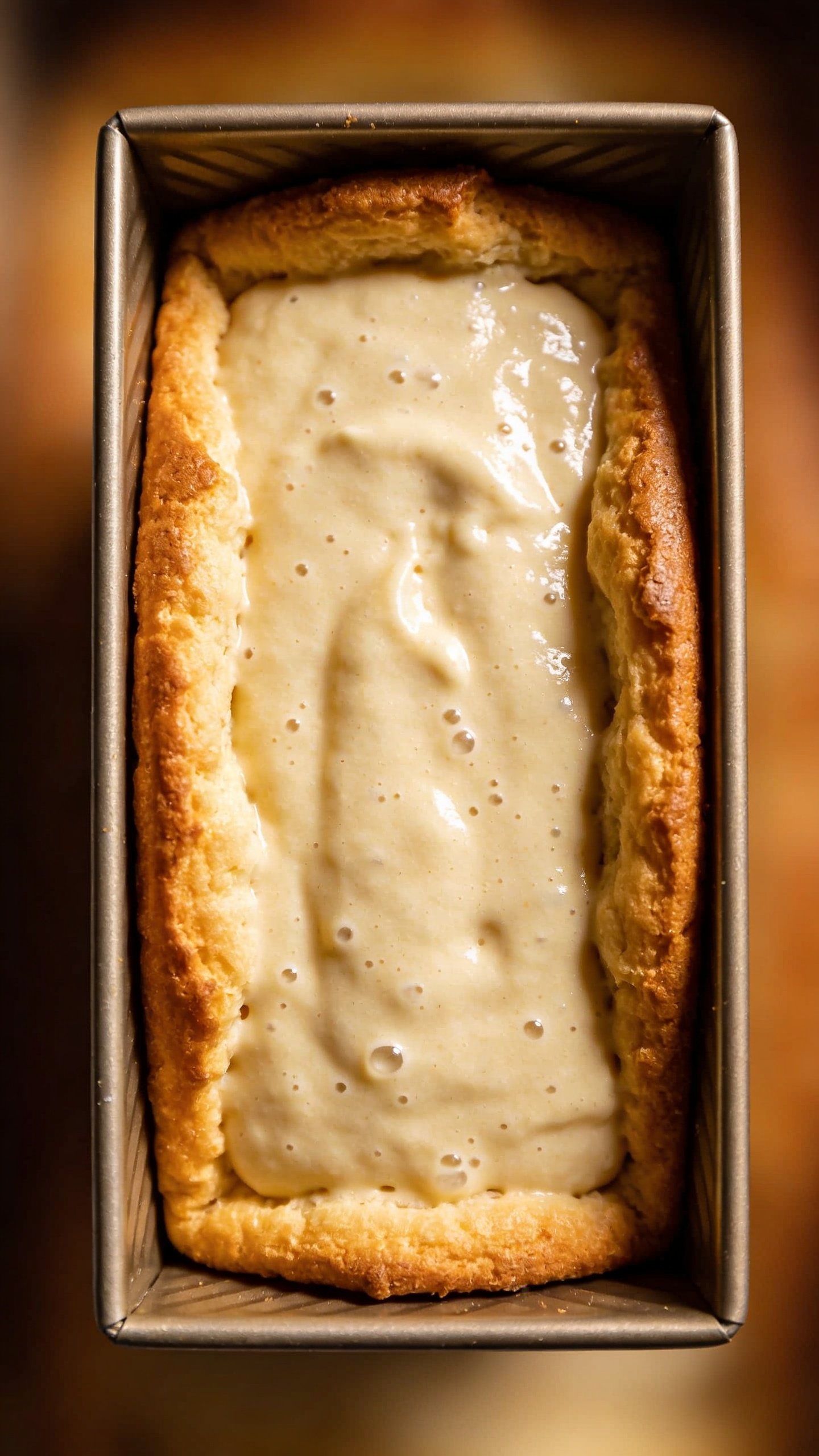
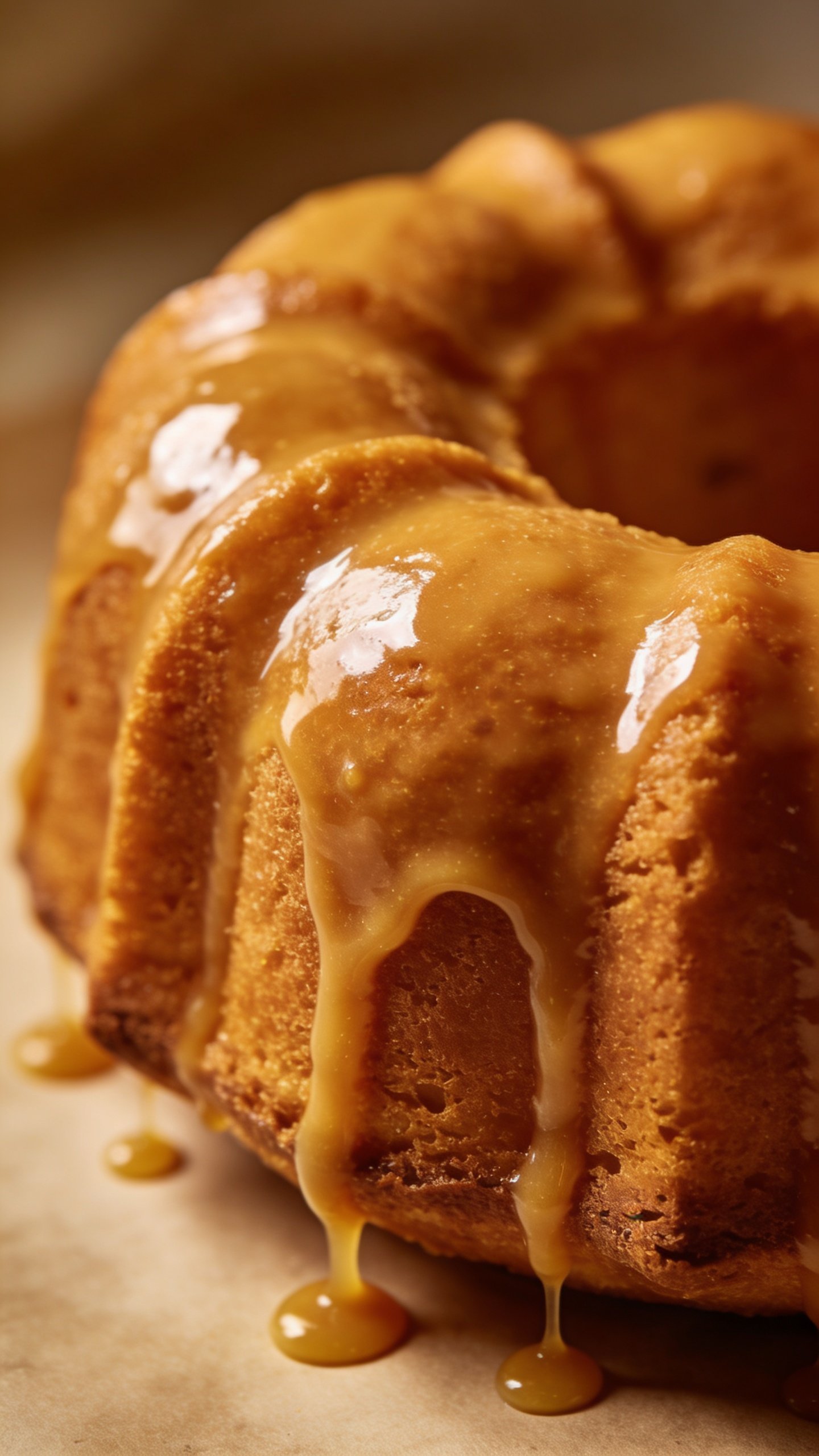
You love the look of those perfectly fluted edges, right? Bundt pans give baked goods a dramatic silhouette with minimal effort.
But not every recipe needs that exact shape to shine.
Some cakes bake faster in a loaf pan, others benefit from a round cake’s even heat.
When you’re missing a Bundt, ask yourself: Do I care about the look or the texture?
If you care mostly about taste, you’re already halfway there.
The trusty loaf pan: simple, reliable, versatile
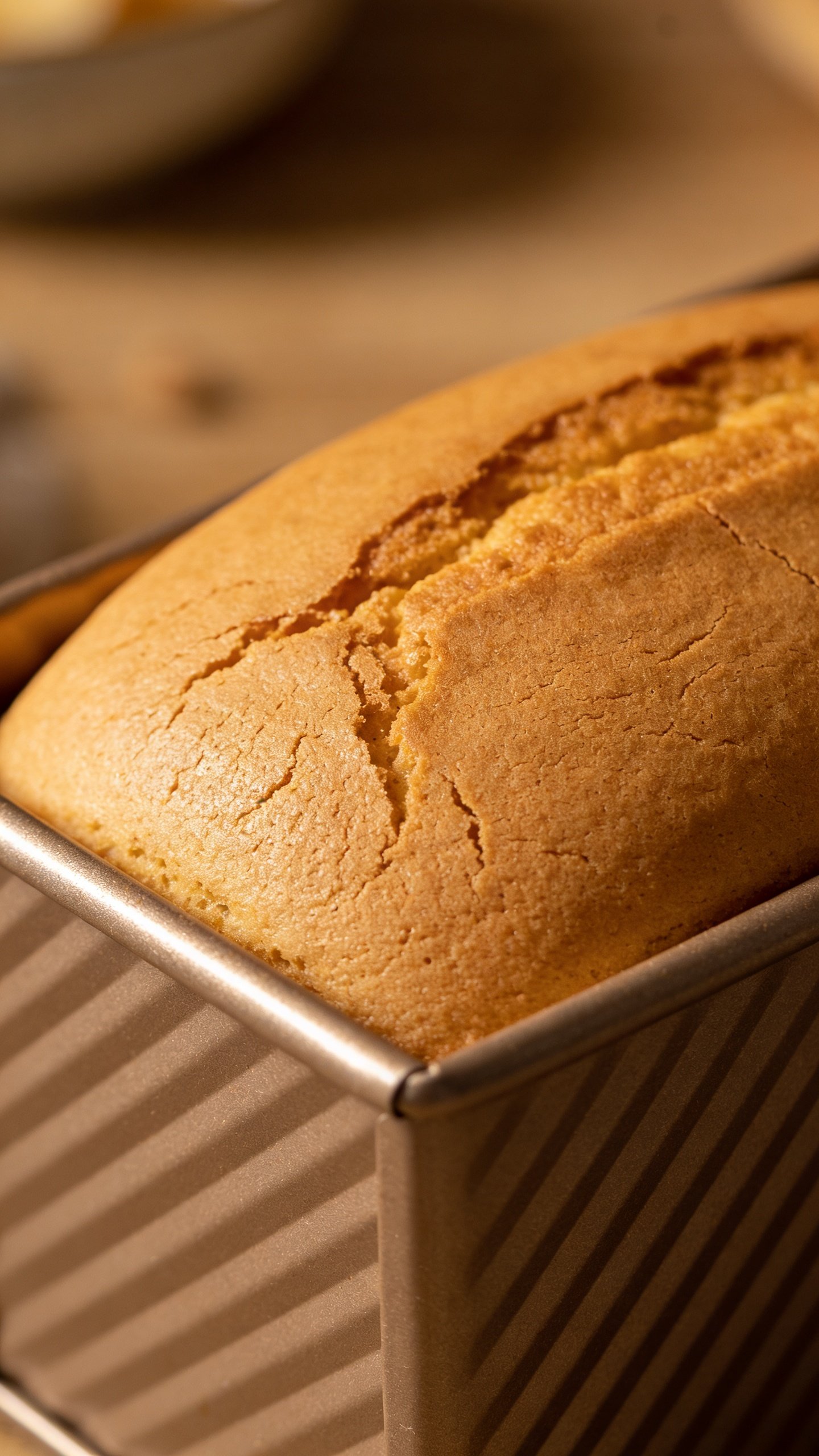
Loaf pans are the bread-and-butter of substitutions. They’re ubiquitous, affordable, and forgiving.
- Size matters: A standard 9×5 inch loaf pan works for many cakes and quick breads. If your batter is on the runny side, go with a deeper loaf pan to prevent overflow.
- Texture trade-offs: Expect a straighter sides and a slightly denser crumb. That’s not a bad thing—it can be super tasty with citrus loaves or chocolate varieties.
- Uneven rise trick: If the batter bulges in the center, give it a gentle tap on the counter and rotate halfway through baking for a more even top.
Tips for loaf-pan success
– Grease thoroughly or line with parchment for easy release.
– Fill only two-thirds to three-quarters full to avoid a messy overflow.
– Consider a quick glaze or icing to hide minor unevenness on top.
Springform pans: clean edges without the fuss
If you’re baking anything that’s moisture-rich or likely to stick, a springform can save your sanity. The removable sides mean you can slide a cake out without turning it into a demolition project.
- Perfect for marble and pound cakes: The straight sides show a neat, clean slice every time.
- Mind the base: Use parchment on the bottom or a silicone liner to prevent any seepage from ruining the outer crust.
- Watch the bake time: It may run a touch longer than a standard pan, so start checking earlier with a skewer.
Simple swaps within springform land
– For a ring-shaped Bundt vibe, use a 9-inch springform and bake at a slightly lower temperature to encourage even browning.
– If your recipe calls for a high-crumb cake, consider a deep-dish springform to avoid overflow.
Cast iron skillets: crusty edges and rustic charm
Cast iron isn’t just for stovetop sizzle—it delivers a gorgeous crust and unbeatable caramelization.
It’s also incredibly chill to work with once you’ve seasoned it.
- Heat distribution: Cast iron stays hot, so you’ll get a sturdy crust and an even bake.
- Size and shape: A 9-inch skillet provides a round, Bundt-like profile with rustic appeal.
- Care note: Avoid soaking; a quick wipe and light oil after cooling keeps it happy for decades.
Getting the most from cast iron
– Preheat the pan with a bit of butter or oil to prevent sticking.
– Use oven-safe desserts that benefit from a crisp edge, like coffee cake or fruit-topped cakes.
– Let it cool in the pan for a few minutes before inverting—this is where the magic happens.
Rimmed cake pans and sheet-pan geometry
If you’re chasing a flatter, evenly baked cake, a standard rimmed cake pan or even a sheet pan can do the trick.
These are especially handy for sheet cakes, clafoutis, and layered desserts.
- Rimmed cake pans give you slightly taller sides than a standard cake pan, which helps with taller layering without overflowing.
- Sheet pan versatility shines for sheet cakes, bars, or thin cakes that bake quickly and slice easily.
- Careful with levelness: Make sure your oven rack is level; a tilted bake makes one edge dry and the other soggy.
Turn-and-bake tricks
– For an even top, rotate the pan halfway through baking.
– If you don’t have a rack, place the pan on a lower oven shelf and use a baking stone to even out heat.
– When in doubt, bake at a slightly lower temperature a bit longer for a gentle rise.
Mini pans: bite-sized Bundt, big personality
Mini baking is having a moment, and it translates beautifully when you’re missing a Bundt pan.
Mini loaf pans, mini bundt molds, or even silicone minis can create charming, portion-perfect desserts.
- Portion control: Tiny cakes are easier to portion for parties or meal-prep desserts.
- Texture variability: Smaller batches heat through faster, so you can experiment with fillings and glazes without guilt.
- Cleanup win: Silicone minis are a breeze to release and wash.
Mini substitute ideas
– Bake a mini lemon poppy seed bundt-inspired loaf in two 4×6 inch pans.
– Try a silicone mini bundt mold for a quick-bite marble cake and a fancy dusting of powdered sugar.
<h2 Materials and tricks: when to grease, line, or dust
No matter which vessel you choose, the success hinges on proper prep. Here are quick, practical rules.
- Grease and flour still rules for most pans. If you’re anxious, go with parchment rounds for easy release.
- Oil vs butter: Oil tends to release more cleanly; butter adds flavor but can brown faster.
- Flour dusting: A light dusting of flour plus parchment is your best friend for cakes that plait or breathe a little.
Special cases: chocolate, fruit, and delicate batters
– Chocolate cakes love a light dusting of cocoa powder instead of flour to avoid pale, off-color patches.
– Fruit batters benefit from a bit of cornstarch in the mix to keep them from sinking.
– Delicate sponge or genoise batters might need a gentler pan—metal can be rough on the lift unless you’re careful with greasing.
<h2 The bottom line: choose based on mood, not just form
If you want drama, aim for a Bundt-like shape, but if you want texture, go for a loaf or cast iron.
FYI, you can often achieve a similar visual effect with a simple glaze, a decorative dusting, or a bright fruit topping.
The shape is cool, but the flavor is what people talk about after the party.
Conclusion
You don’t need a dedicated Bundt pan to bake something stunning.
A loaf pan, springform, cast iron skillet, rimmed cake pan, or even mini molds can deliver delicious results with their own unique charm.
So next time you’re missing a Bundt or just want to mix it up, pick a substitute that matches the texture you crave, and let creativity take the wheel.
Happy baking, friend—your oven has options, and so do you.
FAQ
Can I use a loaf pan for a Bundt cake batter without adjusting the recipe?
Batter density and rising behave differently in a loaf pan. You’ll usually want to reduce bake time and check earlier with a toothpick. If the batter is thick, you might need to bake a touch longer. Start with the same temperature, but monitor closely.
Will a cake release from a cast iron pan?
Yes, if you season the pan well and grease it before pouring in the batter.
Let the cake cool a bit, then loosen the edges with a spatula and invert carefully. You’ll get a rustic, satisfyingly crisp crust.
Are silicone molds good substitutes for Bundt pans?
Absolutely. Silicone makes removal a breeze and buys you flexibility in shapes.
Just keep an eye on bake times, as silicone can take a tad longer to set in some cases.
What’s the best way to prevent sticking in any of these substitutes?
Line with parchment, grease generously, and dust with flour or cocoa powder depending on the batter.
For fruit-heavy batters, a touch of cornstarch can help prevent sinking and sticking.
Do I need to adjust temperatures for these substitutes?
Often, you’ll bake at the same temperature, but you may need to check a bit earlier or extend the time slightly with some pans.
Cast iron can stay hot longer, so you might see a deeper crust before the center finishes.
Keep an eye on things and use a skewer to test doneness.


