

Greenpan Vs Greenlife: Which Cookware Lasts Longer

GreenPan vs GreenLife guide, we break down the key differences to help you choose the best option for your kitchen.
From stovetop battles to clean-living glory, greenpan and greenlife are two names that keep popping up.
They both promise healthier cooking and less eco-guilt, but which one actually earns the bragging rights?
Spoiler: there’s nuance, not a magic wand. Let’s break it down without the hype and with plenty of real-world vibes.
What these brands actually stand for
Two brands, similar vibes, very different histories.
GreenPan popularized ceramic nonstick coatings and a mission toward PTFE-free cooking.
Think: easier cleanup, less oil, and a bright-green branding that screams “eco-friendly” even on a coffee mug.
GreenLife, a sibling in the same family, tends to emphasize affordability and accessibility while leaning on ceramic-infused coatings and bright colorways.
They’re not pretending to be pure health gurus; they’re selling practical cookware for everyday cooks who want to dodge the Teflon drama without breaking the bank.
- Coatings and safety: what’s actually on the surface?
- Performance at the stove: does color matter?
- Durability and care: how long will these last?
- Price and value: is one a better deal long-term?
- Style and feel: does it inspire you to cook more?
Coatings and safety: what’s actually on the surface?
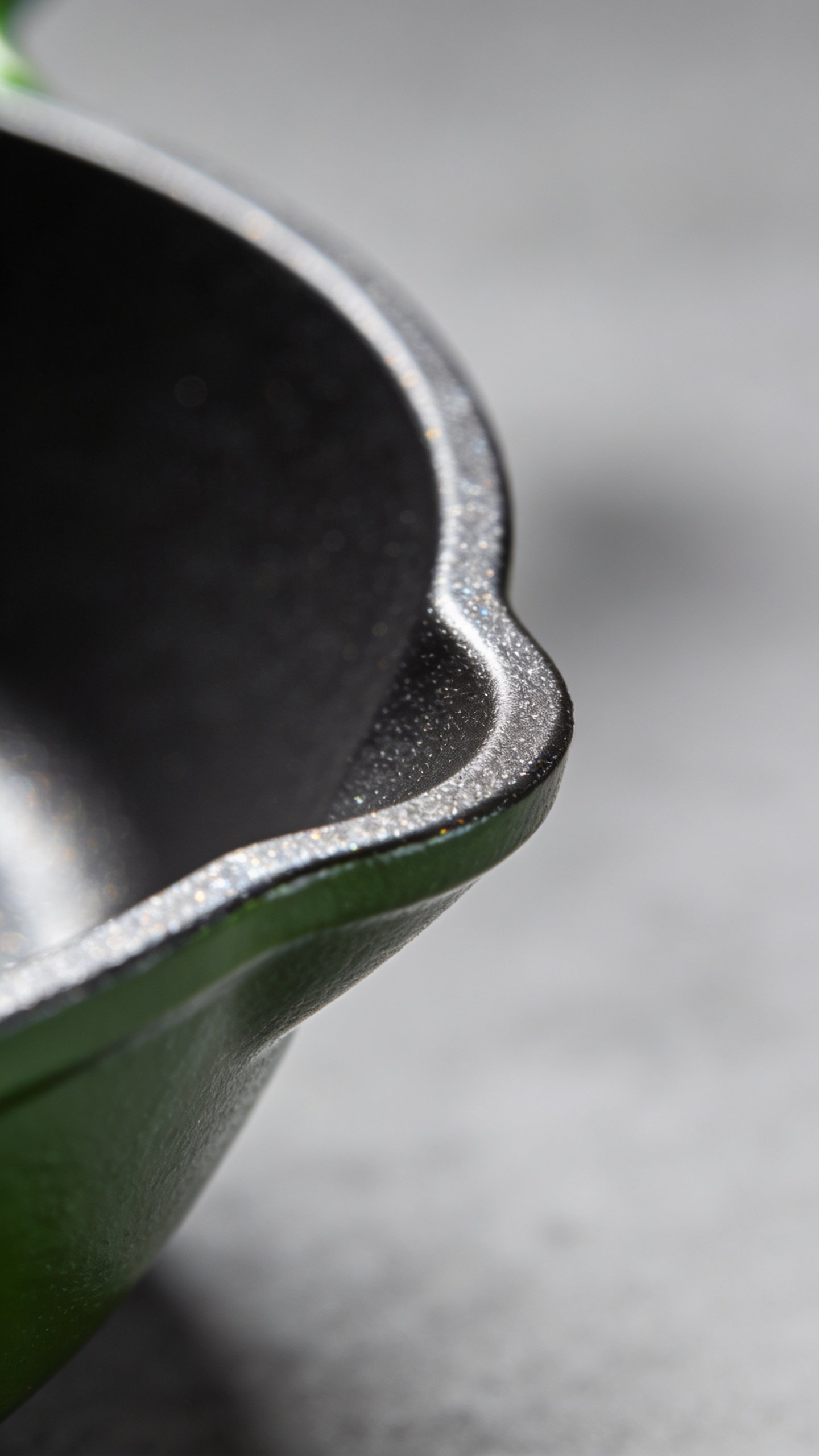
If you’re allergic to jargon, this is where you’ll want the straight answer. Both brands lean on ceramic-based coatings rather than older-gen Teflon, which many folks interpret as safer. But the details matter.
– GreenPan typically uses a polymer-based ceramic coating that’s PTFE and PFOA-free. That’s a mouthful, but it translates to less risk of fumes if you overheat a pan.
– GreenLife also touts ceramic nonstick, often with similar PTFE/PFOA-free assurances. Some lines use “thermo-ceramic” or “turquoise ceramic” branding to signal a strong nonstick experience.
FYI: no coating lasts forever, even with the best care. The real question is how well the coating adheres to the base metal and how easy it is to refresh with proper seasoning and gentle cleaning. Overall, both brands position themselves as safer options for everyday use.
Nonstick performance and heat tolerance
Here’s the quick read: GreenPan tends to be a touch more robust at higher heat, thanks to some thicker coatings in certain lines.
GreenLife often aims for lightness and budget-friendliness, which can mean a slightly gentler performance curve but still solid for most weeknight meals.
If you’re searing steak or doing high-heat stir-fries, you might notice tiny differences.
If you’re simmering sauces, both shine.
Performance at the stove: does color matter?
Color is not just vibes; it can hint at the construction.
Colorful pans often share the same core tech, but the way you’ll actually feel them in the kitchen can differ.
– GreenPan frequently drops cookware that “feels” sturdier in the hand.
A heavier pan equals less warping, less wobble on the stovetop, and a sense that you can rely on it for a long time.
– GreenLife tends to lean into lighter aluminum builds with a punchy color palette.
It’s easy to maneuver, which is great if you’re juggling multiple tasks and pans at once.
In practice, both brands perform well for sautéing, scrambling, and shallow-frying.
The big difference lies in edge-to-edge uniform heating. If you notice hot spots, consider upgrading to a thicker base or adding a diffuser disk on your stove.
IMO, most homes don’t need pro-level gear to get delicious results with either brand.
Durability and care: how long will these last?
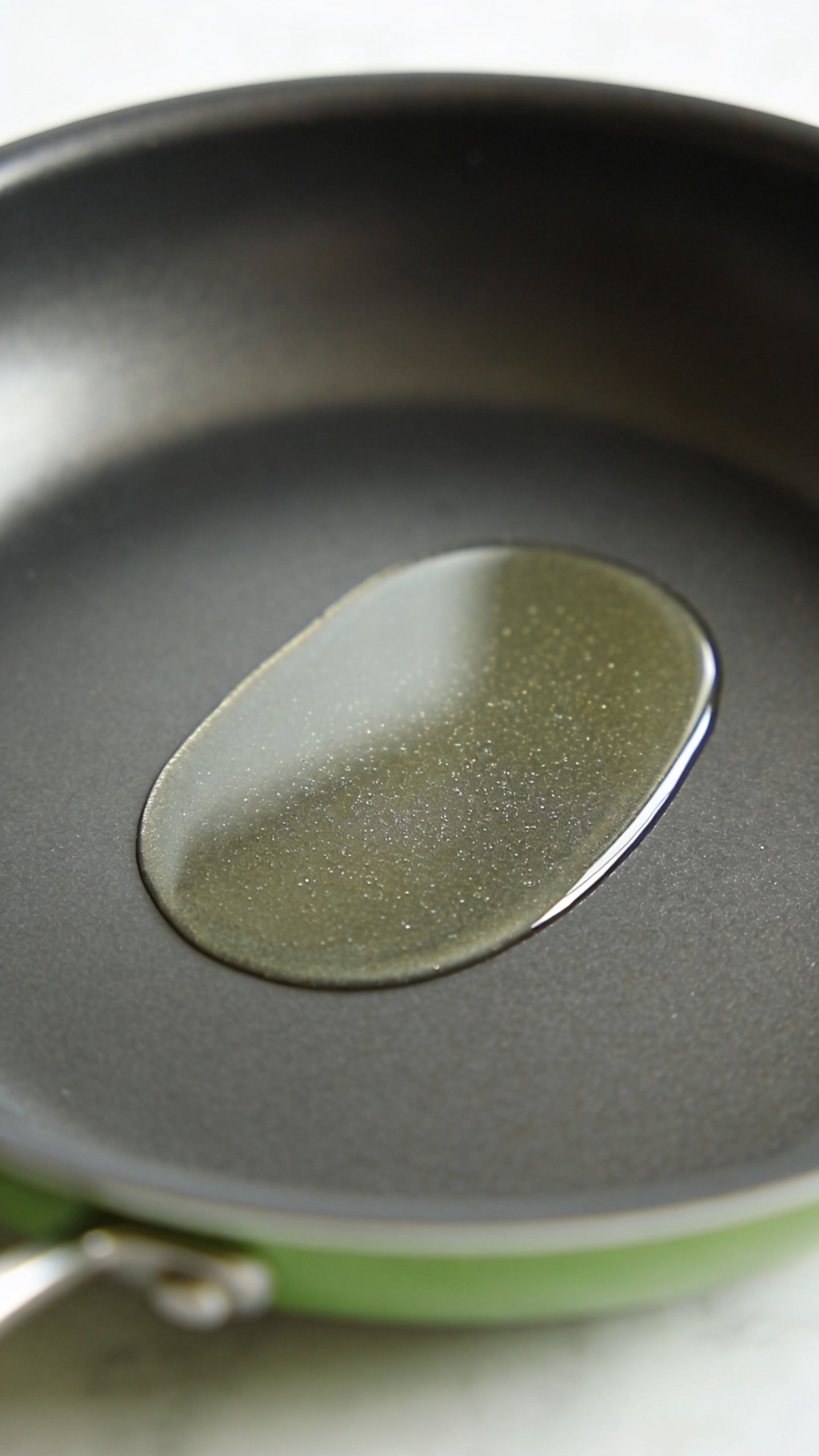
This is where the real-life tests come in. Ceramic coatings wear down; it’s a fact of life. Your job is to minimize wear and maximize longevity with smart care.
– Cleaning: avoid abrasive scrubbers. Use a soft sponge and mild soap.
Both brands advise hand washing to extend life; sticking to that rule yields better performance over time.
– Utensils: wooden or silicone tools preserve the coating. Metal utensils can scratch, especially with cheaper lines.
– Heating: avoid preheating dry cookware on high for minutes. A little oil goes a long way, and it preserves nonstick integrity.
Durability often correlates with the thickness of the coating and the quality of the pan’s base.
GreenPan sometimes has lines that feel a touch more “sturdy,” while GreenLife emphasizes budget-conscious builds.
If you’re hard on cookware, you might prefer GreenPan’s higher-end lines. If you’re careful with maintenance, GreenLife is a solid choice.
Warranty and service
– GreenPan typically offers warranties that cover manufacturing defects for a decent period, depending on the line.
– GreenLife warranties vary by line and region, but they usually provide a comparable safety net.
Read the fine print for coating peel or warping.Always register your pans and keep receipts.
A little organization saves headaches when you need to exercise the warranty.
Price and value: is one a better deal long-term?
Let’s be real: price is often the deciding factor. GreenLife usually sits at a friendlier price point, making it approachable for students, new cooks, or anyone who isn’t ready to drop a mortgage on a skillet.
GreenPan tends to sit a notch higher, especially in ceramic-coated premium lines with thicker bases and more robust feel.
Value isn’t just sticker price, though. Consider:
– Longevity: how long before you replace?
– Replacement parts: are lids or handles easily replaceable?
– Cleaning and maintenance: do you spend less time scrubbing or more wasted energy?
If you cook every day and you hate the idea of replacing pans every couple of years, the higher upfront cost of GreenPan can pay off in peace of mind.
If you cook more casually or on a tighter budget, GreenLife offers great value with good performance.
Style, feel, and the “fun factor” in your kitchen
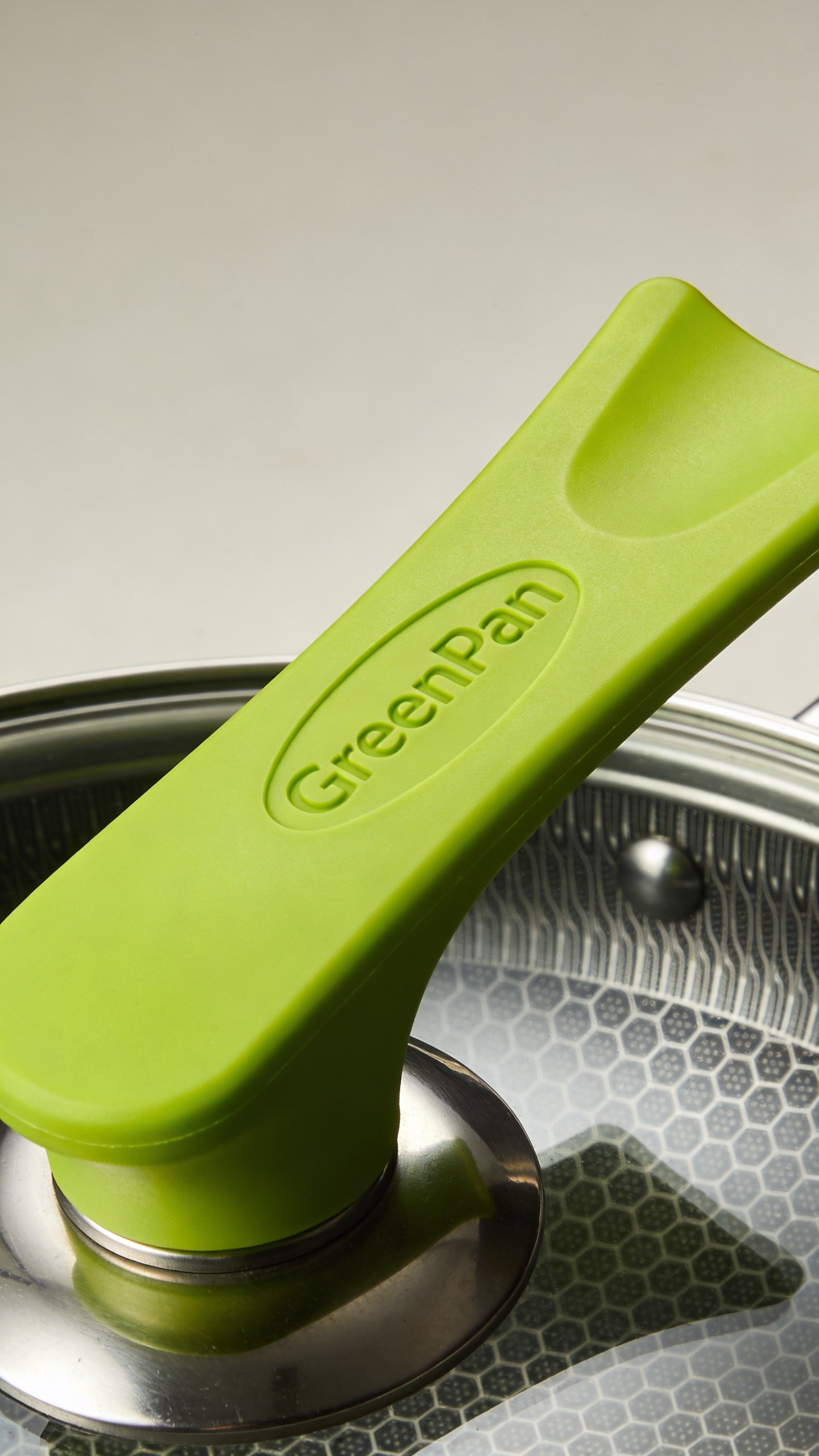
Colors, handles, and the vibe of a pan matter more than you’d think.
A bright GreenLife skillet can make you smile before you even start sizzling.
GreenPan often leans toward a more understated, premium aesthetic with a focus on durability and a timeless silhouette.
The “fun factor” isn’t just cosmetics; it helps with consistency.
If you’re excited to use your gear, you’re more likely to cook at home, which is the real win for health and wallet.
Size and type variety
Both brands offer a range of sizes and sets, from small 8-inch sautés to larger 12-inch skillets and sets with lids.
If you’re upgrading a starter kitchen, consider a few versatile sizes that cover most tasks.
If you’re a serious cook, you’ll want a dedicated wok or sauté pan in your lineup, and both brands have options.
Conclusion
Greenpan and Greenlife aren’t faux eco-heroes that magically make meals healthier.
They’re practical cookware brands offering safer nonstick options, easy cleaning, and reasonable durability.
Your choice hinges on budget, how often you cook, and how much you value premium heft versus price-friendly simplicity.
If you want durability, a slightly more premium feel, and you’re willing to pay for it, GreenPan is a solid bet.
If you want friendly prices, easy accessibility, and plenty of colorful vibes to keep the kitchen lively, GreenLife won’t steer you wrong.
Both will help you cook more at home and dodge the midweek “fry it in butter and hope for the best” chaos.
IMO, a well-cared-for ceramic pan in either brand is a win.
FAQ
Are GreenPan and GreenLife coatings really safe?
Both brands advertise PTFE- and PFOA-free ceramic nonstick coatings.
While coatings can wear over time, these lines are designed to minimize health concerns associated with older nonstick options.
Avoid overheating and use gentle cleaning to extend life.
Which brand lasts longer?
Durability depends on use and care. GreenPan often feels sturdier in higher-end lines, while GreenLife offers strong value for casual use.
With proper care, both can last several years.
Is there a noticeable performance difference?
For everyday cooking, you’ll likely notice minimal differences.
GreenPan may hold up a touch better at higher heats, while GreenLife shines in ease of use and lighter weight.
Pick based on your cooking style and comfort.
Do these pans require special cleaning?
Not special, just gentle. Use non-abrasive sponges, mild soap, and avoid metal scrubbers. Hand washing is recommended to maximize longevity.
Should I buy a set or individual pans?
If you’re new to cooking, a starter set with a few essential sizes is smart. If you know your needs, buying individual pans lets you tailor your collection without paying for duplicates.
What about warranty and replacement parts?
Both brands offer warranties on manufacturing defects, but terms vary by line and region. Register products, save receipts, and check what’s covered before buying.
If you rely on a particular lid or handle, verify replacements are available.


