

How to Tell If a Pan Is Non Stick and Still Slick
Ever wondered how to tell if a pan is non stick and still slick before your eggs turn into a sticky mess?
If you’re wondering whether your pan still behaves like a nonstick champ, you’re not alone.
A quick test can save you from scrubbing fiascos and ruined eggs.
Let’s cut to the chase and figure this out like a pro.
Is it still slick, or just slick-talking?
Nonstick pans aren’t forever, but they don’t need a funeral either. The first clue is how food behaves.
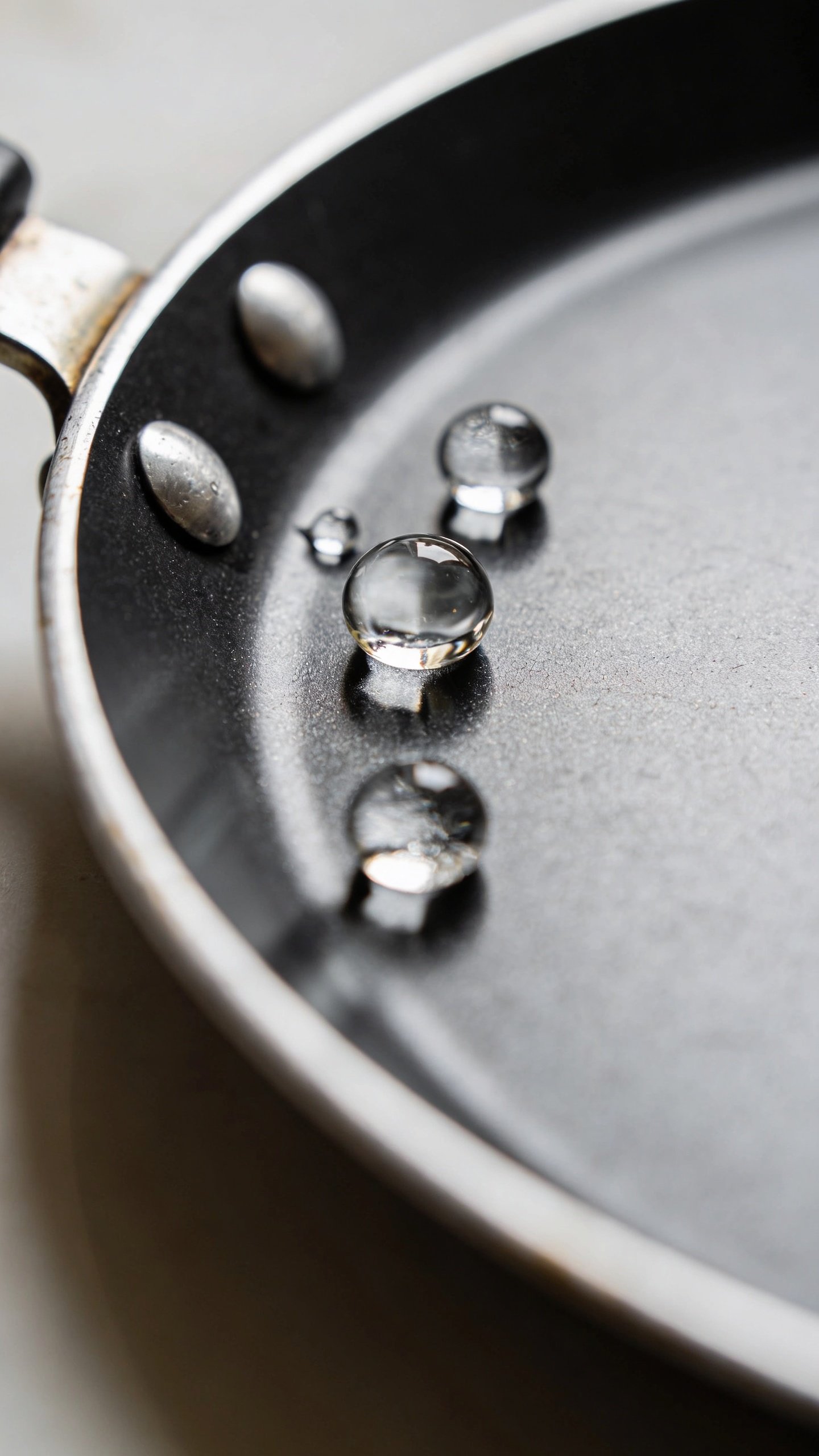
Does a droplet of water bead and slide around, or does everything cling like a toddler to a cookie?
If you’re seeing cling, you’re not alone—but there are steps to revive or retire gracefully.
Key signs that your nonstick is past its prime
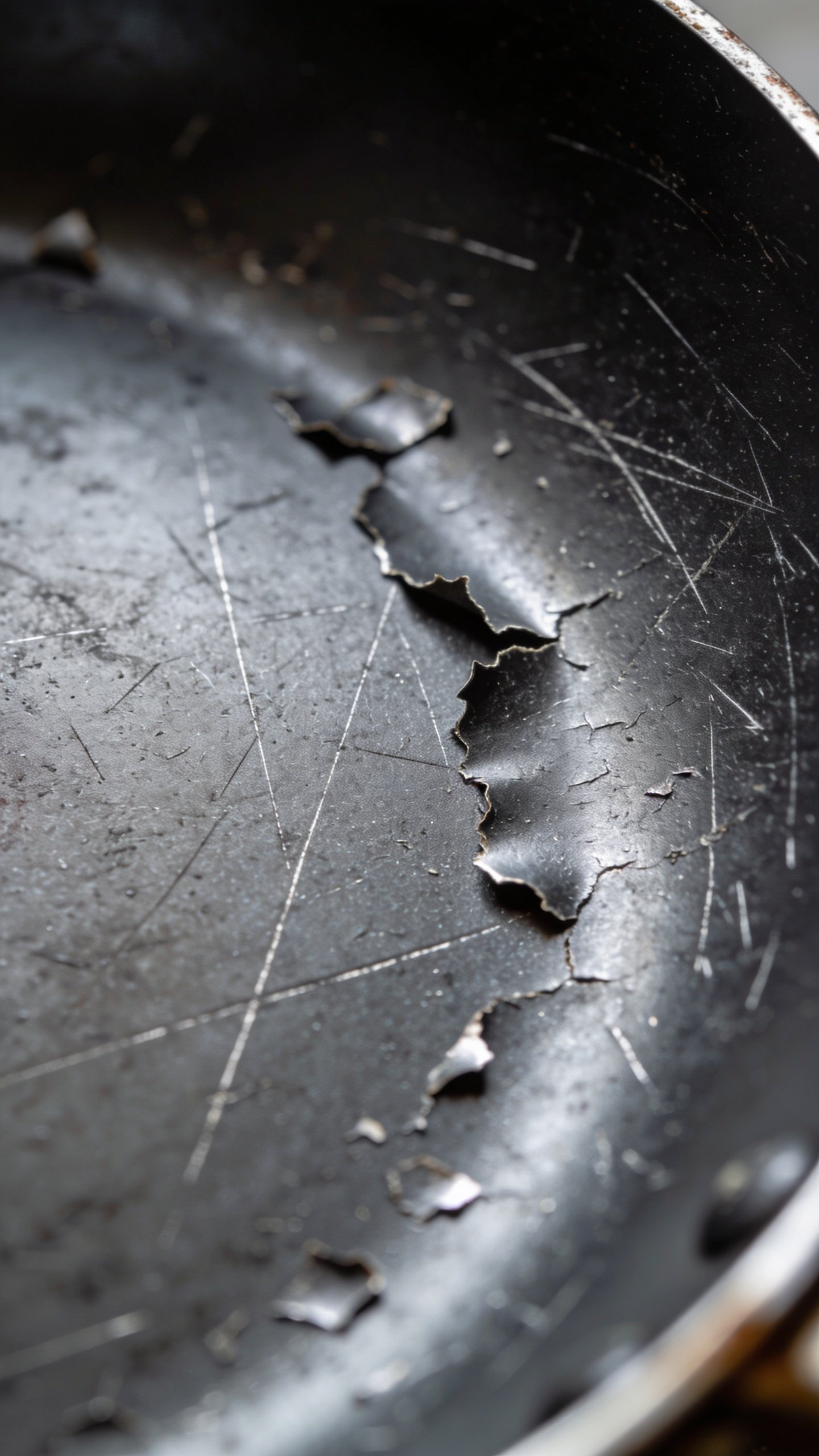
- Scratches and flaking: If the coating shows visible scratches or bits peeling off, it’s time to retire the pan. Scratched coatings can shed into your food, which no one wants on their plate.
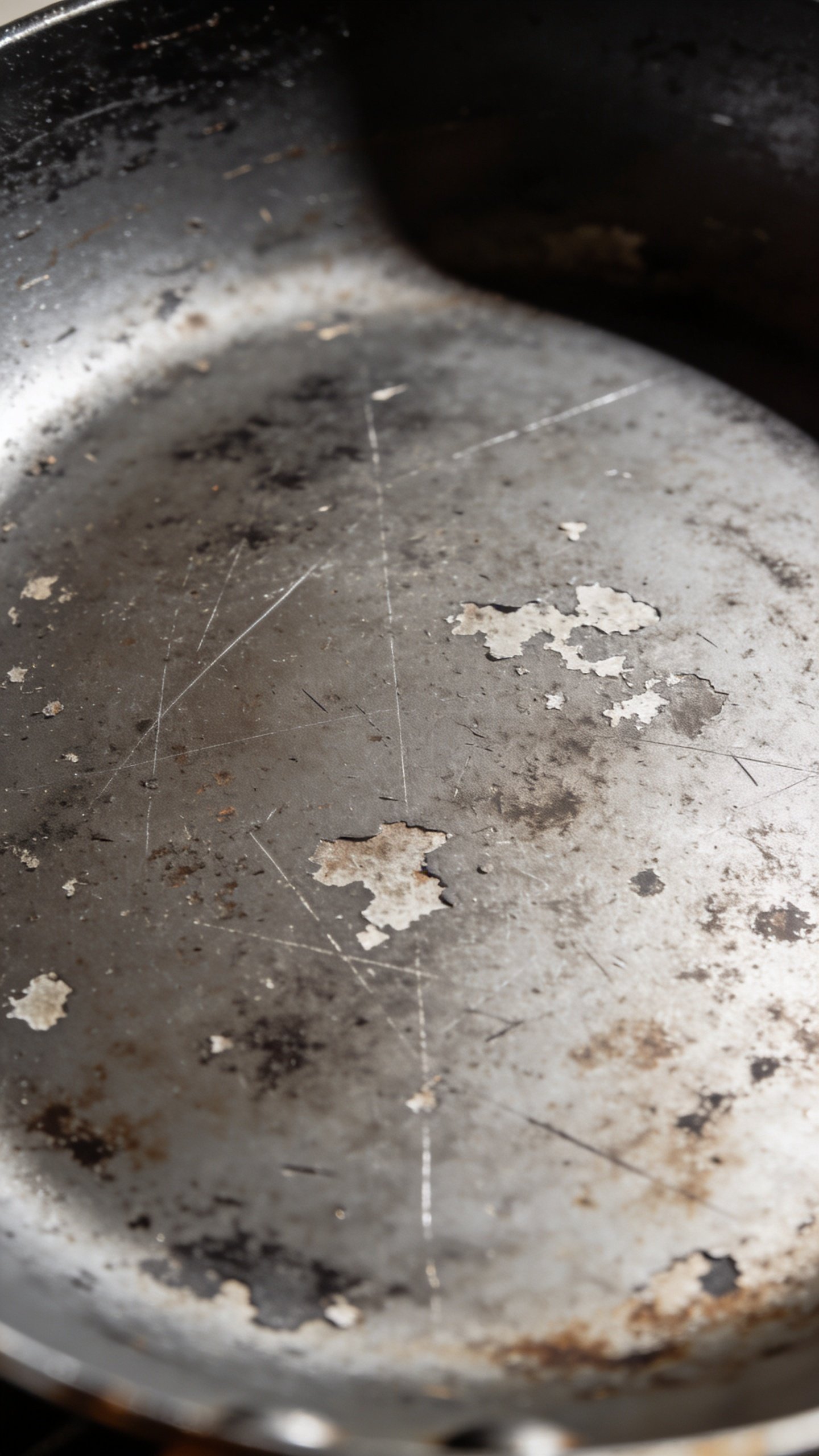
- Discoloration or dull surface: A coating that looks chalky, rainbowy, or blotchy often means the nonstick is degraded. It’s not just cosmetics—stickiness can follow.
- Sticking despite proper cooking: When eggs or pancakes stubbornly refuse to slide, even with a little oil, you’re likely beyond rescue.
- Warping or lid misalignment: If the pan doesn’t sit flat or the lid doesn’t seal properly, heat distribution is off and the coating may not perform evenly.
- Unusual odor or smoke: A strong chemical smell or smoking at low to medium heat is a red flag. That aroma isn’t normal and can indicate a failing coating.
What counts as “past its prime” might surprise you
– Some coatings are durable, some aren’t. Teflon-like coatings can last several years with care, but abuse, high heat, and metal utensils wear them down faster.
– If you own a ceramic-coated pan, the indicator is similar: chips, flaking, or a loss of slickness means trouble ahead.
– Even cast iron or stainless with a light seasoning can behave like “nonstick” if you maintain a proper patina. So the test isn’t universal, but the clues above still apply.
Simple tests you can do in minutes
- Water bead test: Heat the pan on low for a minute, then drop a few droplets of water. If they bead and roll around, you’re still in the game. If they spread or sizzle away instantly with sticking, you might be losing that slick feeling.
- Egg test: A small amount of oil or butter, a quick egg, and a gentle flip. If the egg slides around, you’re betting on a friendly nonstick day. If it sticks, that’s a warning sign.
- Patina check: For seasoned pans, test with a quick fry. If food releases effortlessly after a minute of nice heat, you’re in good shape. If you’re scraping residue with a spatula, time to rethink.
Careful outline: what affects performance between uses
– Heat control matters a lot. High heat can degrade coatings; low to medium works best.
– Oils aren’t just for flavor; they lubricate the surface. A thin film helps, but you don’t need a river of oil.
– Utensils matter. Wooden or silicone tools are your friends; metal can scratch and speed up decline.
– Cleaning technique counts. Abrasive pads and harsh detergents are the enemy of longevity.
How to test without destroying your love life with the pan
- Follow the manufacturer’s guidelines. Some coatings tolerate higher heat; others hate it.
- Avoid rapid temperature changes. Move from stove to sink gently; thermal shock can warp the pan and damage the coating.
- Use gentle cleaners. Mild soap, warm water, and a soft sponge keep the surface glossy longer. Skip the steel wool unless you’re re-seasoning a cast iron or cleaning a carbon steel pan.
What to do if you’re seeing issues
– If you spot flaking or chipping, replace the pan. Food safety is not something to gamble with.
– If you’re just seeing less slickness, re-season a compatible pan (like a well-seasoned cast iron) or switch to a pan with a fresh coating and a careful hand.
Choosing the right pan to avoid this drama
- Coating type matters: Teflon-style coatings are common and easy to use, but they don’t last forever. Ceramic coatings have their pros and cons—less slick than traditional nonstick, but often more scratch-resistant. Cast iron and carbon steel offer natural nonstick with proper seasoning, but require ongoing care.
- Warranty and build: A good warranty isn’t a guarantee, but it’s a helpful signal. Look for pans with solid construction, even weight distribution, and a comfortable handle.
- Care instructions: Some pans tolerate dishwasher cleaning; others require hand washing. If you want low-maintenance, check the recommended care and choose accordingly.
Maintenance tips to keep nonstick magic alive
- Keep heat on the lower side. Most nonstick surfaces perform best at medium or medium-low heat. Save the high heat for searing steaks in a proper pan.
- Season where applicable. If you’re using cast iron or carbon steel, a quick seasoning routine helps maintain slickness. For true nonstick coatings, skip seasoning; follow the manufacturer’s guidance.
- Avoid metal utensils. Use nylon, silicone, or wooden spoons to protect the surface.
- Clean with care. Soak briefly if there’s stubborn residue, then wipe away. Don’t scour the coating aggressively.
Deciding when to retire a pan
- Visible coating damage: If you can see scratches, chips, or flakes, retire it. The risk of flaking into food isn’t worth it.
- Persistent sticking: If you’ve tried everything—oil, heat, cleaning—and it still sticks, replacement makes sense.
- Performance decline after refinishing attempts: If re-seasoning or using a new cleaning approach doesn’t restore slickness, let it go.
FAQ
How long should a nonstick pan typically last?
Most good nonstick pans last anywhere from 3 to 5 years with regular use and proper care. Some high-quality options can stretch longer, but you’ll notice performance declines before they reach the end of their lifecycle.
Can I revive a worn nonstick pan?
It depends. If you can’t see flaking and the surface still beads water, you might extend its life slightly with careful use and cleaning.
If you’re dealing with persistent sticking or obvious damage, it’s time to retire it.
FYI, cast iron or carbon steel pans can be seasoned to regain some slickness, but that’s a different beast than true nonstick coatings.
Is it dangerous to cook on a damaged nonstick pan?
Yes, if the coating chips or flakes, small particles can end up in your food. Inhaling as you cook isn’t ideal either.
Best to replace damaged pans to keep meals safe and tasty.
What’s the best way to test a pan’s nonstick status?
Do a water bead test, then a small oil and egg test on low-to-medium heat. If things glide and release easily, you’re in the green zone.
If not, it’s time to rethink your cookware lineup.
Are inexpensive nonstick pans worth it?
Sometimes yes, sometimes no. Budget pans can deliver decent performance for a couple of years with good care, but they often wear out faster.
If you cook a lot and rely on easy cleanup, investing in a mid-to-high quality option with proper care can pay off in the long run.
Conclusion
Nonstick isn’t magic—it’s science and a bit of upkeep.
A quick heat-and-test can tell you whether your pan still performs the way you want.
If it does, treasure it with gentle love: low heat, a little oil, and friendly utensils.
If it doesn’t, don’t fear the upgrade.
The right pan, cared for properly, keeps those morning pancakes from becoming a stubborn puzzle.
And FYI, a pan that sticks less often makes cooking feel like a breeze—don’t we all deserve that?


