

All Clad B1 Vs Ha1: Which Pan Is Right for Your Kitchen
Few pans spark as much debate as All-Clad B1 VS HA1.
If you’ve ever stood in the cookware aisle muttering “which one actually matters,” you’re not alone.
These two lines look similar, but they’re built for different kitchens and different cooks.
Let’s cut through the shiny finish and get real about what sets them apart.
What the B1 actually is — and who it suits
All-Clad B1 is a workhorse. It’s the more budget-friendly line in All-Clad’s stainless steel family, but don’t mistake budget for flimsy. B1 focuses on reliable performance with straightforward tri-ply construction that sticks to the basics: even heating, decent durability, and a clean, classic look. If you’re building a starter set or upgrading from bargain-brand cookware, B1 is a very sane choice.
– Construction: Tri-ply stainless steel with an aluminum core
– Heat behavior: Predictable, steady, and forgiving
– Price point: friendlier than top-tier lines
– Use case: daily cooking, family meals, routines you want to rely on
TL;DR: If you want dependable results without chasing every latest trend, B1 gets you there.
Enter HA1 — what makes it special
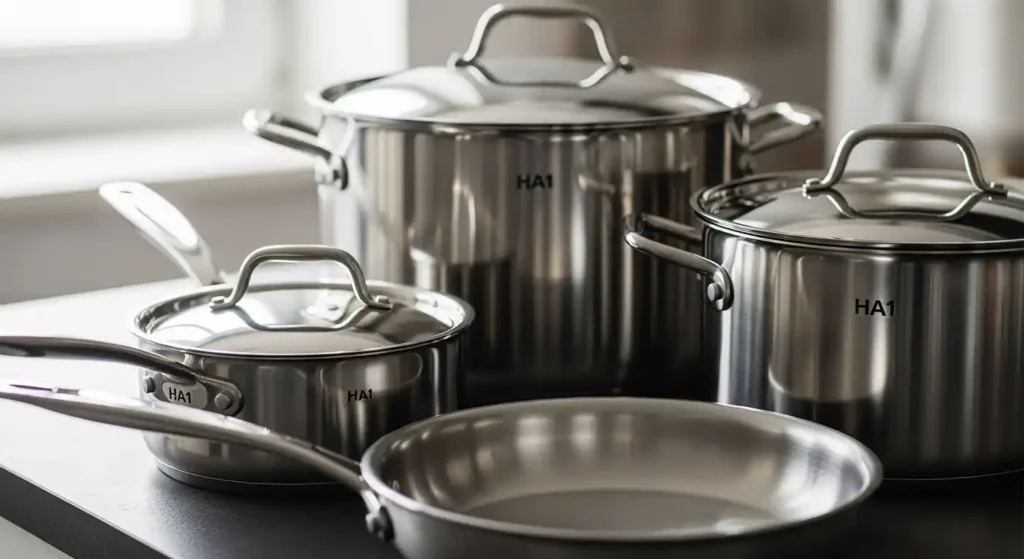
HA1 is All-Clad’s answer for cooks who care about precision and a touch more refinement without jumping to the super-premium lines.
It adds some thoughtful touches that improve control and ease of use in real kitchens.
If you enjoy pan-searing, delicate sauces, and wanting your pan to respond quickly to heat changes, HA1 is designed with you in mind.
– Construction: Tri-ply stainless steel with an optimized core for faster response
– Heat behavior: Lively, reactive, and a touch more responsive than B1
– Price point: higher than B1, but not outrageously premium
– Use case: searing, deglazing, precise temperature control
Bottom line: HA1 tries to give you a little more finesse without breaking the bank.
Performance face-off: heat, distribution, and control
Let’s compare the big three: heat up, heat spread, and how quickly the pan responds when you move the flame.
– Temperature response: HA1 typically feels quicker to respond to changes in burner intensity. B1 lags a touch but stays steady once it’s hot.
– Evenness: Both perform well, but HA1’s core design often yields more uniform browning on a larger surface.
– Nonstick comfort: Neither is nonstick by default, but both clean up nicely and tolerate a thoughtful small amount of oil for sticking-free cooking.
Why it matters: if you’re someone who braises and finishes with a quick flame tweak, HA1’s responsiveness can be a subtle but real benefit. If you mostly sauté and simmer steady soups, B1’s reliability still shines.
What’s in the kitchen? Real-world usage tips
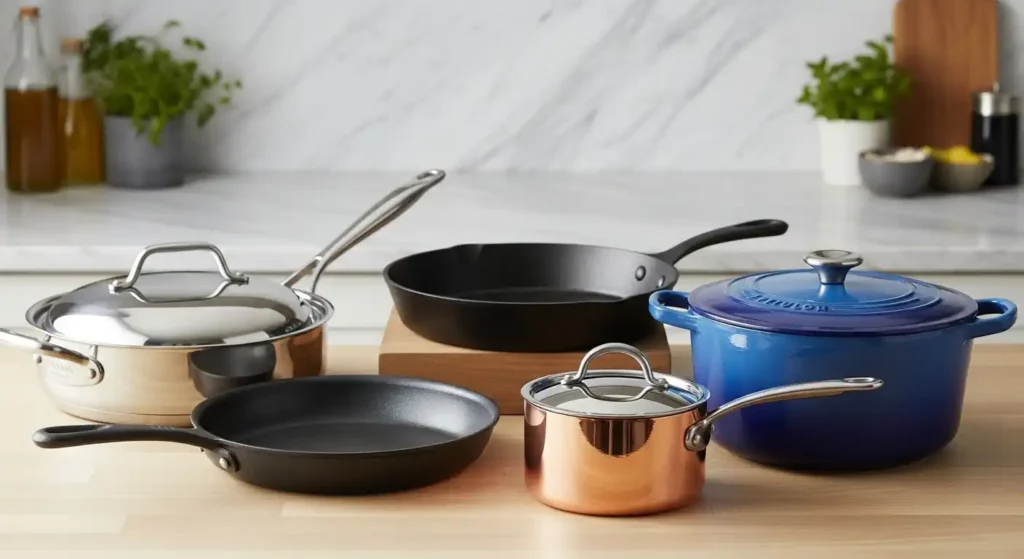
Your cookware should play nice with your cooking style. Here are practical takes.
– Searing game: Fire up a medium-high heat with a touch of oil. HA1 edges ahead if you’re chasing a crisp, caramelized crust due to quicker thermal response.
– Saucework: For delicate emulsions, both work, but HA1’s slight edge in precision helps your pan stay in control as colors change.
– Everyday meals: If you’re feeding a family or batch-cooking, B1’s steadiness and durability win out. No drama, just dependable results.
- Seasoning: These pans don’t require hard-core seasoning like cast iron, but a light wipe with oil after washing keeps flavors pristine.
- Care: Avoid harsh dishwasher cycles. Hand wash with warm water and mild soap, then dry promptly to prevent water spots.
- Maintenance: Gentle cleaning, avoid abrasive pads. If you see stuck-on bits, soak briefly in warm soapy water.
Durability, warranties, and long-term value
All-Clad has a reputation for durability, and both B1 and HA1 uphold that to a good degree. The big difference tends to come down to feel and the slightly different construction emphasis.
– Lifetime warranties: Typical All-Clad coverage is solid across lines, but always check the exact wording for parts and wear.
– Build quality: Both have sturdy handles and solid lid fittings; HA1 might feel a touch more refined in the handle-to-pan transition.
– Long-term value: If you cook daily and invest in a well-made pan, you’ll likely pass it down. B1 gives you a longer “easy buy-in” path; HA1 offers a touch more chef-focused feel.
What I’d pick: if budget is a concern but you still want premium-grade stainless steel, start with B1 and upgrade later with an HA1 piece if you find you’re craving that extra responsiveness.
Design, feel, and the little details that count
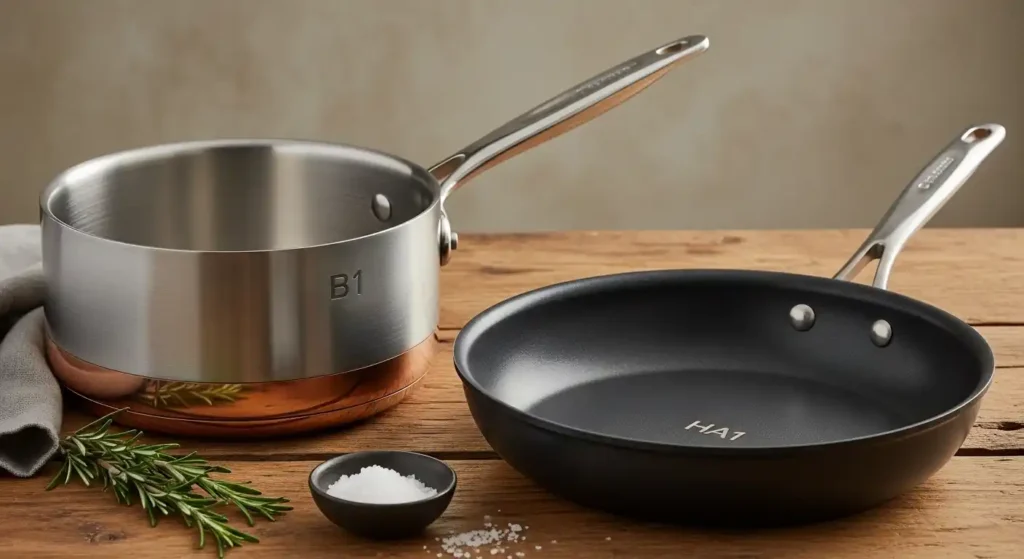
Sometimes the decision isn’t just about numbers. It’s about the vibe.
– Aesthetics: Both look sleek and professional. HA1 might win a few head-turns for its slightly sleeker silhouette and upgraded core feel.
– Weight and balance: Neither is a featherweight, but both balance well on the stove. If you’re a tiny-handed cook, pick the size you actually use most—weight becomes a bigger deal over time.
– Lids and handles: Lids fit snugly on both lines. If you like a tighter seal for braises, both will deliver.
Which one should you actually buy?
Here’s the practical juice you want: your cooking goals, your budget, and your tolerance for “new-pan thrill.”
– If you’re new to higher-end cookware and want a reliable, no-nonsense set: go B1.
– If you already cook a lot, want quicker response times, and don’t mind paying a bit more for finesse: go HA1.
– If you’re assembling a starter set: you can absolutely mix and match within All-Clad, but starting with B1 gives you a solid foundation and room to grow into HA1 pieces later.
– Quick decision cheat:
– Budget-first and durability-first: pick B1.
– Performance-driven and kitchen-enthusiast mindset: pick HA1.
Subtle nuance: compatibility with accessories
If you already own other All-Clad pieces, the crossover heat distribution is pretty harmonious. You won’t get a jarring mismatch in performance just because you mix B1 and HA1.
Conclusion
All-Clad B1 and HA1 both bring the brand’s hallmark quality to the table, just with different flavors.
B1 is your dependable workhorse—good for everyday cooking and budget-conscious shoppers who want results they can trust.
HA1 is the slightly more responsive, chef-inclined option that nudges you toward a touch more control and finesse.
If you’re asking me, the best move is to pick based on how you cook most days.
Want rock-solid reliability at a friendlier price? B1 wins. Crave quicker heat tweaks and a bit more precision? HA1 earns the nod.
Either way, you’re getting cookware that will likely outlive your current kitchen setup and still look good doing it.
FAQ
Is HA1 significantly better than B1?
In practical terms, HA1 offers a quicker heat response and a touch more control. It’s not worlds apart, but if you’re chasing precision in searing and delicate sauces, you’ll notice the difference.
Will they work on induction?
Yes. Both B1 and HA1 are compatible with induction cooktops, since they’re made of stainless steel with a magnetic layer.
Can I use metal utensils with these pans?
You can, but to keep the finish pristine, use wooden or silicone utensils for the longer life of the surface. If you do scratch a bit, it’s mostly cosmetic in stainless steel.
Are they dishwasher safe?
They’re generally dishwasher-safe, but hand washing extends the life and keeps the appearance sharp. If you’re lazy about cleanup, dishwashers are a workable option occasionally.
Do these pans require seasoning?
No heavy-duty seasoning is required like with cast iron. A light wipe with oil after washing keeps things slick and helps prevent sticking, especially on initial uses.


