

All Clad D3 Vs D5: Which Pan Wins for Your Kitchen
The All-Clad D3 vs D5 which pan wins debate isn’t just about shiny pans and fancy handles.
It’s about cooking styles, heat control, and whether you want to polished-silver dinner-party vibes or practical, “get-it-done” performance.
Spoiler: both are excellent, just not identical twins. Let’s break down what actually matters when you’re choosing.
What’s the big difference, really?
You’ve probably seen All-Clad’s D3 and D5 marketed as the “workhorse” line vs. the “balanced” line.
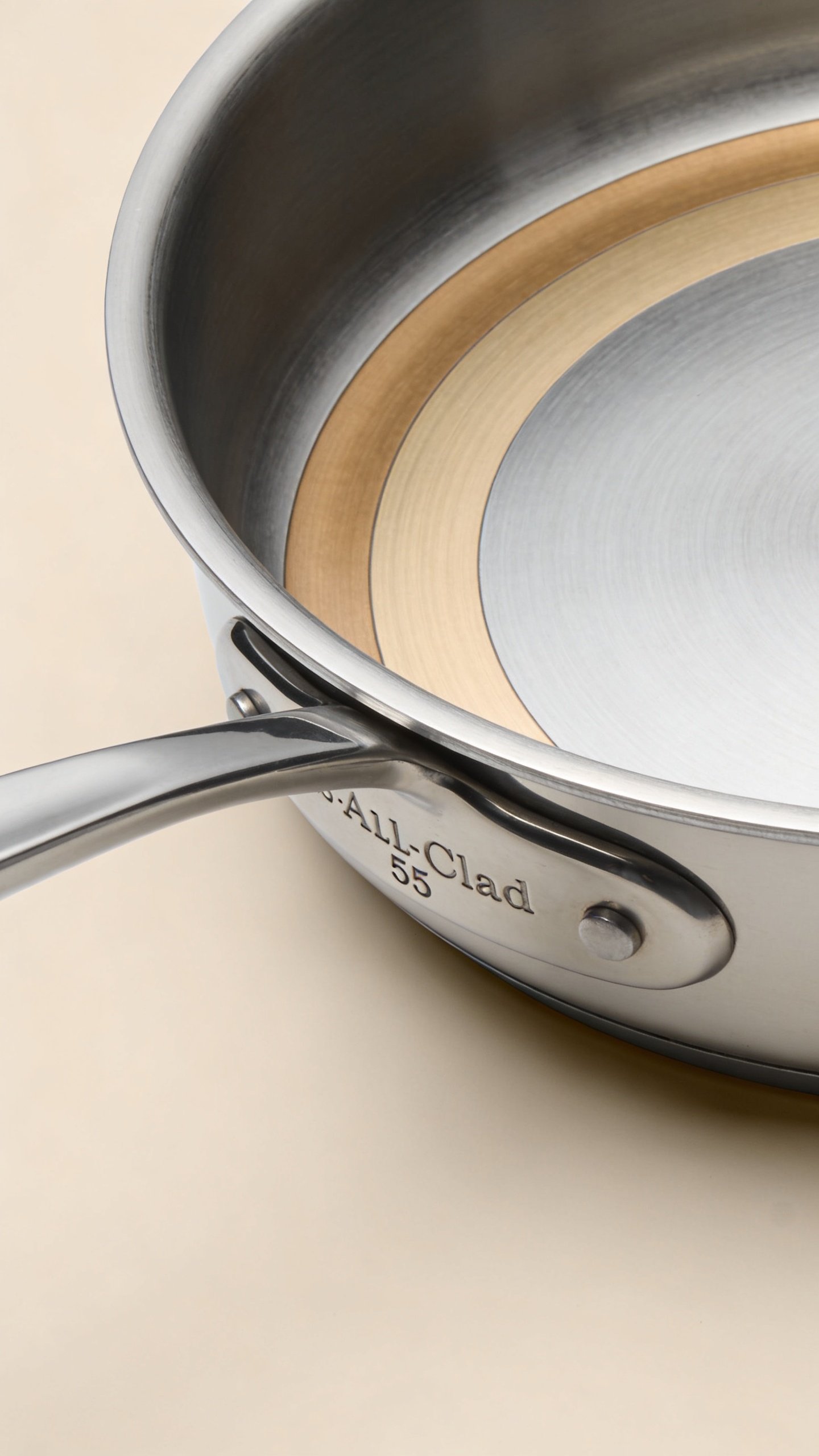
The short version: D3 has a tri-ply build with a slightly higher stainless-steel ratio on the outside, while D5 adds an extra layer of aluminum in the middle.
More metal means more even heating, but also a touch more weight.
Think of D3 as nimble and responsive; D5 as smooth, steady, and a little extra forgiving.
FYI, both are made in the USA and share that unmistakable All-Clad construction quality.
Construction breakdown: what you’re really buying
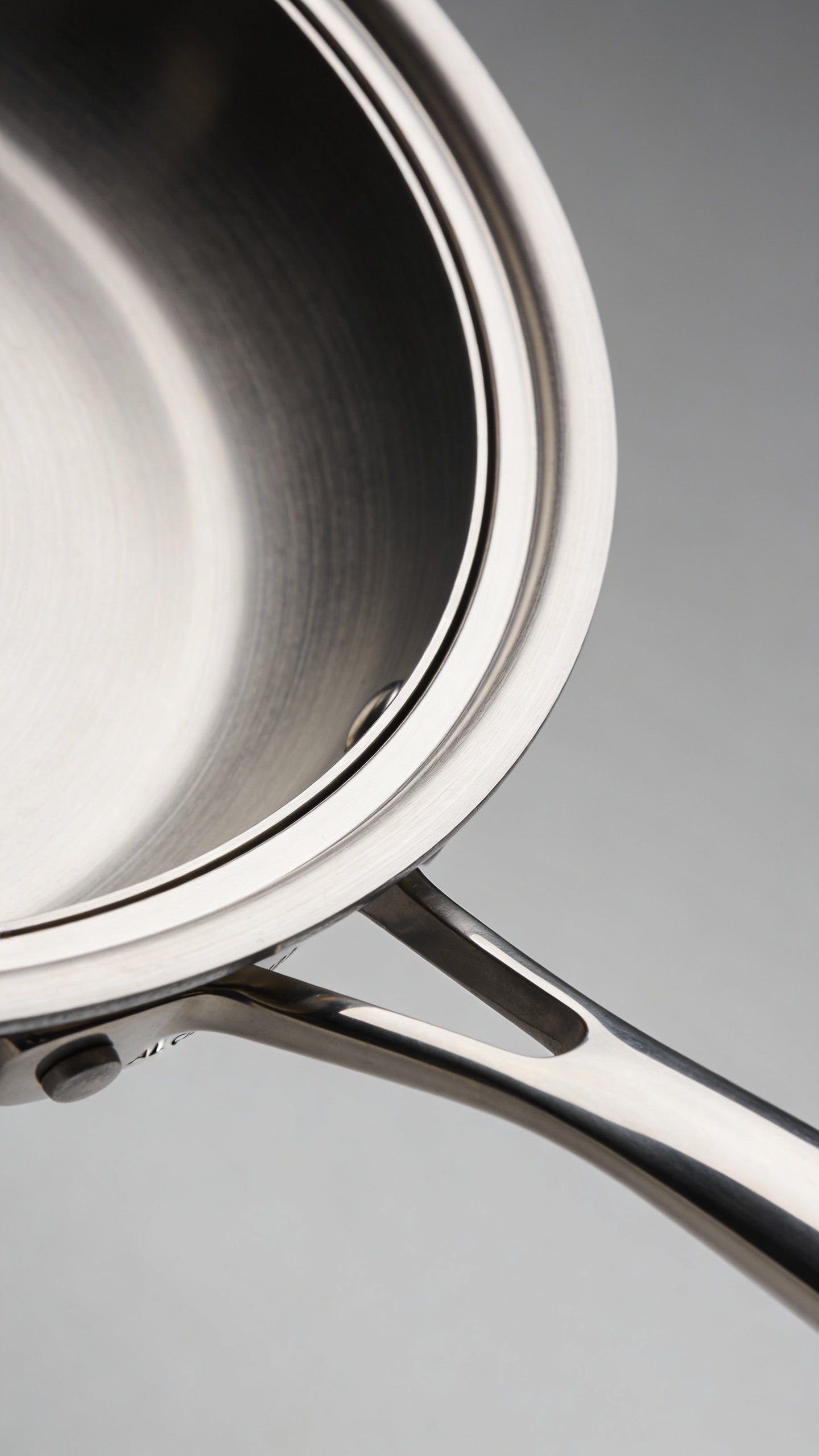
– Core idea: Both lines use stainless steel on the exterior and interior with a core layer of aluminum. D3 uses three layers; D5 uses five layers (stainless-aluminum-stainless-aluminum-stainless).
– Heat behavior: D3 heats faster and responds quicker to temperature changes. D5 heats a touch more slowly but distributes heat more evenly across the surface.
– Weight: D5 tends to feel heavier in hand, which some folks love for the steady feel; others find it tiresome.
– Maintenance: Both are pretty easy to keep clean, but more layers in D5 mean more potential spots to discolor if you’re not careful with heat and detergents.
– Compatibility: Both work on induction cooktops, gas, and electric. No drama there.
When does the extra aluminum in D5 matter?
– Even cooking, less hot spots: If you often cook delicate sauces or you’re roasting vegetables with lots of surface area, D5’s extra layers can help keep things uniform. You’ll notice less scorching on the edges and a more consistent sear.
– Low-and-slow confidence: For braises, stews, and soups that benefit from steady heat, D5’s gradual warmth distribution can be a real win.
– Patience, young padawan: If you’re a high-heat sear maestro who throws cold meat into a hot pan, you might not see a dramatic difference between D3 and D5. The benefit is more about stability over time.
Performance in the kitchen: real-world scenarios
– Searing: D3 responds quickly, so you can nudge up or down with ease. If you love a fast, high-heat sear, D3 is your hot-blooded partner in crime.
– Sauces and reductions: D5 shines here. The even heat helps prevent scorching and ensures a smoother emulsion when you whisk in fats and dairy.
– Roasting and baking: On a sheet pan, both will roast nicely, but D5’s even heat can translate to more uniform browning on larger cuts. Still, don’t expect a miracle—your oven’s the real boss.
– Everyday cooking: If you cook a lot of one-pot meals, soups, and weekday dinners, you’ll appreciate the consistent results of either. The choice mostly comes down to your patience for weight and how quick you want heat to respond.
Durability and care: what you should actually do
– Cleaning: Let pans cool before washing. Use warm, soapy water and a non-abrasive sponge. For stubborn stains, a gentle steel wool pad works, but don’t go crazy—these are not disposable nonstick pans.
– Maintenance: Occasional polishing helps keep the exterior looking showroom-new but isn’t strictly necessary. If you notice a rainbow tint or streaking, that’s just discoloration from heat and oil; it doesn’t affect performance.
– Storage: Stack with care or use pan protectors to avoid scratching the finish. The lids are solid, but they do like a gentle hand with storage.
Who should choose D3?
– You want fast, responsive heating and a lighter feel.
– You cook a lot of high-heat searing and quick sautéing.
– You prefer a slightly more agile pan that responds to quick changes in temperature.
– You’re balancing performance with a bit of budget caution (D3 generally comes in a more approachable price point within the All-Clad family).
– You enjoy a pan that’s superb for daily tasks without carrying extra weight.
Who should choose D5?
– You value ultra-even heat for long simmering, sauces, and multi-dish meals.
– You often cook for crowds or you’re doing multiple steps in a single pot and want steady temperatures.
– You’re not bothered by the extra weight and like the “built to last for decades” feel.
– You’re particular about even browning and want a touch more predictability in the pan’s performance over long cooks.
Truths and a few myths debunked
– Myth: More layers always mean better cooking. Reality: More layers help with evenness, but technique, heat source, and recipe matter far more.
– Myth: D5 is always twice as good as D3. Reality: It’s not about “better overall” but about which traits you value more—speed and responsiveness vs. evenness and low-stress cooking.
– Myth: You need both. Reality: Most home cooks pick one and roll with it, unless you’re stacking pots for a full-on kitchen lab situation.
Practical buying tips
– If you’re deciding between sets, think about your typical menu. A weeknight menu with quick sautés? Go D3. A Sunday-braising marathon? D5 might sing.
– Check the weight you’re comfortable lifting. If you’ve got wrist issues or prefer lighter gear, D3 is friendlier.
– Look at handles and lids. All-Clad’s handles are comfy, but test them in-store if you can. A handle you hate equals a pan you’ll avoid.
– Consider where you’ll store them. If you have limited cabinet space, the heavier D5 can feel bulky.
Conclusion: pick with your cooking personality in mind
Both All-Clad D3 and D5 are excellent, durable choices that will likely outlive your current kitchen gadget phase.
If you want punchy responsiveness and a lighter feel, D3 is your buddy.
If you crave ultra-even heat and a more forgiving cooking rhythm, D5 won’t let you down.
IMO, you’ll be happy with either—just lean into what kind of cooking vibe you want to chase on a Tuesday night.
FAQ
Is D3 better for high-heat searing than D5?
D3 heats up faster and responds quickly, which makes it great for searing. D5 can still sear well, but it’s not as quick to heat and adjust. If searing is your main jam, D3 has the edge.
Will D5 last longer than D3 because of its extra layers?
Both are built to last, and All-Clad has a reputation for durability. The extra layers in D5 don’t automatically translate to longer life, but they can contribute to more even wear over time and steady performance.
Are these pans dishwasher safe?
Yes, both are dishwasher safe, but hand-washing prolongs the finish and look. If you’re lazy like me, a quick wash by hand is recommended to keep that shine.
Which one is better for induction cooktops?
Both D3 and D5 perform exceptionally on induction. They’re designed with a magnetic stainless steel base that works beautifully with induction.
Can I use metal utensils with these pans?
You can, but it’s wise to use wooden or silicone tools for longevity. Metal utensils can scratch the surface over time, especially if you’re scrubbing hard.
Would I need to upgrade from D3 to D5 later?
Not necessarily. Start with what matches your cooking style. You can always add other pan types later if you need more versatility. For most home cooks, one solid set covers a lot of ground.


