

Can You Put an Aluminum Pan in the Microwave? A Complete Safety Guide
One common question people ask is: can you put an aluminum pan in the microwave?
Microwaves are one of the most convenient kitchen appliances, making it easy to reheat and cook food in minutes.
But when it comes to using different types of cookware, things can get confusing—especially with metal.
The short answer is: generally, no—but with a few very specific exceptions.
In this guide, we’ll explain why aluminum and microwaves don’t usually mix, when it might be safe, and what alternatives you should use instead.
Can You Put an Aluminum Pan in the Microwave?
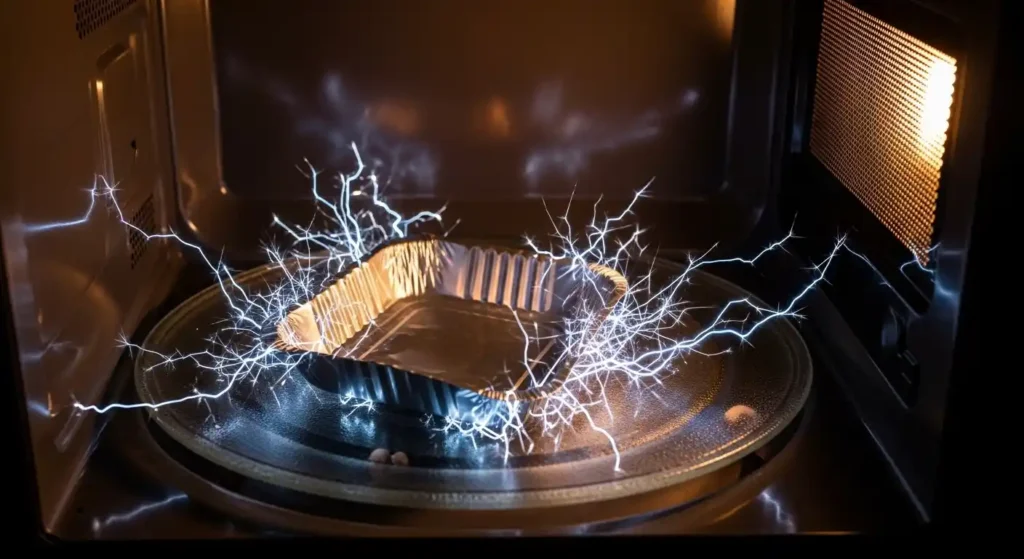
Let’s address the main question clearly: can you put an aluminum pan in the microwave?
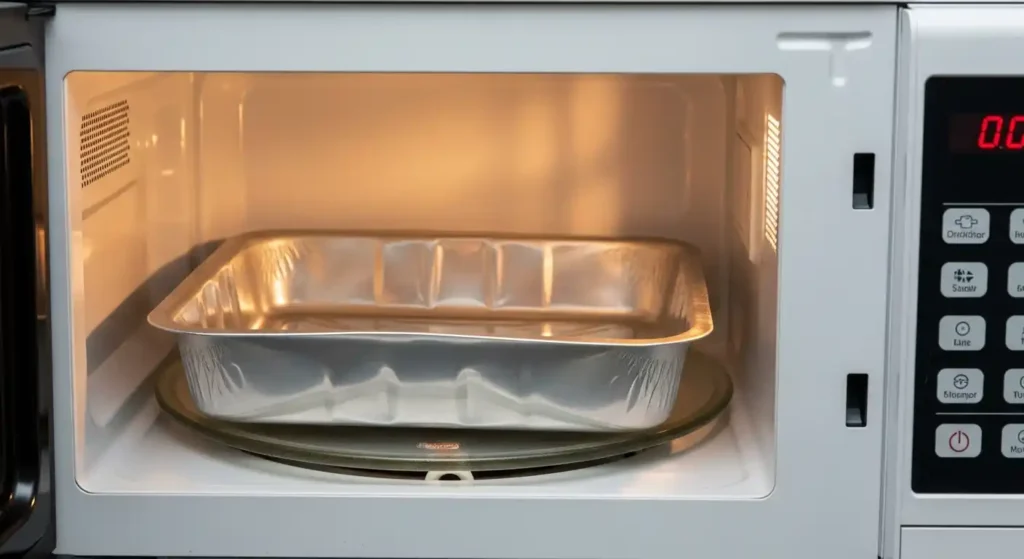
In most cases, you should avoid putting aluminum pans in the microwave. Microwaves work by sending electromagnetic waves that heat food. Metal, including aluminum, reflects these waves instead of absorbing them. This can cause:
- Sparks (also called arcing)
- Uneven heating
- Potential damage to the microwave
However, in some controlled situations, small amounts of smooth aluminum foil may be used carefully—but aluminum pans are generally not recommended.
Why Is Aluminum Not Microwave-Safe?
Understanding how microwaves work helps explain why aluminum pans can be problematic.
1. Reflection of Microwaves
Aluminum reflects microwave energy instead of allowing it to pass through to the food. This means your food may not heat properly.
2. Risk of Sparks
When microwaves bounce off metal surfaces, they can create sparks. This is especially dangerous if the aluminum has sharp edges or is crumpled.
3. Fire Hazard
Sparks can lead to fire if they come into contact with food particles or grease inside the microwave.
Are There Any Exceptions?
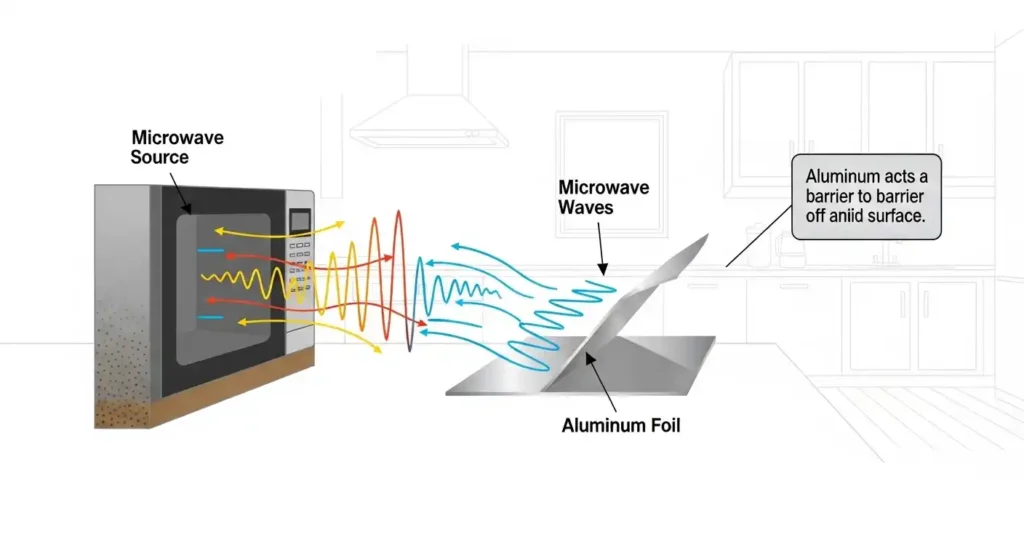
While the general rule is to avoid aluminum, there are a few exceptions where it may be used safely—with caution.
Smooth, Flat Foil
Small pieces of smooth aluminum foil may be used to shield parts of food from overcooking, but only if:
- The foil is flat and not crumpled
- It does not touch the microwave walls
- It is used in very small amounts
Manufacturer Instructions
Some ready-made meals come in specially designed aluminum trays labeled “microwave-safe.”
These are engineered to work safely in certain microwaves, so always follow the instructions provided.
What Happens If You Put an Aluminum Pan in the Microwave?
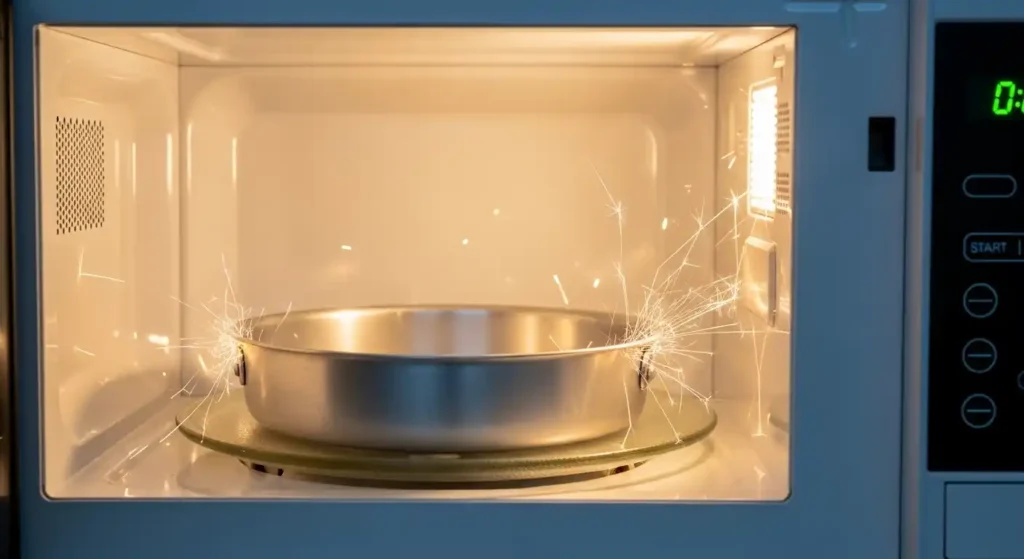
If you accidentally place an aluminum pan in the microwave, here’s what might happen:
- Sparks appear: You may see flashes of light inside the microwave
- Strange noises: Popping or buzzing sounds
- Food doesn’t heat properly: Because energy is reflected away
- Possible damage: The microwave interior or components may be affected
If you notice sparks, stop the microwave immediately and remove the pan.
Safe Alternatives to Aluminum Pans
Instead of using aluminum, choose microwave-safe materials for better results and safety.
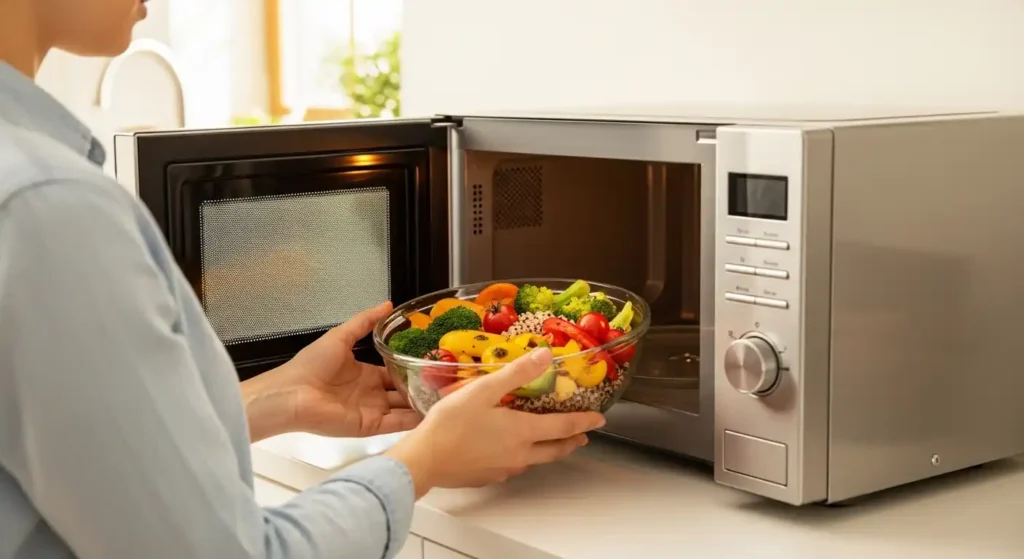
Glass Containers
Heat-resistant glass is one of the best options. It allows even heating and is safe for most microwave uses.
Ceramic Dishes
Ceramic bowls and plates are also microwave-safe, as long as they don’t have metallic decorations.
Microwave-Safe Plastic
Certain plastics are labeled “microwave-safe” and can be used for reheating food. Avoid using regular plastic containers that are not designed for heat.
How to Tell If a Container Is Microwave-Safe
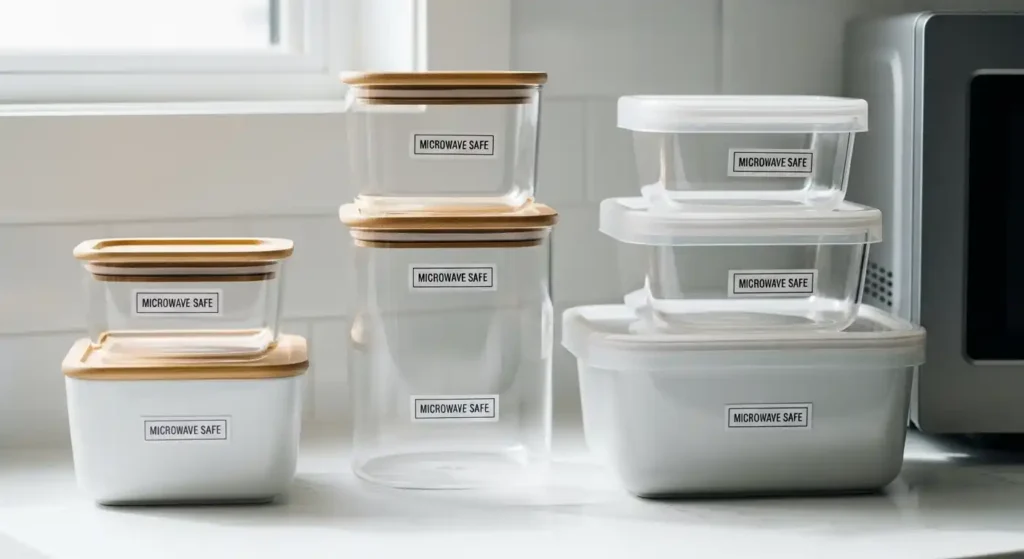
If you’re unsure whether a container can go in the microwave, look for these signs:
- A label that says “microwave-safe”
- No metallic parts or decorations
- Heat-resistant material like glass or ceramic
Simple Test
You can also do a quick test:
- Place the empty container in the microwave with a cup of water
- Heat for 1 minute
- If the container stays cool while the water heats up, it’s likely microwave-safe
Common Mistakes to Avoid
Even if you understand the basics, it’s easy to make small mistakes when using a microwave.
Using Crumpled Foil
Crumpled aluminum increases the risk of sparks and should never be used.
Ignoring Instructions
Always read packaging labels, especially for ready-made meals.
Mixing Materials
Avoid combining metal with other materials in the microwave.
Leaving the Microwave Unattended
If you’re unsure about a container, never leave the microwave running unattended.
Can Aluminum Be Used in Other Appliances?
While aluminum is not ideal for microwaves, it works perfectly well in other cooking methods.
Oven
Aluminum pans are widely used in ovens and are great for baking and roasting.
Stovetop
Some aluminum cookware can be used on stovetops, depending on the design.
Air Fryer
Many air fryers can safely use aluminum trays, but always check the manufacturer’s guidelines.
Tips for Safe Microwave Cooking
To ensure safe and effective microwave use, follow these simple tips:
- Use only microwave-safe containers
- Avoid metal unless specifically approved
- Cover food with microwave-safe lids or covers
- Stir or rotate food for even heating
- Keep the microwave clean to prevent sparks
Why Do Some People Think Aluminum Is Safe?
There’s some confusion around this topic because small amounts of foil can sometimes be used safely under strict conditions. However, this does not mean that aluminum pans are safe for regular microwave use.
The key difference is control and quantity—foil used properly is very different from placing a full aluminum pan inside the microwave.
Final Thoughts
So, can you put an aluminum pan in the microwave? The safest answer is no.
While there are rare exceptions for small amounts of foil, aluminum pans are generally not suitable for microwave use due to the risk of sparks, uneven heating, and potential damage.
For best results, stick to microwave-safe materials like glass, ceramic, or approved plastic containers. These options ensure your food heats evenly and safely without any risk.
Understanding what materials work in your microwave can help you avoid accidents and get better cooking results every time.
When in doubt, it’s always better to choose safety first and use the right cookware for the job.


