

Are Non-Stick Pans Safe: What You Need to Know
Are non-stick pans safe? That’s the question a lot of home cooks ask when a squeaky-clean skillet catches their eye at the store.
Spoiler: there’s nuance, not panic.
You don’t have to swear off your favorite pancakes to keep things safe.
Let’s dive in and figure out what’s truly a risk and what’s merely hype.
What “non-stick” actually means in real life
Non-stick pans use a coating to keep food from bonding to the surface. That coating can be Teflon (PTFE), ceramic, or other newer blends.
The goal is simple: make flipping an omelet feel effortless, and make cleanup almost effortless too.
But coating quality varies, just like coffee shop vibes and gym memberships.
– PTFE coatings are common and perform brilliantly at normal cooking temperatures.
– Ceramic coatings are popular for being “natural” sounding, but they can wear differently.
– Some pans use hybrid or reinforced coatings for durability.
If you’re curious about longevity, consider how you cook.
High heat, metal utensils, and abrasive cleaners can wear any coating faster.
The key is to cook smart, not to panic at every sizzle.
Is it safe to cook with PTFE-coated pans?
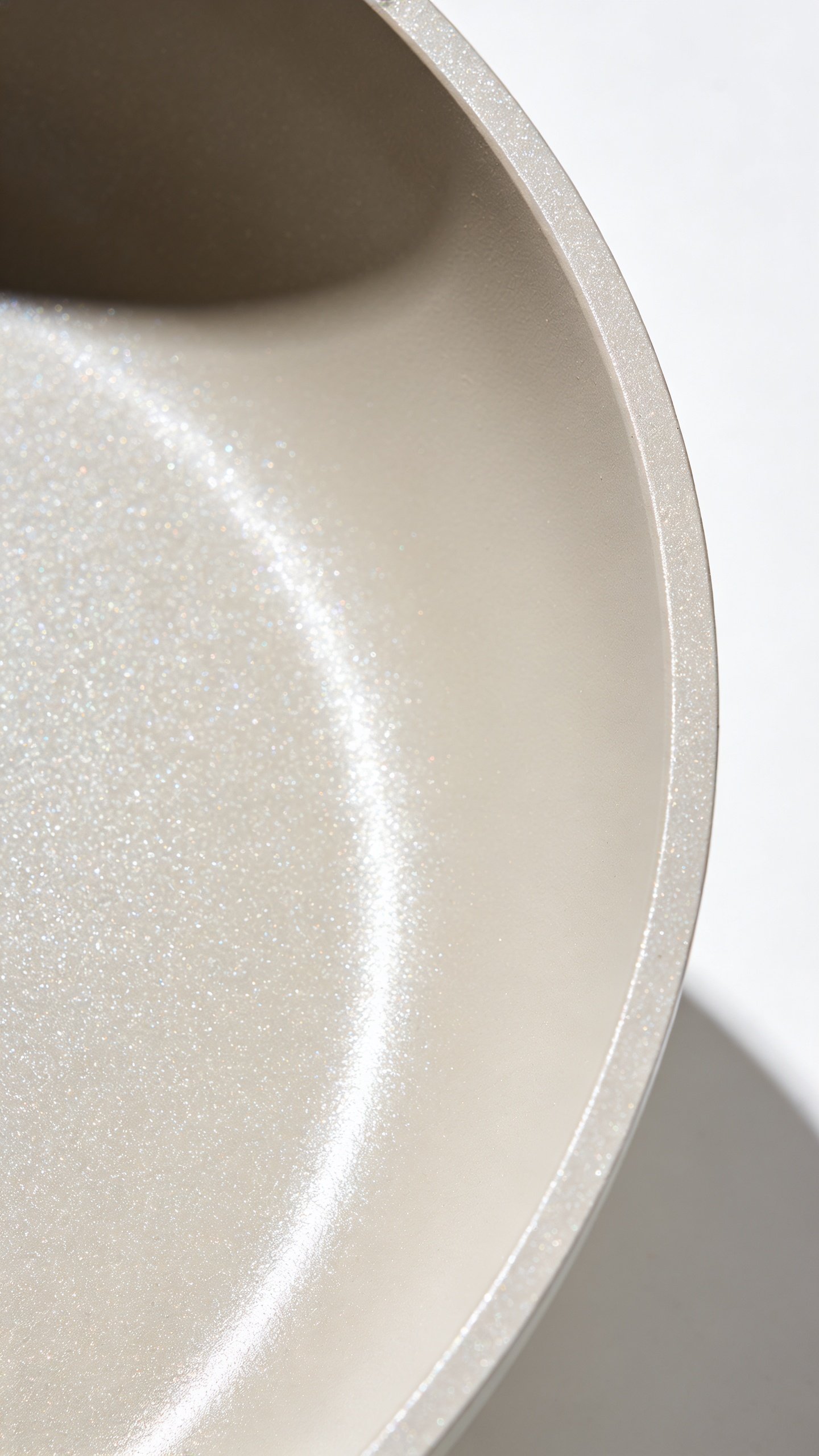
PTFE coatings have a solid safety track record when used as intended. The big caveat: avoid overheating. But what does “overheating” mean in real life?
– Most households won’t ever hit temperatures where PTFE breaks down (that’s usually well above a typical skillet’s sizzling range).
– If a pan starts to smoke heavily, that’s a sign you’ve pushed it beyond normal use. Flip the burner to a lower heat and give it a breath of fresh air.
– Debris or leftover oil can smoke too, so clean between uses to keep your pan performing and smelling sane.
FYI: modern PTFE coatings are designed to be non-toxic at high temperatures. The real danger is degraded coating flaking into food if the pan is damaged or used improperly. So inspect, don’t ignore, those scratches and chips.
Ceramic coatings: do they last?
Ceramic non-stick pans aim to offer a more “eco” or less science-y vibe, but they come with trade-offs. They heat evenly and can be easy to clean, but durability varies.
– They may rely more on a ceramic surface rather than PTFE for their slickness.
– They often tolerate a modest amount of heat before performance dips.
– Once a ceramic coating starts to wear, it can lose its non-stick magic faster than PTFE in some cases.
Deep dive:
How to extend life on ceramic pans
– Use wooden or silicone utensils to avoid micro-scratches.
– Don’t preheat empty ceramic pans too long; add a little oil to protect the surface.
– Clean with mild soap and a soft sponge—no abrasive pads.
Ceramic coatings aren’t inherently unsafe; they just require a bit more gentle handling if you want them to stay slick.
What about the “newer” non-stick tech?
The market loves new tech. You’ll see coatings marketed as reinforced, olive-pomace infused, or “green” non-stick. Do they outperform traditional options?
– Some newer coatings improve durability and reduce the need for oil.
– Others market more than they can deliver; still, many provide excellent performance when cared for.
– Always read the care instructions. A coating can claim miracles, but daily abuse tells a different story.
If you’re a high-heat cook (think searing steaks with smoke alarms on standby), you might prefer cookware designed for that use. For gentle sauteing and day-to-day meals, most modern non-stick options shine.
How to cook safely and keep coatings pristine
Cooking safety isn’t dramatic; it’s practical. Here’s a quick playbook so your pan lasts.
– Heat control: Medium to medium-high works for most tasks. Skip preheating an empty pan on high heat.
– Oil matters: A little fat goes a long way in keeping things sliding and protecting the coating.
– Utensils: Use wood, silicone, or nylon. Metal can scratch coatings and shorten life.
– Cleaning: Let the pan cool before washing. Gentle soap and a soft sponge do the job; harsh scouring pads? Not your friend.
– Storage: Don’t stack pans with rough or sharp objects rubbing on coatings. A soft cloth or divider helps.
Subsection for a common risk:
Dealing with scratches and chips
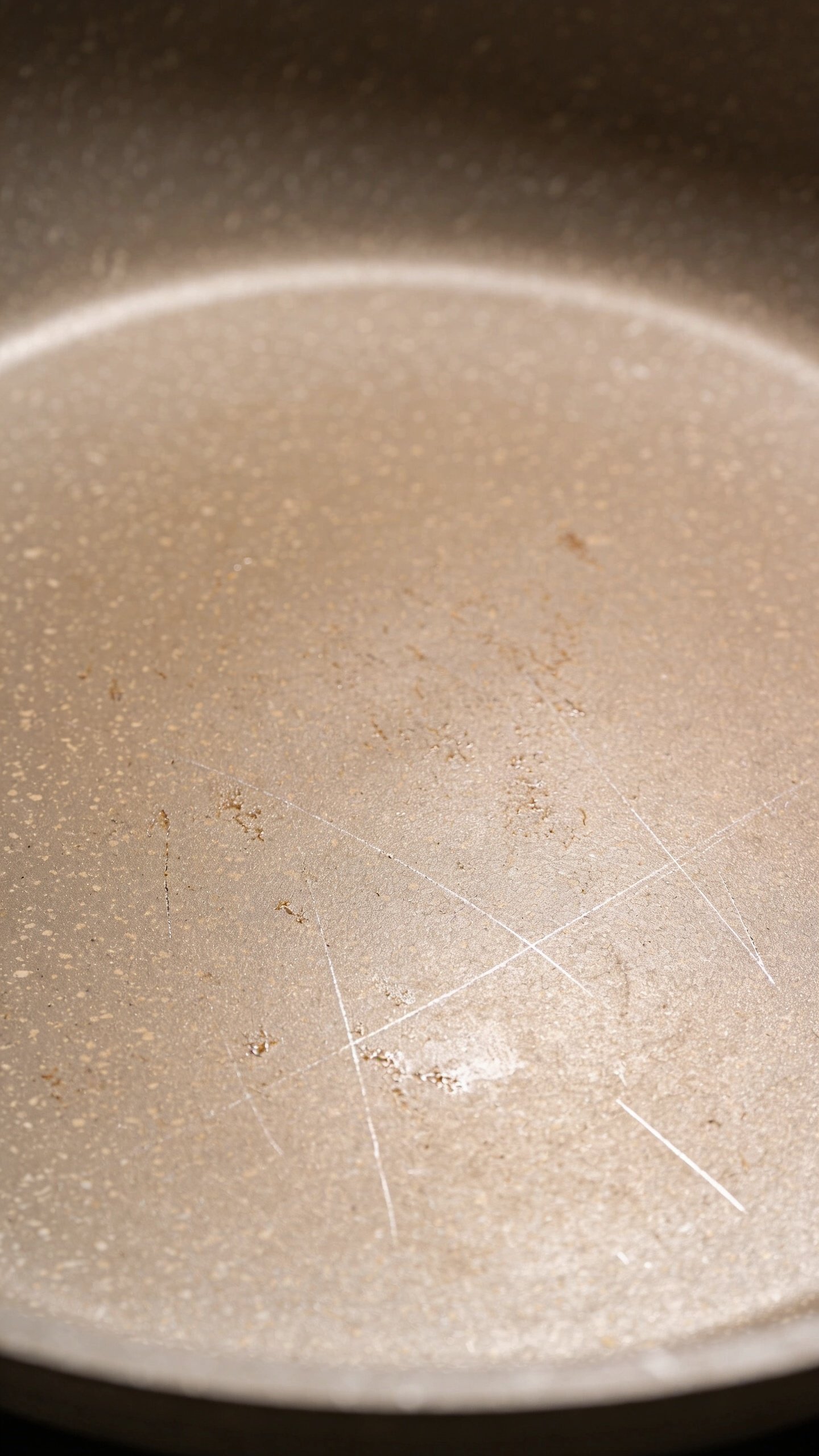
If you notice visible scratches or chips in the coating, it’s time to retire that pan. Scratched coatings can transfer particles to food, and that’s not a vibe anyone wants. When in doubt, replace rather than risk.
Do non-stick pans pose health risks?
Short answer: not usually, but there are caveats. The main concerns come from overheating or using damaged coatings.
– Overheating PTFE can release fumes that may irritate the eyes and lungs in some people. This risk is low for typical home cooking but real enough to heed.
– Damaged coatings can flake off into food. If a pan is visibly damaged or shows peeling, toss it.
– There’s ongoing debate about long-term exposure. The consensus among health agencies is that consumer-use non-stick coatings are safe when used properly.
If you’re pregnant, elderly, or have airways sensitivities, you might want to be extra cautious and avoid running pans at extremely high heat.
Alternatives: do you need to switch?
Not everyone loves non-stick, and that’s okay. There are a few routes you can take depending on your cooking style.
– Stainless steel: A favorite for searing and dishes that require higher heat. It’s durable but can be sticky until you master the seasoning trick.
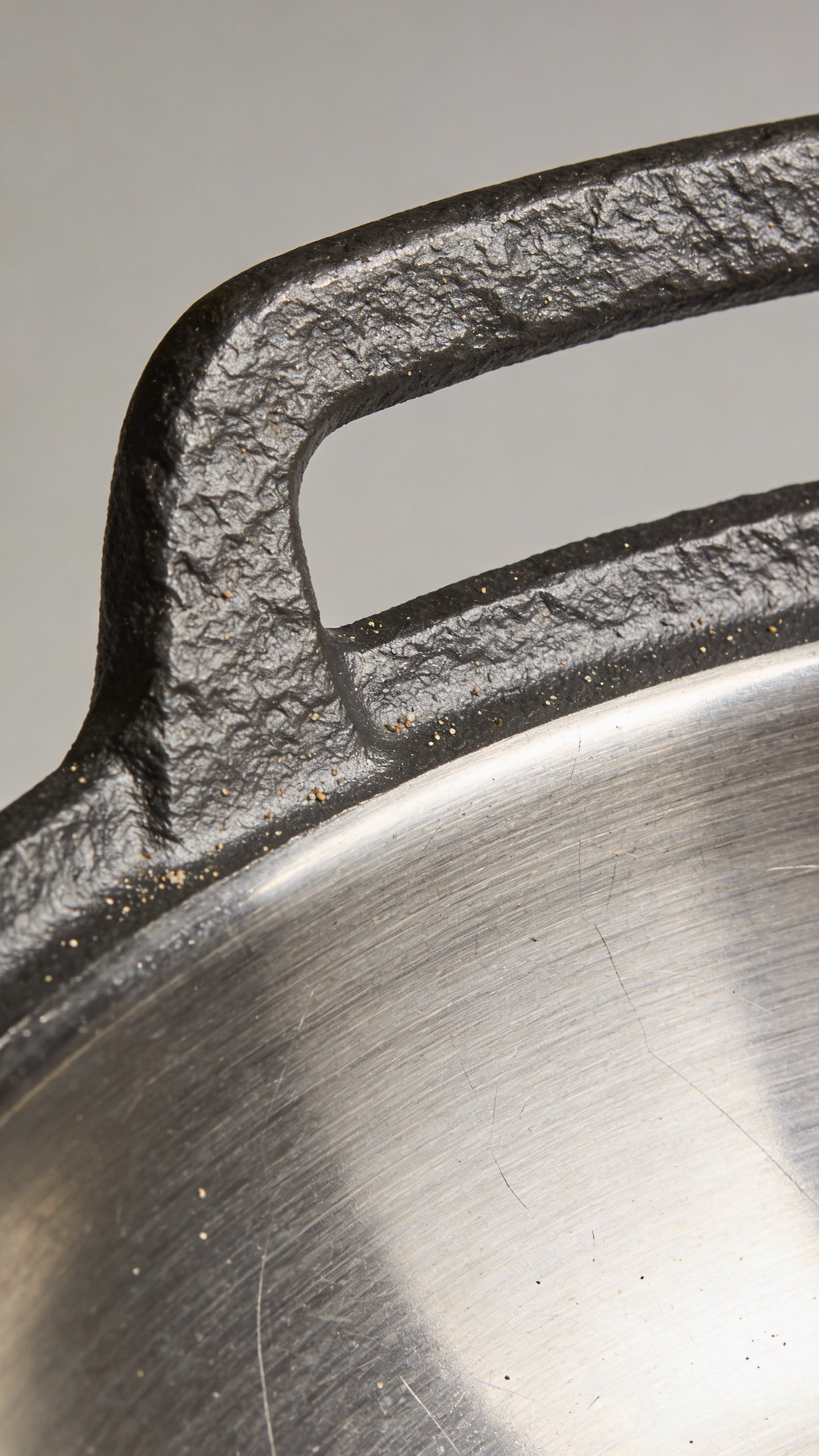
– Cast iron: Indestructible and naturally non-stick when seasoned. It’s a bit of a love affair—requires maintenance, but rewards with chef-level sears.
– Anodized aluminum: A middle ground—durable, with decent non-stick properties without relying on PTFE.
If you enjoy scrambling eggs without a splatter party, non-stick still has a spot in the kitchen. If you crave crusty sears and oven-to-table versatility, you might want to pair non-stick with other pans.
Practical buying tips for safety and performance
If you’re in the market, here are no-nonsense tips to help you pick well.
– Check the coating: Look for a smooth surface with even color. Wavy or pitted surfaces hint at cheap manufacture or wear.
– Read the warranty: A decent warranty signals confidence from the maker.
– Look up temperature rating: Some pans give you a max safe temp. If you tend to cook at high heat, this matters.
– Consider weight and balance: A pan that feels right in your hand makes better cooking decisions and reduces accidental overheating.
– Brand reputation matters, but so do user reviews. Don’t rely on glossy ads alone.
Conclusion
In a nutshell, are non-stick pans safe?
They’re safe for typical home cooking when you treat them right. Avoid overheating, skip rough handling, and replace damaged coatings.
If you love the ease of a slick pan for eggs and pancakes, keep a good non-stick around.
If you’re chasing the perfect sear, mix in some stainless or cast iron for best results.
It’s all about using the right tool for the job and not freaking out over every SMOKE CYCLE in your kitchen.
FAQ
Are there health risks from PTFE coatings when used normally?
Coatings are generally considered safe when used at normal cooking temperatures. The main caution is to avoid overheating or using a damaged pan, which can affect safety and performance.
Can I cook at high heat with non-stick pans?
Yes, but it’s not ideal for long sessions. Most non-stick pans perform best at medium to medium-high heat. If you need a hard sear, pull out a different pan and reserve the non-stick for gentler tasks.
How can I tell when my non-stick pan is worn out?
Visible scratches, peeling, or a noticeable loss of slickness are tells. If food sticks more than usual or you see flaking, replace the pan.
Is ceramic better than PTFE for health?
Ceramic coatings aren’t inherently safer or more dangerous. They have different durability profiles.
Both can be safe when used according to instructions and kept in good condition.
What’s the best way to care for non-stick cookware?
Use mild soap and a soft sponge, avoid metal utensils, store carefully, and don’t heat an empty pan on high heat.
Regularly inspect for wear and replace as needed. That’s the boring but real truth to longevity.


