

How Full to Fill Cake Pan Secrets for Perfect Rise
The cake pan is a goofy little gravity machine, and yes, it’s totally okay to judge it by how well it rises without slumping. The secret? It starts with how full you fill it. Don’t overthink it—just aim for evenly baked, not volcano-level adventures.
How to think about fill levels without overcomplicating your bake life
– You’re aiming for a nice, domed top that doesn’t kiss the oven rack.
– Different cake sizes and recipes mean different fills, but the rule of thumb is simple: roughly 1/3 to 2/3 full, depending on the batter.
– If your batter is thick or chunky, fill a touch less; if it’s airy, you’ve got more wiggle room.
Know your pan size and batter type
Batter physics is real, friends. The larger the pan, the less batter you need to reach a good rise. The smaller the pan, the more batter you can put in before overflow becomes a problem.
– Standard round 8-inch or 9-inch pans: 1/3 to 1/2 full for dense batters, 1/2 to 2/3 full for lighter, whipped batters.
– Bundt or tube pans: go closer to the 1/2 way mark, since you want a tall crown and plenty of surface area for that sweet crust.
– Lofty chiffon or angel food cakes: need more room to climb, so fill about 2/3 to 3/4 full. Yes, they rise a lot—don’t fight the physics.
How much batter is too much? Common mistakes to avoid
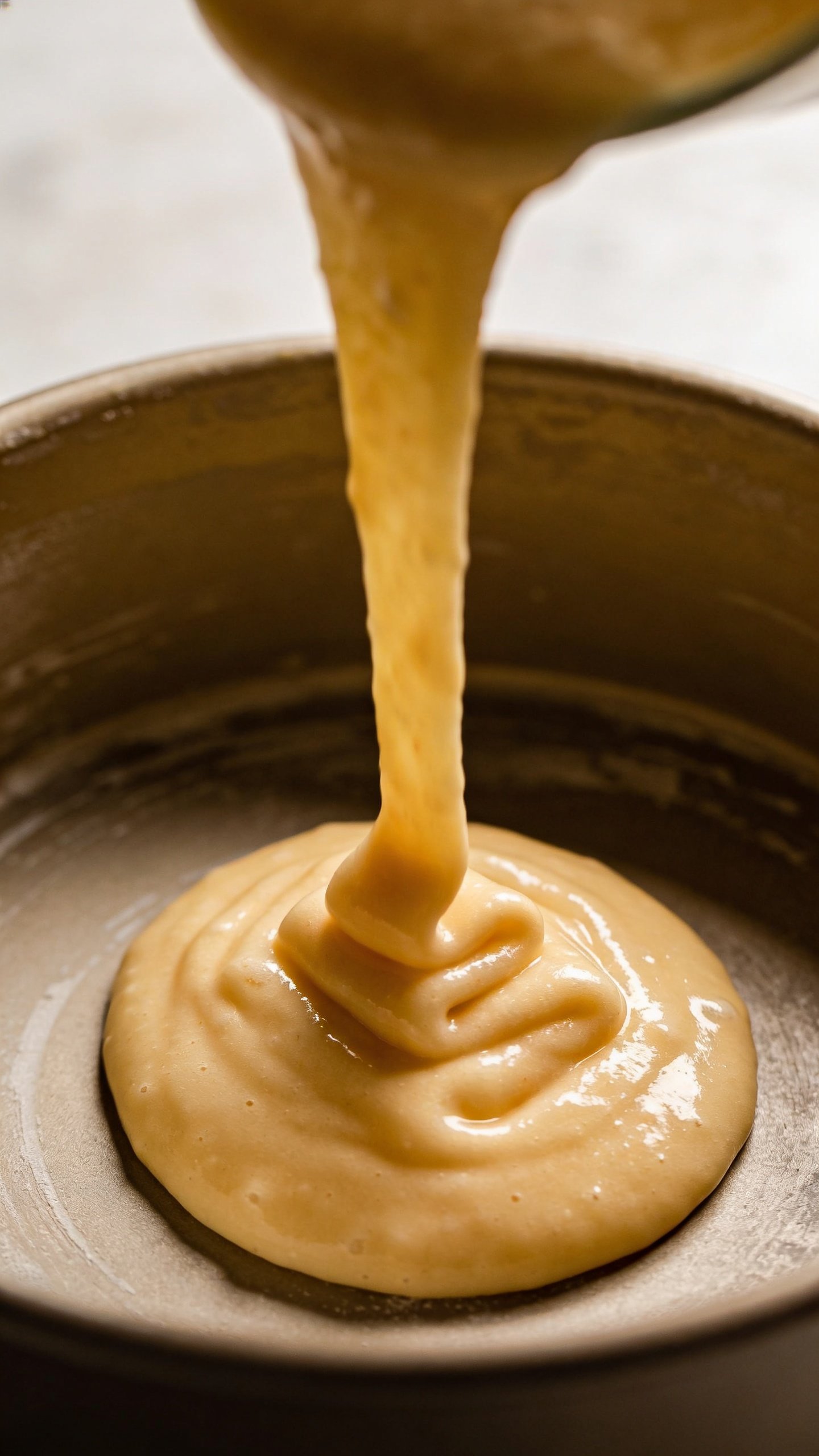
We’ve all had the “oops” moment when the batter leaks over like a chocolate lava flow. Don’t be that person.
– Overflow disasters usually happen when you fill too high. If you see batter creeping up the sides, stop it early.
– Don’t cram in extra batter just to avoid wasting a little. Batter expands; you’ll regret it when it erupts in the oven.
– Spreading batter evenly matters. A quick jiggle of the pan can help, but don’t smack it around. Gentle is good.
Practical tests you can do in 60 seconds
Want a quick, no-fuss way to know if you’ve got the right fill? Try these mini-checks:
– Visual cue: Aim for the batter to be about one finger’s width below the rim on a standard pan. If you can see the rim, you’re too low; if it’s overflowing, you’re too high.
– The shake test: Gently tap the pan on the counter. If the batter looks settled and even, you’re in the sweet spot. If there are craters or pools, adjust next time.
– The bake-time clue: Most cakes bake 25–35 minutes in a small round pan. If yours needs a lot longer or shorter, you probably filled wrong for that batter.
Tips for different batter textures
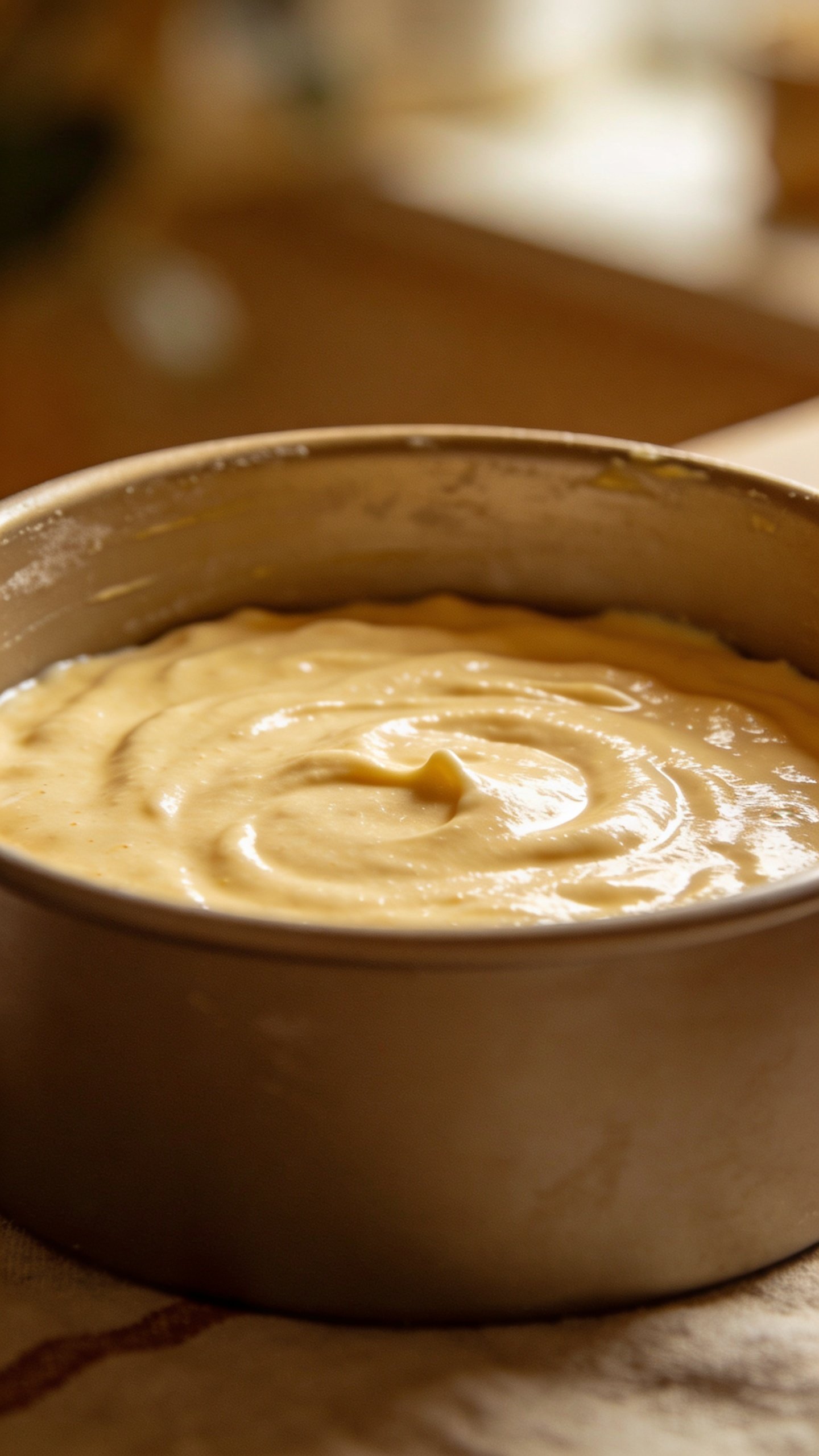
Different batters behave differently in the oven. Here’s how to tailor your fill for common types.
– Dense pound cake or carrot cake: 1/3 to 1/2 full. They’re not shy about staying compact, so give them room to rise slowly.
– Standard white or chocolate cake: 1/2 to 2/3 full for a nice dome. This is the sweet spot for most recipes.
– Whipped or airy batter (angel food, chiffon): 2/3 to 3/4 full. These need space to climb without hitting the top.
– Gluten-free or heavy batters: 1/3 to 1/2 full. They can be a bit stubborn, so don’t crowd them.
Layer cake tricks: stacking without disasters
If you’re making a multi-layer cake, you’ll often bake several thinner cakes. This is where precision matters.
– Bake thinner layers to about 1/2 inch above the pan’s halfway point, then trim for even stacking.
– Use parchment rounds to prevent sticking and make removal a breeze.
– Cool completely, then level and fill. Your future self will thank you.
Don’t forget about pan prep and oven dynamics
Filling is only part of the equation. Pan prep and oven quirks can ruin a perfectly filled batter.
– Greasing and lining: Use parchment on the bottom for easy release, and a light coat of butter or nonstick spray on the sides.
– Oven temperature matters: If your oven runs hot, you’ll see domes and sides that overcook. If it runs cool, you’ll get flat tops. Adjust bake time rather than pile more batter in.
– Rack position: Center rack is your friend. Too close to the top or bottom, and you’ll get uneven rise or scorching.
Hotspot mitigation
If you notice cake domes on one side or uneven rising:
– Rotating the pan midway through bake helps. Do it carefully so you don’t disturb the batter.
– If your oven has hot spots, rotate more often or schedule shorter bake intervals with checking.
What to do if it’s not rising right
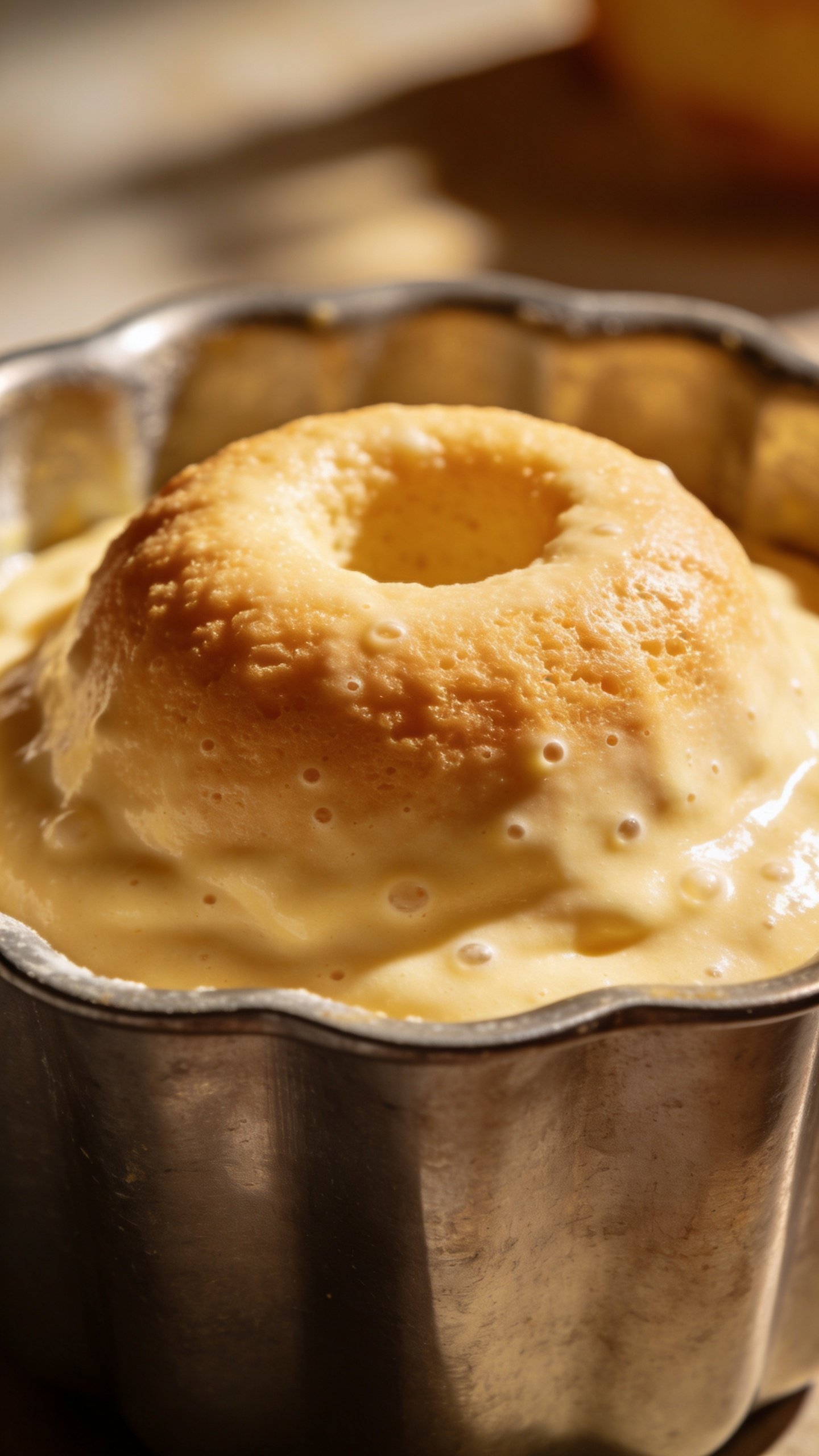
We’ve all been there: you pull a pan out and wonder where the dome went. Here’s how to save the day, or at least salvage the dessert.
– If the center is sunken but the sides are set, the batter may have collapsed after cooling. Try a quick re-bake with a foil tent if needed, but usually this is a lesson learned for next time.
– If the cake is raw in the middle, it likely didn’t reach peak temperature. Lower the oven rack, give it a bit more time, and consider covering the top with foil if it’s browning too fast.
– If you’ve overfilled, you’ll get a big peak and rough edges. Let it cool, trim the top, and use the extra cake for crumbs, crumbles, or cake pops. FYI, no one will judge you for reinventing leftovers.
Conclusion
Getting the fill right isn’t rocket science.
It’s about reading the batter, knowing your pan, and giving your cake room to grow.
Start conservative if you’re unsure, then adjust next time based on what you saw in the oven.
You’ll start to instinctively feel that sweet spot where the top wears a gentle dome and the sides stay put.
FAQ
How do I know the exact fill line for my pan?
Think in terms of the batter’s height: aim for about one finger’s width below the rim of a standard round pan. For taller, dome-prone batters, you can go a bit higher, but monitor closely as it bakes.
Can I reuse leftover batter in the same pan?
Not recommended. Reusing batter can lead to uneven rising and odd textures. If you must, bake a small test mini-loaf or muffin to see how it behaves before committing to the full bake.
What about untrimmed batter on a busy day?
Better safe than sorry: scale back the batter and bake a smaller cake or multiple mini pans. You’ll thank yourself later when it actually bakes through and looks presentable.
Why did my cake overflow or sink after rising?
Overflow usually means too much batter for the pan, while sinking means the center didn’t set before cooling. Check oven temperature, pan size, and whether you measured ingredients correctly. A quick thermometer check can save a lot of guesswork.
Are there tools that help with filling?
Yes. A simple kitchen scale helps you hit exact batter quantities. An offset spatula makes leveling easy, and a piping bag with a large round tip works wonders for distributing batter evenly in a pan.


