

Cocotte vs Dutch Oven: Which One Should You Choose for Your Kitchen?
Cocotte vs Dutch Oven which one is good for cooking ,is a question many times came in my mind so i collected some facts about it.
If you love slow-cooked meals, soups, stews, or even baking bread, you’ve probably come across the terms cocotte and Dutch oven.
At first glance, these two pieces of cookware may seem almost identical, but they each have unique qualities that can affect your cooking.
Choosing the right one can make a noticeable difference in the texture, flavor, and ease of your meals.
In this article, we’ll explore the differences and similarities between the cocotte and Dutch oven, helping you decide which is right for your kitchen.
What Is a Cocotte?
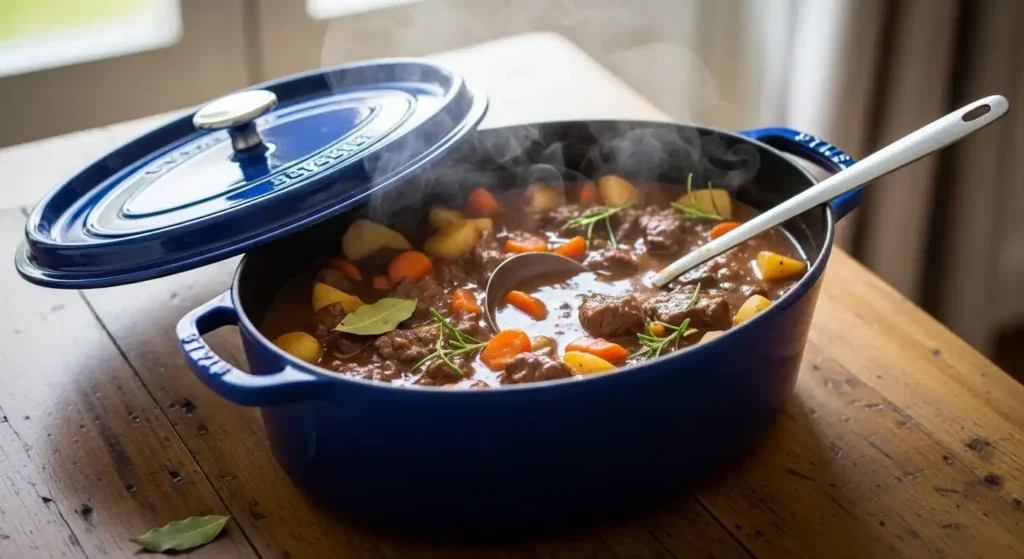
A cocotte is a French-style heavy-duty cooking pot, usually made from cast iron and often coated with enamel.
The word “cocotte” comes from the French term for a small chicken, reflecting its original purpose: cooking tender, slow-roasted dishes.
Cocottes are designed for even heat distribution, which makes them perfect for slow-cooked meals, braising, or simmering.
Their enamel coating also prevents sticking and reduces the need for excessive oil, which is a bonus if you want healthier cooking options.
One of the signature features of a cocotte is its tight-fitting lid, which helps trap moisture and flavors inside, ensuring tender results in every dish.
What Is a Dutch Oven?
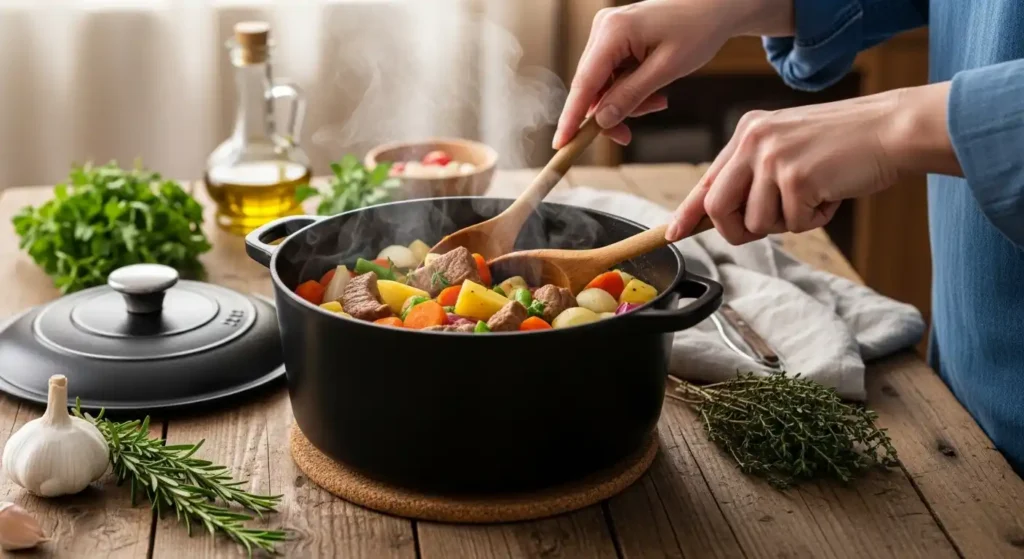
A Dutch oven is a versatile, heavy-duty pot that has been used for centuries for cooking over open flames or in ovens.
Like a cocotte, Dutch ovens are often made of cast iron and sometimes feature an enamel coating.
Traditionally, Dutch ovens were thick-walled pots that could hold up to several quarts of food.
They were valued for their ability to retain heat and distribute it evenly, which makes them ideal for simmering soups, stews, and even baking bread.
Dutch ovens come in various sizes and shapes, from round to oval, allowing you to choose the right one based on your cooking needs.
Cocotte vs Dutch Oven: Key Differences
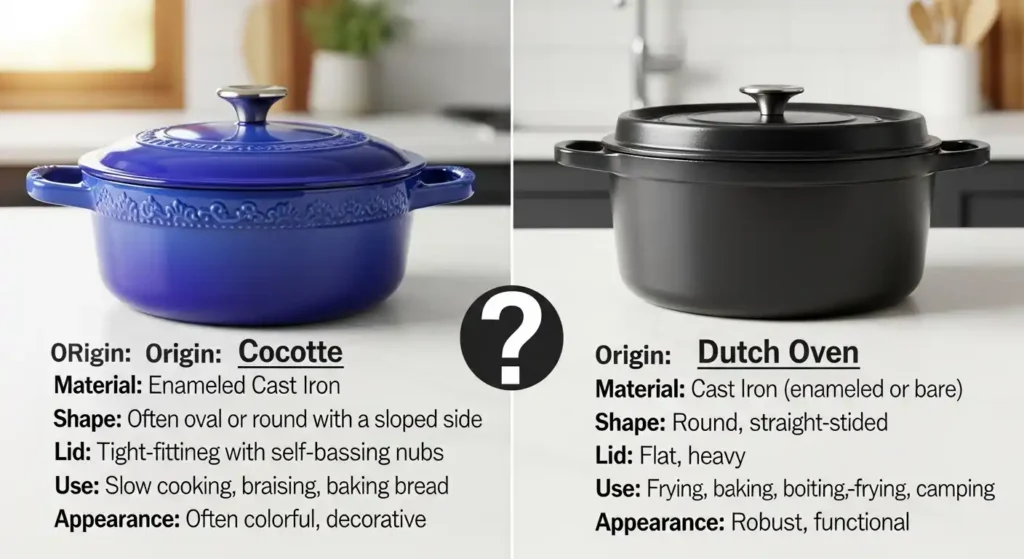
While both cocottes and Dutch ovens share similarities, there are some subtle differences that may influence your choice.
1. Origin and Design
The cocotte is French in origin and typically smaller and more decorative. It’s often sold as part of a matching cookware set and may be available in a range of vibrant colors.
The Dutch oven has European roots, particularly from the Netherlands, and was originally designed for utility rather than aesthetics. Dutch ovens tend to be larger, heavier, and more functional for big batches of food.
2. Size and Capacity
Cocottes are usually smaller, making them ideal for meals for two to four people. Their compact size helps maintain heat and moisture, perfect for slow-cooked casseroles, stews, and single-serve dishes.
Dutch ovens, on the other hand, are larger and more versatile for family-sized meals or when cooking multiple servings. The extra size also allows for baking bread or roasting large cuts of meat.
3. Weight
Both cocottes and Dutch ovens are heavy due to their cast iron construction. However, cocottes are generally lighter because of their smaller size, making them easier to handle for everyday cooking.
Dutch ovens are heavier, particularly the larger models, which can be a consideration if you need to move the pot frequently.
4. Lid Design
Cocottes often feature lids designed to self-baste. Some lids have small bumps or ridges that allow condensed steam to drip back onto the food, keeping it moist.
Dutch oven lids are usually flat and designed for tight sealing, but not all of them have the self-basting feature. However, they are excellent at retaining heat and can double as a skillet in some cases.
5. Aesthetics
If presentation is important, cocottes win in this category. Their colorful enamel and French design make them perfect for serving food directly from the pot.
Dutch ovens, while sturdy and practical, are often more utilitarian in appearance.
Cooking with a Cocotte
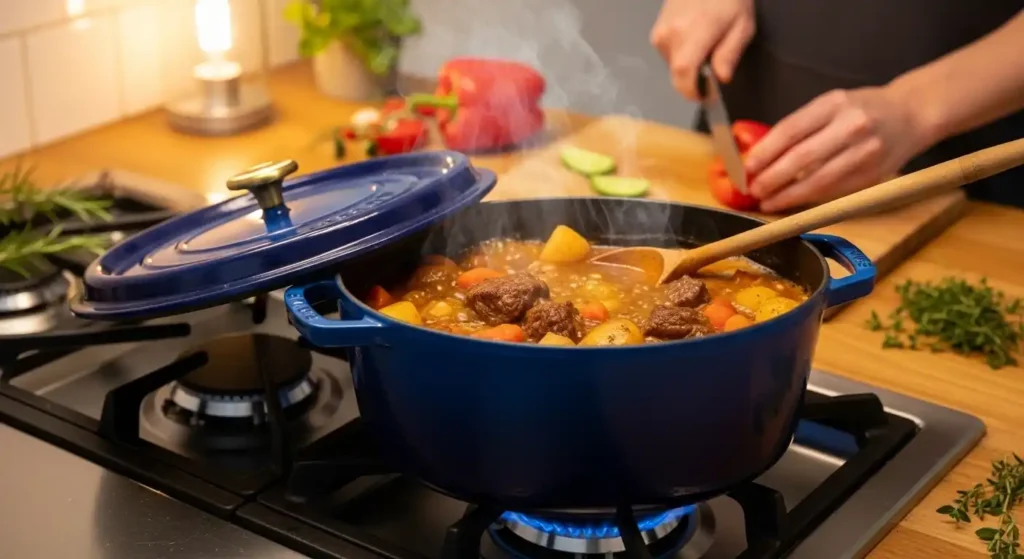
Cocottes are ideal for slow-cooked dishes, braises, and soups. Their compact size and even heat distribution allow you to cook meals that are tender, juicy, and flavorful without needing a lot of oil.
Some popular ways to use a cocotte include:
- Braising vegetables or chicken – the lid traps steam to create a moist environment.
- Slow-cooked stews – maintain gentle heat for hours.
- Baking small loaves of bread – the even heat helps develop a golden crust.
- Cooking single-serve casseroles – perfect for meal prepping.
Cocottes are also dishwasher safe in many cases, making cleanup easier than traditional cast iron pots.
Cooking with a Dutch Oven
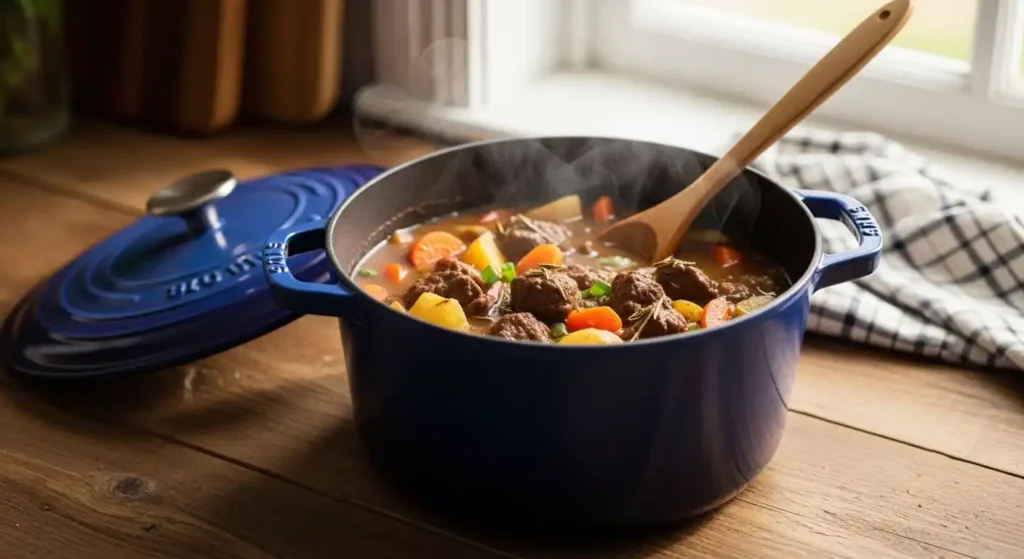
Dutch ovens are known for their versatility. They can be used on the stovetop, in the oven, and sometimes even over an open flame. This makes them ideal for:
- Large batch soups and stews – excellent heat retention ensures even cooking.
- Roasting vegetables or meats – the heavy lid keeps moisture locked in.
- Baking artisan-style bread – thick walls and tight lid create a crusty exterior.
- One-pot meals – the roomy interior allows you to cook multiple ingredients at once.
Because of their size, Dutch ovens are perfect for family meals or when entertaining guests.
Cocotte vs Dutch Oven: Which One Should You Choose?
When deciding between a cocotte and a Dutch oven, consider the following factors:
1. Meal Size
If you usually cook for one or two people, a cocotte might be perfect. It heats evenly and allows for precise cooking without wasting energy.
For larger meals, family dinners, or batch cooking, a Dutch oven is better due to its larger capacity.
2. Cooking Style
Cocottes excel at slow, moist cooking for tender, delicate dishes. They’re great for braises, stews, and small casseroles.
Dutch ovens are more versatile and can handle everything from soups and stews to roasting and bread baking. They’re ideal for long cooking sessions and heavier meals.
3. Storage and Handling
Cocottes are lighter and easier to store, making them convenient for small kitchens.
Dutch ovens are heavier, so if you plan to move them often, weight may be a consideration. However, their durability makes them a long-lasting investment.
4. Presentation
If you enjoy serving meals straight from the pot, cocottes win with their colorful enamel designs. Dutch ovens can be visually appealing too, but they’re generally more practical than decorative.
Care and Maintenance
Both cocottes and Dutch ovens require care to maintain their enamel coating and longevity. Here are some tips:
- Avoid using metal utensils on enamel surfaces to prevent scratches.
- Clean gently with warm, soapy water; avoid harsh abrasives.
- Dry thoroughly to prevent rust on any exposed cast iron.
- For traditional non-enamel cast iron Dutch ovens, seasoning with oil is necessary to maintain a nonstick surface.
With proper care, both types of cookware can last decades and even become family heirlooms.
Final Thoughts
When it comes to cocotte vs Dutch oven, there isn’t a single “better” option—both are excellent pieces of cookware with slightly different strengths.
- Choose a cocotte if you prefer smaller, elegant cookware for slow-cooked dishes and serving directly at the table.
- Choose a Dutch oven if you want a larger, versatile pot that can handle big meals, roasting, and even baking.
Many home cooks eventually find that having both in their kitchen provides maximum flexibility.
The cocotte is perfect for smaller, delicate meals, while the Dutch oven is ready for hearty family dinners and all-in-one cooking.
Investing in quality cast iron—whether a cocotte or Dutch oven—means you’ll enjoy even cooking, retained moisture, and durability for many years.
No matter which one you choose, both cocottes and Dutch ovens elevate your cooking and make preparing home-cooked meals a joy rather than a chore.


