

DIY Vanilla Extract: How to Make the Good Stuff and Brag About It Later
If you’ve ever peeked at the baking aisle in your grocery store, you know that not all vanilla extracts are created equal.
There’s the cheap stuff in plastic bottles, the “imitation” labels, and then there’s the kind that makes your cookies, cakes, and even pancakes taste like a hug from the universe.
So, why not skip the middleman and make your own? Today, we’re diving into DIY vanilla extract: how to make the good stuff and brag about it later.
Trust me—once you taste homemade vanilla, store-bought will feel like child’s play.
Why Homemade Vanilla Extract is Worth the Hype
First things first: why bother making vanilla extract at home? Isn’t store-bought easier?
Sure, but homemade vanilla comes with perks that are impossible to ignore:
- Flavor explosion: Your desserts get a richer, deeper flavor that’s hard to find in commercial extracts.
- Control: You choose the quality of vanilla beans, the alcohol base (or alcohol-free options), and even experiment with flavor twists.
- Impress factor: Imagine casually mentioning, “Oh, this? I made my own vanilla extract.” Bragging rights unlocked.
- Cost-effective: Sure, premium vanilla beans are pricey, but one batch of homemade extract lasts months and multiples, making it cheaper in the long run.
And honestly, there’s something oddly satisfying about shaking a jar and seeing those beans floating like little flavor capsules, knowing you made it from scratch.
Ingredients You’ll Need
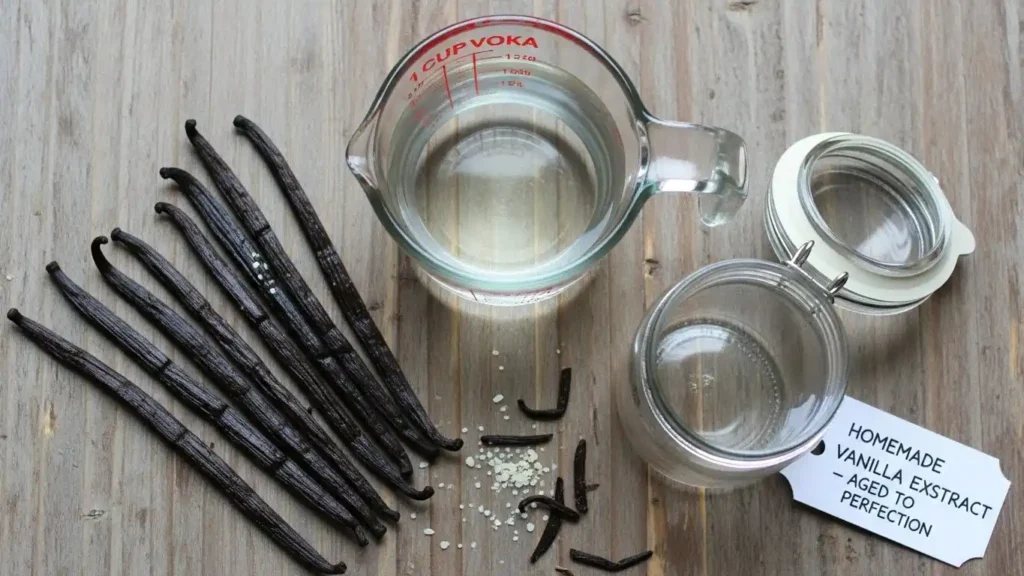
Here’s the simple shopping list for the classic version. I promise, it’s easier than it sounds:
- Vanilla beans: 6–8 whole beans (choose Madagascar for classic flavor, or Tahitian for a floral twist)
- Vodka (or other neutral alcohol-free alternatives): 1 cup
- Glass jar with tight lid: Mason jars work perfectly
Optional variations:
- Maple syrup or honey: For a slightly sweetened extract
- Other spices: A cinnamon stick, vanilla pods with a hint of cocoa nibs, or a few cloves for a subtle twist
Pro tip: Invest in good-quality vanilla beans. The beans are the heart of the flavor, so don’t skimp.
Step-by-Step Instructions
Making vanilla extract is more “patience game” than “kitchen wizardry.” Here’s the process:
- Prep your beans: Slice each vanilla bean lengthwise, exposing the tiny seeds inside. Don’t remove the seeds—they’re the magic.
- Jar it up: Place the split beans into your clean glass jar. If you want to be fancy, you can cut them into shorter pieces so they fit nicely.
- Add the liquid: Pour your vodka or alcohol-free alternative over the beans, ensuring they’re fully submerged.
- Seal and shake: Close the lid tightly and give the jar a good shake.
- Store and wait: Place your jar in a cool, dark spot. Shake the jar every week or so to mix the flavors.
Patience is key. Your vanilla extract will start showing color after a few weeks, but it really hits its peak flavor at 8–12 weeks. Yes, it’s a long wait—but the payoff? Pure magic.
Tips for the Perfect Vanilla Extract
To really master the DIY version, a few simple tweaks make a huge difference:
- Don’t rush it: 2–3 weeks will give you some flavor, but the best depth comes after 2–3 months.
- Shake it up: Weekly shaking ensures the beans release their oils evenly.
- Reuse the beans: When the first batch is done, don’t toss the beans. Top off with fresh alcohol for a second (weaker but still flavorful) batch.
- Experiment: Add a vanilla bean to your sugar jar for vanilla-infused sugar, or drop a piece in hot milk for a quick flavor boost.
How to Brag About It Later

This is the fun part. Once your extract is ready:
- Bottle it nicely: Use small glass bottles with corks or swing-top jars. A ribbon or label makes it look like a gift from a bakery.
- Gift it: Your friends and family will be genuinely impressed, especially when they taste the difference in cookies or cakes.
- Use generously: Homemade vanilla makes desserts taste next-level. Imagine pancakes, custards, frostings, or ice cream with that rich aroma—pure showstopper.
Side note: People will ask where you bought it. Smile mysteriously and say, “Oh, I just whipped it up at home.” Nothing beats that humble brag.
Alcohol-Free Variations
Not everyone wants alcohol in their kitchen (or desserts). No problem! You can still create a deeply flavorful vanilla extract without vodka:
- Glycerin-based extract: Use food-grade glycerin instead of alcohol. The process is the same: pour over split beans, seal, and wait.
- Vanilla syrup: While technically not an extract, simmering vanilla beans with water and sugar creates a liquid you can add directly to recipes. It’s perfect for baking or coffee.
Even without alcohol, the flavor extraction works slowly, so patience is still your best friend.
Common Mistakes to Avoid
Even seasoned home cooks can fumble the simplest things. Avoid these missteps:
- Using too few beans: The beans are the flavor powerhouse. Don’t cut corners.
- Shaking too rarely: Oils settle, and flavor won’t develop evenly.
- Skipping the dark storage: Light degrades vanilla quality. Keep it in a pantry or cabinet.
- Opening too often: Every time you open the jar, you slow the flavor extraction process. Wait patiently.
Creative Twists
Once you’ve mastered the basic DIY vanilla extract, have fun:
- Chocolate vanilla extract: Add a few cocoa nibs to the jar for a subtle chocolate undertone.
- Citrus infusion: Toss in a strip of lemon or orange peel for a bright flavor boost.
- Spiced extract: Cinnamon, nutmeg, or a pinch of star anise adds warmth to cookies and pies.
These variations are perfect for gifting or just impressing your own taste buds.
Storage & Shelf Life
- Storage: Keep the extract in a cool, dark spot. No refrigeration needed.
- Shelf life: Homemade vanilla extract improves with age and can last indefinitely. Seriously—some people pass down jars for years.
A small jar in your pantry could end up being your secret weapon for dessert domination.
Why It’s Worth the Effort
Making your own vanilla extract is more than a kitchen experiment. It’s a way to:
- Connect with classic cooking techniques
- Elevate everyday baked goods
- Impress friends and family effortlessly
Once you taste the difference, it’s hard to ever go back to store-bought. You’ll notice the subtle, rich aroma in cakes, cookies, and custards.
It’s a flavor upgrade that’s genuinely noticeable and worth every minute of waiting.
Final Thoughts
So, there you have it: DIY vanilla extract: how to make the good stuff and brag about it later.
It’s simple, rewarding, and yes, a little addictive. Making it at home means you control quality, flavor, and presentation.
And when your friends taste the depth and richness, you can casually drop that humble-brag line: “I made that.”
Trust me, once you’ve made your first batch, you’ll never go back. Shake it, wait for the magic, and enjoy the subtle but profound difference in every dessert.
FAQ (Frequently Asked Questions)
Q1: Can I use imitation vanilla beans?
Technically, yes—but you won’t get the rich, authentic flavor that real beans provide. Don’t cheat yourself.
Q2: How long before I can use my extract?
You can use it after 4 weeks, but for best results, wait 8–12 weeks. Patience pays off.
Q3: Can I make a small batch?
Absolutely. Just maintain the same ratio of beans to liquid. It’ll still be potent and flavorful.
Q4: What if my jar isn’t completely full of liquid?
Top off with more vodka or glycerin to cover the beans. Exposure to air slows extraction.
Q5: Can I double the beans for faster flavor?
More beans = stronger flavor, but it still needs time. Extraction is a slow process—you can’t rush perfection.
Q6: Can I add sweeteners?
Yes! Maple syrup or honey works, especially if you like a slightly sweet extract for baking.
Q7: How do I know when it’s ready?
The liquid will darken, smell intensely of vanilla, and taste rich. If it’s light or bland, give it more time.


