

Dutch Oven Vs Roasting Pan: Which Wins Your Kitchen?
If you cook at home, you’ve probably bumped into a pretty classic kitchen debate: dutch oven vs roasting pan.
One cooks pot roast like a cozy hug; the other shifts from oven to sheet pan like a fast, crispy flex.
Spoiler: you don’t need to choose one forever. You can harness both, depending on the dish and your mood.
What you’re really choosing between
– A dutch oven is typically a heavy, lidded pot made of cast iron (sometimes enamel-coated). It excels at braises, stews, and anything that benefits from steady heat and moisture.
– A roasting pan is usually a shallow, wide pan, often with low sides and a rack. It shines when you want browning, crisper edges, and high-heat roasting.
If you want sauces that post themselves and meat that stays juicy, think dutch oven. If you crave golden, crackly skins and speedy sheet-pan meals, think roasting pan. Easy, right? Not always. Let’s dive deeper.
Moisture, heat, and how heat travels
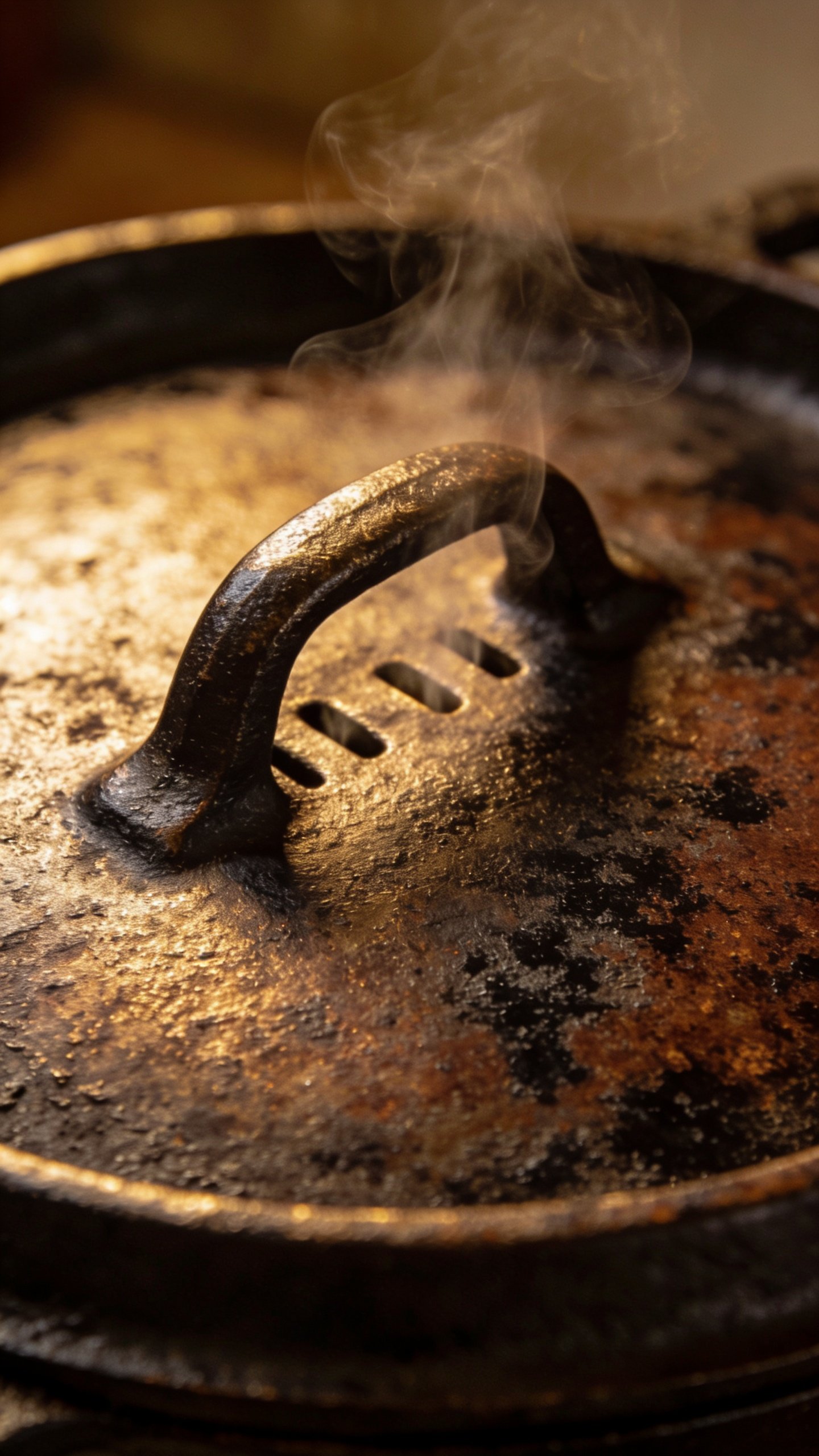
– Dutch ovens trap steam. The heavy lid plus tight fit means braises stay moist and flavors mingle like a family reunion.
– Roasting pans vent more. The open design encourages evaporations, which helps with browning and crust formation.
When moisture matters
– For braises and pot roasts: the dutch oven is your best friend. The steam keeps meat tender and sauces rich.
– For roasted vegetables or crispy chicken skin: a roasting pan helps you get that edge-to-edge caramelization.
Texture and flavor outcomes
– In a dutch oven, you get luscious, deeply developed flavors from long, slow cooking. The meat practically falls apart, and the sauce clings to every bite.
– In a roasting pan, you get bold textures: crunchy edges, blistered skins, and a sauce that’s more of a finish than a soak.
Which structure wins what
– Pot roasts, stews, chili, and braises: go dutch oven.
– Roast chicken, tender vegetables, crispy potatoes, and sheet-pan suppers: go roasting pan.
– FYI: you can brown meat in a dutch oven on the stove, then finish in the oven for a hybrid approach.
Size, weight, and kitchen logistics
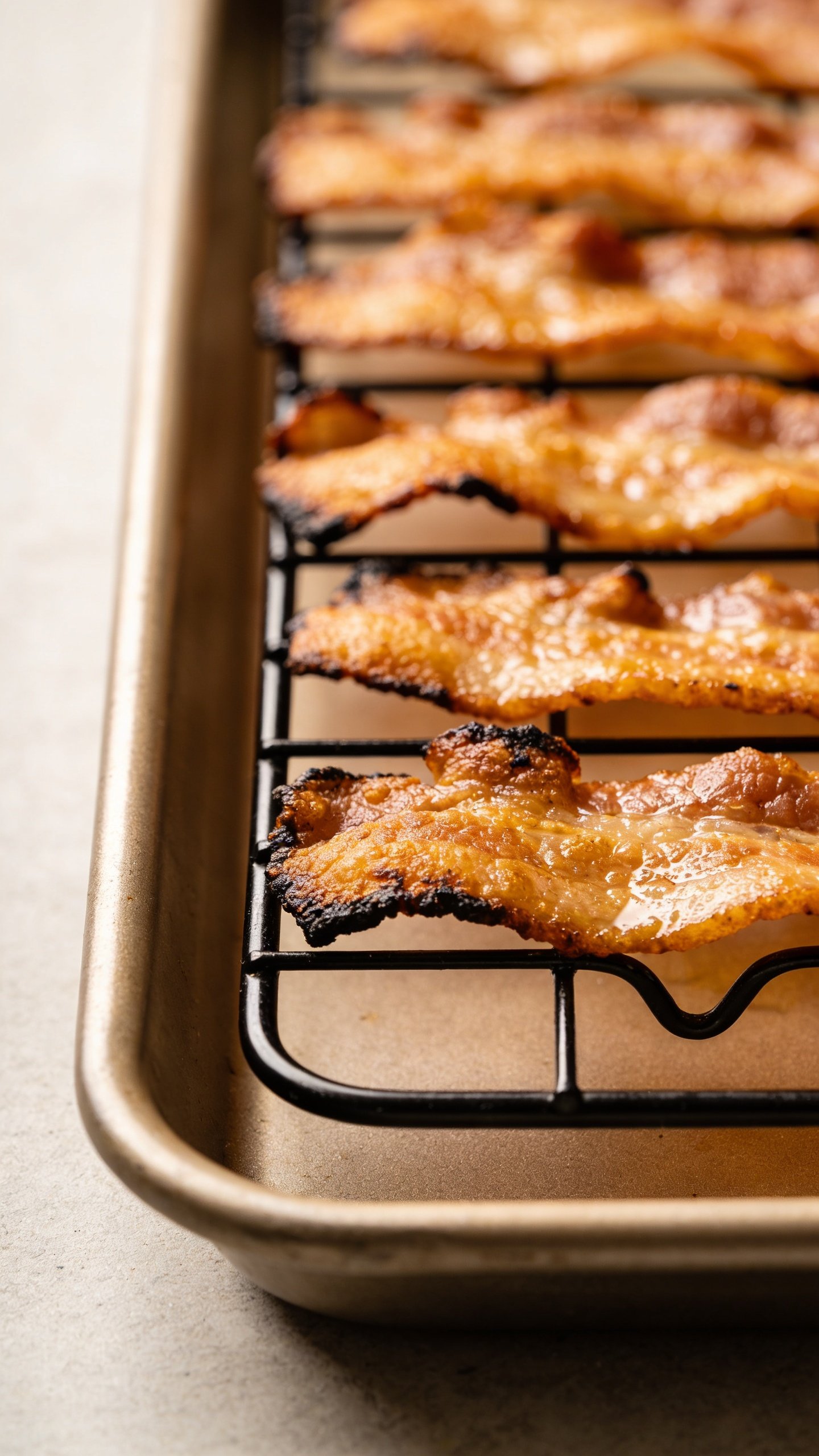
– Dutch ovens come in various sizes, from 4-6 qt to 7-9 qt. They’re hefty, but they distribute heat beautifully.
– Roasting pans are lighter and come in formats from shallow sheet pans to deeper roasting pans with rack options.
Storage and care considerations
– Enamel-coated cast iron cleans up easier than bare cast iron but can chip if you’re not careful.
– A metal or nonstick roasting rack can be nice, but it’s not strictly required. Just don’t crowd the pan—air needs to move.
Cooking speed and efficiency
– Dutch ovens shine with slow, patient cooking. Low and slow often yields the most flavorful results.
– Roasting pans are all about speed. High heat, short time, and a bit of bullseye timing for that perfect roast.
- For a dramatic Sunday braise, pick the dutch oven.
- For a quick weeknight supper, choose the roasting pan.
- Want a balance? Brown something in a dutch oven, then finish in a regular oven on a sheet pan.
Versatility: do you need both?
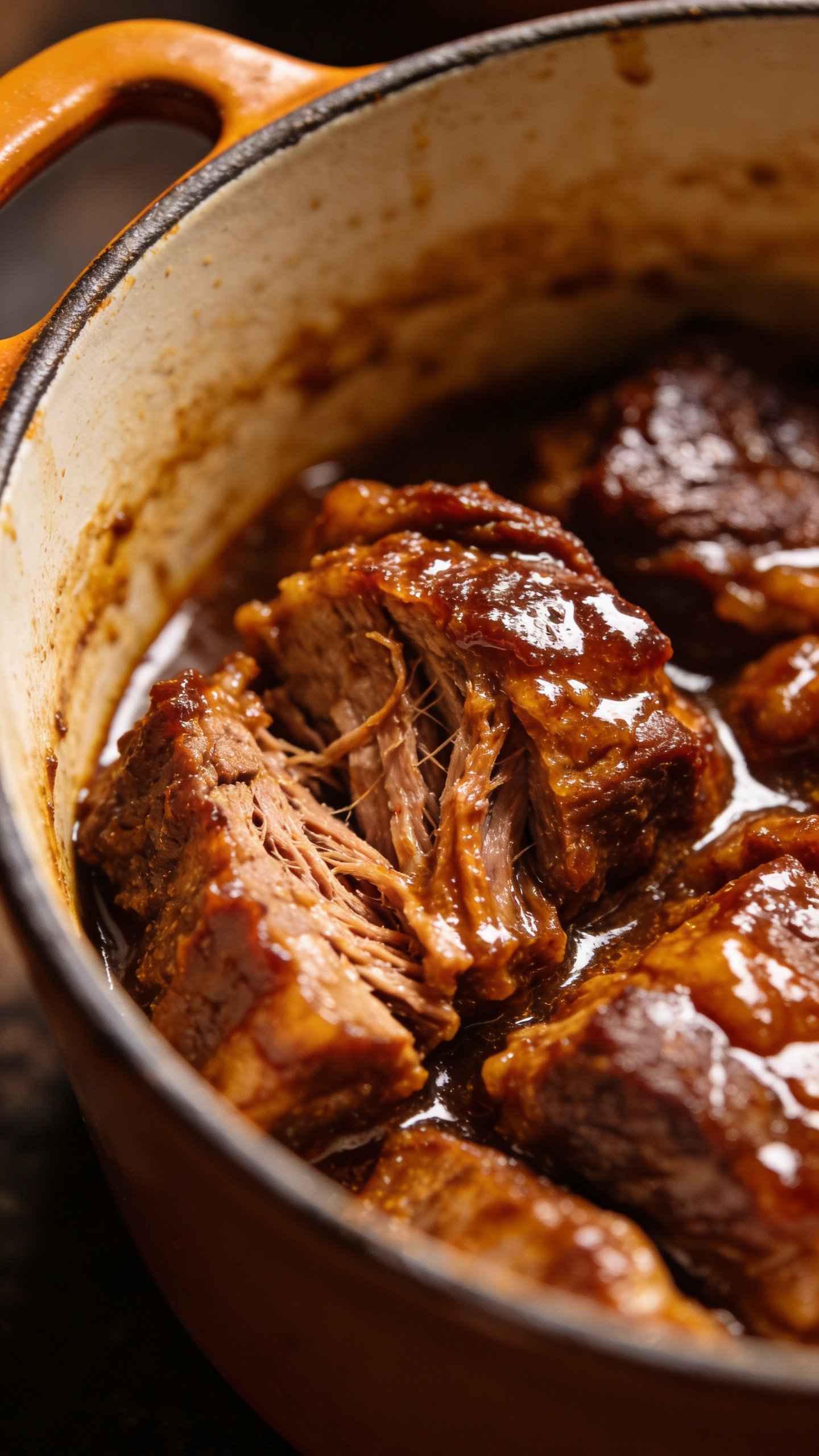
– If you cook a lot of soups, stews, and one-pot meals, a dutch oven will be your constant companion.
– If you love roast vegetables, casseroles with crispy tops, or big sheet-pan dinners, a good roasting pan is essential.
Budget and durability
– A solid Dutch oven buys you years of service if you treat it right. Cast iron loves abuse; it loves even more when you season it properly and keep it dry.
– Roasting pans can be cheaper and lighter, but you’ll want a sturdy rack and a material that won’t warp in the oven.
Common mistakes and how to avoid them
– Not preheating or not heating evenly: gives you uneven browning. Let your dutch oven heat up with the oven or preheat the pan for sheet-pan recipes.
– Crowding the pan: you’ll steam rather than roast. Leave space for air to circulate to get that crispiness.
– Overcrowding the lid: not closing properly can lead to uneven moisture. Make sure lids fit snugly on a Dutch oven.
Practical pairings: what I actually reach for
– Weekend beef short ribs? Dutch oven, no question. Brown, braise, cover, and simmer until they’re velvet.
– Weeknight roast chicken with carrots? A shallow roasting pan does the trick. High heat, small cleanup, big flavor.
– Veggie-forward dishes like ratatouille? A wide pan for even cooking, then stir in a pot to finish if you want a sauce.
Maintenance and care: keep them going
– For enameled cast iron: wash with warm, soapy water; avoid harsh abrasives; dry immediately to prevent rust on exposed edges. If it chips, don’t panic—many lines are still perfectly usable.
– For bare cast iron: scrub, dry, apply a light oil layer, and store with a dry surface. Don’t soak overnight; you’ll invite rust and drama.
– For roasting pans: dishwashers are hit or miss depending on coating. Hand wash when possible to extend life. Racks can be removable—great for airflow and easy cleanup.
Conclusion: the short version
If you crave deep, soulful flavors and juicy tenderness, reach for the Dutch oven.
If you want crispy edges, quick weeknight meals, and simple cleanup, grab a roasting pan.
And if you’re unsure, here’s the pro move: brown in the dutch oven, then finish in a roasting pan to combine the best of both worlds.
IMO, you’ll end up using both anyway.
FAQ
Can I substitute a Dutch oven for a roasting pan?
Paragraph: Yes, in many cases you can. If you’re roasting a chicken breast or vegetables, you can use a Dutch oven with the lid off or off for some of the cooking to promote browning. Expect a bit more moisture retention than a bare roasting pan would give.
What’s the best material for a roasting pan?
Paragraph: Stainless steel with a good rack is reliable, but anodized aluminum or nonstick options work well, too. The key is heat distribution and a rack that keeps food elevated from the oil or juices.
Is enamel-coated cast iron better than bare cast iron?
Paragraph: Enamel-coated is easier to clean and won’t require seasoning. Bare cast iron conducts heat beautifully and builds a seasoned surface over time. Both are excellent; it’s mostly about your maintenance style and how you cook.
How do I avoid sticking when braising in a Dutch oven?
Paragraph: Preheat the pot, dry the meat well, and sear in small batches so you don’t crowd it. A little oil in the pan helps, and don’t rush the sear—color equals flavor.
Is a lid really necessary for a Dutch oven?
Paragraph: For braises and stews, yes. The lid traps moisture and concentrates flavors. If you’re aiming for crispy tops on a dish, you can remove the lid toward the end to finish, but you’ll lose some moisture in the process.
Can I use a Dutch oven on the stovetop and in the oven?
Paragraph: Absolutely. This flexibility is one of the Dutch oven’s big selling points. Sear on the stove to develop flavor, then transfer to the oven to finish gently.
If you want more practical recipe ideas that play to each pan’s strengths, I’ve got you covered.
Just tell me what you’re craving—braised beef, crispy chicken, or a veggie-forward roast—and I’ll sketch out a plan that uses the right tool for the job.


