

French Skillet Vs Fry Pan: Which Wins Your Kitchen?

The skillet wars are on, and the battlefield isn’t far from your stove. French skillet? vs Fry pan? It sounds fancy, but the truth is simpler: one tool is the right vibe for certain cooks and certain meals.
Let’s cut through the naming confusion and figure out which pan actually belongs in your kitchen—and why you’ll reach for one over the other.
What’s in a name, really? The quick identity check
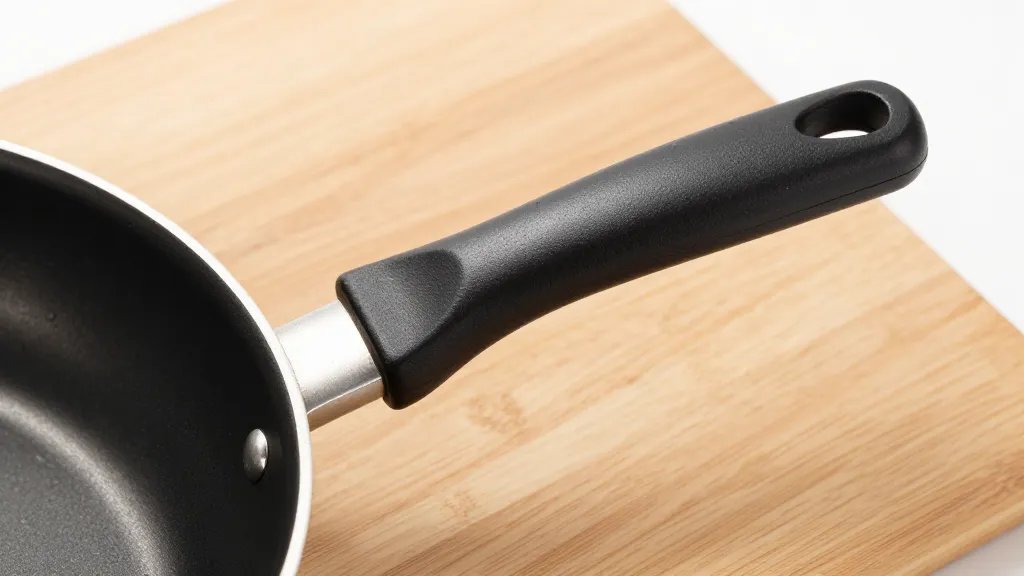
A fry pan is your everyday hero: flat bottom, shallow sides, and a handle that won’t quit.
A French skillet—often called a “casserole” or “poêle” in French kitchen talk—tends to come with a slightly higher rim and a touch more versatility in some regions. In practice, though, the lines blur more than you’d think.
The bottom line: if it’s a shallow, rounded skillet with a long handle, you’re probably in fry pan territory.
If it’s a low-to-mid rim with thermal drama or a lid, some folks call it a French skillet for that extra chef-y vibe. IMO, just pick the pan that matches the job, not the label.
Material matters: steel, cast iron, nonstick, and how they behave
– Nonstick pans are dreamy for eggs and delicate fish. They slide around like butter on hot toast, but you’ll want to baby them with medium heat and gentle cleaning.
– Cast iron brings heat retention and a crust-craving sear. It’s heavy, drama-filled, and incredibly versatile. Great for high-heat searing, cornbread, and even baking. Just remember to season it and don’t soak it forever.
– Stainless steel shines when you want a good deglaze and kitchen confidence. It’s a workhorse that fights sticking with a little oil and patience.
– Carbon steel sits somewhere between cast iron and stainless. It heats up fast, develops a patina, and loves a good seasoning rub. Think of it as a lighter, nimbler cast iron cousin.
Which one is “French skillet” material? In many households, the French skillet leans toward stainless or carbon steel, leaning into precise temperature control and a fast response. Fry pans often get a nonstick or stainless setup, because quick weeknight meals don’t want to wait for alignment with a cast iron’s tempo.
Size and shape: when does the geometry matter?
– Fry pans usually sit around 8 to 12 inches in diameter. They’re your quick-turnaround canvas for steaks, chicken breasts, and sautéed veggies.
– French skillets, when they exist in modern kitchens, tend to be a touch deeper than a classic fry pan, which can help trap flavors and tolerate more liquid if you’re braising a small amount or finishing a dish with a quick simmer.
– Depth matters because more headroom means more even heat distribution when you toss sauces, reduce liquids, or flip a pancake like a champ.
Quick shape hack: a slightly taller rim reduces splatter, but can complicate tossing. If you love a good flip, aim for a shallow profile and a wide surface. If your simmering instincts kick in, go deeper. See what kind of cooking you do most, then let the pan shape reflect that.
What you actually cook determines the winner
– For searing and quick sautéing: a sturdy fry pan (preferably cast iron or stainless) wins. It handles high heat and gives you that glorious fond for pan sauces.
– For simmering, braising, or finishing a dish in the pan: a French skillet can shine. A deeper skillet with a lid gives you room for bubbling sauces without splatter drama.
– For breakfast, eggs, and delicate items: nonstick fry pans make your mornings smoother. You’ll thank your future self for not scrubbing stubborn egg savings off the surface.
FAQ-style aside: FYI, a lot of “French skillets” you’ll see today are just carbon steel pans marketed with a fancy name. They perform brilliantly once seasoned and warmed properly, but they’re still just an upgraded fry pan in most kitchens.
Maintenance: loving your pan the right way
– Cast iron: rinse, dry, and lightly oil after use. If you hate seasoning, you’ll hate cast iron, but I promise it’s worth it. A well-seasoned surface makes a serious nonstick partner.
– Carbon steel: similar maintenance to cast iron, but lighter. Preheat, oil lightly, and avoid soaking for long stretches. Season occasionally, especially if you notice sticky spots.
– Stainless steel: wash with warm, soapy water. A quick deglaze after searing helps keep the pan singing. If you see stuck-on bits, soak for a bit or use a non-abrasive pad.
– Nonstick: gentle hand wash, avoid metal utensils, and don’t heat empty for extended times. Replace when the coating wears thin.
Heat management: how to coax the best from either pan
– High heat is your friend for searing. It creates that beautiful crust and builds flavor in the fond.
– Medium heat is your best friend for most day-to-day cooking. It prevents sticking and gives you more control over sauces.
– Low heat is for finishing sauces or keeping a delicate dish warm. Don’t rely on low heat to reheat a heavy sauce—that’s when you’ll need a touch more technique.
If you’re using a carbon steel or cast iron pan, preheat gradually. A sudden burst of heat can warp the surface or cause uneven cooking. If you see steam or oil smoking too quickly, back off a notch and let the pan find its groove.
What about versatility? Can one pan do it all?
– The ideal kitchen has a couple of pans that fill distinct roles. A reliable fry pan (stainless or cast iron) for searing, sautéing, and weeknight meals.
– A mid-sized French skillet for braises, stovetop-to-oven finishes, or dishes that benefit from a lid and slightly deeper sides.
– Bonus: a nonstick pan for eggs and delicate items. It’s not the workhorse, but it’s the everyday helper.
If you’re building a collection, start with a solid fry pan and then add a skillet with a lid for more flexibility. You’ll be surprised how quickly your confidence grows when you’re not fighting your tools.
Deeper dive: seasoning, patina, and long-term love
Seasoning a carbon steel or cast iron pan
– Start with a clean slate: scrub lightly, dry, and heat the pan to dry any moisture.
– Apply a thin coat of high-smoke-point oil (like flax, grapeseed, or canola). Wipe away excess.
– Bake at a high temperature for an hour, then cool. Repeat a few times for a stronger patina.
– Use the pan regularly; every time you cook with oil, you strengthen that natural nonstick coating.
Getting the most out of a nonstick fry pan
– Use medium heat and avoid preheating empty, which can wear the coating fast.
– Use wooden or silicone utensils to protect the surface.
– Replace when the coating starts to peel or scrape off. No one wants questionable omelets.
FAQs: quick answers to common questions
Is a French skillet just a fancy fry pan?
Yes, but it can imply a slightly deeper pan with a lid and a nod toward European cookware traditions. In many kitchens, the terms are interchangeable for practical purposes. IMO, focus on the pan’s actual features rather than the name.
Which should I buy first, a fry pan or a French skillet?
If you cook a lot of searing and quick sautéing, start with a good fry pan. If you crave versatility for braises and stovetop-to-oven dishes, add a French skillet later. FYI: a carbon steel pan is a happy middle ground.
Do I need both nonstick and cast iron?
Not strictly, but it makes life easier. Nonstick for eggs and delicate foods; cast iron for high-heat searing and robust flavor development. You’ll notice a big difference in texture and control.
How do I clean and maintain these pans without wrecking them?
– Nonstick: hand wash gently, dry immediately.
– Stainless steel: wash, dry, and occasionally polish with a touch of oil.
– Cast iron and carbon steel: avoid soaking; dry promptly; oil lightly to prevent rust. Re-season as needed.
Conclusion
So, which pan wins the showdown? The truth is, they’re best friends, not rivals. A fry pan handles fast, high-heat tasks with ease.
A French skillet expands your repertoire, offering depth for braising, simmering, and finishing a dish in the same vessel.
The smart kitchen blends both: a sturdy fry pan for searing and weeknights, plus a versatile skillet for those “I’m feeling fancy” moments.
If you’re starting from scratch, pick a reliable fry pan in your preferred material. Then, add a French skillet that fits your stove space and cooking style.
You’ll be amazed at how quickly your weeknight meals feel more confident and a little more delicious.
And hey—FM–FYI, you don’t have to choose a side in this war. Embrace the skillet squad and cook like you actually enjoy it.


