

Greenpan Vs Greenlife: Which Nonstick Wins

You’re here for real talk about two popular choices, not a chemistry lecture, the Greenpan Vs Greenlife.
The hype around nonstick cookware can be exhausting, but greenpan and greenlife keep things interesting without turning into a sci‑fi saga.
Let’s cut to the chase and figure out which one fits your kitchen vibe.
What these brands actually stand for
Greenpan and Greenlife aren’t just catchy names with eco vibes. Both brands push healthier nonstick options with ceramic coatings instead of traditional PFOA-based pans.
The catch? “Green” isn’t a guarantee of perfection, and not all lines are created equal.
Greenpan has a long reputation for pioneering ceramic nonstick.
They often emphasize durability, even heat distribution, and a commitment to simpler, cleaner coatings. Greenlife, while sharing the same ceramic coating concept, tends to skew more budget-friendly and accessible.
The result? You can get decent performance without breaking the bank, but you might trade longevity for savings in some cases.
Honest summary: both aim for low-fat cooking and easy cleanup, but the nuances show up when you start comparing price-per-year, coating wear, and real-world performance.
FYI: always check the specific line and model, not the brand as a whole.
Coating chemistry: what actually separates them
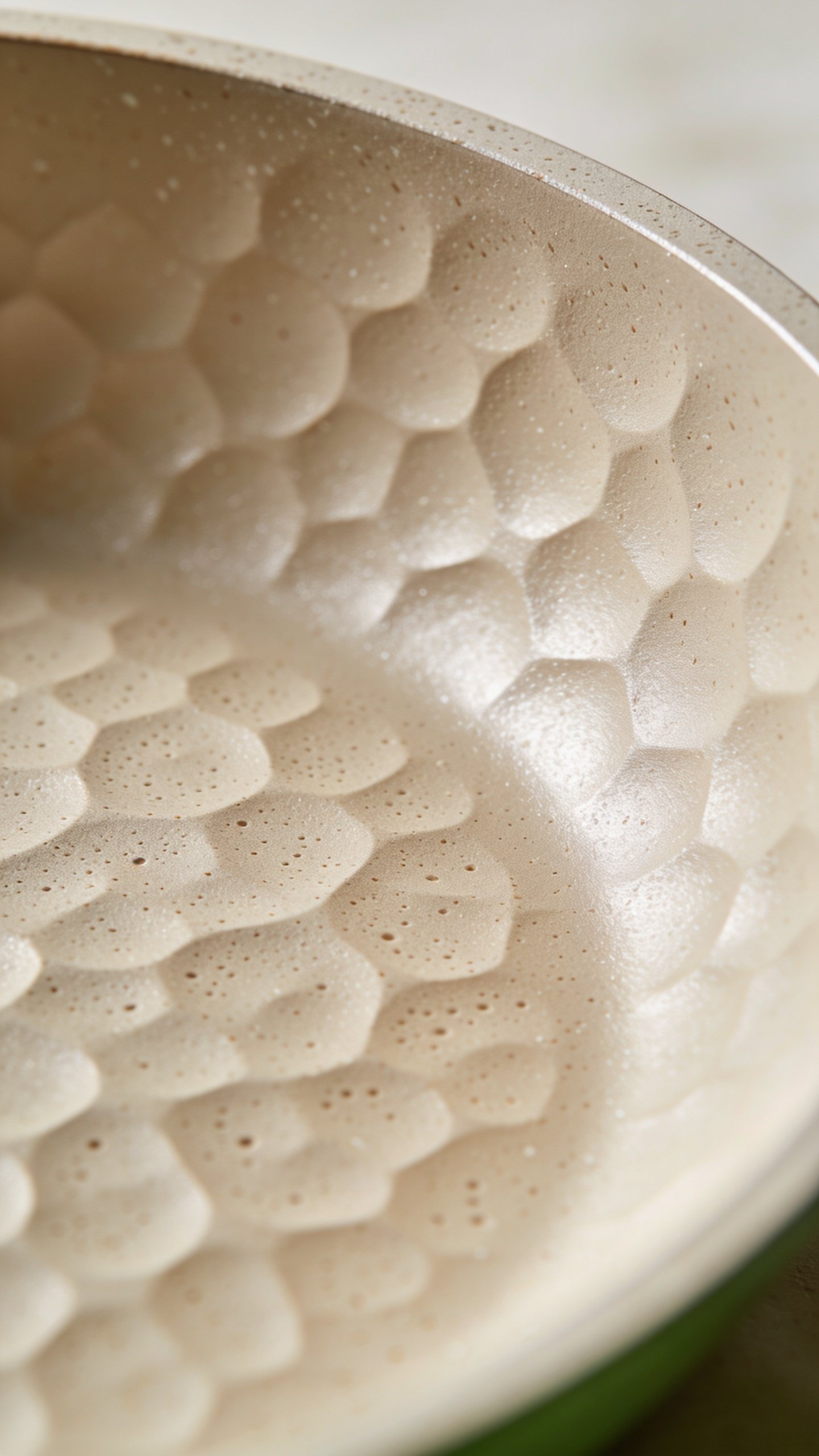
When you hear “ceramic nonstick,” you’re picturing a glassy layer that won’t cling to your eggs. The real story is how that coating wears, how it’s applied, and how it ages with use.
- Nonstick base: Both brands use ceramic-infused coatings, which are generally free of PTFE and PFOA in many lines. Still, read the label because some cheaper Greenlife options may cut corners on the ceramic percentage.
- Durability: Greenpan often claims higher durability with reinforced ceramic layers. Greenlife can be excellent value, but you might notice more wear if you cook with metal utensils or scrub hard.
- Heat tolerance: Ceramic coatings like these love medium heat; too much heat can degrade the coating faster. Both brands align here, but Greenpan sometimes emphasizes even heating on their mid-to-higher-end lines.
- Maintenance: Gentle cleaning, wooden or silicone utensils, and avoiding dishwasher extremes helps both. The greener dream fails if you’re aggressive with metal sponges or abrasive cleaners.
A deeper dive: maintenance habits that matter
If you treat either pan like it’s invincible, you’ll be disappointed. A few tweaks can stretch the coating’s life.
– Season lightly after washing: a quick wipe with a teaspoon of oil on the surface helps with release.
– Use medium heat. Yes, it’s boring, but it saves your coating.
– Avoid aerosol sprays that leave a sticky film. They’re convenient but messy for nonstick health.
– Hand wash when possible. The dishwasher is a villain in disguise for ceramic coatings.
Performance in the real world: day-to-day cooking
When you’re cooking, you’re not grading a lab project—you’re feeding a hungry human. How do these pans actually perform in a kitchen?
- Eggs and breakfast: Both brands shine with eggs and delicate breakfasts. If you like slide-off, test a few models to see which glaze feels punchier in the mode you cook most.
- Stir-fries and veggies: Even heat distribution helps with even browning. Greenpan’s mid-to-high-end lines often offer more stable temps, which matters when you’re tossing peppers and onions.
- Pan size and weight: Greenlife tends to offer lighter options, which is great for quick meals and easy flipping. Greenpan may lean a touch heavier but with sturdy handles and better heat spread in their pricier models.
Sectioning off the kitchen reality check
– If you cook at high heat a lot, consider a high-quality Greenpan option or pick a Greenlife line designed for higher heat tolerance.
– If you’re a $-conscious shopper who wants reliable everyday use, Greenlife’s budget-friendly models can be a win with proper care.
How long will they last? Longevity and warranty vibes
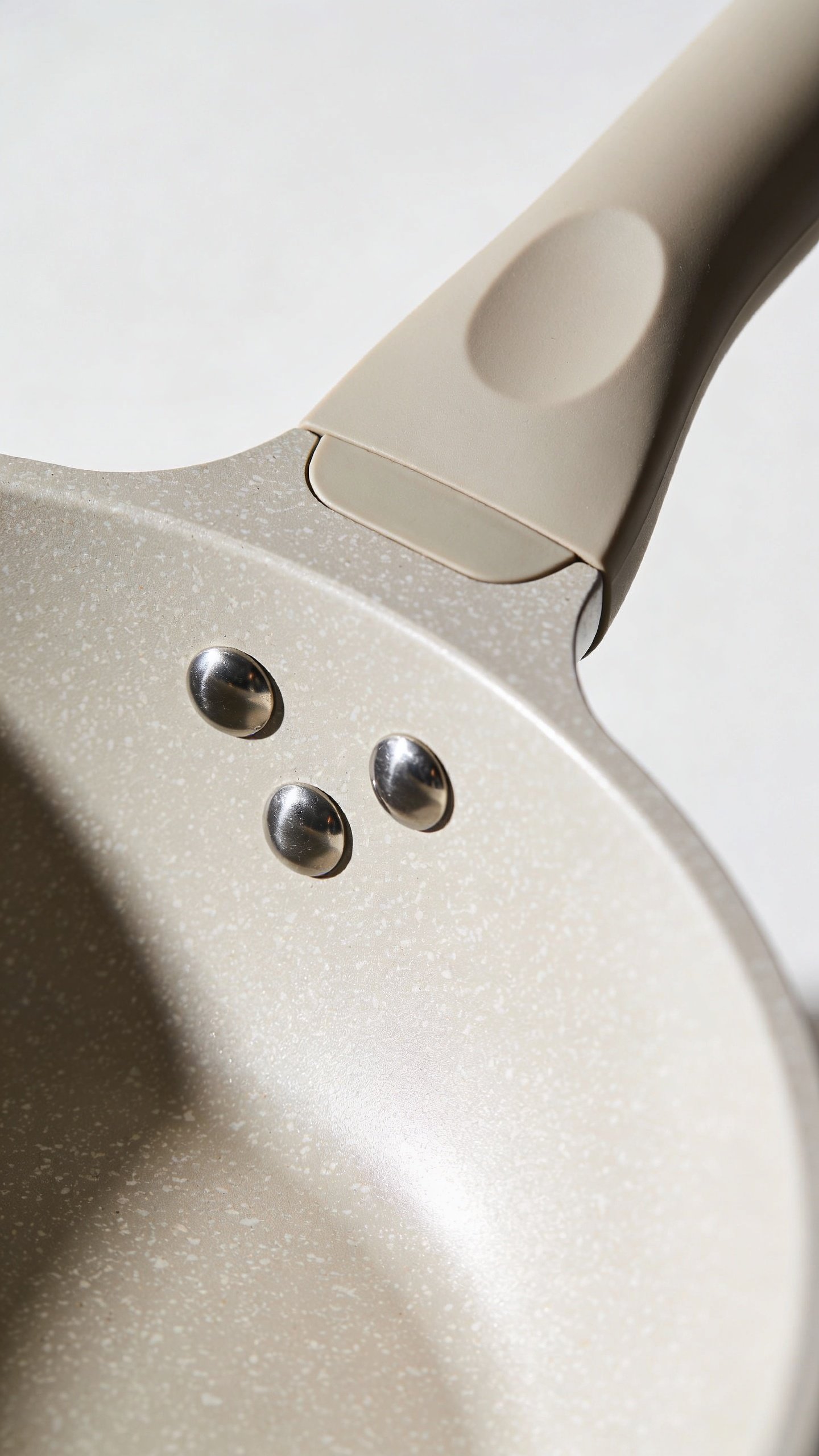
Durability often determines the true value of a nonstick pan. It’s not glamorous, but it’s crucial.
- The lifespan: Expect 1–3 years of flawless use in a busy kitchen with ceramic coatings if you’re not gentle. With careful use and maintenance, you can push closer to 4–5 years, especially on higher-end lines.
- Warranty: Greenpan frequently offers multi-year warranties on select lines, especially their premium ranges. Greenlife warranties vary by model and region, so read the fine print before you buy.
- Repair vs replace: Once the coating starts peeling or losing nonstick efficiency, replacement makes sense. Don’t try to “recoat” or rescue a worn pan; it’s not worth the risk of food sticking or leaching.
Pro tip: how to maximize life
– Store pans properly to avoid banging and scratching.
– Use soft bags or padded spaces in your pot rack.
– Don’t stack other pans directly on top—give them a cushion or wrap.
Price, value, and what you get for your money
Price isn’t everything, but it’s real. Greenlife leans more affordable, which means you can kit out a small collection without breaking the bank.
Greenpan tends to be pricier, especially in their premium lines, but you’re paying for longevity and sometimes better heat distribution.
- Bang for buck: Greenlife wins for budget-conscious cooks who want a reliable nonstick for everyday meals. Greenpan wins for those who want advanced coatings and more consistent performance over time.
- What’s included: Look for bundled sets with lids, as that can dramatically affect the per-pan value. Don’t just compare price per pan—account for lids and potential compatibility with your stove.
- Where you cook: If you’re in a tiny apartment with limited storage, a few compact Greenlife pieces can be perfect. If you’re a foodie who does batch cooking, a couple of Greenpan high-heat pans might justify the extra cost.
Ethics, safety, and eco vibes
If you care about the planet and safe cooking, both brands push ceramic coatings that avoid the most controversial chemicals. But “green” isn’t a universal standard—your choices matter.
- Eco-friendly messaging: Both brands highlight low-tox coatings. Read the labels, though, because some items have recycled packaging or more sustainable manufacturing claims than others.
- Health considerations: Ceramic nonstick is typically free of PFOA and PTFE in modern lines. If you’re sensitive to smells or fumes, keep the heat moderate and avoid charring foods against the coating.
- End-of-life: Ceramic coatings aren’t usually recyclable with your average curbside pickup. Check local programs for disposal and recycling guidance for kitchenware.
Bottom line on safety
No pan is 100% risk-free, but these ceramic-coated options reduce exposure to some traditional nonstick chemicals. Treat them well, and you’ll reduce wear and keep things safer for longer.
Choosing the right model: quick decision guide
If you’re stuck between a Greenpan and a Greenlife, here’s a quick, no-nonsense cheat sheet.
- <strongYou cook a lot with heavy sauces or want even heat: Look at Greenpan’s mid-to-high-end lines for better distribution and durable coatings.
- <strongYou want a starter collection on a budget: Greenlife is your friend. Start with a small fry pan and a medium sauté for versatility.
- <strongLodge-around family cooking: Pick a set with sturdy lids and a couple of larger pans; durability matters when you’re feeding a crowd.
- <strongCare-free cleaning: Greenlife’s lighter weight and simpler lines can be easier to maintain without sacrificing too much performance.
Conclusion
Greenpan vs Greenlife isn’t a battle of good vs evil; it’s a choice between “premium durability and refined performance” and “great value with solid everyday use.”
If you want a pan that may outlast your apartment’s lease and don’t mind paying a bit more, Greenpan’s higher-end lines deserve a look.
If you’re outfitting a new kitchen on a budget and want something reliable for the long haul, Greenlife hits the sweet spot without the sticker shock.
Remember: the trick to ceramic nonstick success is gentle care. Medium heat, careful cleaning, and sensible utensil use can turn either brand into your weekend warrior in the kitchen.
IMO, you can totally rock either path—you just need to pick the vibe that matches your cooking tempo.
FAQ (formatted as
tags)
Are Greenpan and Greenlife the same company?
Both brands share a ceramic nonstick ethos, but they aren’t the same company. They’re often produced through related supply chains and emphasize similar coating concepts, but each has its own product lines, warranties, and pricing.
Which brand lasts longer?
Longevity depends more on the specific line and how you treat the pan than on the brand itself. Higher-end Greenpan lines often offer better durability in exchange for a higher price. Greenlife can last a long time with proper care, especially the more robust models.
Is ceramic nonstick safe?
Yes, modern ceramic coatings used by these brands typically avoid PFOA and PTFE in many lines. Still, it’s wise to avoid high heat that can degrade coatings and to replace pans once the coating starts to peel or lose its nonstick properties.
Can I use metal utensils?
Avoid metal utensils if you want to maximize life. Plastic or wooden utensils are kinder to ceramic coatings and help prevent scratching.
Do these pans work on all stove types?
Most Greenpan and Greenlife pans work on gas, electric, and induction stoves, but model compatibility varies. Check the product specs for heat sources and induction suitability before buying.


