

Hard Anodized vs Non Stick Pans: Which Cookware Is Better for Your Kitchen?
Choosing the right cookware can make everyday cooking easier, healthier, and more enjoyable but the debate here is Hard Anodized vs Non Stick Pans which pans are better for kitchen in daily base use.
Among the many options available today, these are the two of the most commonly compared choices.
Many home cooks often wonder which one performs better, lasts longer, and suits their cooking style.
Understanding the differences between these two types of cookware can help you make a smarter decision when upgrading your kitchen tools.
In this guide, we’ll explore the key differences, advantages, and ideal uses in the debate of hard anodized vs non stick pans so you can choose the best option for your cooking needs.
What Are Hard Anodized Pans?
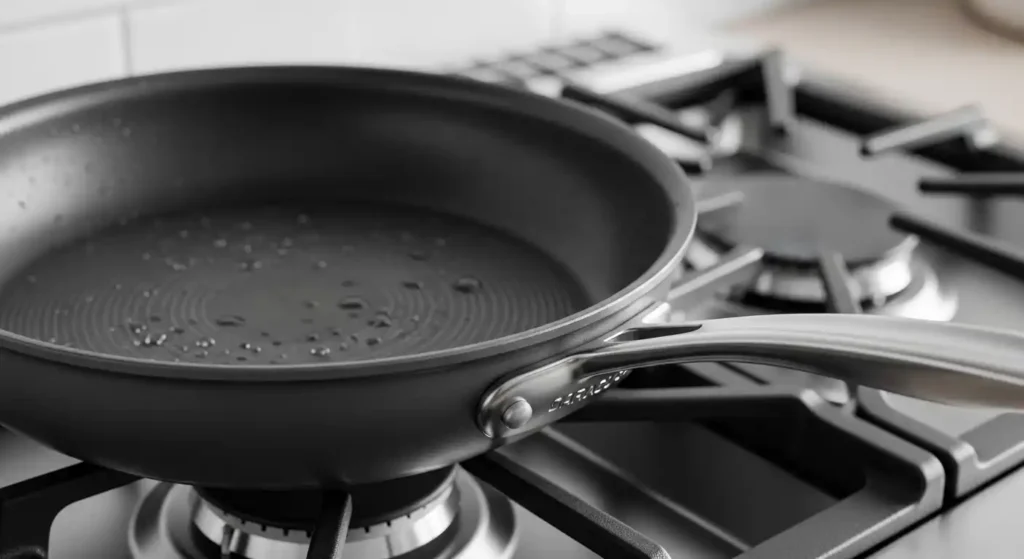
Hard anodized pans are made from aluminum that has gone through a special electrochemical process called anodization.
This process hardens the aluminum surface, making it stronger, more durable, and resistant to scratches and corrosion.
The anodizing process creates a dense oxide layer on the surface of the aluminum.
As a result, the cookware becomes much tougher than regular aluminum pans and can withstand high heat and frequent use.
Some key features of hard anodized cookware include:
- Excellent heat distribution
- Strong and durable surface
- Scratch-resistant construction
- Long lifespan
- Non-reactive cooking surface
Many hard anodized pans also include a non-stick coating, but their base structure is what makes them particularly durable and reliable for everyday cooking.
What Are Non Stick Pans?
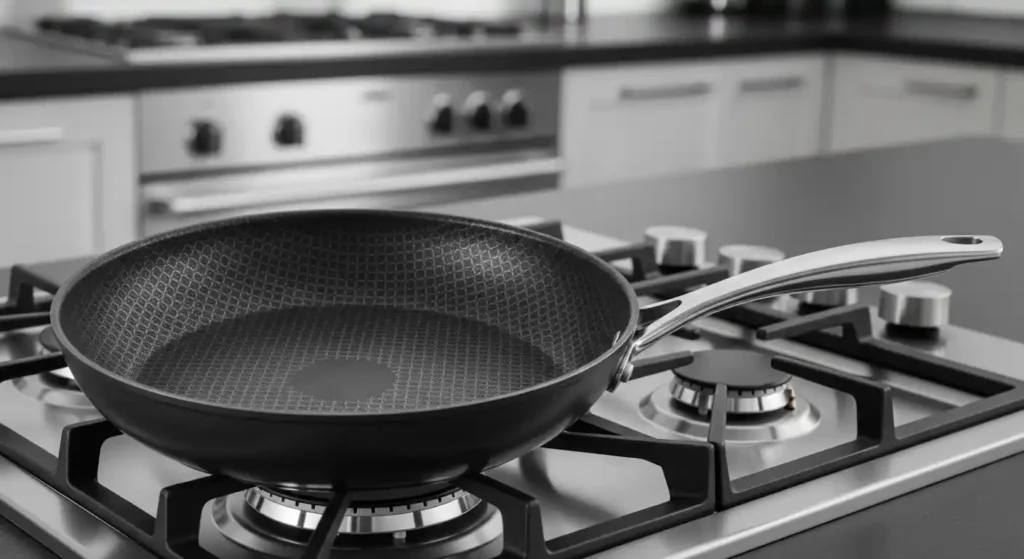
Non stick pans are designed with a special coating that prevents food from sticking to the surface during cooking. This coating allows you to cook delicate foods with minimal oil and makes cleanup much easier.
Non stick cookware has become extremely popular because it simplifies many everyday cooking tasks.
Common features of non stick pans include:
- Food releases easily from the surface
- Requires less oil or butter for cooking
- Easy to clean
- Ideal for delicate foods
- Lightweight and user-friendly
Non stick coatings are typically applied to aluminum or stainless steel cookware. While these pans are convenient, they require careful handling to avoid damaging the coating.
Hard Anodized vs Non Stick Pans: Key Differences
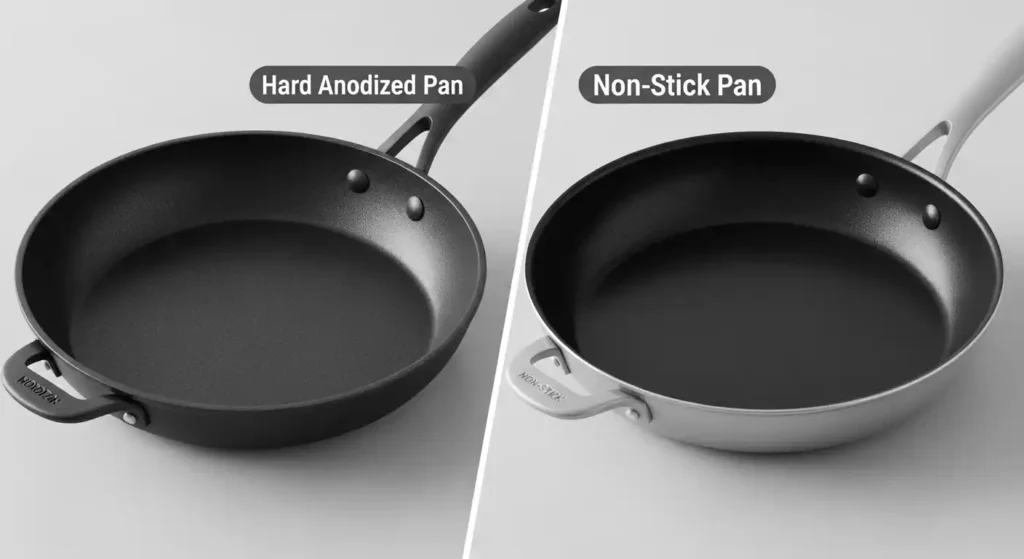
When comparing hard anodized vs non stick pans, several important differences stand out. These include durability, heat performance, maintenance, and cooking versatility.
Durability
One of the biggest advantages of hard anodized cookware is durability. The anodizing process makes the surface extremely strong and resistant to scratches, dents, and wear.
Non stick pans, while convenient, tend to wear out more quickly over time. The coating can gradually degrade, especially if exposed to high heat or metal utensils.
If longevity is important to you, hard anodized cookware generally lasts much longer.
Heat Distribution
Hard anodized aluminum conducts heat very well, allowing food to cook evenly without hot spots. This makes it ideal for dishes that require precise temperature control.
Non stick pans also distribute heat fairly well, especially when made with an aluminum base. However, they typically perform best at low to medium heat, since very high temperatures can damage the coating.
For high-heat cooking methods, hard anodized pans are usually the better choice.
Cooking Versatility
Hard anodized cookware is highly versatile and can handle a wide variety of cooking methods. These pans work well for:
- Sautéing vegetables
- Cooking chicken or fish
- Preparing sauces
- Pan roasting
- Simmering soups or stews
Non stick pans are best suited for foods that tend to stick easily, such as:
- Eggs
- Pancakes
- Crepes
- Delicate fish
- Grilled sandwiches
While non stick pans are great for quick meals, hard anodized cookware offers more flexibility overall.
Maintenance and Cleaning
One of the biggest reasons people choose non stick cookware is its ease of cleaning. Food rarely sticks to the surface, so washing the pan usually takes only a few seconds.
Hard anodized pans are also relatively easy to clean, especially if they include a non-stick coating. However, some models without coatings may require a bit more effort.
Regardless of which type you choose, using gentle cleaning tools helps extend the life of the cookware.
Weight and Handling
Hard anodized pans are generally heavier than standard non stick pans because of their dense construction.
This added weight can actually improve cooking performance, since heavier pans distribute heat more evenly and remain stable on the stovetop.
Non stick pans are typically lighter and easier to handle, which can be helpful for quick cooking tasks or for people who prefer lightweight cookware.
Pros and Cons of Hard Anodized Cookware
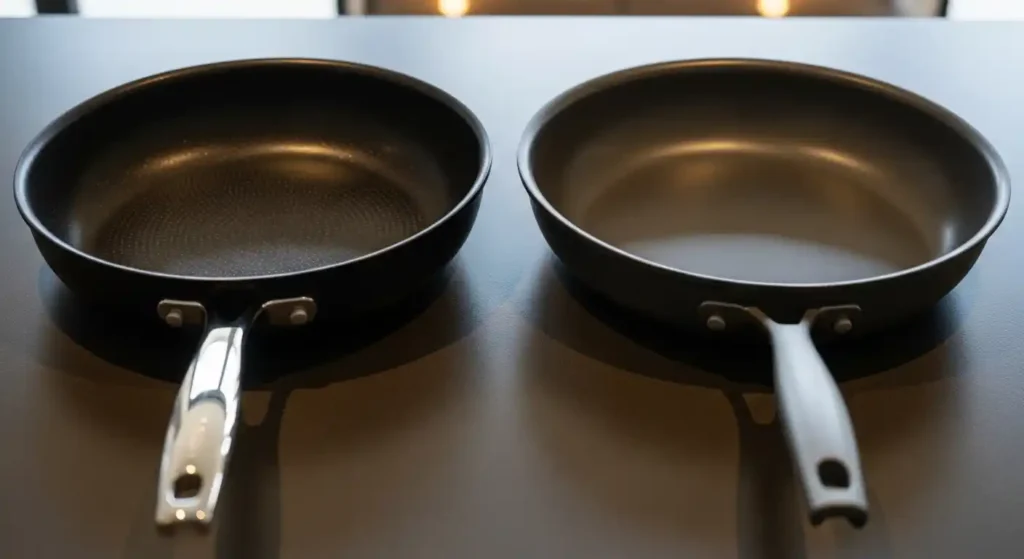
Understanding the advantages and drawbacks can help you decide if hard anodized cookware is right for your kitchen.
Advantages
- Extremely durable and long-lasting
- Excellent heat distribution
- Resistant to scratches and corrosion
- Safe for high-temperature cooking
- Often oven-safe
Disadvantages
- Usually heavier than standard non stick pans
- Often more expensive
- Some models still include non-stick coatings that can wear out
Overall, hard anodized cookware is known for its strength and versatility.
Pros and Cons of Non Stick Pans
Non stick cookware also offers several benefits, especially for everyday cooking.
Advantages
- Very easy to clean
- Requires minimal cooking oil
- Ideal for delicate foods
- Lightweight and convenient
Disadvantages
- Coating can wear out over time
- Not suitable for very high heat
- Metal utensils may damage the surface
Despite these limitations, non stick pans remain a popular choice for quick and simple meals.
Which One Is Better for Everyday Cooking?
When comparing hard anodized vs non stick pans, the best choice often depends on your cooking habits.
If you frequently cook a variety of dishes and want cookware that lasts for years, hard anodized pans are an excellent investment. They offer durability, even heating, and versatility.
However, if you mainly cook foods like eggs, pancakes, or delicate fish, a non stick pan can make those tasks much easier.
Many home cooks find that the ideal solution is to keep both types of pans in their kitchen. This allows them to use the right tool for each recipe.
Tips for Choosing the Right Pan
If you’re deciding between hard anodized and non stick cookware, consider these factors:
Your Cooking Style
Think about what you cook most often. If your meals require high heat or longer cooking times, hard anodized cookware may be the better option.
If you prefer quick meals with minimal oil, non stick pans can be more convenient.
Durability Needs
If you want cookware that will last for many years, hard anodized pans generally offer better durability.
Non stick pans may need replacement after several years of regular use.
Budget
Hard anodized cookware often costs more upfront, but its durability can make it a worthwhile long-term investment.
Non stick pans are usually more affordable, making them a good choice for beginners.
Care Tips for Longer Lasting Cookware
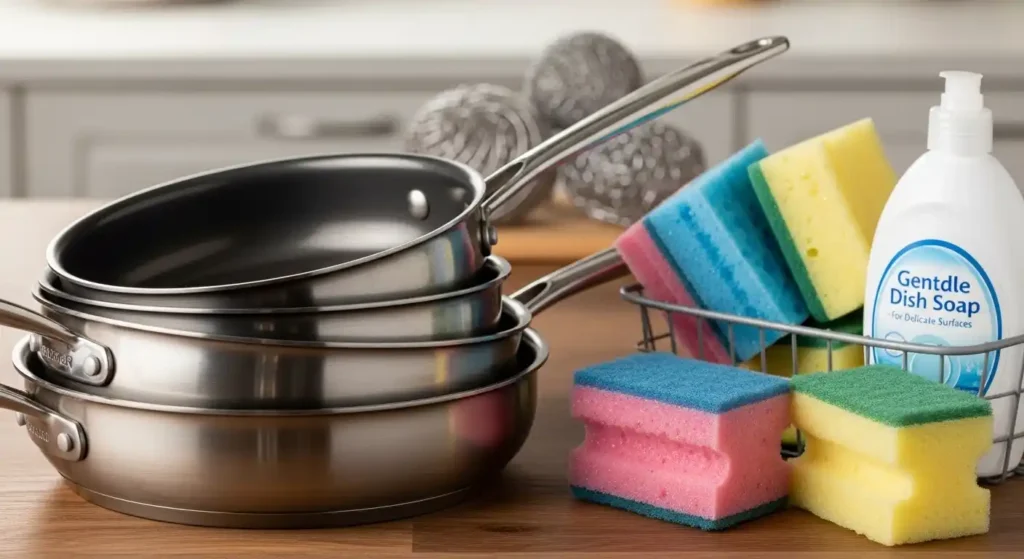
Regardless of whether you choose hard anodized or non stick cookware, proper care can extend its lifespan.
Here are a few simple tips:
- Avoid using metal utensils on coated surfaces
- Use medium heat whenever possible
- Wash pans with gentle sponges rather than abrasive scrubbers
- Allow cookware to cool before washing
- Store pans carefully to avoid scratches
These small habits can help keep your cookware performing well for years.
Final Thoughts
The comparison of hard anodized vs non stick pans comes down to durability, cooking style, and personal preference.
Hard anodized cookware is known for its strength, even heat distribution, and long lifespan. It’s ideal for cooks who want reliable pans that can handle many different cooking techniques.
Non stick pans, on the other hand, are convenient, lightweight, and perfect for foods that tend to stick to traditional cookware.
For many kitchens, the best solution is to have both options available. A sturdy hard anodized pan can handle most cooking tasks, while a non stick pan can simplify delicate dishes and quick meals.
By understanding the strengths of each type, you can build a cookware collection that makes everyday cooking easier, more efficient, and more enjoyable.


