

How Long Do Non-Stick Pans Last Before Replacing?
Non-stick pans are one of those kitchen staples we all rely on—until one day, your eggs suddenly start clinging for dear life and you think, Wait… wasn’t this pan supposed to be non-stick?
If you’ve ever stared at a scratched-up skillet wondering whether it’s still safe (or useful), you’re not alone.
So let’s answer the big question honestly and clearly: how long do non stick pans last, really? No hype, no scare tactics—just practical, real-world answers you can actually use.
The Short Answer (Because We’re All Busy)
Most non-stick pans last 2 to 5 years with regular home use.
Some last less, some last more—but that range covers the majority of kitchens.
The longer answer? It depends on how the pan is made, how often you use it, and how you treat it.
Yep, your pan remembers how you’ve treated it .
Let’s break it all down.
What Determines How Long a Non-Stick Pan Lasts?
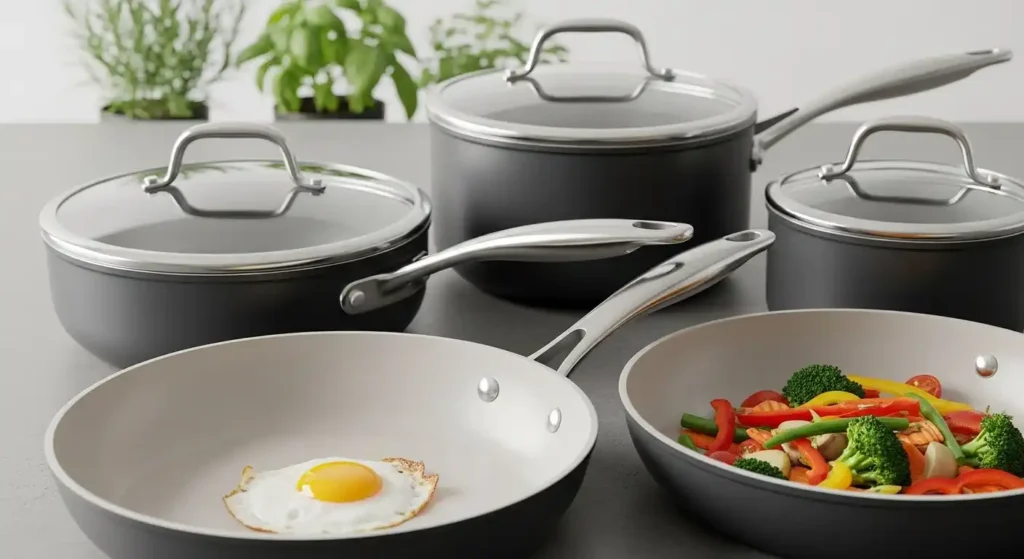
Not all non-stick pans are created equal, and their lifespan depends on several key factors.
1. The Type of Non-Stick Coating
This is a big one.
- PTFE-based coatings (often known by brand names)
These are the most common. When used correctly, they’re smooth, reliable, and easy to clean. Expect 3–5 years if you’re gentle. - Ceramic non-stick coatings
These are popular for being lightweight and quick-heating, but they usually wear out faster. Many people notice performance dropping after 1–3 years. - Multi-layer or reinforced coatings
Higher-end pans often use multiple layers for durability. These can push closer to the 5-year mark or beyond with proper care.
Bottom line: better materials usually mean a longer-lasting pan.
2. How Often You Use the Pan
This one’s simple math.
- Daily use = faster wear
- Occasional use = longer life
If your non-stick pan is your go-to for eggs every single morning, it’s naturally going to wear out sooner than one you use once or twice a week.
Think of it like shoes: everyday sneakers wear out faster than your “nice” pair.
3. Cooking Temperature Matters (A Lot)
Non-stick coatings do not love high heat.
Repeatedly heating your pan on high—even when empty—can break down the coating over time. Medium or low heat is where non-stick pans shine.
If you often crank the heat to max, your pan may start losing its slick surface in as little as a year or two.
Rule of thumb:
If the pan is smoking, it’s not happy.
4. Utensils: Friend or Foe?
Metal utensils are one of the fastest ways to shorten a non-stick pan’s life.
- Best choices: silicone, wood, or plastic utensils
- Worst offenders: metal spatulas, forks, knives (yes, people do this)
Even tiny scratches add up. Once the surface is damaged, food sticks more, and the coating degrades faster.
5. Cleaning Habits Make a Huge Difference
How you clean your pan can either extend its life—or quietly ruin it.
What helps:
- Letting the pan cool before washing
- Using soft sponges
- Washing by hand
What hurts:
- Abrasive scrubbers
- Harsh cleaning powders
- Tossing it into the dishwasher “just this once” (it adds up)
Non-stick coatings are tough, but they’re not invincible.
Signs Your Non-Stick Pan Is Reaching the End
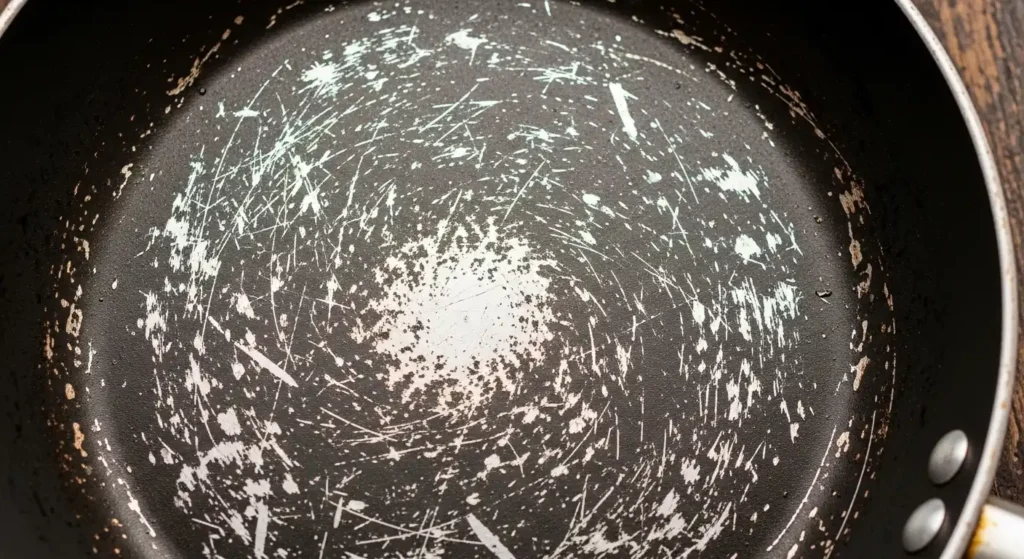
Not sure if your pan is done for? Look for these warning signs:
- Food sticks even with oil or butter
- The surface looks dull, flaking, or patchy
- Scratches you can feel with your fingernail
- Uneven heating or hot spots
Once these show up consistently, the pan isn’t doing its job anymore—and it’s time to move on.
Is It Safe to Use a Worn Non-Stick Pan?
This is a common concern, and the answer depends on the condition of the pan.
If the coating is:
- Lightly scratched but intact → generally okay for short-term use
- Peeling or flaking → time to replace it
A pan that’s actively shedding coating isn’t worth the risk or frustration.
Plus, cooking becomes harder, and cleanup turns into a chore—which kind of defeats the whole point of non-stick cookware.
How to Make Non-Stick Pans Last Longer (Like, Way Longer)
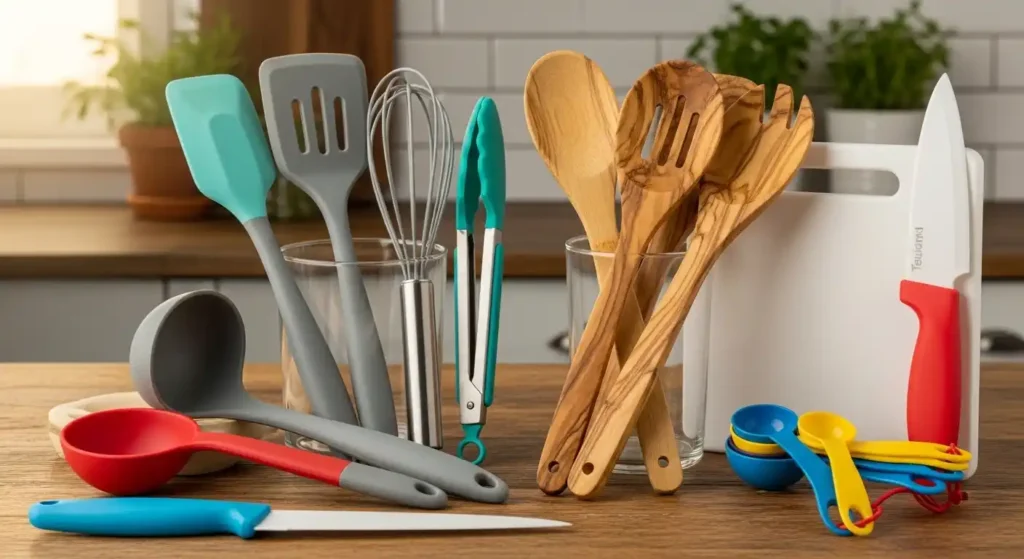
Want to stretch your pan’s lifespan closer to the upper end of that 2–5 year range? These habits help a lot.
Use the Right Heat
Stick to low or medium heat whenever possible. Non-stick pans are designed for gentle cooking, not searing everything in sight.
Choose the Right Utensils
Silicone and wooden tools are your pan’s best friends. They protect the coating and still get the job done.
Skip the Dishwasher
Even if the manufacturer says “dishwasher safe,” handwashing is still gentler and helps the coating last longer.
Store Carefully
Stacking pans directly on top of each other can cause scratches. If you stack them, add a soft liner or towel in between.
Don’t Heat an Empty Pan
Always add oil or food before turning on the heat. Dry heating speeds up coating breakdown.
Are Expensive Non-Stick Pans Worth It?
Sometimes—yes.
Higher-quality non-stick pans often:
- Use thicker bases that heat evenly
- Have reinforced coatings
- Last longer under regular use
That doesn’t mean budget pans are useless. It just means they may need replacing sooner.
If you cook daily and rely heavily on non-stick cookware, investing in a better pan can save money (and annoyance) over time.
Comparing Non-Stick to Other Cookware
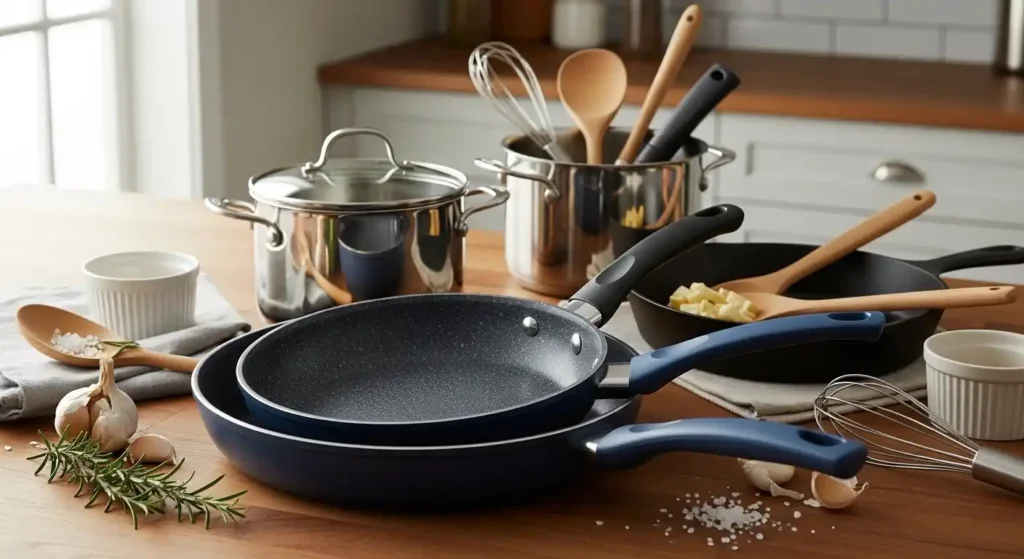
If replacing non-stick pans frequently frustrates you, it might help to mix and match cookware types.
- Non-stick: best for eggs, pancakes, delicate foods
- Stainless steel: durable, long-lasting, great for browning
- Cast iron: nearly indestructible with proper care
Many home cooks keep one or two non-stick pans for specific tasks and use other cookware for everything else. It’s a solid strategy.
So… How Long Do Non Stick Pans Last, Really?
Let’s circle back to the main question: how long do non stick pans last?
For most people:
- 1–3 years with heavy use or rough handling
- 3–5 years with good care and moderate use
Your habits matter more than the brand name. Treat your pan kindly, and it will return the favor with easy cooking and quick cleanup.
Final Thoughts
Non-stick pans aren’t meant to last forever—and that’s okay.
They’re designed for convenience, not lifetime durability.
Knowing when to replace them and how to care for them properly makes all the difference.
If your pan still cooks smoothly and cleans easily, enjoy it.
If it’s sticking, scratching, or causing more stress than help, it’s probably time to say goodbye.
Your future breakfasts will thank you
If you’d like, I can also help you:
- Choose the best replacement non-stick pan
- Learn how to clean a worn pan safely
- Decide which cookware type fits your cooking style
Just say the word.


