

How to Clean All Clad Pans Without the Fuss
I’ll level with you: How to Clean All Clad Pans those are gorgeous, but they’re not magic.
They still need a little elbow grease to keep that mirror finish and chef-grade performance.
Let’s walk through clean-up that actually works without wrecking the stainless, copper, or nonstick coatings.
Why cleaning All Clad properly is worth it
Keeping your All Clad pans pristine isn’t just about looks. Clean pans cook more evenly, resist sticking, and last longer.
FYI, neglect shows up as dull surfaces, odd odors, or stubborn stains that won’t quit.
Treat your pans well, and they’ll return the favor with better sear and simpler maintenance.
General rules of thumb you’ll actually remember
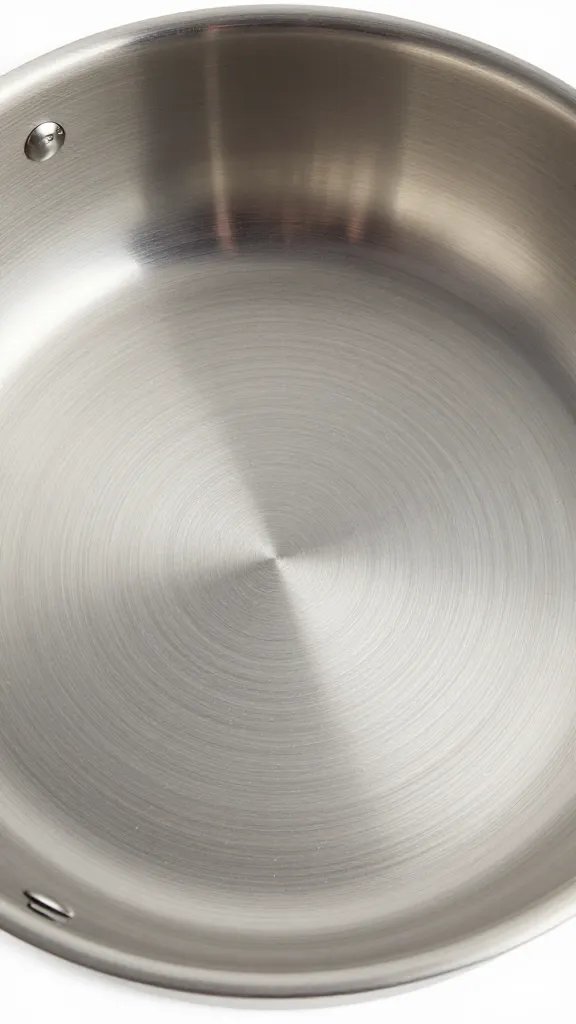
– Do it soon after cooking. Don’t let grime set—it’s basically the Mount Everest of cleanups.
– Use warm water and gentle scrubbers first. If you go Scrub-God mode, you’ll risk micro-scratches.
– Dry immediately. Water spots are not a vibe.
– Avoid harsh abrasives on shiny finishes. Yes, that means no steel wool on All Clad’s polished surfaces.
– Test a spot if you’re unsure about a cleaner. Better safe than a patchy finish.
Daily quick clean for stainless steel pans
Stainless steel All Clad cleans up nicely with a routine, non-drama approach.
- Rinse with warm water to soften stuck-on bits.
- Use a mild dish soap and a non-abrasive sponge.
- For stubborn spots, fill with warm soapy water and let soak for 15–20 minutes.
- Scrub with the grain of the metal or in a circular motion. Don’t go berserk with the pad.
- Rinse well and dry with a microfiber towel.
How to deal with stuck-on gunk without wrecking the finish
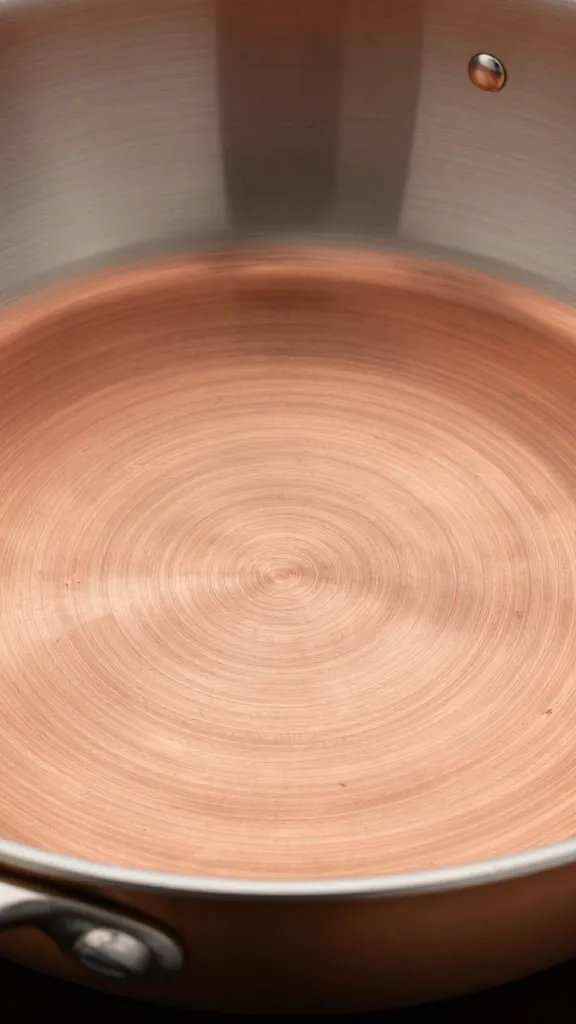
Stubborn residue wears you down, but you can conquer it without turning your pan into a Franken-pan.
Gentle soaking and bubbling tricks
– Fill with warm water and a splash of white vinegar or a drop of dish soap. Let it sit 20–30 minutes and then scrub.
– For really stubborn caramelized bits, simmer a solution of hot water with a teaspoon of baking soda for 5–10 minutes. The fizz helps loosen goo without harsh scrubbing.
Who needs harsh scrubs anyway?
– Avoid steel wool or copper scrubbers on stainless surfaces. They scratch and dull the shine.
– If you’re tempted to use abrasive powders, try a paste of baking soda and a little water first. It’s a kinder coworker to your pan.
All Clad nonstick pans: cleaning without doom and gloom
Nonstick requires a lighter touch, or you’ll pay for it later with peeling coating or reduced nonstickiness.
- Let the pan cool before washing. Don’t plunge a hot pan into cold water; it invites warping and warps your nonstick dreams.
- Use warm, soapy water and a soft sponge. No steel wool, ever.
- Scrape away stubborn bits with a silicone spatula. It keeps the coating intact and your ego intact.
- Pat dry with a towel instead of air-drying on the rack. It speeds up the dry-time and reduces water spots.
When to consider a deeper clean
If your nonstick pan starts to look dull or you notice sticky residue despite light cleaning, it might be time for a deeper—but still gentle—approach. Consider a short soak with mild soap, then re-season lightly according to All Clad’s care guidelines.
Seasoning and restoring shine: is it necessary?
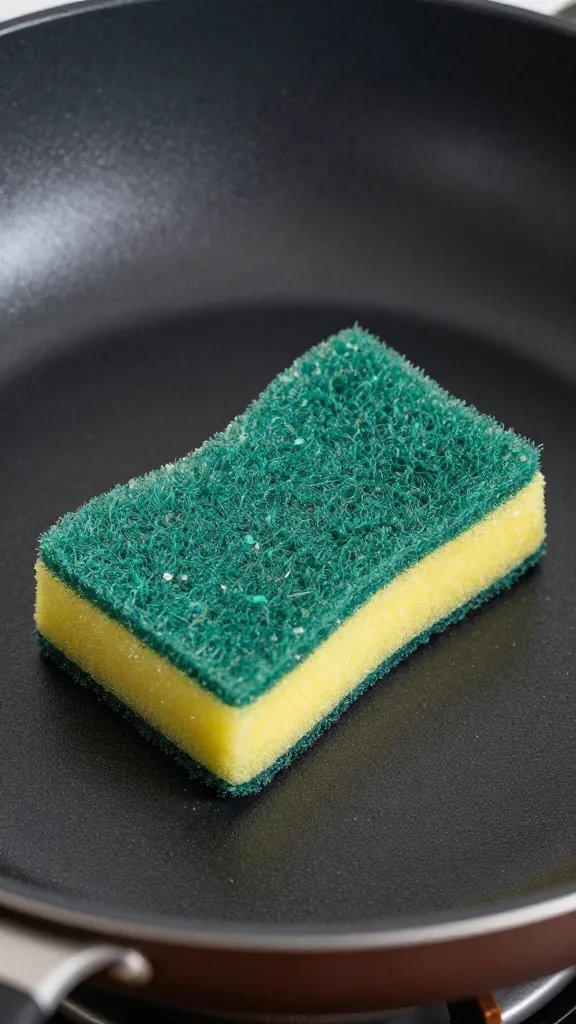
Seasoning is not always necessary for every All Clad pan, but a light polish can help when you notice dullness or surface staining.
- For stainless: a quick wipe with a mix of water and a splash of white vinegar can restore shine. Finish with a dry buff.
- For copper or copper-clad layers: you can use a copper cleaner or a lemon-salt paste occasionally. Rinse thoroughly and dry.
- Never soak copper or copper-clad pans for long periods; copper hates that hangover life.
Polishing safely
– Use a microfiber cloth for the final buff to avoid new scratches.
– Test cleaners on a small area first if you’re unsure about reaction with your specific All Clad finish.
Storage, handling, and how to avoid future grime
Cleaning is easier when you don’t invite grime to stick around in the first place.
- Store clean and dry. Moisture is the enemy of shine and can invite spots or corrosion over time.
- Stack with care: place a soft cloth or paper between pans to avoid scratches. No metallic clinks in the cabinet, please.
- Use properly heated pans: preheat gradually and avoid scorching your pan with unattended high heat. It reduces residue that needs scrubbing later.
What about hard water and mineral deposits?
If your area has hard water, you’ll notice mineral spots more often. The fix is simple and stays gentle.
- Mix a solution of white vinegar and warm water (1:1) and soak as needed. Rinse thoroughly.
- Dry promptly and buff for extra shine.
- For stubborn mineral films, a short soak with a gentle cleaner designed for cookware helps without stripping coatings.
FAQ
Can I put All Clad pans in the dishwasher?
Dishwasher safety depends on the model. Some stainless steel pans tolerate dishwasher cycles, but frequent dishwashing can dull the surface and dull handles over time. IMO, hand washing with a soft sponge keeps the finish looking its best.
What should I do about burnt-on food?
Soak the pan in warm soapy water for 15–20 minutes, then use a non-abrasive sponge. For stubborn spots, bring a little water with a drop of dish soap to a simmer and scrub gently. Don’t let it fester in there.
Is there a risk to my nonstick coating from cleaners?
Yes, harsh abrasives and high-scratch cleaners can wear nonstick surfaces over time. Stick to soft sponges and mild cleaners. If the coating starts peeling, it’s time to replace the pan, not flirt with the edge of doom.
How do I restore shine without harsh chemicals?
For stainless, a vinegar-water rinse followed by a dry buff usually does the trick. For copper touches, a lemon-salt or dedicated copper cleaner works when used sparingly. Always rinse well afterward.
What’s the best routine for seasoned pans?
Keep it simple: quick wash after use, soak if needed, dry immediately, and store dry. If you notice dull spots, do a light polish or re-seasoning as appropriate for your finish. FYI, consistency beats intense scrubbing sessions any day.
Conclusion
Cleaning All Clad pans doesn’t have to be a spa-day saga.
With a few simple steps—calm soaking, gentle scrubbing, and prompt drying—you’ll keep that gorgeous finish and the performance that makes them worth it.
So next time you finish cooking, give your pan a little love, and it’ll return the favor with better sears and fewer headaches.
If you’re ever unsure, trust the gentle route first—your pans will thank you.


