

How to Cook Steak in Electric Skillet: Crisp, Perfect Crust

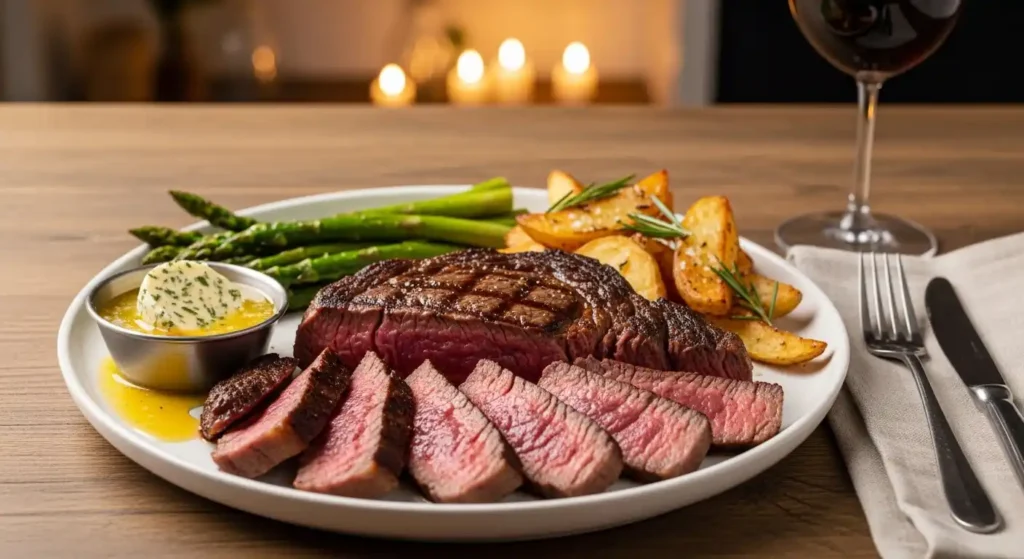
You don’t need a fancy stove to make a steak sing. Making Steak in electric skillet can deliver a perfect, sear-crusted steak right at home.
Grab your favorite cut, and let’s get sizzling—minus the drama.
Why an electric skillet is your secret steak weapon
You might think you need a grill or a cast-iron pan to nail a steak, but an electric skillet can do the job beautifully.
It heats evenly, controls temps like a champ, and you don’t have to babysit a hot pan on a stove burner.
FYI, you can cook steaks that are thick or thin, and you’ll still get those gorgeous Maillard flavors you crave.
Choosing the right steak and prep
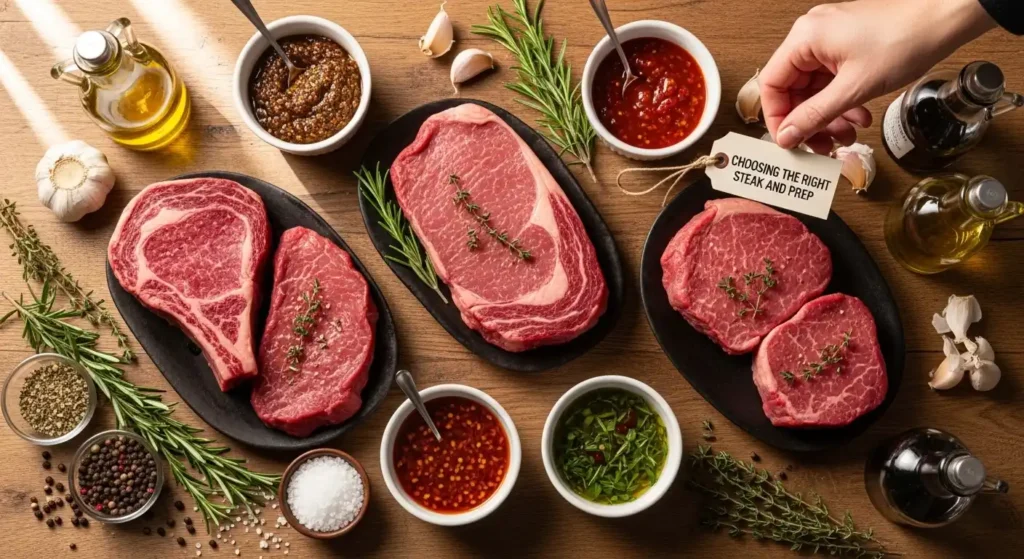
– Pick a good cut: ribeye, New York strip, or sirloin all shine. The key is decent marbling and at least 1 inch thick for a reliable sear.
– Pat dry, then season generously: salt early if you can. The moisture will evaporate, giving you a crisper crust.
– Bring to room temp: 20–30 minutes out of the fridge helps even cooking. Yes, you can still be lazy here, but it helps.
– Oil matters: use a high-smoke-point oil like canola or avocado. You want the fat to shine, not smoke like a volcano.
The setup: temperature, pan, and timing
– Preheat to 375–400°F (190–204°C). You want a hot surface, not a lukewarm cuddle.
– Use a little oil or clarified butter: just enough to sheen the bottom—nobody wants a greasy steak, right?
– Sear first, then finish: a quick, hot sear locks in flavor. Then lower the temp a bit to cook through without burning.
– Don’t crowd the pan: give the steak space so it sears instead of steams.
Steps to steak nirvana
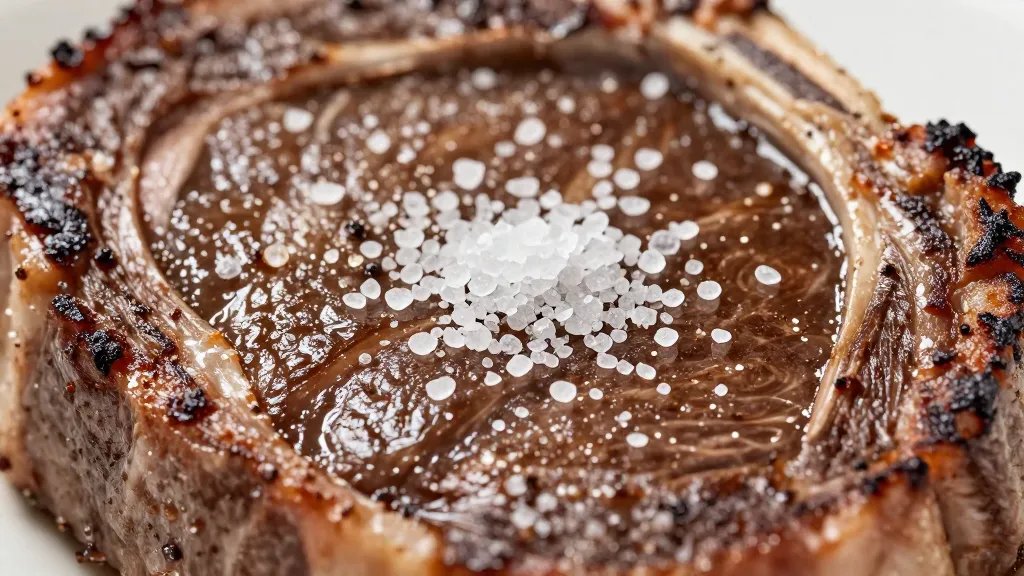
- Pat the steak dry again; season well on both sides.
- Preheat your skillet to the target temp.
- Add a thin film of oil, then lay the steak away from you to avoid splatter.
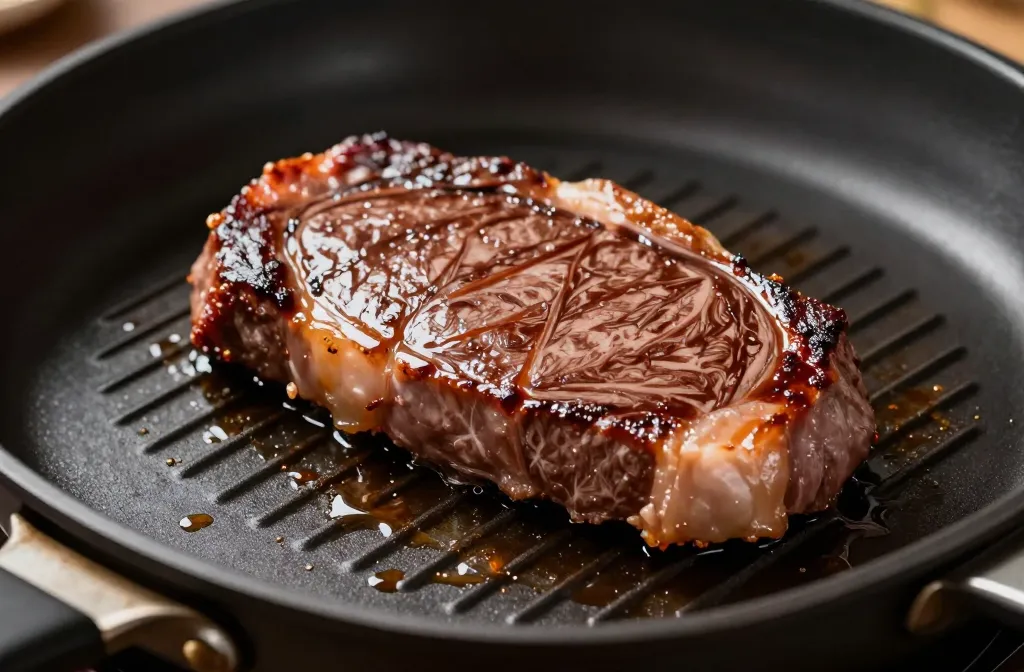
- Sear for 2–4 minutes per side, depending on thickness and desired doneness.
- Flip only once if you can; the crust wants to form, not peel off.
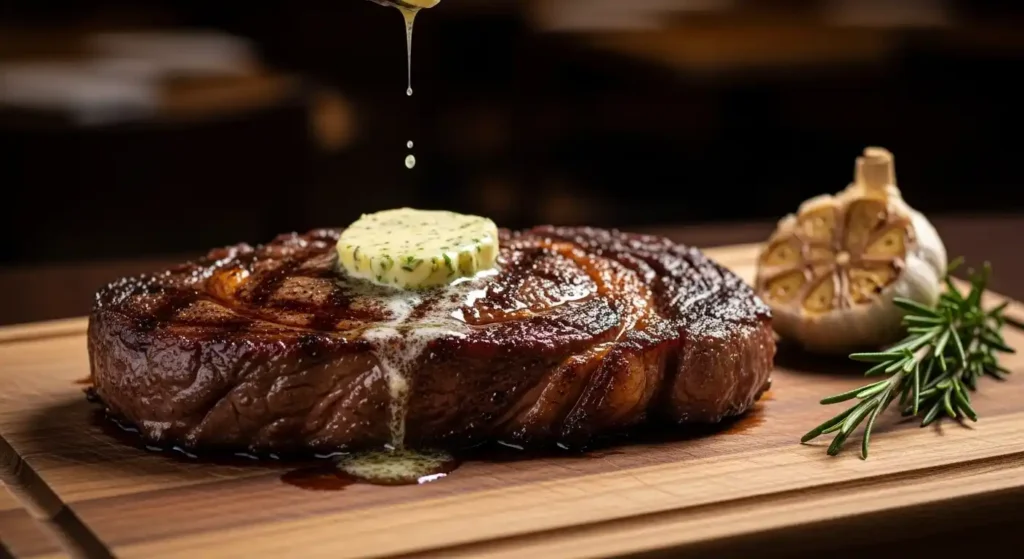
- Optional flavor boosters: add a tablespoon of butter, crushed garlic, and thyme during the last minute, tipping the pan to baste.
- Let it rest 5–10 minutes before slicing.
How to tell doneness without a meat thermometer
– Rare: touch the tip of your thumb to the small finger—gentle give, soft feel.
– Medium-rare: thumb-to-ring finger—slightly firmer, still juicy.
– Medium: thumb-to-middle finger—firm but not rock solid.
– Well-done: thumb-to pinky—hard as a brick, not recommended for steak lovers.
If you can swing it, a quick thermometer read is worth it. Aim for 130–135°F (54–57°C) for medium-rare, 135–145°F (57–63°C) for medium, and 150°F+ (66°C+) for well done.
Pan sauces that elevate your skillet steak
– Butter-basted glory: swirl in a tablespoon or two of butter with garlic and herbs in the last minute, tilt the pan, and spoon the melted goodness over the steak.
– Garlic-and-zzz: smash a couple of cloves, toss them in, and let them perfume the butter. You’ll thank yourself later.
– Pan drippings magic: splash in a splash of beef broth or red wine, scrape the bottom to loosen fond, reduce, and finish with butter. Dip bread, then napkins—chef’s kiss.
Tips for a glossy crust
– Dry surface, hot pan, and a quick flip are your crust’s best friends.
– Don’t touch the steak too much during searing, or you’ll break the crust you’re chasing.
– If the butter starts to burn, pull back the heat slightly and let the steak rest on a cooler part of the pan for a moment.
Milkshake-smooth cleanup and practical hacks
– Deglaze while the skillet is hot: a splash of water, broth, or wine loosens stuck bits. Then wipe the pan and reuse.
– Don’t soak the skillet for hours. Wipe with a damp cloth, then a quick soap-and-water rinse.
– If you’re doing multiple steaks, keep the first warm in a low-temp oven (about 200°F/93°C) while you finish the rest. Just don’t overcook.
Flavor hacks you’ll actually use
– Herb-forward: thyme, rosemary, and a pinch of smoked paprika dabbed onto the steak before hitting the skillet.
– Citrus zing: a squeeze of lemon or a dash of orange zest over the finished steak adds brightness.
– Keto-friendly crust: combine coarse salt, cracked pepper, and a touch of garlic powder for a no-fuss rub.
Common pitfalls and how to dodge them
– Pitfall: overcrowding the skillet. Result: steamed steak, not seared steak. Fix: cook in batches or pick a bigger pan.
– Pitfall: cooking from cold fridge. Result: uneven doneness. Fix: plan for room-temp prep.
– Pitfall: burning butter. Result: bitter steak. Fix: add butter later, baste, and lower heat as needed.
What to do if your skillet doesn’t sizzle
If your skillet barely hums, turn up the heat a touch and wait a minute. If it still lags, check the electrical outlet, or try a different skillet. FYI, some cheaper models don’t hold heat as well—no shame in that.
FAQ: Quick answers for your electric skillet steak questions
Can I cook a thick steak in an electric skillet?
Absolutely. Start with a solid sear over high heat, then move to lower heat or finish in the oven if needed. Thick cuts benefit from a good initial crust and a longer rest.
What’s the best way to season steak for the skillet?
Coarse salt and black pepper are timeless. If you want extra oomph, add garlic powder, paprika, or a pinch of smoked paprika. Let salt sit 20–30 minutes to penetrate, or season right before cooking if you’re short on time.
Is butter necessary for flavor, or can I skip it?
Butter isn’t mandatory, but it adds depth and helps with basting. If you’re dairy-free or watching calories, olive oil and a quick baste with herbs will still taste delicious.
How do I reheat leftovers without wrecking the texture?
Warm gently in the skillet over medium-low heat, flipping once. You’ll preserve the crust better than microwaving, which tends to soften the crust and dry the interior.
What about marinating—does it help in an electric skillet?
For most steaks, a quick dry brine (salt) or a light marinade can boost flavor, but it’s not mandatory. The hot skillet and the sear do the heavy lifting for flavor and crust.
Want a quick flow for a weeknight steak night?
– 1) Pick a 1-inch-thick steak you love.
– 2) Dry, season, and rest briefly.
– 3) Preheat skillet to 375–400°F.
– 4) Sear 2–4 minutes per side with a light oil.
– 5) Optional baste with butter and herbs for 1 minute.
– 6) Rest 5–10 minutes, slice, and enjoy.
Conclusion
If you crave a restaurant-grade sear without leaving your kitchen, an electric skillet is a surprisingly reliable sidekick.
With a little prep, a hot pan, and some smart finishing moves, you’ll be biting into steak that tastes like victory.
So grab your favorite cut, fire up that skillet, and show your skillet who’s boss. Happy flipping.


