

How to Fix a Too Moist Cake—Yes, That’s a Real Problem
You know that feeling when you slice into a cake and it just… collapses? Or sticks to the knife like it’s auditioning for a glue commercial?
Yep, that’s what happens when a cake is too moist, and yes—it’s a real problem.
But here’s the good news: with a few simple techniques, you can firm it up, slice it cleanly, and still serve a dessert everyone will rave about. Consider this your “cake rescue guide” for moments of baking panic.
The good news? You can fix it. Today, we’re diving into how to fix a too moist cake—yes, that’s a real problem, and I’ll walk you through simple tricks that actually work.
Why Too Much Moisture Happens
Before we jump into fixes, let’s understand why your cake went from tender to tragic. Cakes become too moist for several reasons:
- Overmixing the batter: More mixing = more gluten, which can trap excess moisture.
- Too much liquid: Whether it’s milk, water, or fruit puree, extra liquid can make your cake soggy.
- Underbaking: A cake that isn’t baked long enough retains too much water, leaving it dense.
- High-humidity ingredients: Using wet fruits, vegetables, or sweeteners without adjusting dry ingredients can create a moisture overload.
Once you know the culprit, it’s easier to know which fix to try.
Fix #1: Dry It Out Slightly in the Oven
If your cake is already baked and too moist, you can “rescue” it with a gentle oven tweak.
Step-by-step:
- Preheat your oven to 300°F (150°C).
- Place the cake on a baking sheet, uncovered.
- Bake for 5–15 minutes, depending on the cake size. Keep a close eye—this is about firming it up, not turning it into a brick.
Pro tip: You can lightly poke holes in the top and drizzle a tiny amount of syrup or simple glaze to redistribute moisture evenly.
This prevents the cake from drying unevenly.
Why it works: The low heat evaporates excess water without burning the edges.
It’s perfect for sponge cakes and dense butter cakes.
Fix #2: Slice and Toast
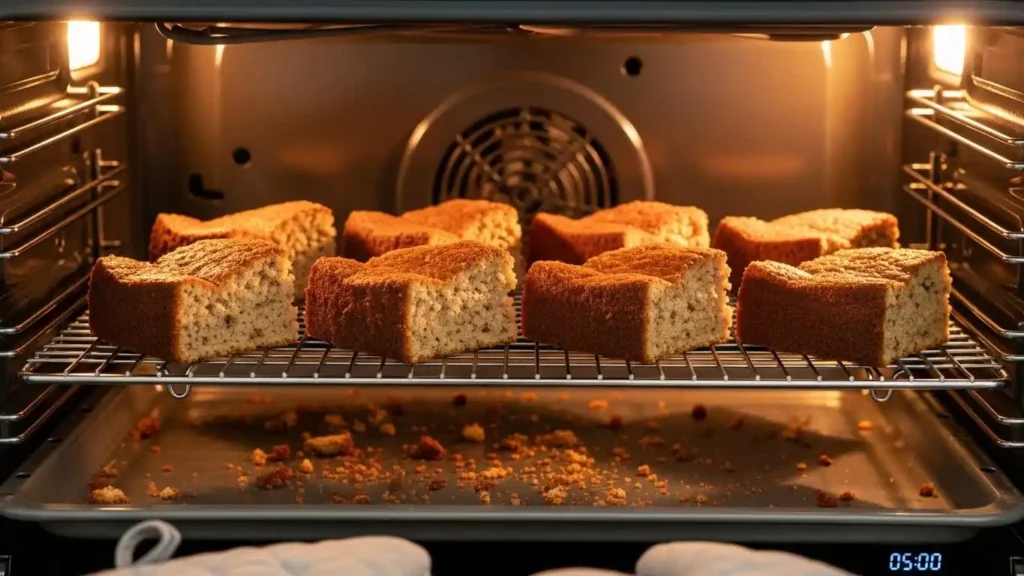
For cakes that are way too moist—think pudding-like consistency—turn them into something new.
Step-by-step:
- Slice the cake horizontally or cut it into cubes.
- Toast slices in the oven at 350°F (175°C) for 5–10 minutes until lightly firm.
You can also:
- Turn cubes into trifle layers with pudding and whipped cream.
- Use slices as a base for a cake parfait or ice cream cake.
Why it works: Toasting slightly removes surface moisture and adds a bit of structure, giving you dessert versatility instead of throwing the cake away.
Fix #3: Use a Simple Syrup Smartly
Yes, simple syrup is usually for adding moisture—but it can balance a cake that’s unevenly moist.
Step-by-step:
- Mix 1 part sugar + 1 part water, heat until dissolved. Cool.
- Brush lightly over areas that are soggy and over-moist.
Pro tip: Add flavor—vanilla, citrus zest, or coffee—to complement the cake.
Why it works: It redistributes moisture and prevents dry edges while letting the cake hold its shape. This works especially well for layered cakes.
Fix #4: Frosting Can Be Your Best Friend

Sometimes the easiest fix for a too moist cake is to mask the problem with a stable, thick frosting.
Step-by-step:
- Chill the cake slightly in the fridge to firm it up.
- Apply a buttercream or cream cheese frosting generously.
- Frost the cake slowly and gently, ensuring you don’t compress it.
Optional hack: Add a layer of cookie crumbs, crushed nuts, or toasted coconut between layers. This absorbs some extra moisture while adding texture.
Why it works: Frosting creates a barrier and provides structure, letting your cake taste amazing even if the texture is slightly off.
Fix #5: Freeze and Slice
If you’re dealing with a cake that’s too moist and fragile, freezing can save the day.
Step-by-step:
- Wrap the cake tightly in plastic wrap and freeze for 30–60 minutes.
- Slice and serve while slightly firm, or use in desserts like icebox cakes or trifles.
Why it works: The cold firms up the cake, making it easier to cut and serve. This is especially handy for chiffon, sponge, or mousse-filled cakes.
Fix #6: Repurpose into Cake Pops or Truffles
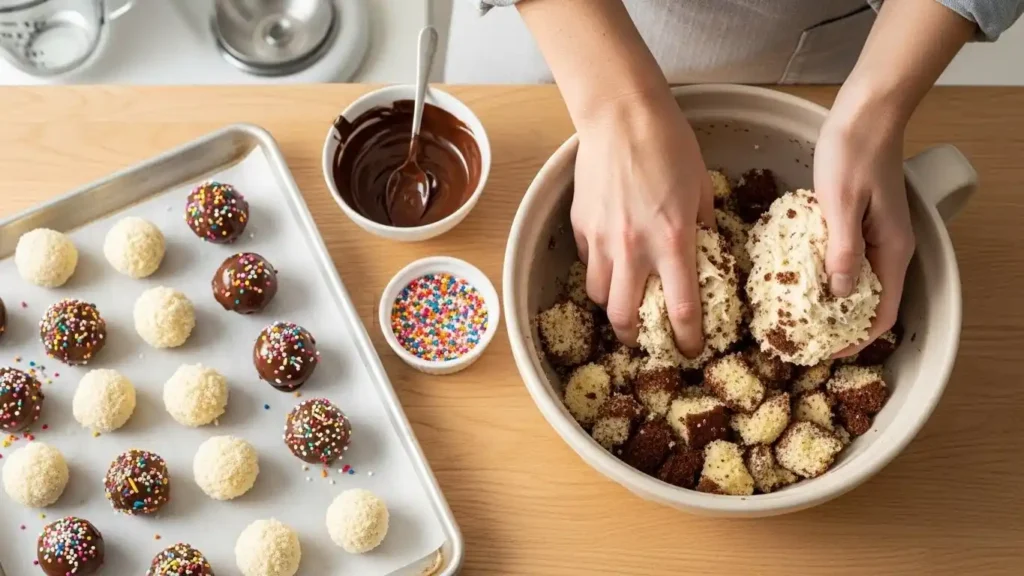
When life gives you a super moist cake, make cake pops. Seriously, it’s genius.
Step-by-step:
- Crumble the cake into a bowl.
- Mix with frosting, cream cheese, or Nutella until it holds together.
- Shape into balls and chill.
- Dip in chocolate, sprinkle with toppings, and voilà!
Why it works: It transforms what seems like a baking disaster into a fun, trendy treat. Bonus: Everyone will think you meant to make cake pops.
Fix #7: Adjust the Next Bake
Learning from mistakes is key. If your cake frequently ends up too moist, tweak your recipe:
- Reduce liquids slightly (milk, oil, water).
- Increase dry ingredients marginally (flour, cocoa powder, almond flour).
- Check your baking times—every oven is different.
- Use parchment paper or a baking strip for even heat distribution.
Pro tip: Always test doneness with a toothpick in the center. It should come out mostly clean, maybe with a few moist crumbs—not wet batter.
Common Mistakes to Avoid
- Ignoring the problem: Covering it with frosting doesn’t fix the structural issue; you may still have collapse when slicing.
- Overbaking when trying to fix: This dries out edges but leaves the center mushy. Low and slow is key.
- Skipping the fridge: Some cakes need chilling to firm up before slicing or decorating.
FAQ (Frequently Asked Questions)
Q1: Can I salvage a cake that’s completely soggy in the middle?
Absolutely! Slice and toast it, turn it into trifle layers, or crumble it for cake pops.
Q2: Will brushing with simple syrup make it worse?
If your cake is unevenly moist, just brush the syrup lightly. It won’t over-moisten if applied sparingly.
Q3: Is freezing too moist cake safe?
Yes! Freezing stabilizes structure, making it easier to slice or repurpose.
Q4: Can frosting fix a too moist cake?
Yes, frosting creates structure and flavor balance. Just chill the cake first to avoid collapsing under the weight.
Q5: How do I prevent a cake from being too moist next time?
Measure ingredients carefully, don’t overmix, and watch baking times. Consider reducing wet ingredients slightly.
Q6: Can I use the cake in another dessert?
Definitely! Trifles, parfaits, cake pops, or icebox cakes are all great ways to repurpose a too-moist cake.
Final Thoughts
A cake that’s too moist may seem like a disaster, but it’s not the end of the world.
With these fixes, you can save your dessert, repurpose it creatively, and even learn a thing or two for your next bake.
Remember, baking isn’t about perfection—it’s about delicious results.
So whether you toast it, frost it, slice it, freeze it, or turn it into cake pops, your cake can still steal the show.
Next time your cake comes out wetter than expected, don’t panic.
Instead, think: how to fix a too moist cake—yes, that’s a real problem, and now, you’ve got the tools to tackle it head-on.
Happy baking!


