

How to Fix Scratched Non Stick Pan in 5 Simple Steps
Learn how to fix scratched non stick pan quickly with these simple kitchen tips that can help restore your cookware’s surface, improve cooking performance, and extend the life of your favorite non stick pan.
So you spotted scratches on your nonstick pan.
The second your nonstick pan starts looking like a cratered moon, you panic a little and vow to fix it yourself.
Hold up—you can rescue it without buying a new one.
A few smart moves, a dash of elbow grease, and maybe a little baking soda magic, and you’ll be back to sizzling like a pro.
Do you chuck it or marshal the fleet of kitchen hacks? Let’s walk through practical options, what works, what doesn’t, and how to keep your coating pristine longer.
FYI, you’ve got this.
Assess the damage: is it time for a rescue or a replacement?
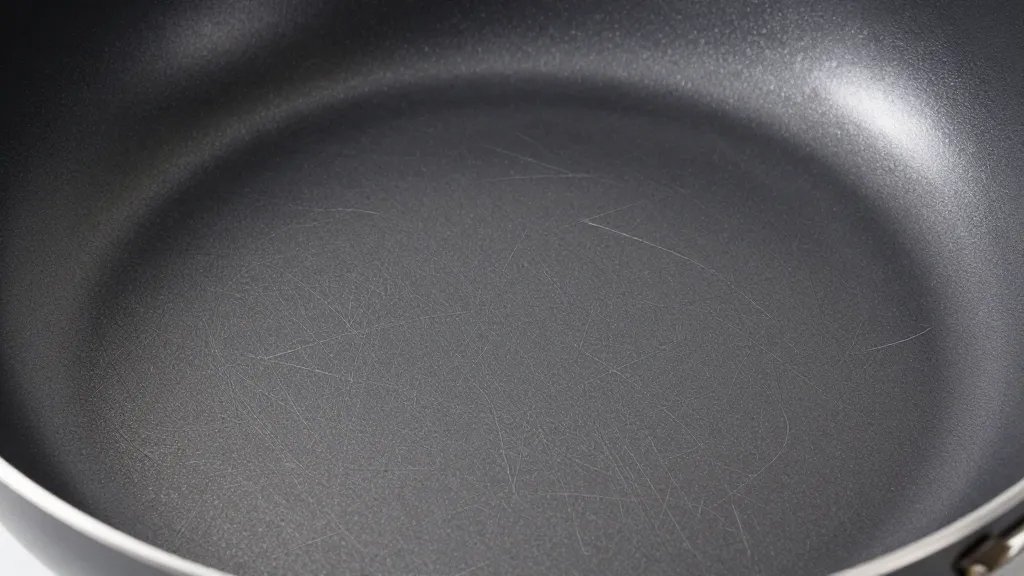
– Look at the coating. Minor scratches on the surface? You can usually salvage with the right method. Deep gouges that expose metal? Time to retire that pan or use it for high-heat tasks you don’t mind sticking to—like searing or sautéing with oil but not delicate eggs.
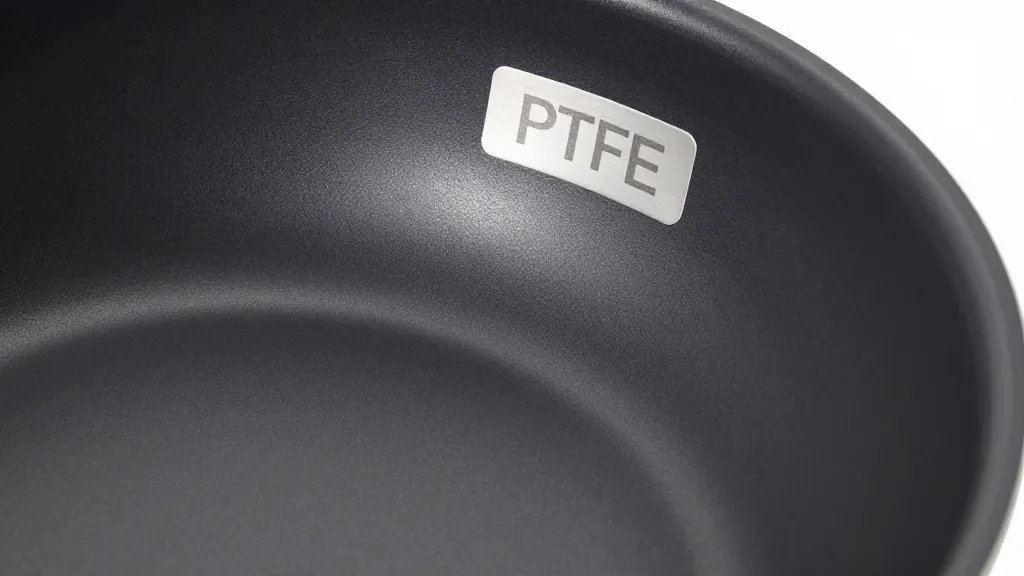
– Check the coating type. Some pans have ceramic nonstick; others have PTFE-based coatings. The repair steps vary a bit, so know what you’re working with.
– Note the pan’s age. If it’s ancient (and still clinging to life), saving might be heroic but short-lived. Sometimes replacement is smarter than a DIY Band-Aid.
Smooth scratches: quick fixes that actually work
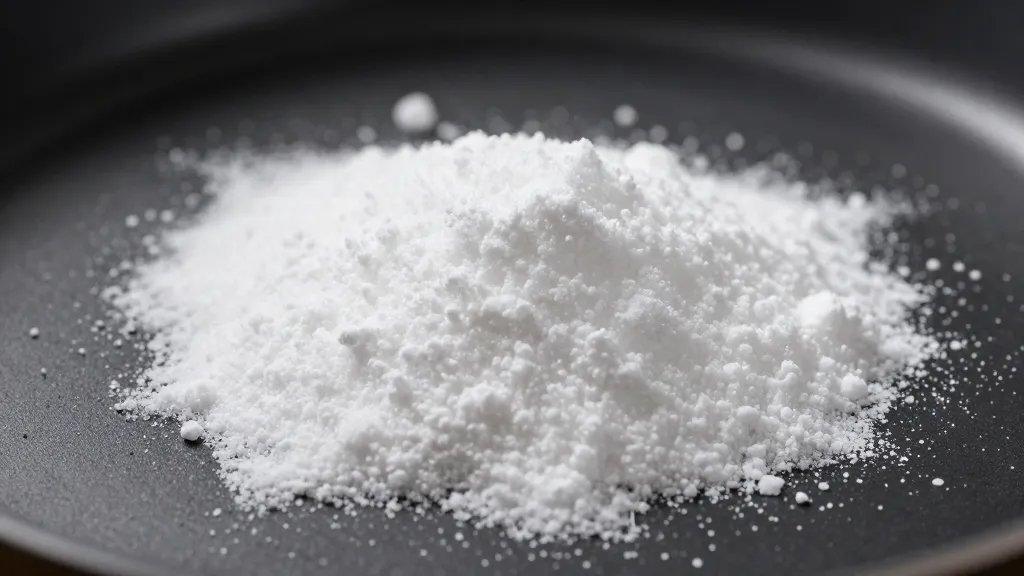
– Clean first, obviously. Grab warm soapy water, a soft sponge, and a little baking soda paste for stubborn spots. Don’t scrub with steel wool or abrasive pads—those square off your coating like bad teeth.
– Fry with a little faith and oil. If scratches are superficial, you can keep using the pan for low- to medium-heat cooking with a thin oil layer. The oil helps seal the surface and reduces sticking.
– Use the right utensils. Always go silicone or wooden. Metal tools are the enemy of nonstick coatings, even if the coating looks okay—small nicks become big problems over time.
– Cook smarter, not harder. Cook at moderate temperatures. If you find yourself cranking the heat to get things moving, that’s a sign the pan isn’t in great shape. Slow and steady wins the nonstick race.
Deep scratches? Here’s how to handle them without crying over burnt eggs
Option A: re-seasoning the pan
– Clean thoroughly. Remove any residue so the re-seasoning sticks.
– Lightly oil the surface. Use a neutral-tasting oil with a high smoke point (like canola or grapeseed).
– Heat gently. Put the pan on a burner and heat it until the oil forms a thin, glossy layer. Wipe away excess and let it cool. This isn’t a miracle cure, but it can help improve performance temporarily.
Option B: use a nonstick-safe coating refresher
– Look for products labeled for nonstick maintenance. They’re not miracle sprays, but they can fill tiny micro-scratches and smooth the surface a bit.
– Follow the product’s directions to the letter. If you’re unsure, skip it—some formulas can gum up over time.
When you should embrace a repair or go shopping
– If you cook eggs or delicate sauces regularly, flipping a coin between “repair” and “replace” becomes a lifestyle choice. A pan with deep scratches can cause uneven heating and more sticking eventually.
– For a budget-friendly compromise, you can pair a repaired pan with a fresh nonstick skillet you use for eggs and delicate tasks. Keeps the expensive pan safe for serious searing and comfort foods.
– If you notice peeling or the coating flaking into food, stop using it. Ingesting loose coating particles isn’t ideal. Time to retire that pan and upgrade.
DIY fixes that actually hold up (or at least a lot longer)
– Baking soda magic. Sprinkle a paste of baking soda and water on the interior. Let it sit for 15 minutes, then scrub gently with a soft sponge. Rinse, dry, and oil lightly. This can remove surface grime and reduce stickiness.
– Vinegar wipe for mineral buildup. A weak white vinegar solution can strip mineral deposits that might make food stick. Rinse well after and re-season lightly.
– Gentle buffing with a microfiber cloth. If you want to smooth slightly rough edges on shallow scratches, a light buff can reduce grit that grabs food. Don’t overdo it—you’re not polishing a car.
What to do to prevent future scratches (the preventive playbook)
– Storage habits matter. Don’t stack pans directly on top of each other without a protective layer. Use a cloth or paper towels between pieces to avoid scratches.
– Use the right heat settings. Nonstick coatings aren’t built for intense heat. Medium or medium-low is usually plenty for most tasks.
– Preheat smartly. Start with a little oil in the pan and let it heat evenly. If you drop something and it instantly sizzles, you’re probably at the right temperature.
– Clean with care. Avoid harsh abrasives entirely. Stick to soft sponges and mild cleaners.
– Replace when needed. If the coating is peeling or you’ve got deep gouges, it’s time to retire that pan and upgrade. Your future self will thank you.
What about alternative pans?
– Ceramic nonstick. These can be more durable with careful use, but they still benefit from gentle heat and proper utensils. They’re great for eggs and pancakes.
– Stainless steel with a nonstick coating inside. Some people love them for durability, as long as you don’t depend on “true” nonstick for delicate stuff.
– Cast iron with oil seasoning. If you can embrace cast iron, you’ll get incredible longevity. It requires maintenance, but a well-seasoned skillet is a kitchen workhorse.
FAQ
Can I fix scratches on a nonstick pan permanently?
Permanent fixes don’t really exist for deep coating damage. You can improve performance with seasoning and careful cooking, but deep scratches usually signal it’s time to retire the pan. If the coating is compromised, don’t risk food safety or uneven heating.
Is it safe to continue using a scratched nonstick pan?
It can be, if the scratches are superficial and you’re not peeling the coating. But you should avoid high-heat cooking and techniques that demand a robust nonstick surface. If you see peeling or flaking, stop using it immediately.
What’s the best way to extend a nonstick pan’s life?
Use silicone utensils, cook on medium heat, clean gently, avoid dishwashers if not rated for it, and store with a protective layer between pans. Gentle care adds years to your coating.
Should I replace my nonstick pan after a few scratches or wait?
If you notice frequent sticking or heat inconsistency, replacement is prudent. If the scratches are minimal and the pan works fine, you can keep using it with the preventive steps above. IMO, your taste buds will thank you.
Do seasoning and maintenance actually matter for nonstick?
Yes. Seasoning helps fill tiny micro-scratches and creates a smoother surface. Regular maintenance reduces sticking, especially with eggs and delicate sauces. It’s a small effort with a big payoff.
Conclusion
Scratches on a nonstick pan are not the end of the world. You can often salvage performance with a few DIY moves, smart cooking habits, and gentle maintenance.
If the coating is badly damaged, don’t fight it—retire the pan and upgrade.
Your future breakfasts and brunches will be smoother, with fewer stuck eggs and more victory laps around the kitchen.
Stay curious, keep it light, and you’ll age your cookware gracefully.


