

How to Get Burnt Sugar Off a Pan in 5 Quick Steps
The moment you see burnt sugar on a pan, you know breakfast just turned into a tiny science experiment.
Don’t panic. You’ve got this. With a few simple tricks, you can rescue that pan and keep your next batch from turning into a smoky disaster.
What burnt sugar actually looks like and why it sticks
Burnt sugar isn’t a mystery villain.
It’s sugar caramelized to the point of char, which means it loves to cling to metal like a clingy ex.
The pan gets coated with a sticky, brittle layer that resists ordinary washing.
Heat drives the sugar from glossy to grippy, and even a small teaspoon of it can set off a whole pan-wide siren of smoke.
– It’s not just “the fire alarm”—it’s physics: melted sugar bonds to the metal.
– The more agitated the pan, the more it adheres. Don’t scrub like you’re panning for gold.
– Temperature matters. The hotter it gets, the tougher the cleanup.
FYI: burnt sugar isn’t always a disaster. If you catch it early, the residue can still be softened and scrubbed away without hardcore elbow grease.
First steps: stop the problem from getting worse
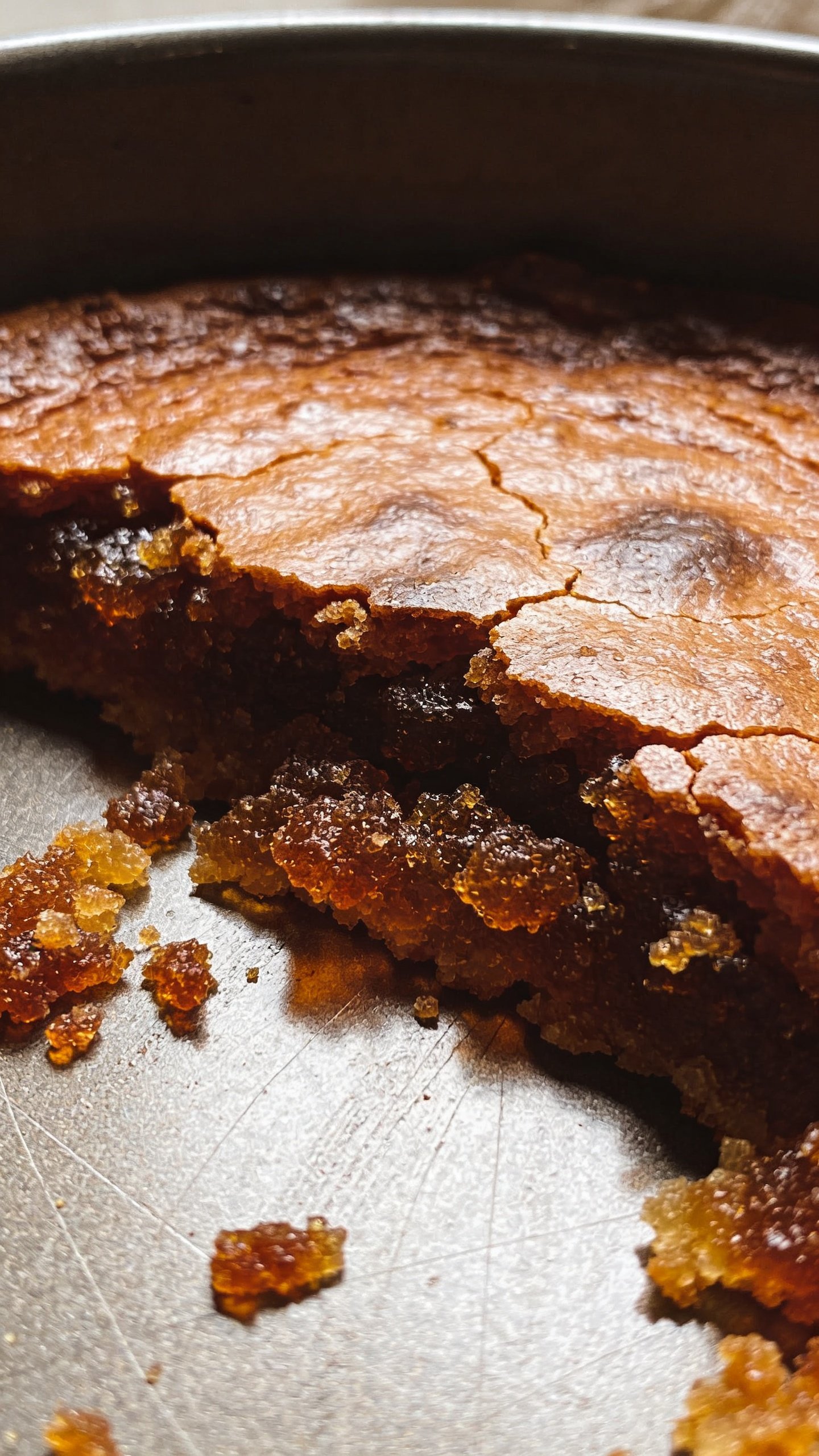
When you notice sugar starting to bubble and darken, act fast. Waiting makes the caramelization finish with a bang and a bang equals a bigger cleanup later.
– Remove heat immediately and tilt the pan away from you to avoid steam burns.
– If you can, slip the pan off the burner onto a cool surface and let it settle for a minute.
– Don’t pour water into an overheated pan while sugar is still hot—hot sugar + water can explode into steam and burn you.
If you’re already staring at a blackened mess, don’t despair. The cleanup will still be doable with the right approach.
Technique 1: soak, then scrub the easy way
Sometimes the simplest method wins. Soak loosens things up so you can wipe away the worst without a siege.
How to soak effectively
– Fill with warm water until the burnt layer is covered by about an inch.
– Add a squirt of dish soap and let it sit for 15–30 minutes.
– For stubborn spots, heat slightly to dissolve the sugar before soaking again.
Why this works: heat loosens the bond, and soap cuts through the sticky syrup chorus.
Brush and scrub basics
– Use a non-abrasive sponge or a soft nylon brush. Stay away from steel wool unless you want scratches on a nonstick surface.
– Gentle circular motions beat brute force. You’re not sanding wood; you’re cleaning a pan.
– Rinse, inspect, repeat if needed.
If your pan has a stubborn caramel halo that won’t quit, move to the next technique before you start chipping away.
Technique 2: the baking soda magic trick
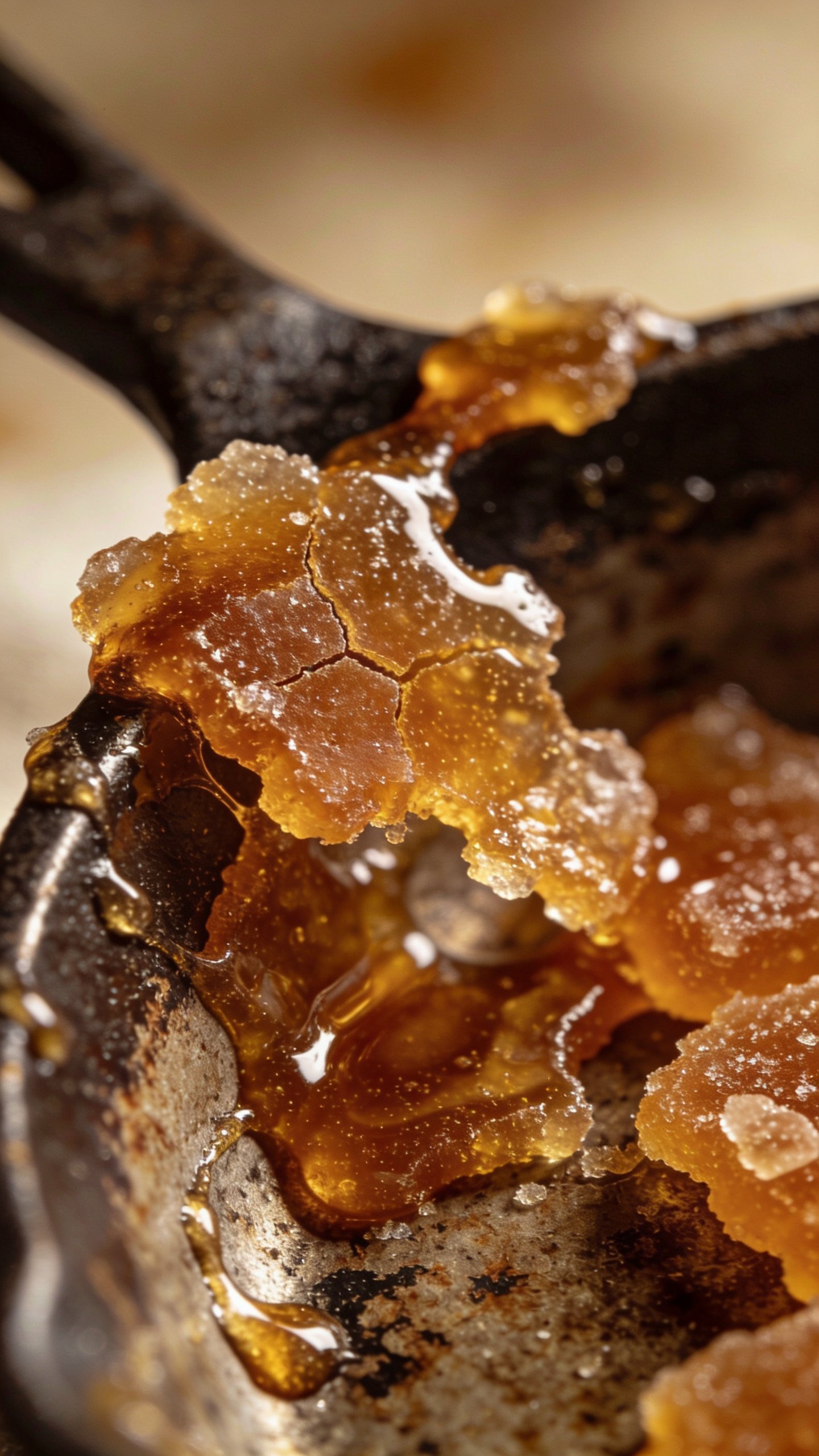
Baking soda is basically the duct tape of the kitchen: cheap, versatile, and surprisingly powerful for stubborn messes.
How to use baking soda on burnt sugar
– Sprinkle a thick layer of baking soda over the bottom of the pan.
– Add enough water to make a paste. The paste should cling to the burnt spots, not run off like a sad spill.
– Let it sit for 15–20 minutes, then scrub with a non-abrasive pad.
What you’re doing here: baking soda lifts the caramelized sugar without scratching the surface. It’s gentle chemistry with a little personality.
Rinse, assess, repeat
– Rinse with warm water. Check for streaks or stubborn patches.
– If needed, apply another layer of paste and let it sit a bit longer. Sometimes patience is the real cleaning hack.
Technique 3: white vinegar and heat—a surprisingly effective pair
Vinegar might seem fancy, but it’s a trusty ally for burnt sugar. It breaks down sugar residues and helps lift them from the pan.
Step-by-step vinegar method
– Pour enough white vinegar into the pan to cover the burnt area.
– Bring to a gentle simmer for a few minutes. The fumes may be strong, so keep a fan handy or vent the kitchen.
– Remove from heat and scrub with a non-scratch sponge.
– Rinse well and dry.
Note: avoid mixing vinegar with chlorine cleaners. Always rinse thoroughly to prevent any vinegary aftertaste in future cooking.
Technique 4: the lemon (or citric) zest for freshness
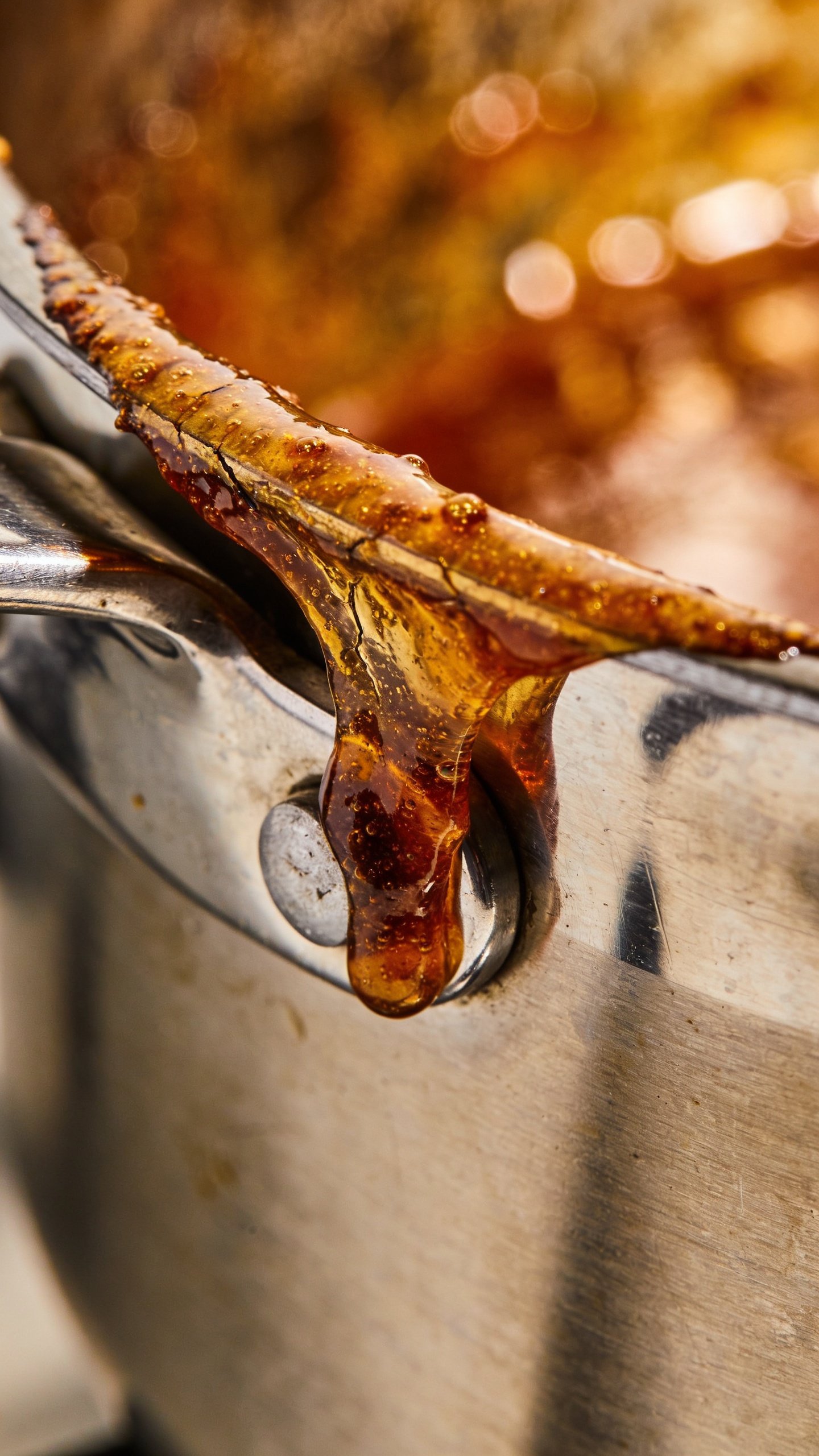
Lemon juice and zest aren’t just for flavor—they can help cut through tough caramel residues too.
How to do it
– Squeeze fresh lemon juice over the burnt spots and sprinkle some zest on top.
– Add a splash of water and simmer briefly.
– Scrub the bottom with a sponge; the acidity helps loosen the sugar.
– Rinse well.
This method is especially handy if you’re cleaning a pan that’s seen a citrus-based sauce or glaze. It leaves a refreshing note, not a sour stench.
Technique 5: nonstick pan caution and recovery
If your go-to pan is nonstick, you have to tread carefully. The goal is to lift burnt sugar without damaging the coating.
– Use mild cleaners and non-abrasive tools exclusively.
– Don’t soak nonstick pans for long periods if the coating is questionable.
– If the coating looks scratched or compromised, it might be time to retire the pan. A baby nonstick pan is a costly mistake to fix.
For stubborn spots on nonstick, a repeat gentle scrub with warm soapy water often does the trick. If you must, a tiny amount of baking soda paste on the spot can help lift without scraping.
Preventive tips: keep it clean in the future
Let’s head off the drama before it starts.
– Don’t leave sugary recipes unattended. Caramel sets quickly and aggressively.
– Use lower heat when caramelizing sugar. Slow and steady wins this race.
– Deglaze regularly. A splash of liquid during cooking keeps sugars from scorching and sticking.
– Clean as you go. A quick soak after cooking saves you from a full cleanup marathon later.
Conclusion: you’ve got this, hero of the stove
Burnt sugar on a pan doesn’t have to ruin your day or your mood.
With a mix of soaking, gentle scrubbing, and a few pantry shortcuts, you can reclaim that pan faster than you think.
FYI, every kitchen has its own quirks—trust your instincts, try one method at a time, and you’ll dial in your perfect routine.
FAQ
Is burnt sugar the same as burnt caramel?
Yes and no. It’s the same molecule, just at a later stage of sugar caramelization. Burnt caramel is deeper in color and more likely to cling, making cleanup tougher. The basic cleanup tricks still apply: soak, scrub gently, and use pantry staples.
Can I use soap on nonstick pans after burnt sugar residue?
Absolutely. Use a mild dish soap with a soft sponge. Avoid harsh abrasives that can wear down the coating. If the residue is stubborn, go for a gentle baking soda paste and a soft scrub.
What should I do if the pan starts to warp after high heat?
If you notice warping, stop heating and let the pan cool gradually. Sudden temperature changes can warp some metals. After it’s cooled, inspect for cracks and decide whether to keep using it. If the integrity is compromised, it’s time to replace.
Is it safe to reuse burnt sugar cleanup water?
Better not. Trash it and wash the sink area. Boiling sugar can clog drains in surprising ways if it hardens inside pipes. Better to be safe and pour it away in the trash or a compost if your setup allows.
Do I need to use a special cleaner or steel wool?
Most burnt sugar can come off with warm water, dish soap, and a non-abrasive sponge. Save steel wool for really stubborn, non-coated surfaces. If you’re ever unsure, test a small, inconspicuous area first. Better to protect your pan and your nerves.


