

How to Grease a Cake Pan That Slides Out Perfectly
Learn the easy trick to grease a cake pan so your cake slides out perfectly every time
It only takes a tiny slick of fat to save your cake from a sticking fate.
If you’ve ever wrestled with a floury disaster sticking to the pan, you’re not alone.
I’m here to walk you through grease, step by step, so your cake slides out like it knows a secret handshake.
First things first: pick your grease weapon
You’ve got options, and each one brings its own vibe to the bake.
Do you want something neutral that won’t alter flavor, or a little extra sheen for a glossy release?
Let’s break down the contenders.
- Non-stick spray — quick, convenient, and perf for everyday cakes. Just a few bursts, and you’re done. FYI, spray canisters can clog, so shake well and keep it moving across the surface.
- Butter — classic, flavorful, and forgiving. Plus, you can add a dusting of flour for extra security. The downside: it’s a touch more prone to browning if you get aggressive with heat.
- Shortening — a reliable, neutral option that hates sticking almost as much as your oven hates drama. Great for yeast breads or denser cakes.
- Oil — good for bundt pans or delicate batters you don’t want to dry out. Use a light coating to avoid a greasy finish.
Step-by-step: the classic butter-and-flour method
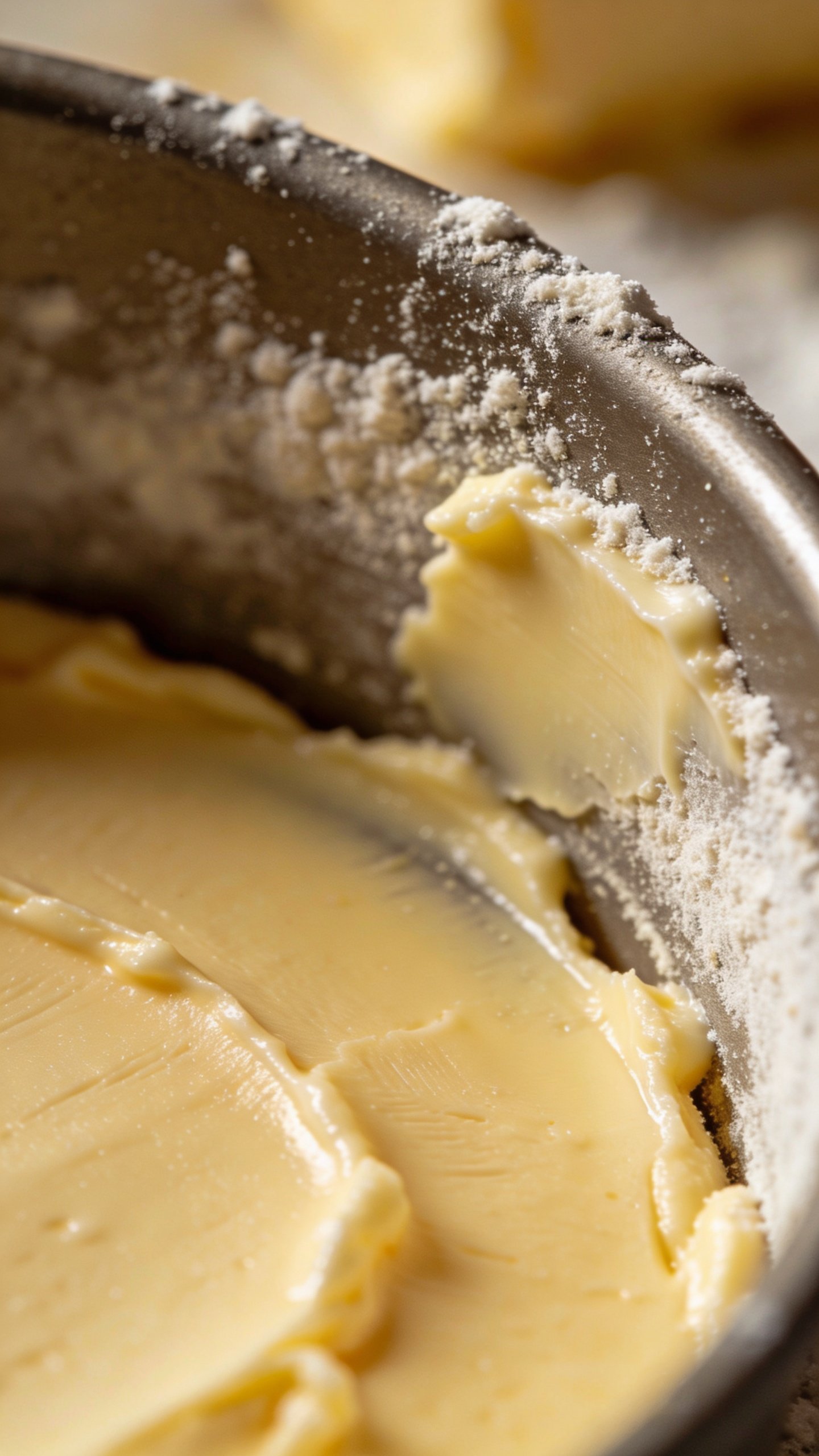
This is the tried-and-true method you’ll reach for 80% of the time. It’s simple, satisfying, and makes you feel like a cake-pro in your own kitchen.
- Butter or oil the pan liberally, aiming for every nook and cranny.
- Dust with flour, then tap out the excess. You should see a light coating, not a snowstorm.
- Optionally, chill the pan for a minute to set the coating before pouring batter.
Why this method works
Butter creates a slight barrier and adds flavor.
The flour clings to that fat, forming a invisible barrier that prevents sticking.
It’s a balance between enough coating to release, but not so much that it creates a floury residue.
Alternate technique: parchment papers and slick coatings
Sometimes you want a no-mess release without any floury leftovers. Here’s how to do it like a pro.
- Parchment lining — cut a circle for the bottom and a strip for the sides. Grease the sides lightly so the parchment sticks where it’s supposed to, then pour.
- Oil spray + parchment — spray the pan, line with parchment for extra assurance, especially if you’re baking angel food or delicate sponges.
- Flourless options — some recipes suggest baking spray without flour. This works well for certain cakes where you don’t want any texture from flour.
When to use parchment
Use parchment when you know your cake is fragile or you’re dealing with a wildly sticky batter.
It’s also handy if you’re stacking layers later and want clean edges.
Grease for different pan shapes: pans aren’t one-size-fits-all
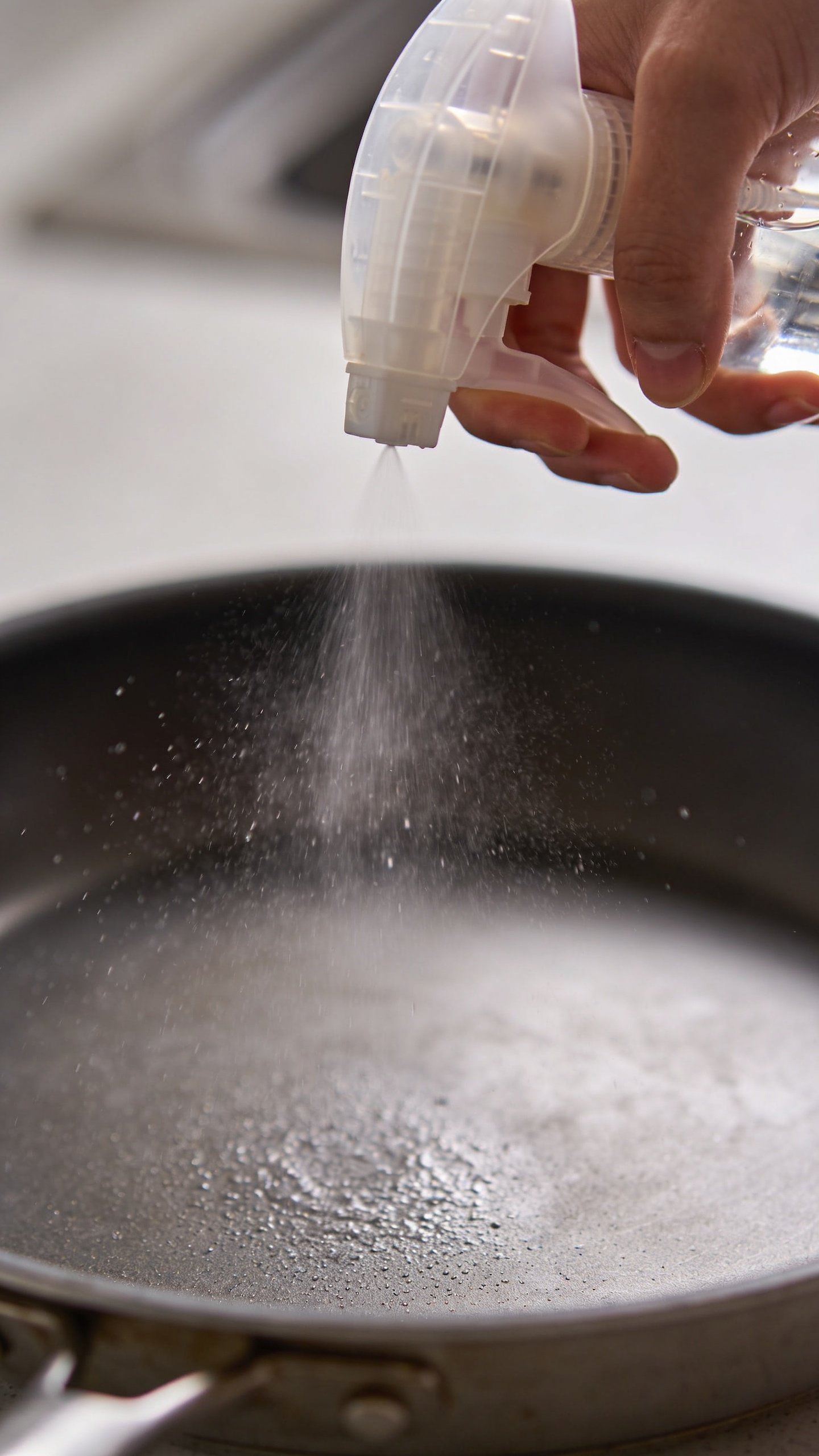
Your pan shape matters. A sticky cake in a bundt pan will want a different approach than a sheet pan.
- Round or square cake pans — butter or spray, then dust with flour. If you’re worried about sticking at the corners, rub a bit of butter along those edges too.
- Bundt pans — use a generous layer of shortening or butter, paying attention to the little crevices. Dust with flour, then tap out the excess. You want a well-defined nonstick shell.
- Loaf pans — a light oiling and a dusting of flour works well, especially if you’re baking quick breads that stick like crazy.
Tips and tricks that actually save you from cake heartbreak
Because let’s be real: even seasoned bakers forget the obvious.
- Chill the pan after coating. A quick chill helps set the barrier, making release smoother.
- Grease orientation — coat the bottom and sides evenly. Don’t just focus on the bottom; the sides matter, especially for tall cakes.
- Consistency matters — keep the coating even. Missed spots turn into sticking nightmares.
- Test a tiny crumb — if you’re unsure, bake a small tester cake or muffin to confirm release before ruining a full cake.
Common greasing mistakes to avoid
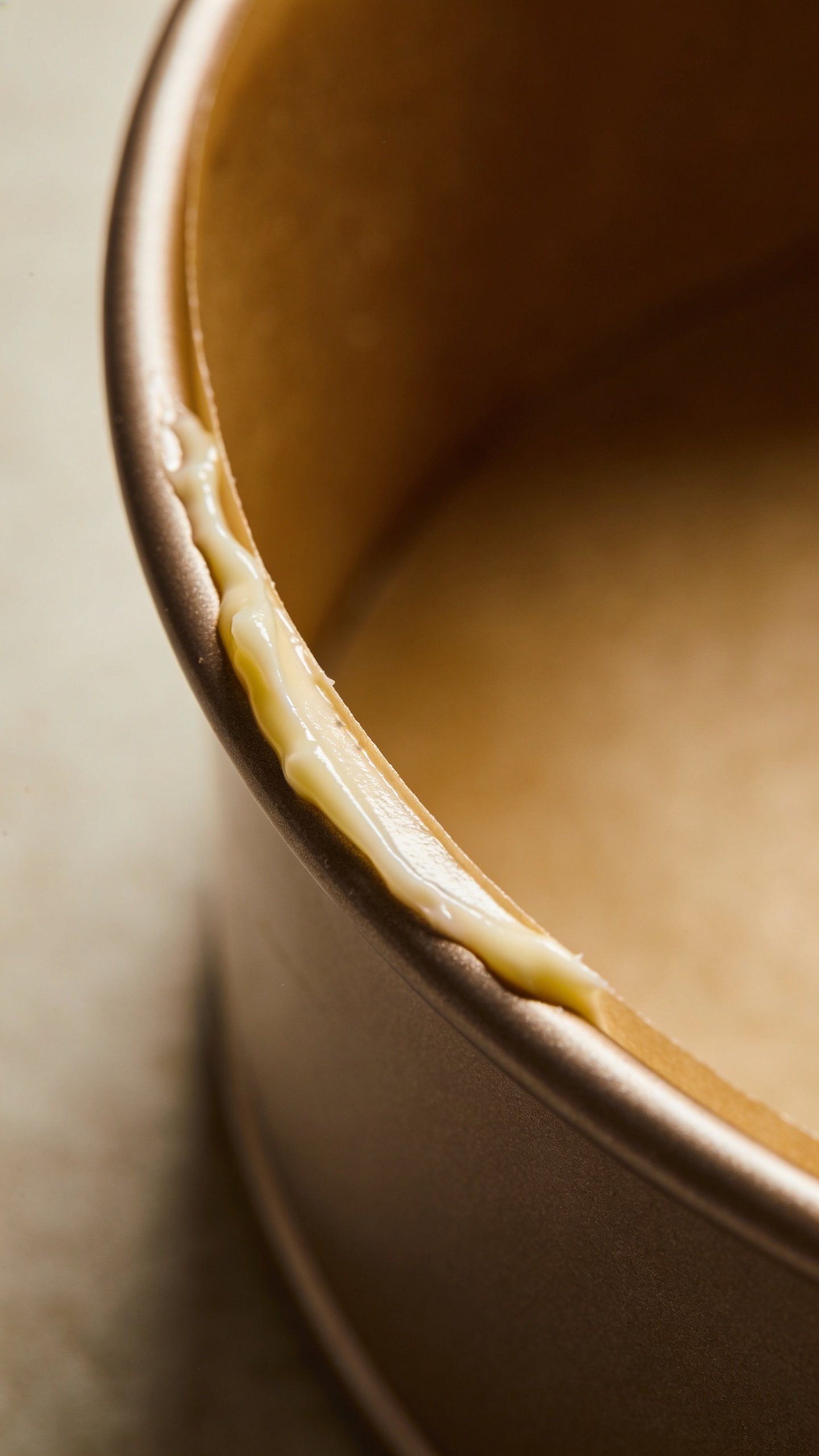
We all slip up now and then. Here’s what to dodge so your cake doesn’t fight back.
- Over-greasing — yes, you’ll see some shine, but excess fat can cause a greasy edge or a soggy bottom.
- Skipping the coating on the corners — corners are sneaky, they cling the most. Don’t forget them.
- Using the wrong pan for the batter — a super wet batter in a small, tight pan equals sticking chaos. Match density to pan.
Quick-start checklist: what you’ll actually do
Because you want to get baking, not reading a long saga.
- Choose your grease method (butter, oil, shortening, spray, or parchment).
- Coat pan evenly, including corners.
- Dust with flour if using butter or shortenings that aren’t nonstick.
- Tap out excess flour and chill briefly if you like.
- Pour batter and bake as directed.
A quick dive into for special cakes
Some cakes are drama queens and require a touch more care.
Angel food cake
Angel food loves to cling. Use a light spray with no flour, or line the pan with parchment and carefully lift the cake out using the edges of the parchment.
FYI, a well-greased pan lets the delicate sponge slide out without tearing.
Butter cake vs. sponge cake
Butter cakes benefit from a buttered-and-floured surface. Sponge cakes, especially delicate ones, feel the difference—parchment lining is your friend here to ensure a clean release.
Conclusion: you’ve got this, pan ready
Greasing a cake pan isn’t rocket science. It’s a tiny ritual that pays off in perfectly formed slices and a drama-free cake release.
Pick your method, coat evenly, and respect the corners. Soon you’ll skip the panic and whisper, “Same time next bake,” to your pan.
FAQ
Do I really need to flour a buttered pan?
Yes, unless you’re using a nonstick spray or a silicone pan. A light flour coat helps create a barrier that prevents sticking, especially for butter-based batters. If you’re worried about flour specks, tap out the excess until you have a silky, dust-free surface.
Can I skip the flour if I use parchment?
You can. Parchment provides its own nonstick surface. For some delicate cakes, parchment plus a light oil or spray under the parchment helps it release cleanly.
What’s the best method for a bundt pan?
Luxuriate with a generous coating of shortening or butter, getting into all the ridges. Dust with flour, then tap out the excess. The ridges are where sticking loves to hide, so don’t skip them.
My cake still sticks. What now?
Double-check your pan shape and batter compatibility. If the release is stubborn, run a thin knife around the edge after baking to loosen, then invert onto a rack or plate. But be gentle—the goal is a smooth slide, not a wrecked cake.
Is nonstick spray always enough?
For many cakes, yes. But for dense batters or tall cakes, add a light butter or oil layer first, then spray.
It creates extra insurance against sticking, especially in older pans where the coating isn’t as robust.
Any final pro tips?
– Always grease the bottom and up the sides a bit, not just the bottom. Gravity helps the batter release cleanly.
– If you’re reusing an old pan, consider a fresh coat or a quick upgrade with parchment for an extra smooth release.
– Enjoy the process. A little humor, a little grease, and you’re golden.


