
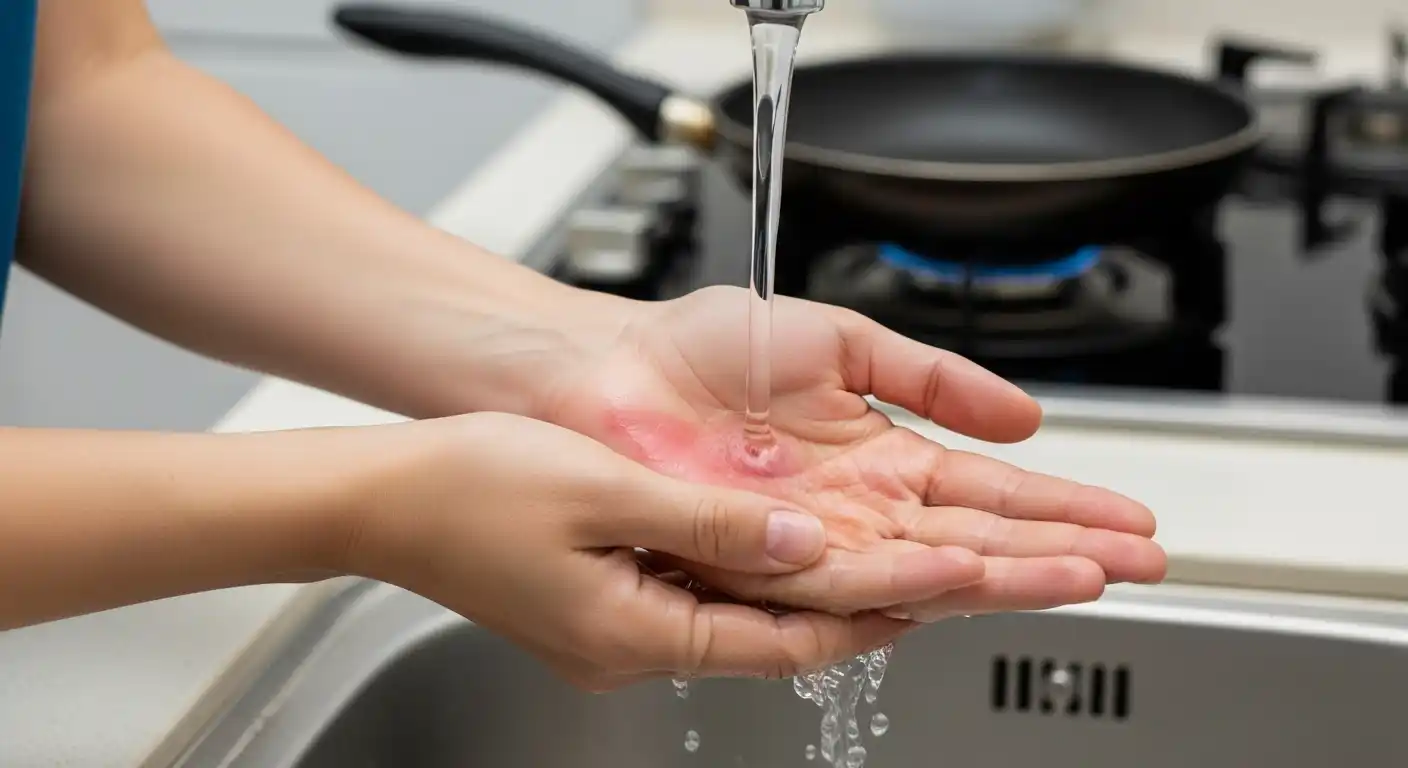
How to Treat a Burn from a Hot Pan: Your Quick Guide to Healing
Let’s face it—burns in the kitchen happen. Maybe you grabbed a sizzling pan without oven mitts, or that hot oil had other plans for your hand.
It’s painful, sudden, and, honestly, kind of terrifying. But before you panic, take a deep breath.
Today, we’re covering how to treat a burn from a hot pan, step by step, so you can calm the pain, prevent infection, and get back to cooking (safely) in no time.
Whether it’s a minor burn or something a little more intense, knowing the right steps can make all the difference.
Plus, I’ll sprinkle in some practical tips to avoid turning your kitchen adventures into a first-aid nightmare.
Why Acting Quickly Matters
Burns are more than just painful—they can damage skin and tissue if left untreated.
Acting immediately helps reduce swelling, relieve pain, and prevent further damage.
Think of it like putting out a small fire before it spreads: speed matters.
Pro tip: Minor burns heal faster if you cool them right away. So resist the urge to panic, grab cold water, and let’s handle this step by step.
Step 1: Cool the Burn Immediately
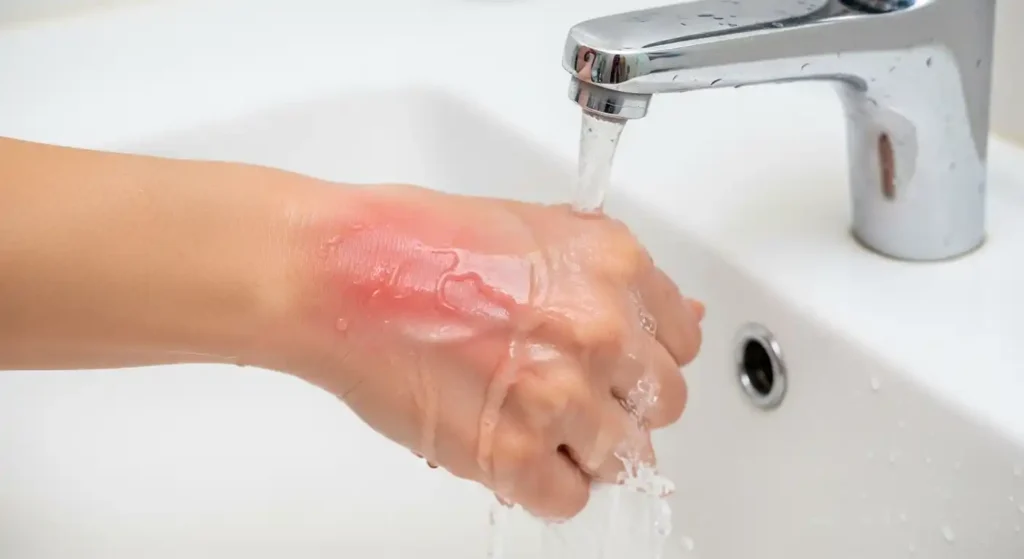
Why This Works
Cooling the skin helps stop the burning process and prevents the injury from deepening.
How to Do It
- Hold the burned area under cool running water for 10–20 minutes.
- If running water isn’t available, use a cool, wet compress.
- Avoid ice or ice-cold water directly on the skin; it can damage tissue further.
Quick Tip
Even if it stings a little, this step is non-negotiable. Your skin will thank you later.
Step 2: Remove Constrictive Items
Burns often cause swelling, so take off rings, bracelets, or watches near the area before swelling sets in.
Why you’ll love this tip: Avoiding trapped skin prevents further pain and complications. A little prep here saves big trouble later.
Step 3: Clean the Area Gently
After cooling, wash the burn gently with mild soap and lukewarm water. Avoid scrubbing; you’re trying to clean, not exfoliate.
- Skip harsh chemicals or alcohol-based solutions—they sting and slow healing.
- Pat dry with a clean towel, don’t rub.
Step 4: Protect the Burn
Once clean, covering the burn helps prevent infection and keeps the skin protected.
- Use a non-stick sterile dressing or gauze.
- For minor burns, adhesive bandages can work if they don’t stick to the skin.
- Avoid cotton balls that can leave fibers behind.
Pro tip: Change the dressing daily or whenever it gets wet. Your skin heals best in a clean, protected environment.
Step 5: Soothe the Pain
Burns hurt—there’s no sugarcoating that. A few strategies to relieve discomfort:
- Over-the-counter pain relief like acetaminophen or ibuprofen.
- Cool compresses throughout the day to reduce swelling.
- Aloe vera gel or burn ointments can soothe minor burns.
Note: Only use topical ointments recommended for burns; some creams may irritate the skin.
Step 6: Watch for Signs of Infection
Burns, even minor ones, can get infected. Keep an eye out for:
- Increasing redness or swelling
- Pus or unusual discharge
- Worsening pain
- Fever
If any of these appear, seek medical attention immediately. Don’t wait and hope it goes away—burn infections can escalate quickly.
Step 7: Let the Burn Heal Naturally
Resist the urge to pop blisters or peel off scabs. Your skin is repairing itself, and interfering can lead to scarring or infection.
Helpful tip: Moisturize gently with a burn-specific cream once the skin starts to heal. It prevents dryness and promotes elasticity.
Minor vs. Major Burns
It’s important to know when to seek professional help:
- Minor burns: Red, painful, but no blisters larger than 3 inches. Treat at home using the steps above.
- Major burns: Blisters larger than 3 inches, white or charred skin, or burns on face, hands, feet, or genitals. Seek immediate medical attention.
Pro tip: When in doubt, always err on the side of caution.
Prevention Tips: Avoiding Future Kitchen Burns
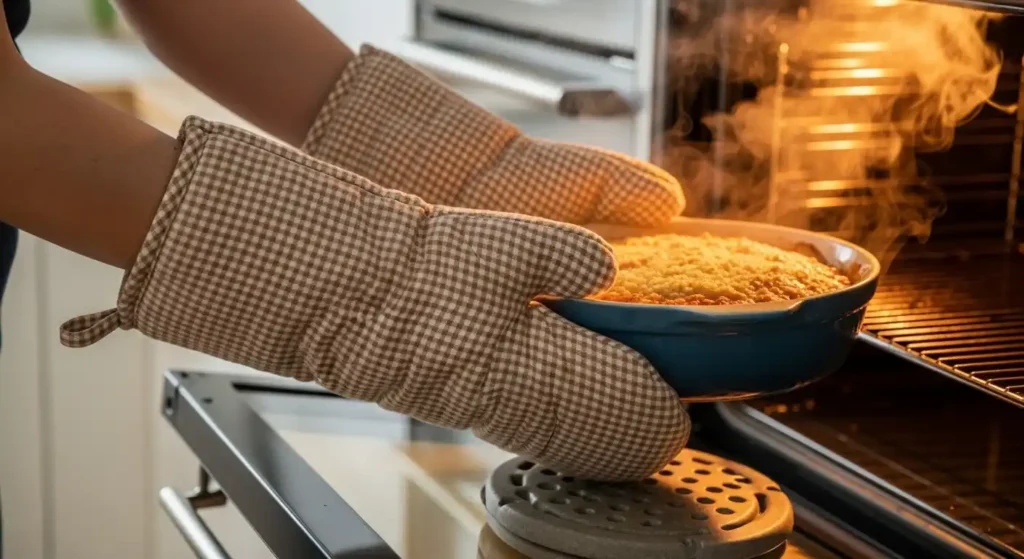
While knowing how to treat a burn from a hot pan is critical, prevention is even better:
- Always use oven mitts or potholders when handling hot cookware.
- Keep handles turned inward on the stove to avoid accidental bumps.
- Don’t rush—burns often happen when you’re multitasking or distracted.
- Keep a first-aid kit in or near the kitchen for quick access.
- Teach kids and inexperienced cooks about kitchen safety.
A little caution goes a long way in preventing future pain.
Cooling Remedies from Your Kitchen
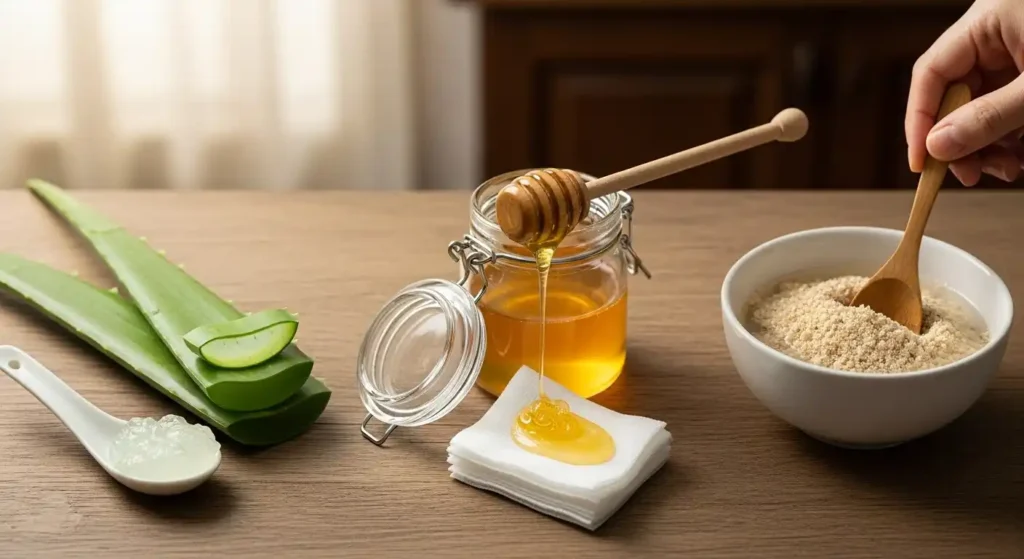
Minor burns can be soothed with natural remedies if you don’t have store-bought gels:
- Aloe vera: Fresh gel directly from the plant helps cool and hydrate skin.
- Honey: Has natural antibacterial properties; apply a thin layer and cover with a sterile dressing.
- Oatmeal soak: Ground oatmeal in lukewarm water can calm irritation.
FYI: Always test on a small area first and avoid anything that stings.
When to See a Doctor
Even if you think your burn is minor, medical attention is necessary if:
- The burn blisters over a large area
- You see signs of infection
- You burned your face, hands, or genitals
- The burn doesn’t start healing in a few days
Early medical care ensures you don’t end up with long-term damage.
Final Thoughts
Burns are no joke, but with the right steps, healing can be straightforward and pain minimized. Remember: cool first, clean second, protect third, and watch for infection. Treat your kitchen like a science lab—precaution saves both skin and sanity.
Now go back to cooking with confidence, but maybe keep those oven mitts handy. A little care prevents a lot of pain—and you’ll thank yourself the next time a hot pan comes out of the oven.
FAQs
Q1: Can I use butter on a burn?
Nope. Butter traps heat and can cause infection. Stick to cool water or burn-specific ointments.
Q2: How long should I cool a burn?
10–20 minutes under cool running water is ideal. Don’t rush it.
Q3: Can I pop blisters?
Never. Blisters protect healing skin. Popping them increases infection risk.
Q4: Is it okay to use toothpaste?
No! Toothpaste can irritate the skin and slow healing.
Q5: When is a burn considered serious?
If it’s large, blistering, white, charred, or on the face, hands, or genitals. Seek medical attention immediately.
Q6: Can kids use the same treatment?
Yes, but ensure water is lukewarm and avoid harsh creams. Call a doctor for severe burns.
Q7: Will minor burns leave scars?
If treated properly, minor burns usually heal without scars, though moisturizing and avoiding picking at skin helps reduce marks.


