

What to Do with Old Pots and Pans: Tiny Projects, Big Impact
Old pots and pans aren’t just junkyard clutter—they’re treasure chests waiting to be repurposed, recycled, or reinvented.
The moment a dented pot clanks into the sink, you know you’ve got more options than trash.
Let’s talk through fun, practical ideas to get those tired metal friends a new lease on life.
Repair, Refurbish, or Reframe: Give Them a Second Chance
Got a warp in the lid, a loose handle, or scorch marks that won’t quit? Don’t bail on a good pan just yet. Simple fixes can breathe new life into kitchen staples.
– Fix the handle: If the screw is stripped, grab a tiny screwdriver and a dab of threadlocker. If the rivet is loose, you might need a pop rivet kit or a pro to reattach.
– Clean like a champ: Soak in hot soapy water, scrub with a non-scratch pad, and rub with a slice of lemon to brighten dull metal.
– Heatproofing and sealant: For minor leaks or warped rims, a professional can re-seat the lid or reline the seam. This isn’t DIY, but it saves a pan that’s otherwise fine.
Tip: If the pan is aluminum and food-safe, you can often resurface it with a light sanding and a new coat of high-heat enamel. FYI, not all coatings are created equal—check manufacturer recommendations.
Repurpose: Turn Pots into Practical Everyday Items
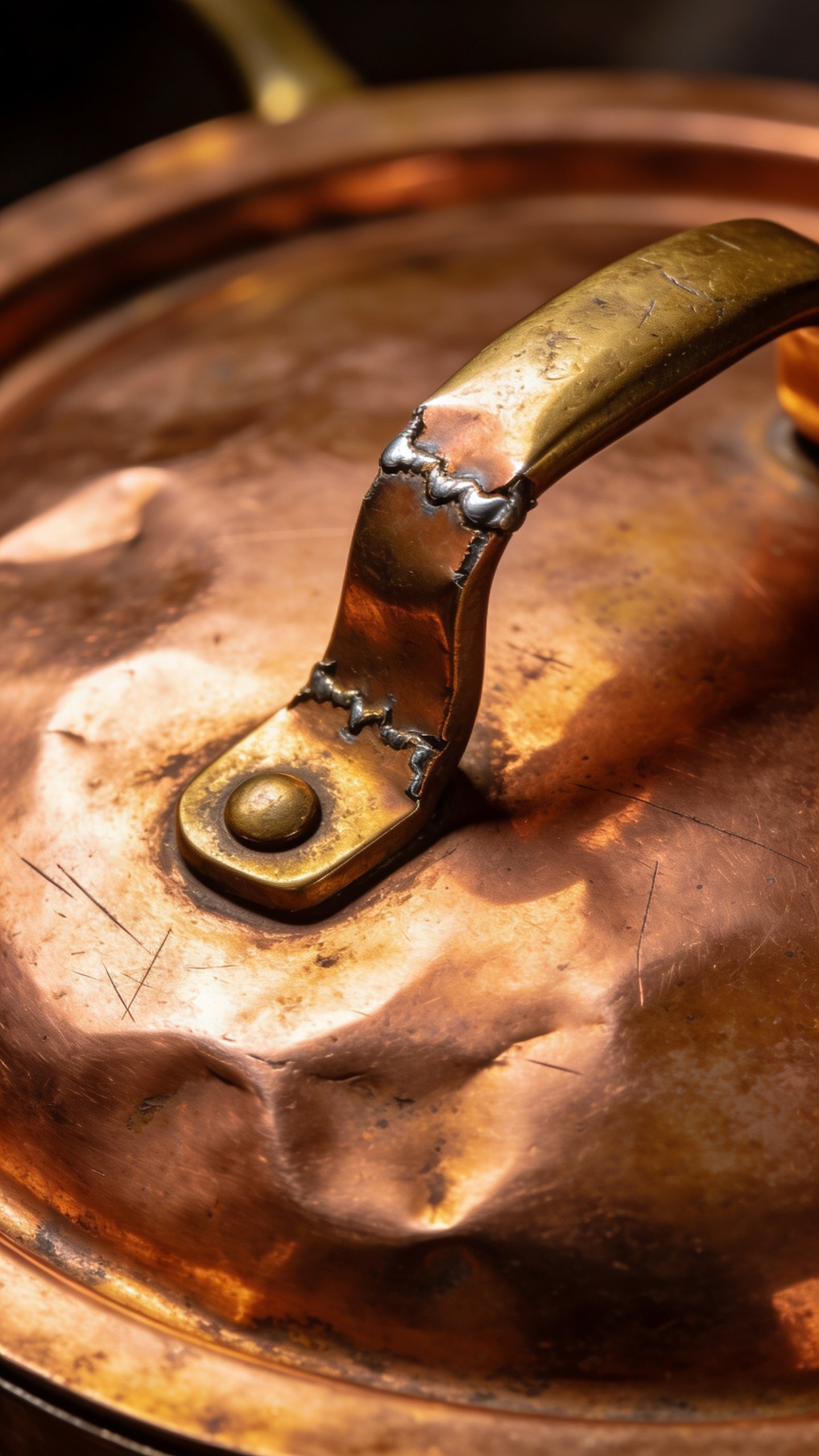
Old pots and pans make surprisingly useful upcycled bits around the house. Here are a few gems that won’t break the vibe of your space.
– Planter pals: Clean them out, punch a few drainage holes, and use as quirky planters for herbs or small flowers. A little paint and some soil turn chaos into cutesy decor.
– Kitchen organizers: Use a pot as a catch-all canister for utensils, or stack a few pans to create a cascading spice rack or drawer organizer.
– Lanterns or candle holders: Clean, treat the interior, and pop a glass hurricane inside for a rustic lantern or oversized candle holder.
– Grater vibes: If a pan has a warped bottom you’ll never cook on again, repurpose it as a decorative tray for bottles or a wall-mounted tray for keys and mail.
Upcycling Projects: From Drab to Fab
If you like a creative challenge, here are some stylish ways to transform metal into something unique and functional.
Dress It Up with Color
– Sand, prime, and paint: Use heat-resistant spray paint on the exterior. Matte black or bold jewel tones make a statement.
– Decor accents: Create a two-tone effect by repainting the exterior while leaving the interior pristine for nonstick pans (or don’t paint the bottom if you’ll hang it).
Wall Art or Sculptural Pieces
– Hang as a wall sculpture: Clean thoroughly, seal with a clear matte spray, and mount with sturdy hardware. A pot or lid pair can form a geometric centerpiece.
– Create wind chimes or a metal mobile: Drill small holes and thread with sturdy fishing line or copper wire. Add beads for flair.
Sell or Donate: Do Some Good, Get a Little Cash (If You’re Up For It)
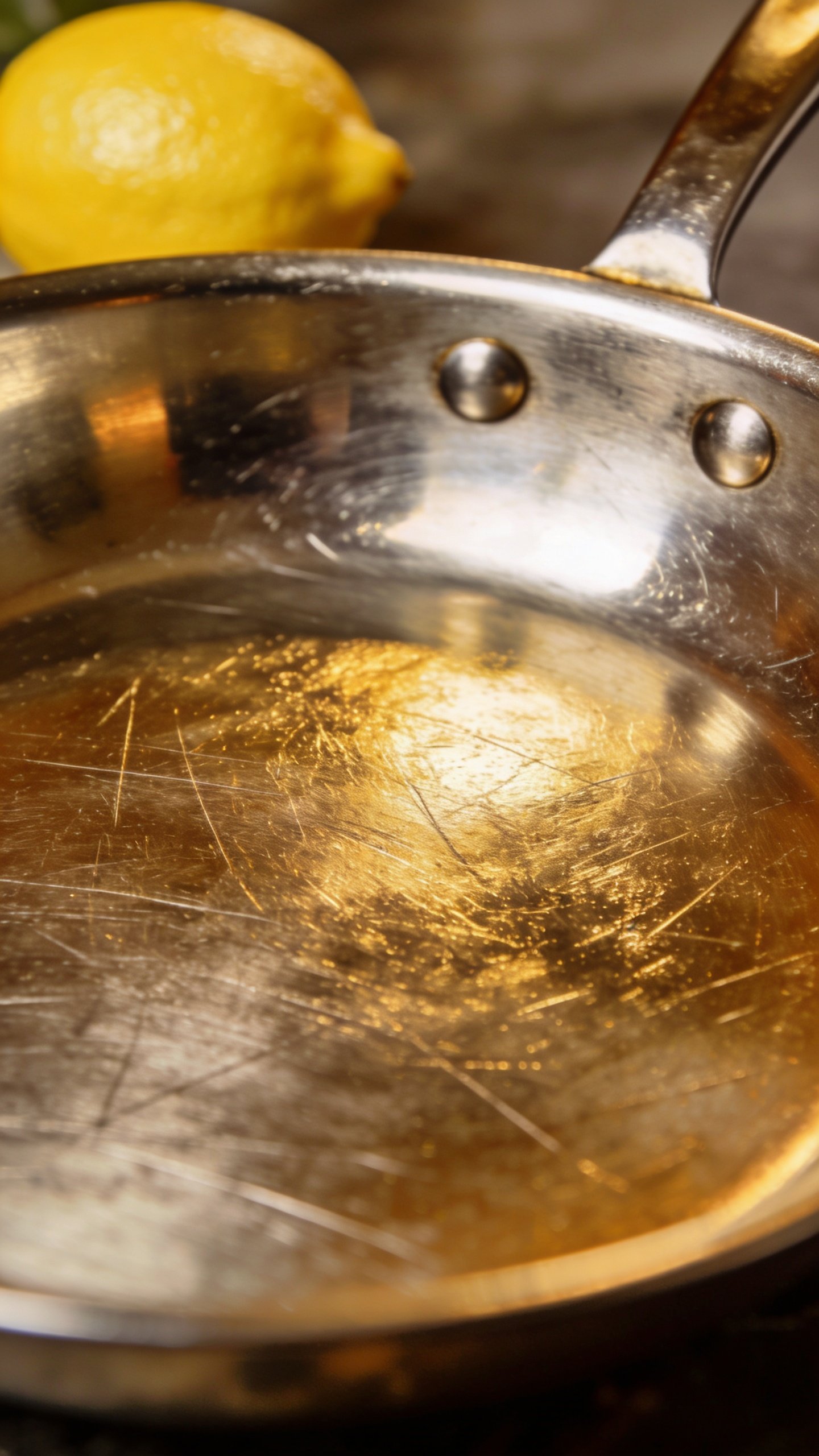
Not every item deserves a second life at home, but someone else might love that dented pot. Check local options before tossing.
– Community share: Neighborhood tool libraries or kitchen swap groups often take cookware in decent condition.
– Thrift stores or donation drives: Many accept pots and pans in good shape. Include lids and utensils for a complete set.
– Sell online: List with honest photos and a note about any flaws. People appreciate transparency, and you’ll clear space faster.
Pro tip: If the finish is peeling or there’s significant rust, mark it as “for parts or repurposing” to avoid unhappy buyers.
Respectful Recycling: Do the Right Thing with What You Can’t Save
Some pots reach the end of their usable life. Recycling is your friend here, but there are rules to follow.
– Remove non-metal parts: Take off plastic handles, silicone grips, or wooden lids. These parts usually don’t go in with metal recycling.
– Scrub off food residue: Clean metal as much as possible so recyclers don’t waste resources.
– Check local guidelines: Some facilities accept cookware, others don’t. If in doubt, call or check the city’s website.
Everyday Hacks: Quick Wins for the Everyday Cookware
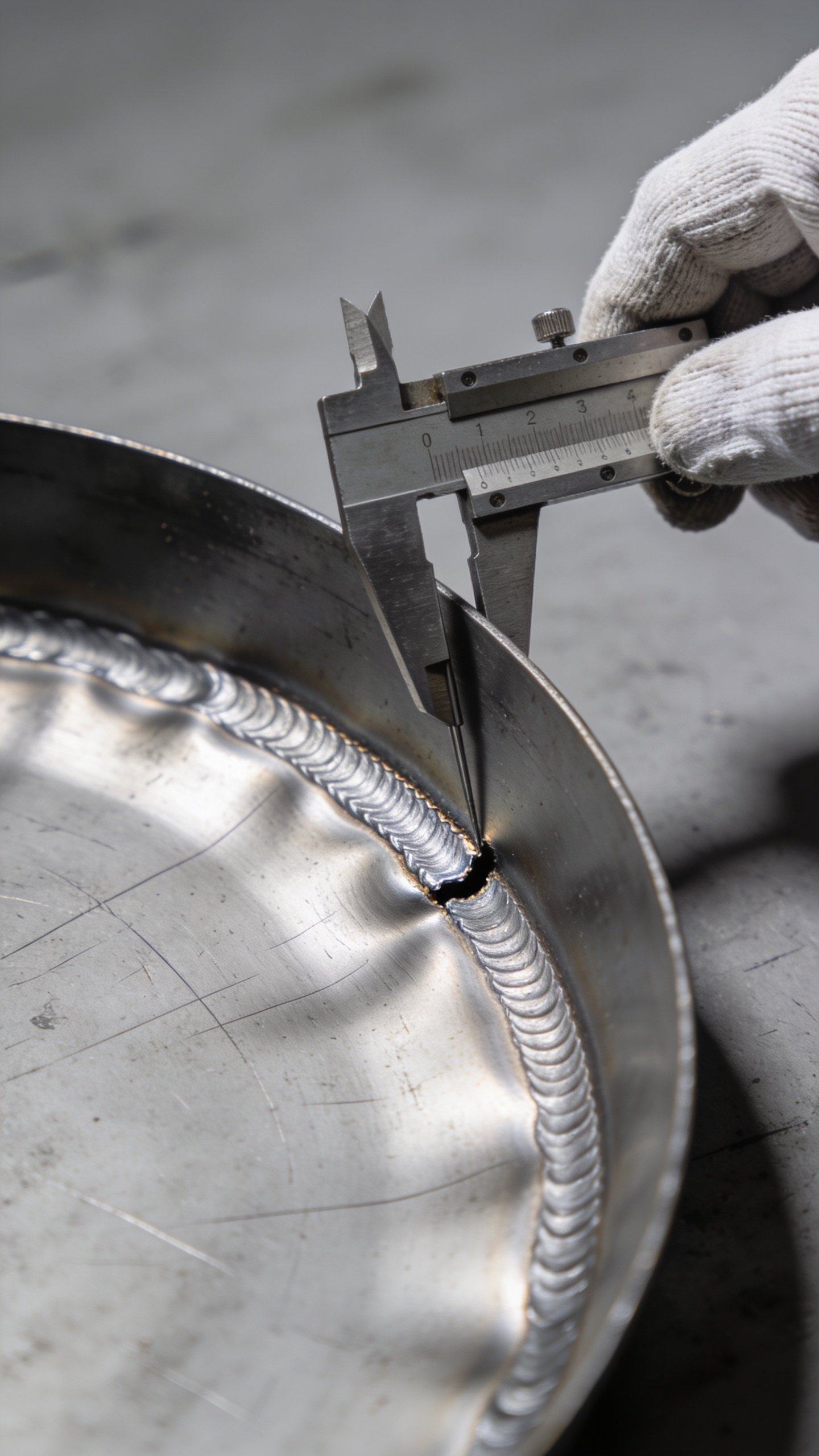
If you’re short on time but long on creativity, these quick wins keep your kitchen sane.
– Use mismatched lids creatively: If one lid is missing, improvise with a flat pan cover or a sheet of aluminum foil. It’s not perfect, but it buys you time.
– Salvage a nonstick disaster: If the coating is peeling and you still want to cook with it, switch to using it only for low-heat tasks or for decorative uses. Better safe than sorry, IMO.
– Stackable storage: Nest lids with their pots and label inside with a Sharpie so you can grab the right match in a hurry.
Safety First: When to Toss Stuff You Love
Not every issue is fixable, and safety comes first. Here are red flags that mean it’s time to retire a pan.
– Pitted or flaking nonstick on a regular basis: If you’re scraping off coating or the surface peels with every wipe, toss it.
– Warped bottoms: A warped pan won’t distribute heat evenly and can warp your induction cooktop. Time to part ways.
– Severe rust that can’t be scrubbed away: Surface rust might be cosmetic on some steel, but deep rust compromises structure and safety.
– Cracked or dented bodies: Cracks and large dents can harbor bacteria and affect performance.
Conclusion: Your Potlucks of Possibility
Old pots and pans aren’t trash—they’re a resource.
You can repair, repurpose, upcycle, donate, or recycle your way to a tidier kitchen and a lighter guilt trip.
So next time a pan gets nicked or a lid goes missing, pause before tossing.
Ask yourself: Can I fix it, reuse it, or pass it along? You might surprise yourself with how much joy a humble pan can still bring.
FAQ
Can I repair a warped pan at home?
Sure, minor warps can sometimes be corrected by flattening the bottom with a mallet or using a heavy, flat surface and careful pressure. For serious warps or if the pan’s structure is compromised, a professional re-flattening or replacement is best to avoid cooking unevenly or damaging your stove.
What’s the best way to clean rusty cookware?
For mild rust on steel or cast iron, scrub with a steel wool pad, rinse, dry thoroughly, and oil lightly to prevent future rust. For stubborn rust, soak in a mixture of vinegar and water, then scrub again. If you have cast iron, reseason after cleaning to restore that nonstick inevitability.
Is it worth upcycling aluminum pans?
Absolutely. Aluminum takes paint well, so you can DIY stylish planters or wall art. Just avoid chemical coatings that can react with food if you plan to reuse for cooking.
Where should I donate old cookware?
Start with local thrift stores, shelters, or community kitchens. Some cities have cookware drives or recycling centers that accept metal pots and pans. If you’re in doubt, call ahead to confirm what they can take.
How do I prevent rust in the future?
Keep cookware dry between uses, store with lids off or loosely placed to prevent moisture buildup, and lightly oil cast iron or carbon steel after washing.
Use proper drying racks and avoid leaving pots soaking for long periods.
If you’ve got a favorite upcycle idea or a surprising use for an old pot, drop it in the comments. I’m all ears for your genius hacks—and yes, I’ll judge kindly.
Let’s turn clutter into creativity, one pan at a time.


