

Orange Almond Cake Recipe: Sunshine in a Pan
I’ll cut to the chase: orange almond cake that smells like sunshine, tastes like dessert magic, and somehow comes together without a culinary-degree backstory.
Citrus brightness, almond hug, and a crumb so tender you’ll want to nap on it.
Ready? Let’s bake.
Orange Almond Cake Recipe
Ingredients
- 1 cup 120 g almond flour
- 1/2 cup 100 g granulated sugar
- 2 large eggs
- 1/4 cup 60 ml fresh orange juice
- 2 tablespoons orange zest
- 1/4 cup 60 ml neutral oil (like light olive or canola)
- 1/2 teaspoon baking powder
- Pinch of salt
- Optional dusting: powdered sugar or a gloss of syrup
Instructions
- Preheat the oven to 350°F (175°C). Grease a small cake pan (8-inch works) and line the bottom with parchment. Yes, this matters; no one likes a stuck cake selfie.
- In a bowl, whisk eggs and sugar until pale and a little fluffy. About 2 minutes with gusto.
- Stir in orange juice, orange zest, and oil. Mix until everything looks like a sunny seaside—smooth and inviting.
- Fold in almond flour, baking powder, and a pinch of salt. Don’t overmix; just combine until no large lumps appear.
- Pour batter into the prepared pan. Tap the pan a couple times to settle the batter and release any air bubbles.
- Bake 25–30 minutes, or until a toothpick comes out clean and the top is golden. If the edges brown faster, tent with foil after 20 minutes.
- Let cool in the pan for 10 minutes, then flip onto a rack to cool completely. If you’re impatient, a slice warm from the oven is still a win.
Why This Recipe is Awesome
This cake is joy in a pan. It’s bright, it’s nutty, and it’s basically sunshine wearing a flour apron.
It’s idiot-proof, even I didn’t mess it up the first time I tried. No fancy equipment required—just a bowl, a whisk, and a stubborn optimism.
Plus, the orange zest makes your kitchen smell like a citrus spa. Yes, it’s as good as it sounds.
Ingredients You’ll Need
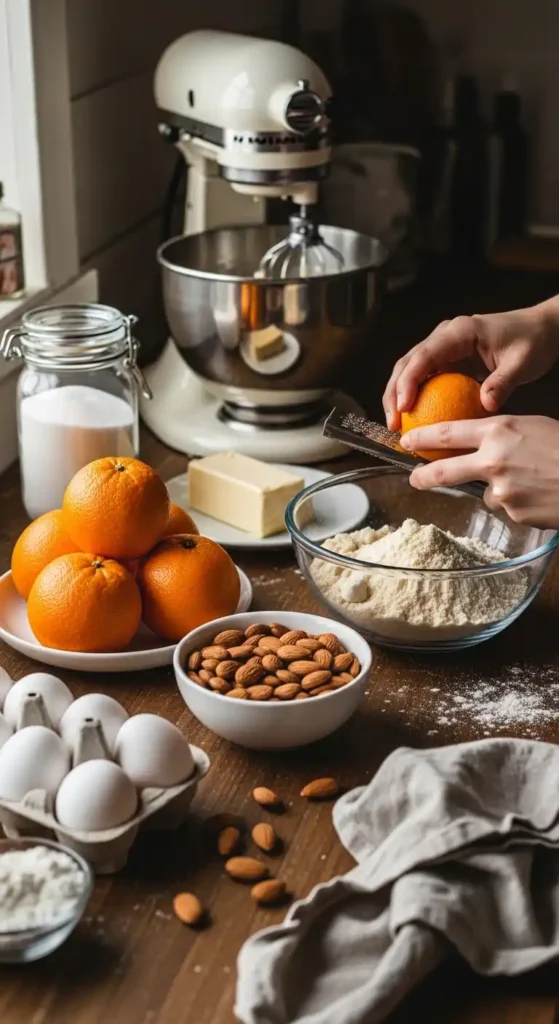
- 1 cup (120 g) almond flour
- 1/2 cup (100 g) granulated sugar
- 2 large eggs
- 1/4 cup (60 ml) fresh orange juice
- 2 tablespoons orange zest
- 1/4 cup (60 ml) neutral oil (like light olive or canola)
- 1/2 teaspoon baking powder
- Pinch of salt
- Optional dusting: powdered sugar or a gloss of syrup
Step-by-Step Instructions
- Preheat the oven to 350°F (175°C). Grease a small cake pan (8-inch works) and line the bottom with parchment. Yes, this matters; no one likes a stuck cake selfie.
- In a bowl, whisk eggs and sugar until pale and a little fluffy. About 2 minutes with gusto.
- Stir in orange juice, orange zest, and oil. Mix until everything looks like a sunny seaside—smooth and inviting.
- Fold in almond flour, baking powder, and a pinch of salt. Don’t overmix; just combine until no large lumps appear.
- Pour batter into the prepared pan. Tap the pan a couple times to settle the batter and release any air bubbles.
- Bake 25–30 minutes, or until a toothpick comes out clean and the top is golden. If the edges brown faster, tent with foil after 20 minutes.
- Let cool in the pan for 10 minutes, then flip onto a rack to cool completely. If you’re impatient, a slice warm from the oven is still a win.
How to Serve
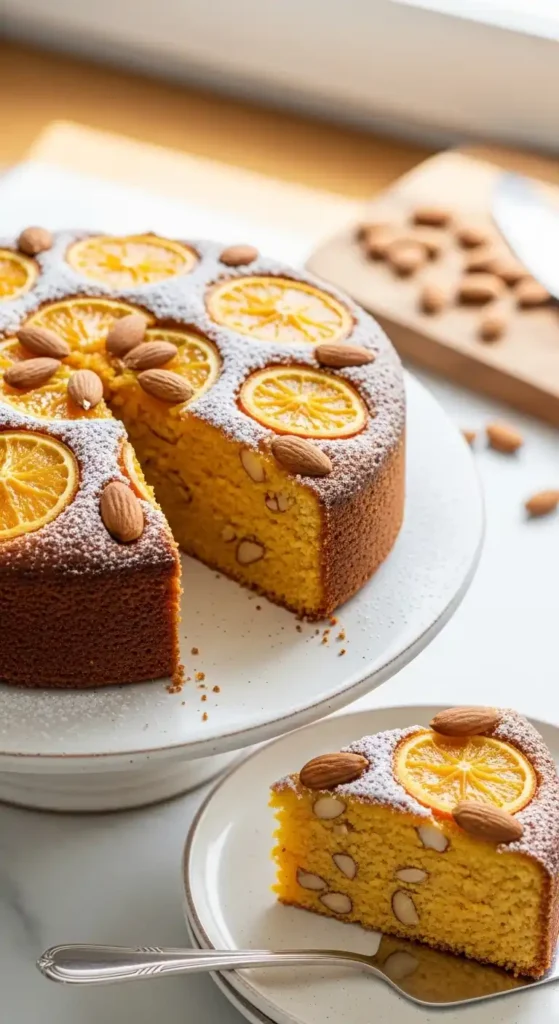
– Serve with a light dusting of powdered sugar for elegant drama.
– A dollop of vanilla yogurt or light whipped cream pairs beautifully and keeps things fresh.
– For a brunch vibe, slice into wedges and plate with fresh berries and a drizzle of honey.
– If you’re feeling fancy, plate with a sprig of mint and a citrus glaze.
– This cake shines at afternoon tea, book club sessions, and impromptu “hey, dessert?” moments. It’s versatile, like a good blazer.
Nutrition Facts (approximate per serving)
Per serving (approximate, because we live in reality):
- Calories: about 210–250
- Carbohydrates: 20–26 g
- Protein: 5–6 g
- Fat: 12–14 g
- Fiber: 2–3 g
- Sugar: 12–14 g
Note: values vary with the exact brands you use. If you’re counting, consider this a gentle nudge to share with friends.
Common Mistakes (and How to Avoid Them)
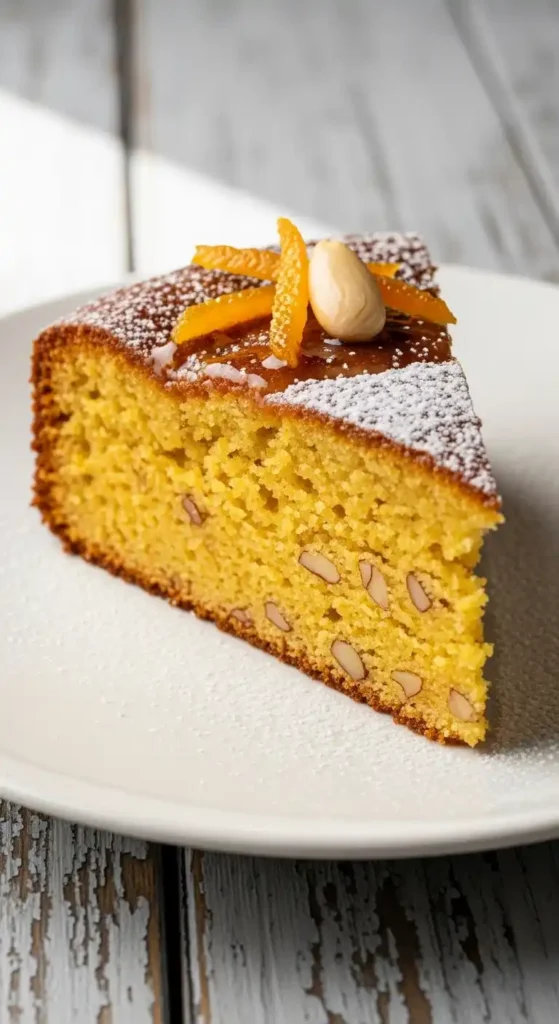
- Skipping preheating. Rookie move. Preheat, please—it helps everything bake evenly.
- Overmixing the batter. It makes the crumb tougher. Stir until just combined, then stop.
- Using too much orange zest. You want zest, not rind overload—stop while it’s pleasantly bright.
- Ignoring pan prep. A greased and parchment-lined pan saves you from a crumb disaster.
- Opening the oven too often. The cake hates temperature dips; resist the door-tapping curiosity.
Simple Alternatives or Ingredient Substitutions
Flavors you can try without breaking a sweat:
- Almond flour is great, but swap in equal parts whole wheat pastry flour for a bit more bite. If you do, add a tablespoon more orange juice to keep moisture.
- Use yogurt instead of oil for a lighter texture and tang. Start with 3 tablespoons, see how it feels.
- Want a more almond-forward flavor? Increase almond flour to 3/4 cup and drop a touch of sugar; you’ll get a nuttier, less sweet bite.
- Make it dairy-free by using a neutral oil and dairy-free yogurt on top if you’re serving with toppings.
- For extra brightness, glaze with a simple orange glaze: 1/2 cup powdered sugar whisked with 1–2 tablespoons orange juice until smooth.
Conclusion
There you have it: a citrusy, nutty cake that’s easy, friendly, and surprisingly show-stopping.
It’s the kind of dessert you reach for when you want something tasteful, not fussy.
Bake, slice, share, and repeat. Your kitchen (and your taste buds) will thank you.
FAQ
Can I make this cake ahead of time?
Yes. This cake keeps nicely for 2–3 days covered at room temperature. If you’re stashing it longer, wrap well and refrigerate; bring to room temp before serving for the best crumb.
Is this cake gluten-free?
Yep, if you use almond flour alone. It’s naturally gluten-free, but double-check your almond flour’s packaging to avoid cross-contamination if you’re super sensitive.
Can I freeze leftovers?
Absolutely. Slice, wrap each piece, and freeze. Thaw at room temperature or warm gently for a cozy, comforting bite.
What if I don’t have orange zest?
Use extra orange juice (up to 2–3 tablespoons) for flavor, or substitute with lemon zest for a bright lemon-cade vibe. It won’t be the exact orange-ums you’ll love, but it will still be delicious.
How do I tell if it’s done without a toothpick?
Look for a light golden top and a slight spring when you press the center. The edges will pull away a touch from the sides. If you’re unsure, a quick test with a clean knife edge works too.


