

Saucier vs Saucepan: Which One Belongs in Your Kitchen?
If you’ve ever browsed cookware or followed a recipe closely, you’ve probably seen both saucier vs saucepan mentioned.
At first glance, they look quite similar—both are round pots with handles and are used for cooking liquids.
But when you look a little closer, you’ll realize they’re designed for slightly different tasks.
Understanding the difference between these two can make your cooking smoother, more efficient, and even more enjoyable.
In this guide, we’ll break down everything you need to know about saucier vs saucepan, so you can confidently decide which one you need—or whether you should have both.
What Is a Saucepan?
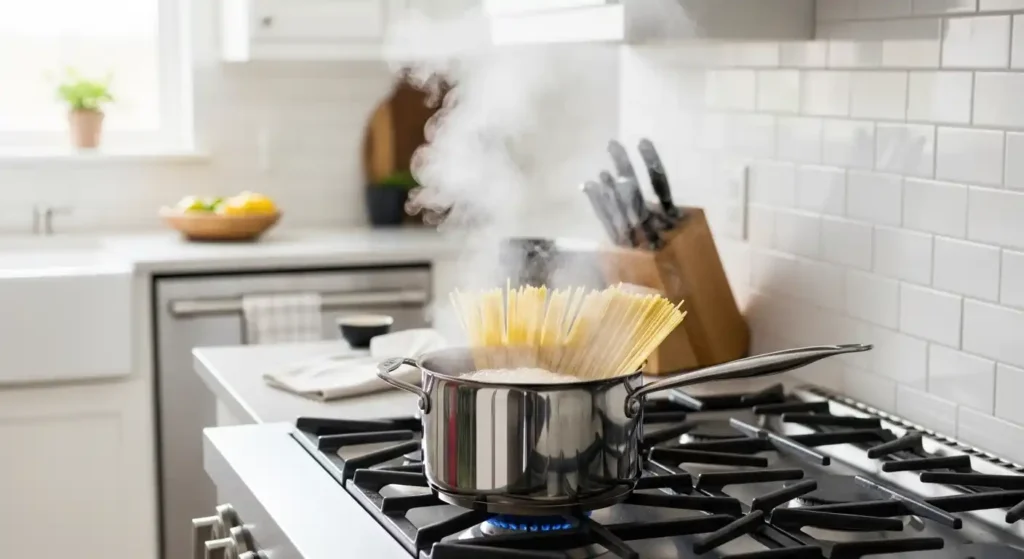
A saucepan is one of the most common and essential pieces of cookware found in almost every kitchen. It typically has:
- Straight, vertical sides
- A flat bottom
- A long handle
- Often a lid
Saucepans come in various sizes, usually ranging from 1 to 4 quarts, making them suitable for many everyday cooking tasks.
Common Uses of a Saucepan
Saucepans are incredibly versatile and are commonly used for:
- Boiling water for pasta or grains
- Cooking rice or lentils
- Heating soups and broths
- Preparing sauces
- Reheating leftovers
Because of their straight sides, saucepans are great for holding liquids and preventing spills, especially when cooking larger quantities.
What Is a Saucier?
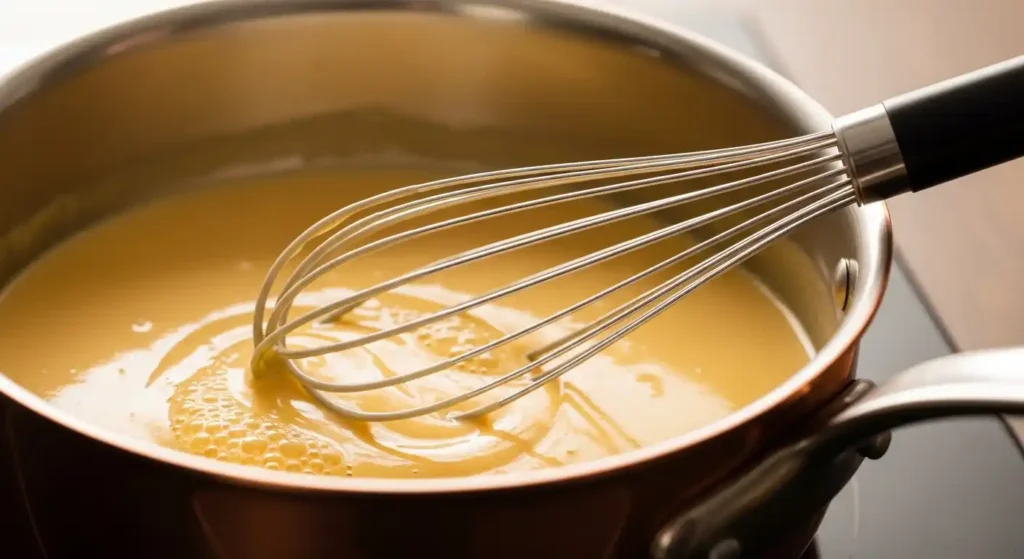
A saucier (sometimes called a “chef’s pan”) is similar to a saucepan but with one key difference: its shape.
Instead of straight sides, a saucier has:
- Gently sloped, rounded sides
- A curved bottom
- A long handle (and sometimes a helper handle)
This curved design allows for easier stirring and whisking, making it ideal for more delicate cooking tasks.
Common Uses of a Saucier
Saucier pans are perfect for:
- Making smooth sauces
- Stirring custards or creams
- Cooking porridge or oatmeal
- Preparing risotto or grains that require constant stirring
- Simmering dishes that need frequent mixing
The rounded edges prevent ingredients from getting stuck in corners, which is especially helpful when working with thicker mixtures.
Saucier vs Saucepan: The Main Differences
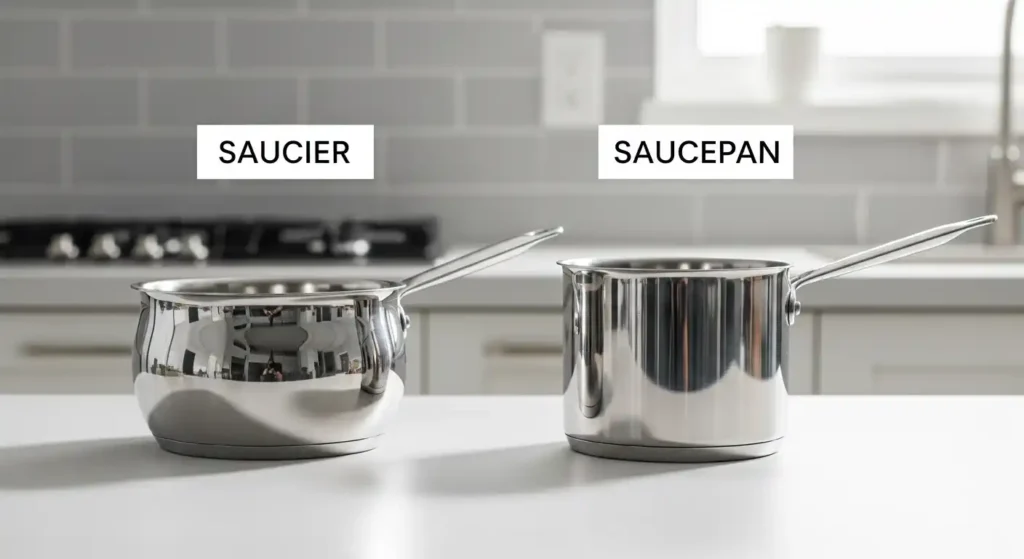
When comparing saucier vs saucepan, the biggest differences come down to shape, functionality, and ease of use.
1. Shape and Design
- Saucepan: Straight sides and flat bottom
- Saucier: Curved sides and rounded bottom
This design difference directly impacts how you cook. The saucepan is better for holding liquids, while the saucier is better for stirring.
2. Stirring and Mixing
The curved sides of a saucier make it much easier to whisk and stir without ingredients getting stuck.
In a saucepan, corners can trap food, especially when making thicker recipes. This means you may need to stir more carefully.
If your recipe requires constant mixing, a saucier is usually the better choice.
3. Cooking Control
A saucier offers more control when cooking delicate foods because the heat distributes more evenly across its curved surface.
A saucepan, on the other hand, is great for stable, steady cooking, such as boiling or simmering.
4. Liquid Capacity
Saucepans are better at holding larger volumes of liquid due to their straight sides.
Saucier pans, while still useful, are usually better suited for smaller batches or recipes that require active cooking.
5. Versatility
Both pans are versatile, but in different ways:
- Saucepan: Best for general-purpose cooking
- Saucier: Best for precision cooking and recipes that require constant attention
When Should You Use a Saucepan?
A saucepan is your go-to tool for many everyday cooking tasks. It’s reliable, practical, and easy to use.
Best Situations for a Saucepan
- Boiling water for pasta or noodles
- Cooking grains like rice or quinoa
- Heating soups or stews
- Preparing simple sauces
- Reheating food
If you’re setting something on the stove and letting it cook with minimal stirring, a saucepan is usually the right choice.
When Should You Use a Saucier?
A saucier shines when your recipe requires movement, precision, and attention.
Best Situations for a Saucier
- Making creamy sauces
- Cooking dishes that need constant stirring
- Preparing thick mixtures like custards
- Melting ingredients gently
- Cooking grains like risotto that require frequent mixing
If you find yourself constantly stirring or whisking, you’ll appreciate the design of a saucier.
Can You Substitute One for the Other?
Yes, you can often substitute a saucepan for a saucier and vice versa—but with some limitations.
Using a Saucepan Instead of a Saucier
You can use a saucepan for most saucier tasks, but:
- Stirring may be less efficient
- Ingredients may stick in corners
- You’ll need to pay extra attention
Using a Saucier Instead of a Saucepan
A saucier can handle many saucepan tasks, but:
- It may not hold as much liquid
- It’s not ideal for large boiling tasks
In short, while they can overlap, each pan performs best in its intended role.
Materials Matter Too
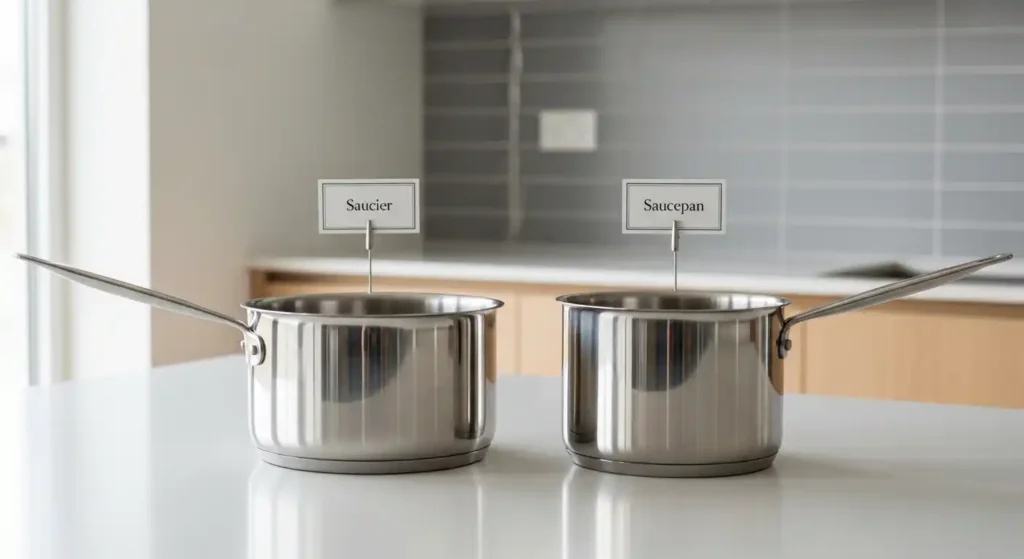
Both sauciers and saucepans are available in a variety of materials, which can affect performance.
Stainless Steel
- Durable and long-lasting
- Non-reactive with acidic foods
- Great for everyday use
Nonstick
- Easy to clean
- Ideal for delicate foods
- Requires careful handling
Hard-Anodized Aluminum
- Excellent heat distribution
- Lightweight yet durable
- Often comes with a nonstick coating
Choosing the right material depends on your cooking preferences and how much maintenance you’re willing to do.
Do You Really Need Both?
This is a common question, especially for home cooks trying to keep their kitchens simple.
If You’re a Beginner
A saucepan is more essential. It covers a wide range of basic cooking tasks and is a must-have in any kitchen.
If You Cook Frequently
Adding a saucier can elevate your cooking, especially if you enjoy making sauces, creamy dishes, or recipes that require precision.
If You Love Cooking
Having both gives you flexibility. You can use each pan for what it does best, making your cooking process smoother and more enjoyable.
Tips for Choosing the Right Pan
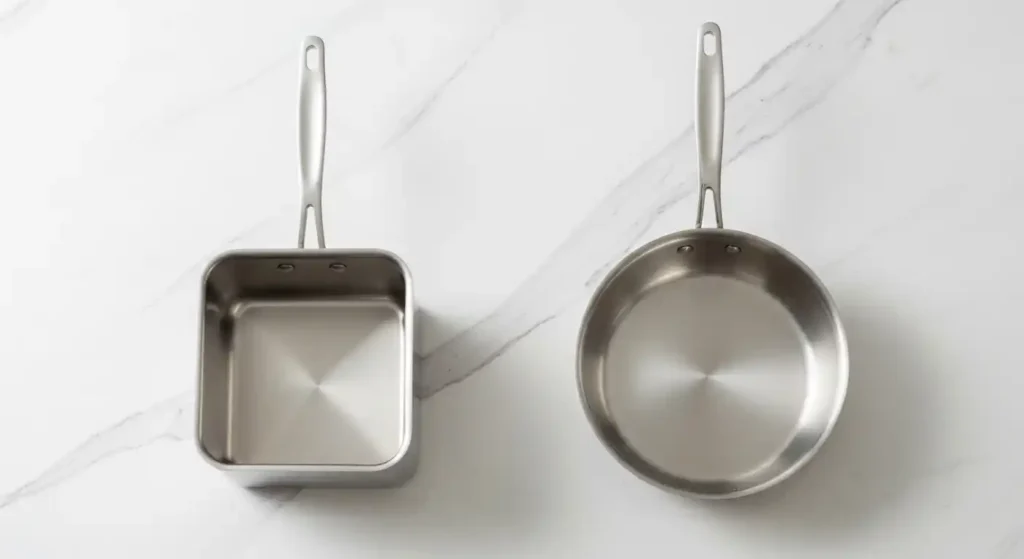
If you’re deciding between a saucier and a saucepan, here are a few tips:
- Think about your cooking style: Do you cook more liquids or more sauces?
- Consider your recipes: Do they require constant stirring?
- Check the size: Choose a size that fits your typical portions
- Look for comfort: A sturdy, comfortable handle makes a big difference
- Invest in quality: Good cookware lasts longer and performs better
Care and Maintenance Tips
To keep your cookware in great condition:
- Avoid using metal utensils on nonstick surfaces
- Clean with mild soap and a soft sponge
- Avoid overheating empty pans
- Dry thoroughly after washing
- Store carefully to prevent scratches
Proper care can extend the life of both sauciers and saucepans for years.
Final Thoughts
When it comes to saucier vs saucepan, the difference may seem small, but it can have a big impact on your cooking experience.
- A saucepan is your everyday essential—perfect for boiling, simmering, and general cooking.
- A saucier is your precision tool—ideal for smooth sauces, constant stirring, and delicate dishes.
If you’re just starting out, a saucepan is a must-have. But if you want to take your cooking to the next level, adding a saucier can make a noticeable difference.
In the end, both pans have their place in the kitchen. Choosing the right one—or using both—can help you cook more efficiently, reduce frustration, and create better meals every day.


