

Classic Vanilla Pudding Recipe: Cozy Comfort in Minutes
I’m not here to complicate dessert time. Classic vanilla pudding is the cozy hug your taste buds deserve on a busy day.
It’s simple, it’s silky, and yes, you can pull it off without turning your kitchen into a science lab.
Classic Vanilla Pudding Recipe
Ingredients
- 2 ½ cups milk whole milk gives the richest texture, but 2% works too
- ½ cup sugar adjust to taste for gentle vanilla sweetness
- 3 large egg yolks for that glossy, custardy body
- 3 tablespoons cornstarch or 3 tablespoons flour as a thickener
- 1 ½ teaspoons vanilla extract or 1 vanilla bean, split and scraped, for signature aroma
- ¼ teaspoon salt to make flavors pop
- Optional add-ins for flair:
- 1 tablespoon butter melted at the end for extra silk
- ¼ cup heavy cream for extra richness
- ¼ teaspoon ground cinnamon or nutmeg for a cozy twist
Instructions
- Warm the milk: Heat milk until it’s just shy of bubbling. You don’t want a boil—scalding isn’t a badge of honor here.
- Whisk the yolks and sugar: In a separate bowl, whisk yolks with sugar until pale and smooth. No lumps, please.
- Make the slurry: Stir in cornstarch (or flour) so you’ve got a smooth paste that won’t clump later.
- Temper the eggs: Slowly pour a ladle of warm milk into the yolk mixture while whisking. Then pour the yolk mix back into the pot. This keeps eggs from scrambling like bad reality TV.
- Thicken on the stove: Cook on medium heat, whisking constantly, until the mixture coats the back of a spoon.
- Finish: Remove from heat, stir in vanilla and a pinch of salt. If you’re feeling luxe, whisk in a pat of butter or a splash of cream.
- Chill and enjoy: Pour into bowls, cover, and chill for at least an hour. Cold, creamy bliss.
Why a Simple Vanilla Pudding Wins Every Time
You don’t need fancy gadgets or a lifetime of pastry-school secrets.
Vanilla pudding is comfort in a bowl, and it upgrades instantly with a little love.
FYI, the recipe below is forgiving, so even if you’re not a pro, you’ll end up with something you’ll actually want seconds of.
Key Ingredients: What You Really Need
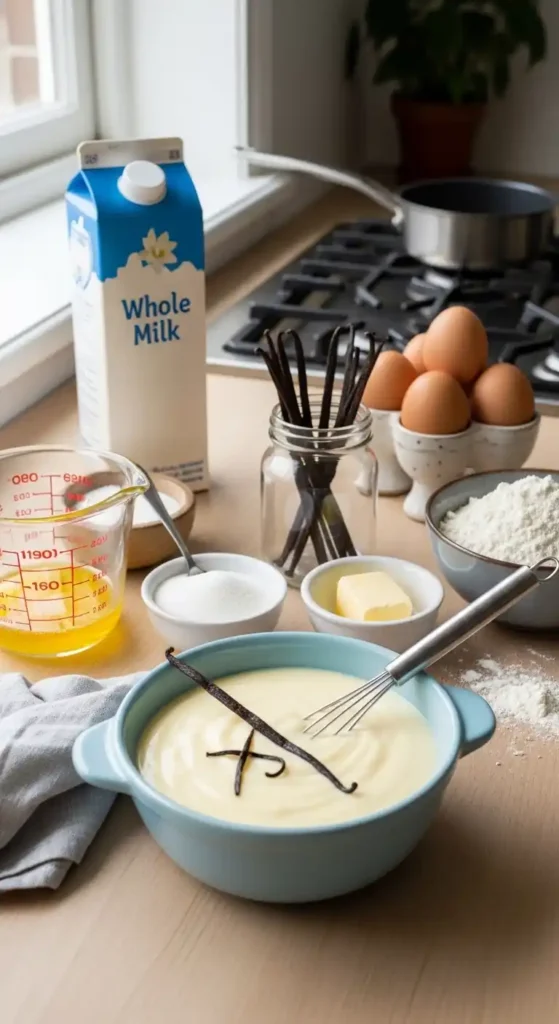
2 ½ cups milk (whole milk gives the richest texture, but 2% works too)
½ cup sugar (adjust to taste for gentle vanilla sweetness)
3 large egg yolks (for that glossy, custardy body)
3 tablespoons cornstarch (or 3 tablespoons flour as a thickener)
1 ½ teaspoons vanilla extract (or 1 vanilla bean, split and scraped, for signature aroma)
¼ teaspoon salt (to make flavors pop)
Optional add-ins for flair:
¼ teaspoon ground cinnamon or nutmeg for a cozy twist
1 tablespoon butter, melted at the end for extra silk
¼ cup heavy cream for extra richness
Method, in Simple Steps
1. Warm the milk: Heat milk until it’s just shy of bubbling. You don’t want a boil—scalding isn’t a badge of honor here.
2. Whisk the yolks and sugar: In a separate bowl, whisk yolks with sugar until pale and smooth. No lumps, please.
3. Make the slurry: Stir in cornstarch (or flour) so you’ve got a smooth paste that won’t clump later.
4. Temper the eggs: Slowly pour a ladle of warm milk into the yolk mixture while whisking. Then pour the yolk mix back into the pot. This keeps eggs from scrambling like bad reality TV.
5. Thicken on the stove: Cook on medium heat, whisking constantly, until the mixture coats the back of a spoon.
6. Finish: Remove from heat, stir in vanilla and a pinch of salt. If you’re feeling luxe, whisk in a pat of butter or a splash of cream.
7. Chill and enjoy: Pour into bowls, cover, and chill for at least an hour. Cold, creamy bliss.
Texture Talk: What Gives Pudding Its Silky Glow
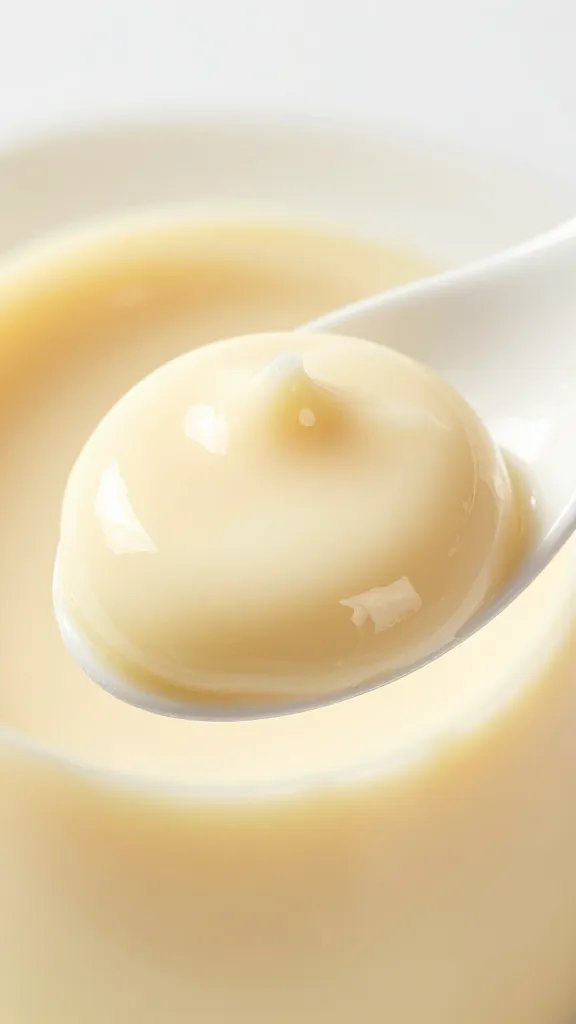
– Custard base matters: Egg yolks and starch create that glossy, smooth texture.
– Heat control: Gentle heat prevents lumping and graininess. Patience pays off.
– Chill time: Resting in the fridge helps flavors mellow and gel a touch more.
Common Pitfalls (And How to Dodge Them)
– Skipping tempering: If you dump hot milk straight into eggs, you’ll get scrambled pudding. Nobody wants that.
– Overcooking: Stir constantly and pull early. Overcooked pudding gets a weird rubbery vibe.
– Lumpy texture: Whisk vigorously at the tempering stage, or strain through a fine sieve right after cooking. Your future self will thank you.
– Flavor fade: Don’t skip the vanilla. It’s the heart and soul of pudding, IMO.
Flavor Variations That Actually Work
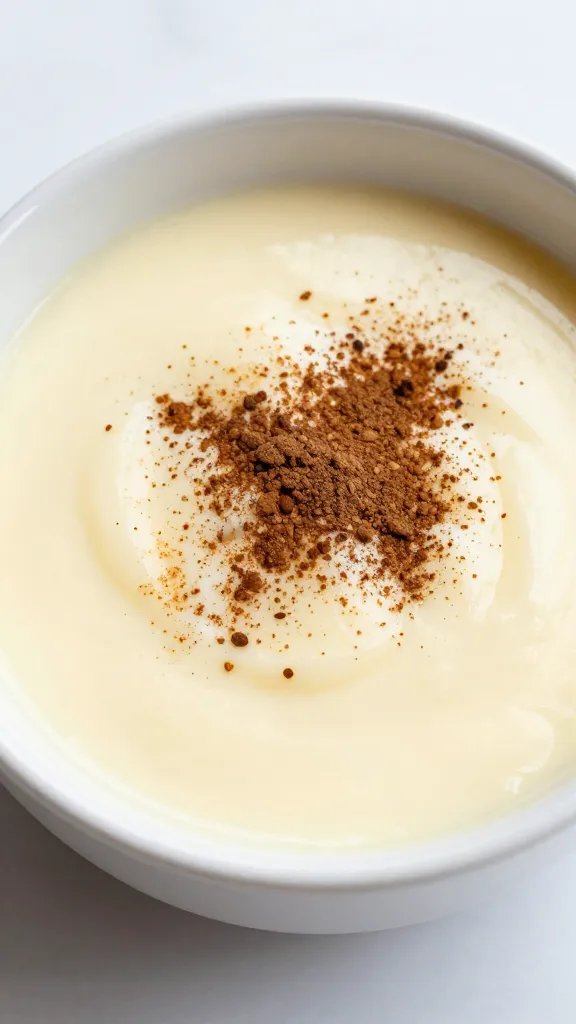
- Vanilla bean paste or scraped seeds beat extract every time for depth.
- Brown butter vanilla adds a toasty, nutty note—just a teaspoon folded in at the end.
- Lemon or orange zest for brightness—keep it subtle so it doesn’t taste like a citrus explosion.
- Chocolate swirl: divide warm pudding, stir in dark chocolate to one half, then layer for a marble effect.
Subsection: Making It Ahead
If you’re prepping for a party or a post-dinner treat, this pudding ages gracefully. It thickens a little as it chill, so plan for that.
FYI, you can whisk in a splash of cream after heating for extra storage-friendly velvet.
Top Toppers: Turning Pudding Into a Showstopper
– Fresh berries or a fruit compote add brightness and color.
– A dollop of whipped cream or a drizzle of caramel sauce keeps things playful.
– A grating of citrus zest or a pinch of flaky salt can wake up the flavors.
– For a grown-up vibe, a splash of bourbon or vanilla liqueur goes a long way—just a little, unless you’re chasing mischief.
Subsection: Dairy-Free or Lower Sugar Options
– Dairy-free: Try coconut milk or almond milk with a little extra starch to compensate for the thinner mouthfeel.
– Lower sugar: Use half sugar, replace with a touch of maple syrup or a sugar substitute that behaves in dairy and egg-based desserts. You’ll still get that classic vanilla mood, just gentler on the waistline.
Storage and Safety: Keeping It Fresh
– Store in a covered container in the fridge for up to 4 days. It may thicken more as it chills—that’s normal.
– Reheat gently: Warm on the stove with a splash of milk, whisking to restore smoothness.
– If you notice for some reason the texture looks off, trust your nose and taste buds. If it smells off or sour, it’s a sign to retire it.
FAQ
Can I use corn starch as the sole thickener?
Yes. Cornstarch gives a clean, smooth set.
If you prefer, you can use flour for a slightly heartier mouthfeel, but it may be a touch cloudier.
Do I really need egg yolks for vanilla pudding?
Egg yolks are the classic way to achieve a rich, custardy texture.
If you’re avoiding eggs, you can make a cornstarch-based pudding with plant-based milk, but it won’t have the same depth.
What’s the best vanilla to use?
Pure vanilla extract is reliable and easy. If you have a vanilla bean, use the seeds for a deeper, more fragrant pudding.
FYI, the scent alone is worth it.
How can I make this pudding extra silky?
Cook gently, temper the eggs, and finish with a small amount of butter or cream off the heat.
Sift your cornstarch before adding to avoid lumps, and strain once cooked for that ultra-smooth finish.
Can I freeze vanilla pudding?
Freezing isn’t ideal for texture, but you can freeze it in a pinch. Thaw slowly in the fridge and whisk well to restore creaminess. It won’t be as perfect as fresh, though.
Conclusion
There you have it: a timeless, approachable classic that tastes like a warm hug in a bowl.
This vanilla pudding isn’t fussy; it’s forgiving, friendly, and instantly comforting.
Whether you keep it traditional or jazz it up with clever add-ins, you’re in for a dessert that satisfies without drama.
So go ahead—grab the vanilla, boil some milk, and let the silky magic happen.
IMO, this is the kind of dessert that deserves a standing ovation from your kitchen.


