
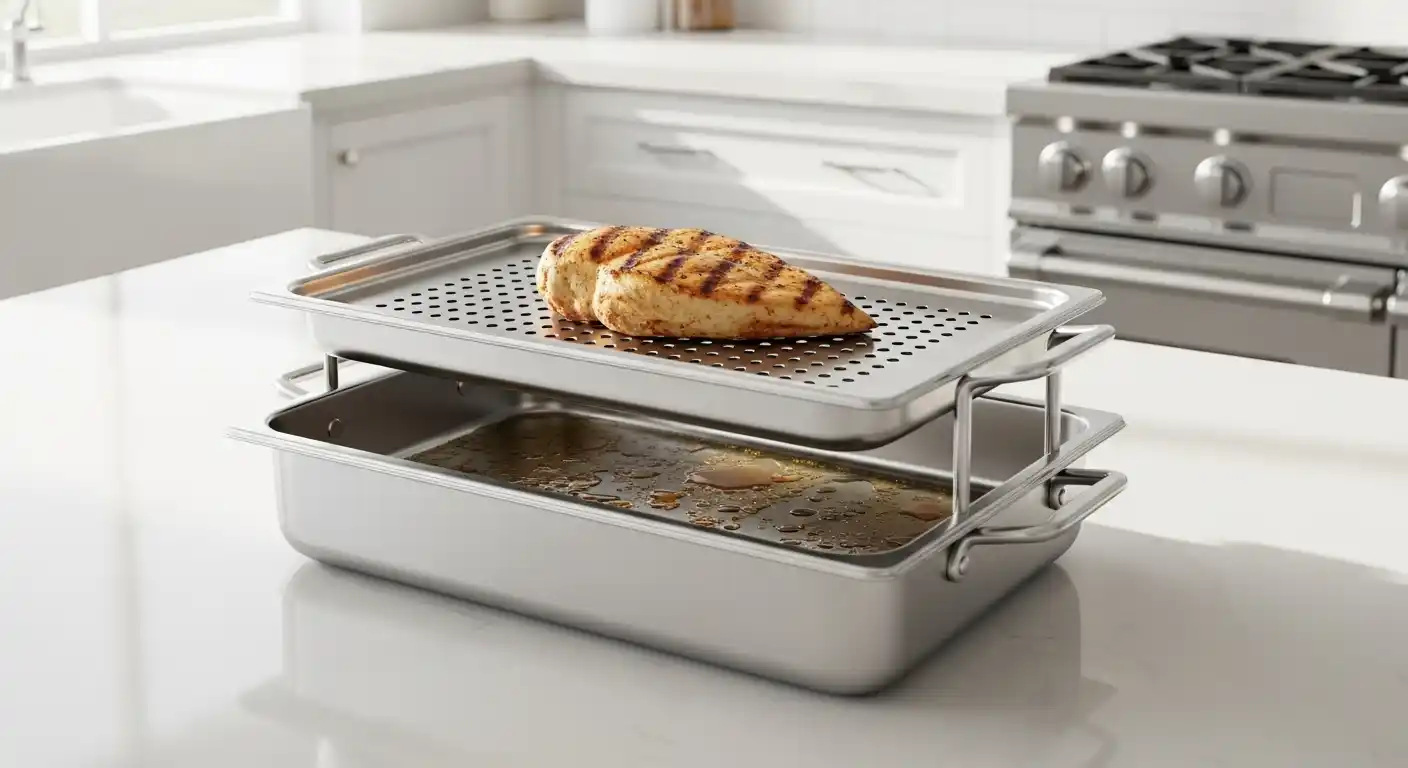
What Is a Broiler Pan? A Complete Guide for Perfect Oven Cooking

If you’ve ever used your oven’s broiler setting or come across a two-piece pan with slits on top, you might have wondered: what is a broiler pan and how is it different from other cookware?
A broiler pan is a simple yet powerful tool designed for high-heat cooking in the oven.
It helps you achieve crispy, evenly cooked food while allowing excess fat or juices to drain away.
In this guide, we’ll explore everything you need to know about broiler pans, including how they work, how to use them, and why they’re a great addition to your kitchen.
What Is a Broiler Pan?
Let’s start with the basics: what is a broiler pan?
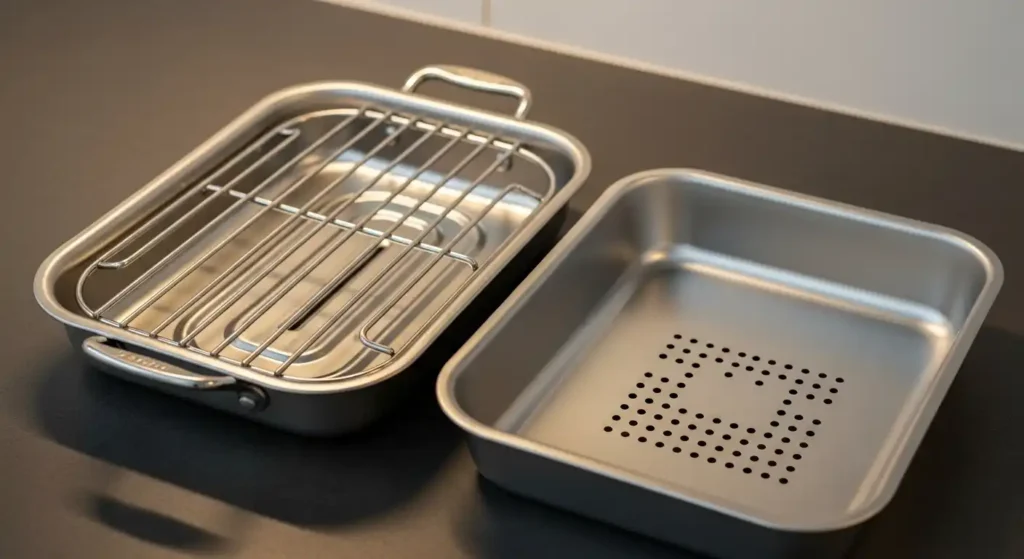
A broiler pan is a special type of oven cookware typically made up of two parts:
- Top Tray (Slotted Pan): This has openings or slots that allow juices and fat to drip through.
- Bottom Tray (Drip Pan): This catches all the drippings to prevent smoke and mess.
This two-layer design allows food to cook under intense heat from above while keeping it elevated and preventing it from sitting in its own juices.
How Does a Broiler Pan Work?
A broiler pan is specifically designed to work with your oven’s broiler function.
Direct High Heat
The broiler uses heat from the top of the oven, similar to an upside-down grill. The broiler pan places food close to this heat source for quick cooking.
Draining Excess Fat
As food cooks, juices and fats drip through the slotted top into the bottom tray. This helps create a crisp outer layer without making the food soggy.
Even Cooking
By elevating the food, hot air can circulate around it, ensuring more even cooking.
What Is a Broiler Pan Used For?
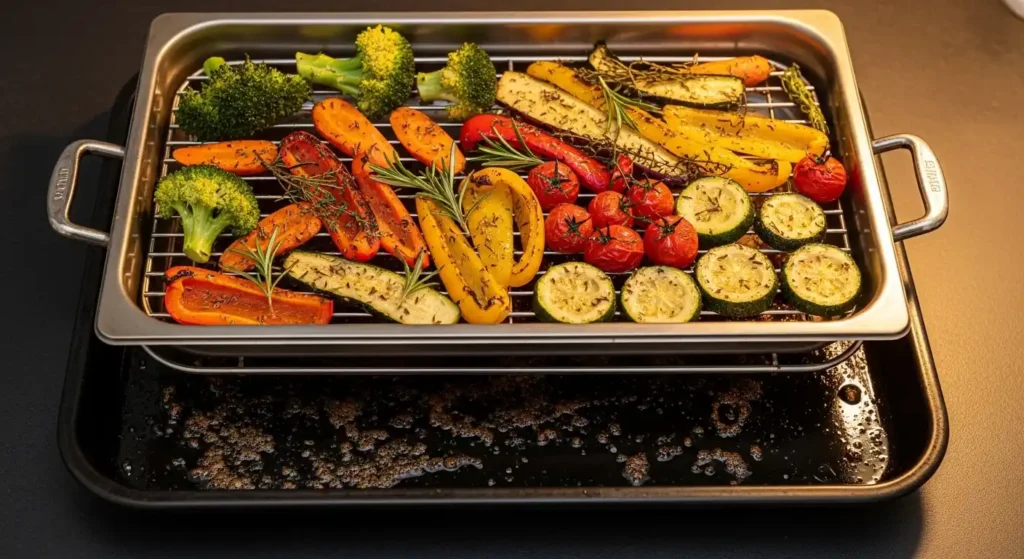
Now that you know what is a broiler pan, let’s look at its uses.
Common Uses
- Roasting vegetables
- Toasting or browning dishes
- Cooking fish or plant-based proteins
- Melting cheese on top of meals
- Preparing quick, high-heat recipes
Broiler pans are perfect for recipes that require a crispy finish without deep frying.
Benefits of Using a Broiler Pan
There are several advantages to using a broiler pan in your kitchen.
1. Healthier Cooking
The design allows excess fat to drip away, making meals lighter.
2. Crispy Results
The high heat and raised surface create a nicely browned and crisp texture.
3. Faster Cooking
Broiling cooks food quickly, saving time in the kitchen.
4. Less Mess
The bottom tray catches drippings, keeping your oven cleaner.
Broiler Pan vs Baking Sheet
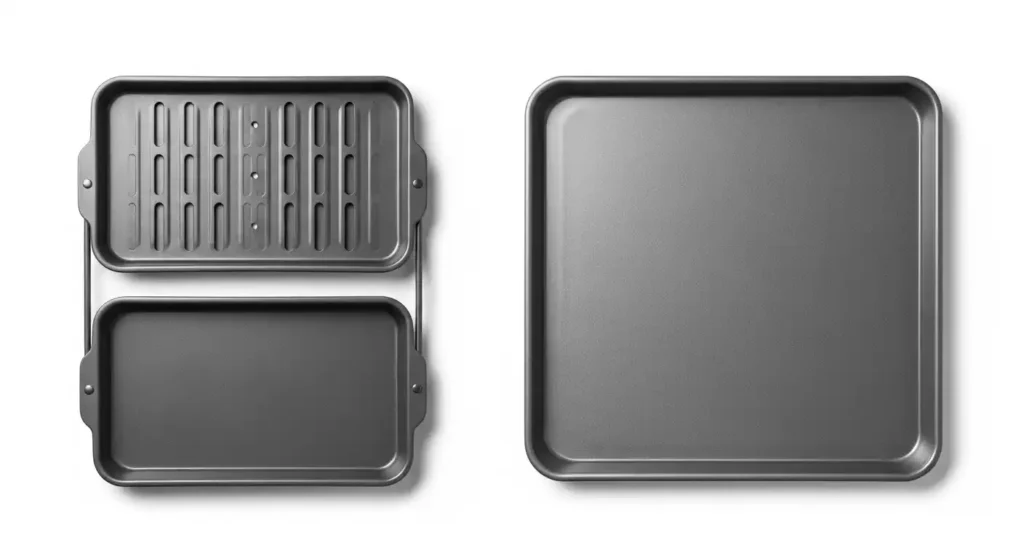
Many people wonder if they can use a baking sheet instead of a broiler pan.
Broiler Pan
- Two-piece design
- Allows fat to drain
- Ideal for high-heat broiling
Baking Sheet
- Flat surface
- No drainage
- Better for baking, not broiling
While a baking sheet can work in some cases, it doesn’t provide the same results as a broiler pan.
Materials Used in Broiler Pans
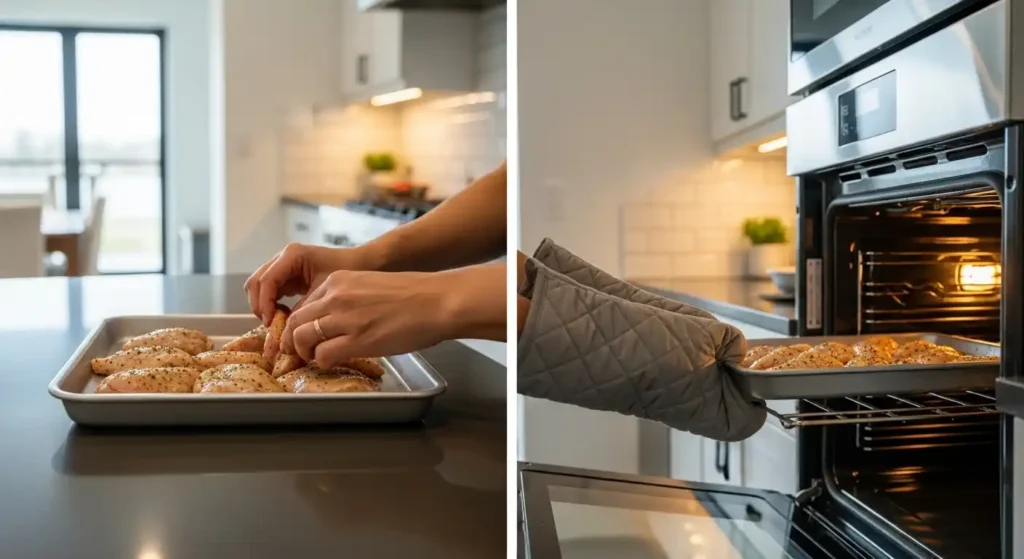
Broiler pans come in different materials, each with its own benefits.
Stainless Steel
- Durable and long-lasting
- Resistant to rust
- Easy to clean
Porcelain-Coated Steel
- Nonstick surface
- Easy food release
- Requires gentle cleaning
Cast Iron
- Excellent heat retention
- Very durable
- Heavier than other options
Choosing the right material depends on your cooking style and preferences.
How to Use a Broiler Pan
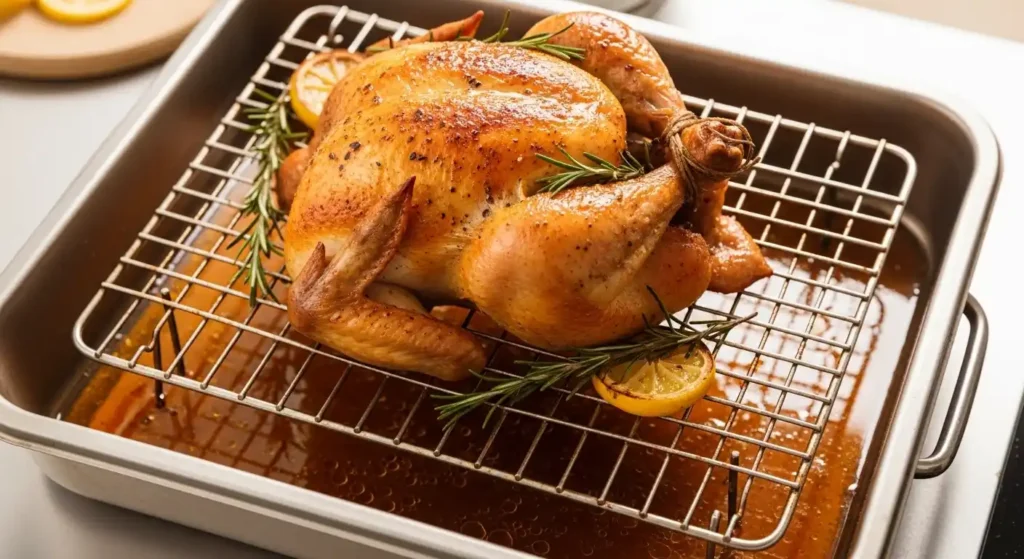
Using a broiler pan is simple once you understand the process.
Step 1: Preheat the Broiler
Turn on your oven’s broiler and let it heat up.
Step 2: Prepare the Pan
Lightly grease the top tray if needed to prevent sticking.
Step 3: Place Food on the Top Tray
Arrange your food evenly, leaving space between pieces.
Step 4: Position in the Oven
Place the pan on the top rack, close to the broiler.
Step 5: Monitor Closely
Broiling happens quickly, so keep an eye on your food to prevent burning.
Tips for Best Results
To get the most out of your broiler pan, follow these tips:
Use Even Cuts
Uniform sizes help food cook evenly.
Avoid Overcrowding
Too much food can prevent proper browning.
Turn Food When Needed
Flip items halfway through cooking for even results.
Keep the Oven Door Slightly Open
Some ovens recommend this to prevent overheating.
Common Mistakes to Avoid
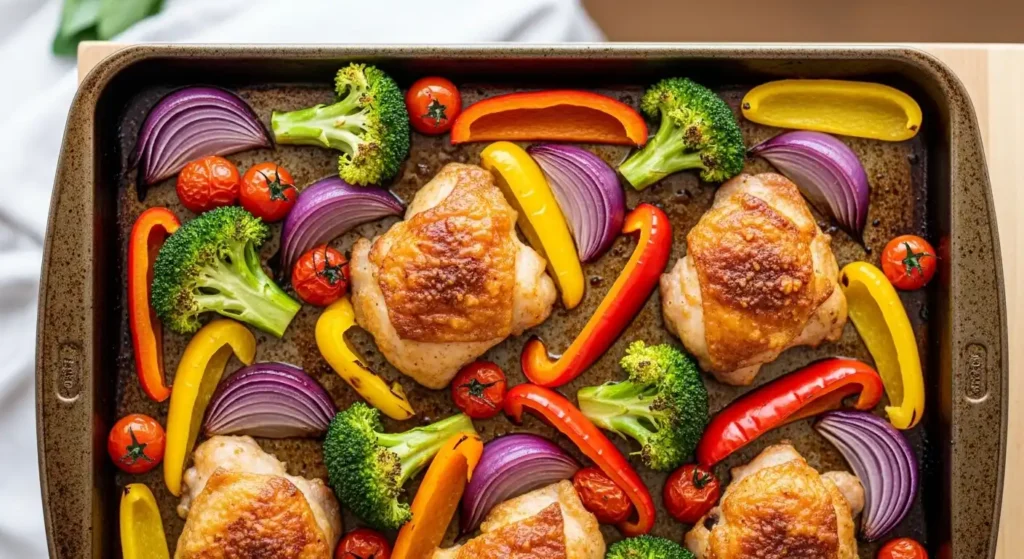
Even though it’s easy to use, there are a few mistakes to watch out for.
Not Using the Drip Tray
Skipping the bottom tray can lead to smoke and mess.
Leaving Food Unattended
Broiling is fast, and food can burn quickly.
Using Too Much Oil
Excess oil can cause splattering and smoke.
Placing Pan Too Close
If the food is too close to the heat source, it may burn instead of cook evenly.
Can You Replace a Broiler Pan?
If you don’t have a broiler pan, you can use alternatives, but they may not be as effective.
Possible Substitutes
- Wire rack placed over a baking sheet
- Oven-safe grill pan
- Foil-lined tray with raised surface
These options can work in a pinch, but a dedicated broiler pan gives the best results.
Cleaning and Maintenance
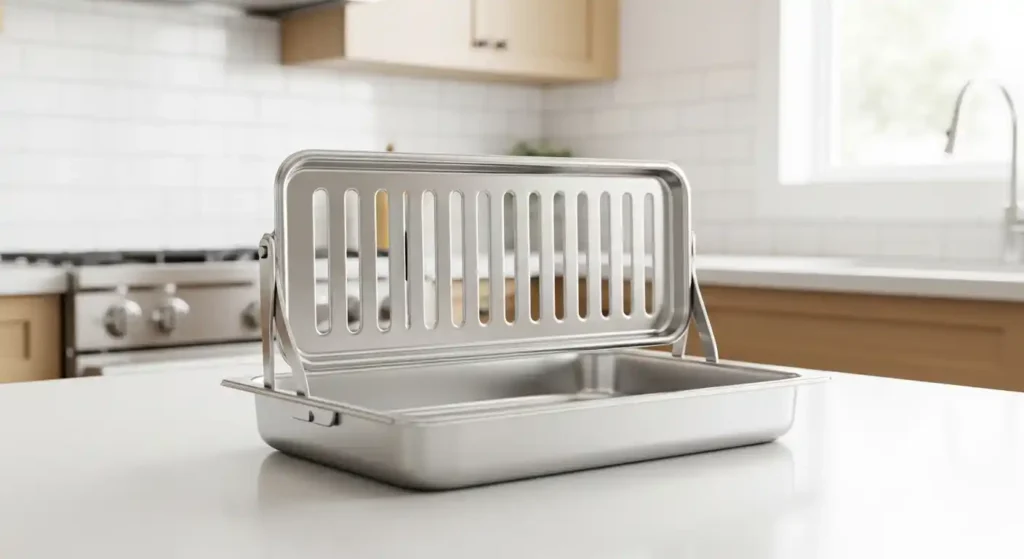
Proper care will keep your broiler pan in good condition.
Cleaning Tips
- Let the pan cool before washing
- Soak in warm, soapy water if needed
- Use a soft sponge to avoid scratching
Maintenance Tips
- Dry thoroughly to prevent rust
- Avoid harsh scrubbers on coated surfaces
- Clean after each use to prevent buildup
Is a Broiler Pan Necessary?
While not essential, a broiler pan is very useful if you:
- Use the broiler setting often
- Want crisp, evenly cooked food
- Prefer less greasy cooking methods
For many home cooks, it’s a helpful addition that improves cooking results.
Final Thoughts
So, what is a broiler pan? It’s a two-piece oven tool designed for high-heat cooking that delivers crispy, evenly cooked food while allowing excess fat to drain away.
Whether you’re roasting vegetables, browning dishes, or preparing quick meals, a broiler pan makes the process easier and more efficient.
Its simple design and practical benefits make it a valuable addition to any kitchen.
If you enjoy cooking with your oven’s broiler, investing in a good broiler pan can help you achieve better results with less effort.
With the right technique and care, it can become one of your go-to tools for quick and delicious meals.


