
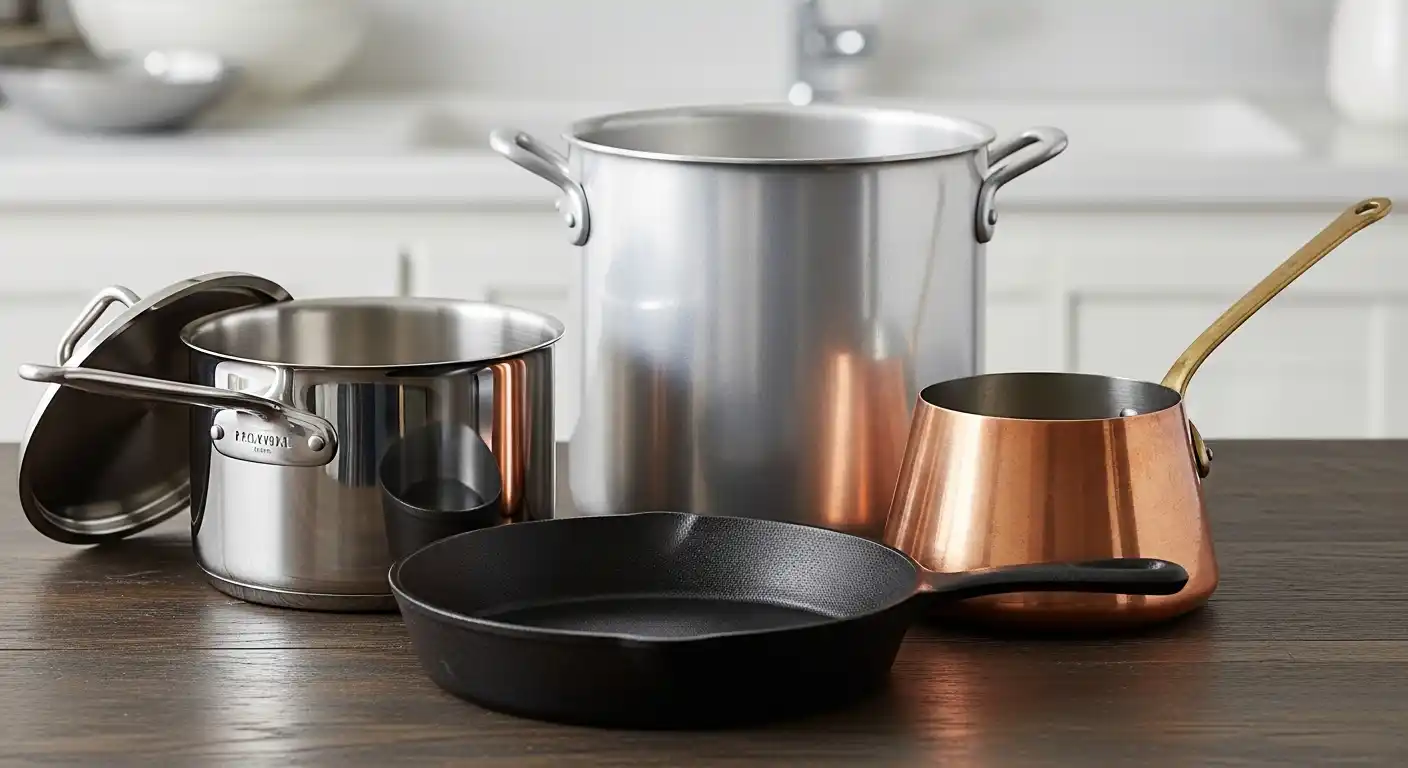
What Is a Heavy Bottom Pan? A Complete Guide for Home Cooks
If you’ve ever followed a recipe that says “use a heavy bottom pan,” you might have paused and wondered what that actually means. Is it just a heavier pan, or is there something more to it?
Understanding what is a heavy bottom pan can significantly improve your cooking results. From preventing food from burning to ensuring even cooking, this type of cookware plays an important role in many kitchens.
In this guide, we’ll break down everything you need to know—what a heavy bottom pan is, why it matters, and how to choose the right one for your cooking needs.
What Is a Heavy Bottom Pan?
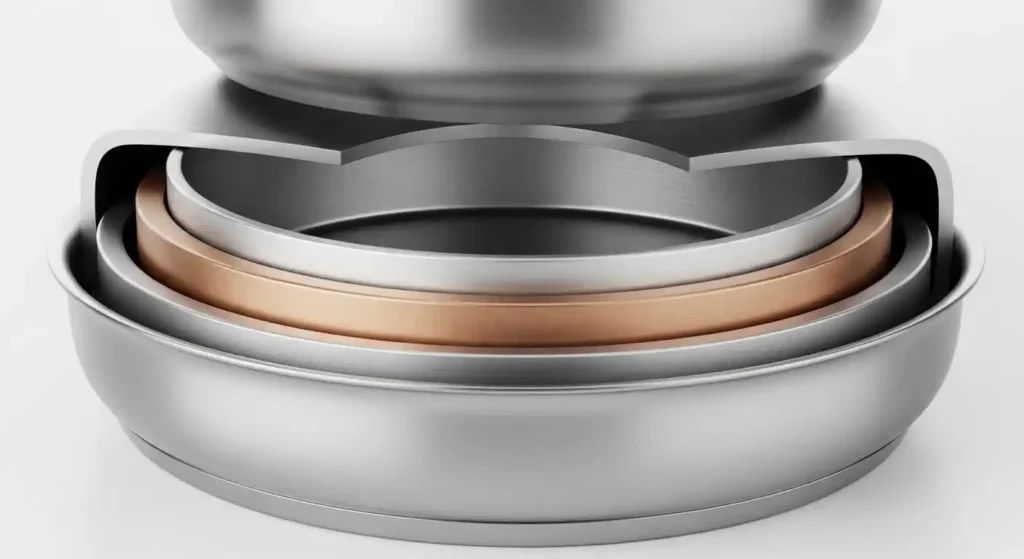
A heavy bottom pan is a type of cookware designed with a thick, dense base that distributes heat evenly across its surface. Unlike lightweight pans, which can heat unevenly and create hot spots, heavy bottom pans maintain consistent temperatures during cooking.
The “heavy bottom” refers specifically to the thickness of the base, not just the overall weight of the pan. This thick base is often made with multiple layers of materials such as aluminum or copper sandwiched between stainless steel.
This construction allows heat to spread evenly, reducing the chances of food burning or sticking in certain areas.
Why Is a Heavy Bottom Pan Important?
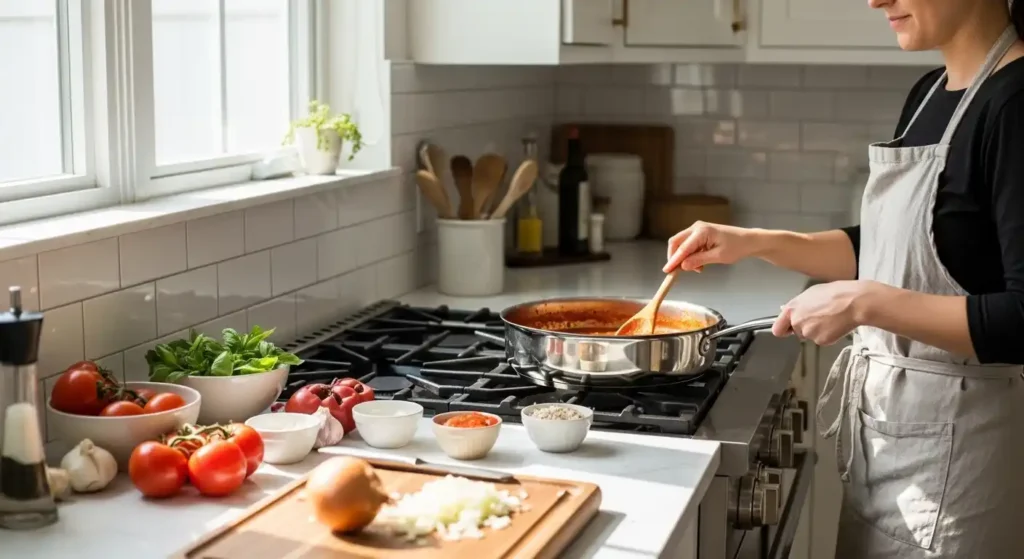
Using a heavy bottom pan can make a noticeable difference in your cooking. Here’s why it matters:
1. Even Heat Distribution
The thick base ensures that heat spreads evenly across the cooking surface. This prevents hot spots that can cause uneven cooking.
2. Better Temperature Control
Heavy bottom pans retain heat well, allowing you to maintain a steady cooking temperature. This is especially helpful for recipes that require gentle simmering.
3. Reduced Risk of Burning
Because heat is distributed evenly, food is less likely to burn in one spot while remaining undercooked in another.
4. Improved Cooking Results
From sauces to grains, many dishes benefit from the stability and consistency of a heavy bottom pan.
How Does a Heavy Bottom Pan Work?
The secret behind a heavy bottom pan lies in its layered construction. Most high-quality pans use a combination of materials to improve performance.
Common Materials Used
- Aluminum Core: Excellent heat conductor, helps distribute heat quickly
- Copper Core: Even better heat conductor, used in premium cookware
- Stainless Steel Exterior: Durable, non-reactive, and easy to clean
These layers work together to ensure that heat is spread evenly and maintained consistently throughout the cooking process.
What Can You Cook in a Heavy Bottom Pan?
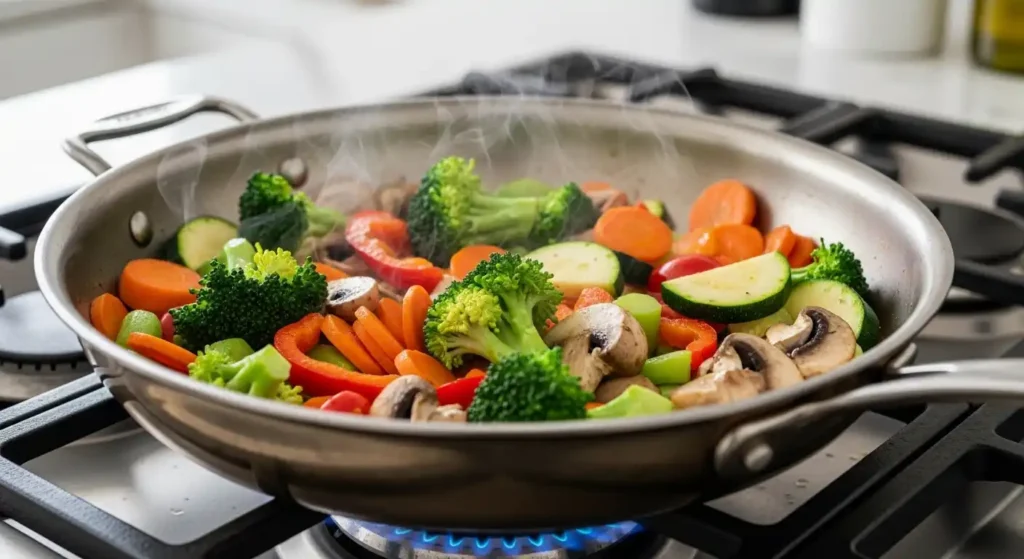
Heavy bottom pans are incredibly versatile and can be used for a wide variety of recipes.
Everyday Cooking Tasks
- Boiling rice, pasta, or grains
- Cooking soups and stews
- Reheating leftovers
- Preparing sauces
Recipes That Benefit Most
Some dishes especially benefit from a heavy bottom pan:
- Sauces and gravies: Prevents scorching and ensures smooth texture
- Custards and creamy dishes: Requires gentle, even heat
- Oatmeal or porridge: Reduces sticking at the bottom
- Simmered dishes: Maintains consistent heat over time
Because of their stability, these pans are ideal for both beginners and experienced cooks.
Heavy Bottom Pan vs Regular Pan
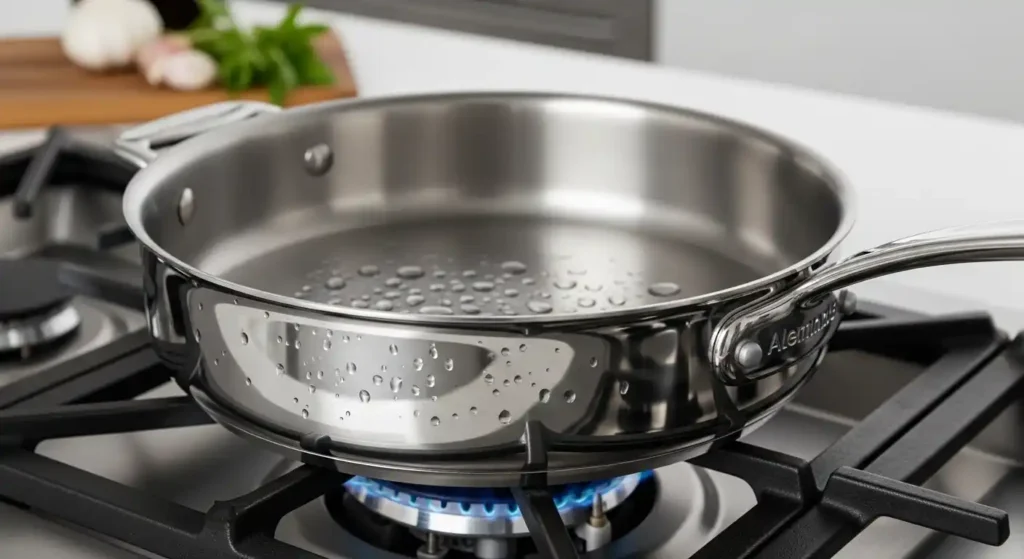
To better understand the value of a heavy bottom pan, let’s compare it with a regular lightweight pan.
Heat Distribution
- Heavy Bottom Pan: Even heat across the surface
- Regular Pan: Uneven heat with hot spots
Cooking Performance
- Heavy Bottom Pan: Consistent results
- Regular Pan: May require constant stirring
Durability
- Heavy Bottom Pan: Long-lasting and sturdy
- Regular Pan: May warp or wear out faster
Ease of Use
- Heavy Bottom Pan: More forgiving, less chance of burning
- Regular Pan: Requires closer attention
While regular pans can work for simple tasks, heavy bottom pans provide more reliable and professional-level results.
How to Identify a Heavy Bottom Pan
Not all pans are labeled clearly, so it’s helpful to know how to पहचान a heavy bottom pan.
Look for These Signs
- Thick base: The bottom feels solid and sturdy
- Weight: Heavier than standard pans
- Multi-layer construction: Often described as “tri-ply” or “multi-ply”
- Flat base: Ensures even contact with the stovetop
If a pan feels too light or thin, it likely doesn’t have a heavy bottom.
Types of Heavy Bottom Pans
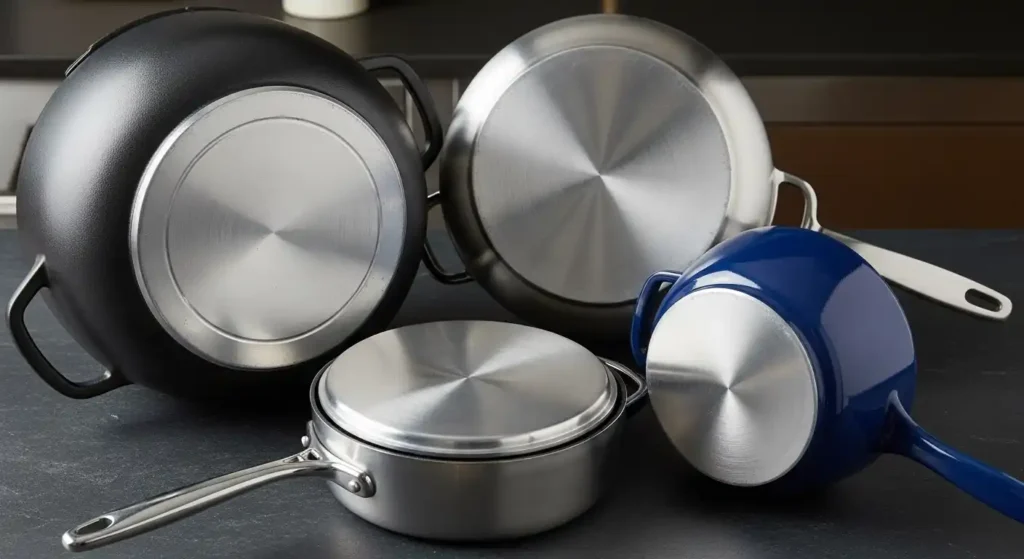
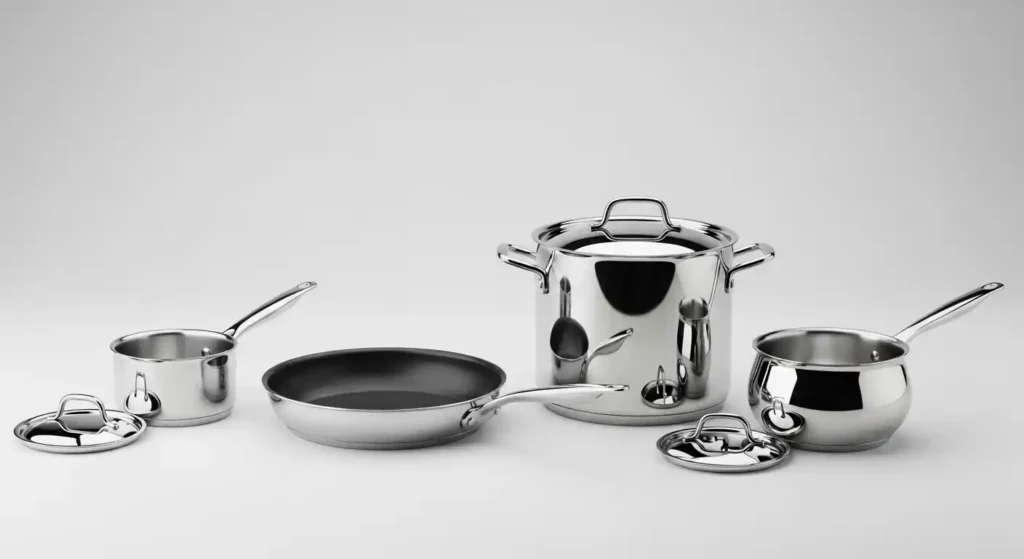
Heavy bottom designs are available in various types of cookware.
Saucepan
Great for boiling, simmering, and making sauces.
Frying Pan or Skillet
Ideal for sautéing, frying, and browning food evenly.
Stockpot
Perfect for soups, stews, and large batches of food.
Saucier
Best for recipes that require constant stirring and smooth textures.
No matter the type, the heavy base improves performance across all these pans.
Benefits of Using a Heavy Bottom Pan
Here are some key advantages of adding this cookware to your kitchen:
Consistent Cooking Results
You’ll get evenly cooked food without worrying about burnt spots.
Energy Efficiency
Because the pan retains heat well, you can cook on lower heat settings.
Versatility
Suitable for a wide range of cooking techniques.
Durability
High-quality heavy bottom pans can last for years with proper care.
Are There Any Downsides?
While heavy bottom pans are excellent, they do have a few minor drawbacks:
- Heavier to handle: May be difficult for some users
- Higher cost: Usually more expensive than lightweight pans
- Longer heating time: Takes slightly longer to heat up initially
However, most home cooks find that the benefits far outweigh these drawbacks.
Tips for Using a Heavy Bottom Pan
To get the best results from your cookware, follow these simple tips:
Preheat Properly
Allow the pan to heat gradually before adding ingredients.
Use Medium Heat
High heat is rarely necessary because the pan retains heat well.
Stir When Needed
While heavy bottom pans reduce sticking, some recipes still require occasional stirring.
Avoid Sudden Temperature Changes
Let the pan cool slightly before washing to prevent damage.
How to Care for a Heavy Bottom Pan
Proper maintenance can extend the life of your cookware.
- Wash with warm water and mild detergent
- Avoid harsh scrubbers that can damage the surface
- Dry thoroughly after washing
- Store carefully to prevent scratches
With good care, a heavy bottom pan can last for many years.
Do You Really Need a Heavy Bottom Pan?
If you cook regularly, the answer is yes. While it’s not absolutely necessary for every dish, it can greatly improve your cooking experience.
Ideal for:
- Home cooks who want consistent results
- Recipes that require precise heat control
- People who enjoy making sauces, grains, or slow-cooked dishes
Even having just one heavy bottom pan in your kitchen can make a noticeable difference.
Final Thoughts
So, what is a heavy bottom pan? It’s more than just a heavier piece of cookware—it’s a tool designed to improve how heat is distributed and controlled during cooking.
With its thick base and even heat distribution, a heavy bottom pan helps prevent burning, improves texture, and makes cooking more reliable.
Whether you’re simmering sauces, cooking grains, or preparing everyday meals, this type of pan can elevate your results.
If you’re looking to upgrade your cookware, investing in a heavy bottom pan is a smart and practical choice. It’s a small change that can make a big difference in your kitchen.


