

What Is a Pan Pizza: the Cozy, Crispy Crust Reveal

The idea of a pan pizza is simple: a thick, bubbly crust baked in a round, heavy pan until the edges get caramelized and the cheese goes full molten gold.
But there’s more to it than a sloppy slice and a napkin-full of grease.
Let’s dive into what makes pan pizza so irresistibly comforting and how it’s evolved from a greasy miracle to a dish you can brag about at a dinner party.
What exactly is pan pizza?
Pan pizza is basically pizza that cooks in a pan instead of on a flat sheet or stone. The pan’s depth creates a thicker crust with a crispy edge and a soft, chewy center.
It’s the culinary equivalent of a hug from a carb-loving friend.
– The crust: thick, airy, often with that fried-cheese-bottom vibe
– The edge: crisp, browned, sometimes blistered
– The middle: tender, doughy, and cheesy
– The oil: a little more saturated fat means more flavor bubble
If you’ve ever bitten into a slice and thought, “This feels homey and indulgent at the same time,” congrats, you’ve met pan pizza.
Where did pan pizza come from?
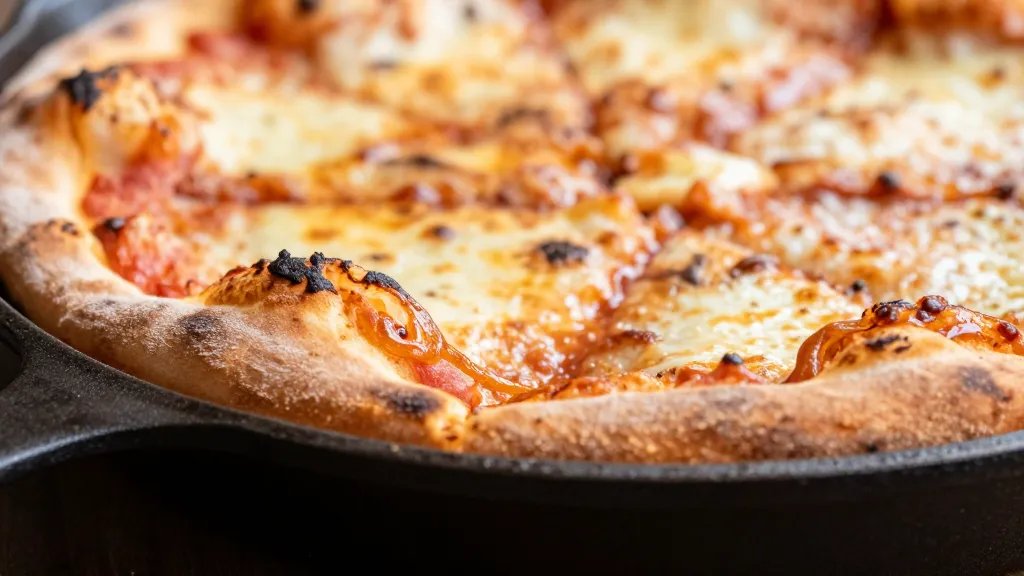
Pan pizza has roots in both convenience and indulgence. Restaurants in the 1960s and 70s used simple, sturdy metal pans to bake pizzas quickly and to create a reliable crust.
The method spread, and now you’ll find pan pizza in many styles—from classic American chains to artisanal pizzerias that treat the pan like a canvas.
– Common origin story: home cook meets cast-iron pan, discovers how to coax a thick crust
– Why the pan? The depth traps heat, creating a rising, airy crust
– Modern revival: chefs experiment with oil ratios, toppings, and par-bakes
Crust dynamics: what makes pan pizza different
If you’re a crust person, pan pizza is basically your dream. The pan changes the math of baking.
The crust texture
– The bottom browns faster due to direct contact with the pan
– The sides develop a crisp, almost fried edge
– The interior stays soft and chewy because it spends more time hidden under toppings
Oil and flavor
– A little oil goes a long way: it fries the bottom and adds a rich finish
– Some spots use a thin oil slick to prevent sticking and boost flavor
– FYI: too much oil can slide toward greasy, so balance is key
What toppings work best on pan pizza?
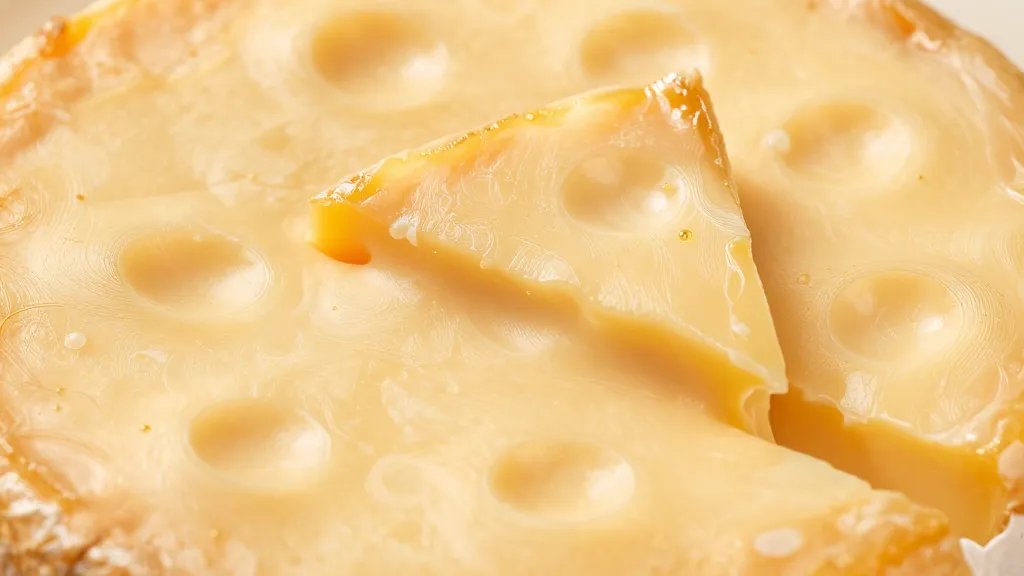
Pan pizza loves bold toppings because the crust provides a sturdy counterpoint. You can go traditional or go wild; it’s your kitchen, after all.
– Classic combo: mozzarella, pepperoni, marinara, a drizzle of olive oil
– Veg-forward: mushrooms, olives, bell peppers, onions, with a crumble of fan-favorite cheeses
– Rich and indulgent: sausage, caramelized onions, ricotta dollops
– Creative twists: BBQ chicken, feta with spinach, jalapeño poppers, or even white sauce with garlic and herbs
How to make pan pizza at home: a simple blueprint
A good pan pizza recipe is less about fancy gear and more about timing and heat management. You can do this with a sturdy skillet or a proper deep-dish pan.
1) Prep the dough: use a soft, well-hydrated dough. Let it rise until it’s puffy but not too airy.
2) Oil the pan generously: you want a thin film that hugs the dough and gets deliciously crispy.
3) Stretch the dough to fit: press it into the pan, letting the edges rise up the sides a bit.
4) Par-bake if you like: bake the crust alone for 6–8 minutes to set it up.
5) Layer boldly: sauce, cheese, toppings—don’t be shy with the layers.
6) Bake until bubbly: you want a golden crust and molten cheese. If you’ve got a broiler, a minute or two on high can blister the top nicely.
7) Rest a moment: slice after a quick rest so the cheese doesn’t run away.
Tools and tech: what helps (or hurts) a pan pizza
The hardware can be as important as the ingredients.
– Cast iron skillet: legendary for heat retention and crust development
– Stainless steel or nonstick: lighter, easier to handle, but might not brown as deeply
– Deep-dish or cake pans: great for that thick, cushiony bite
– Oven strategy: hot oven, with some convection if you’ve got it, helps crisp the bottom
Common pitfalls and fixes
Nobody bakes a perfect pan pie every time. Here are the usual suspects and how to dodge them.
– Soggy bottom: ensure the dough is not too wet and that you’ve given the crust enough time to crisp up
– Uneven cooking: rotate the pan halfway through to keep things even
– Grease slick: too much oil can lead to a greasy finish; moderate and even coating helps
– Dry edges: pull toppings inward if the edge looks lonely, and consider a foil shield if the crust browns too fast
Pan pizza vs. other pizza styles: how it stacks up
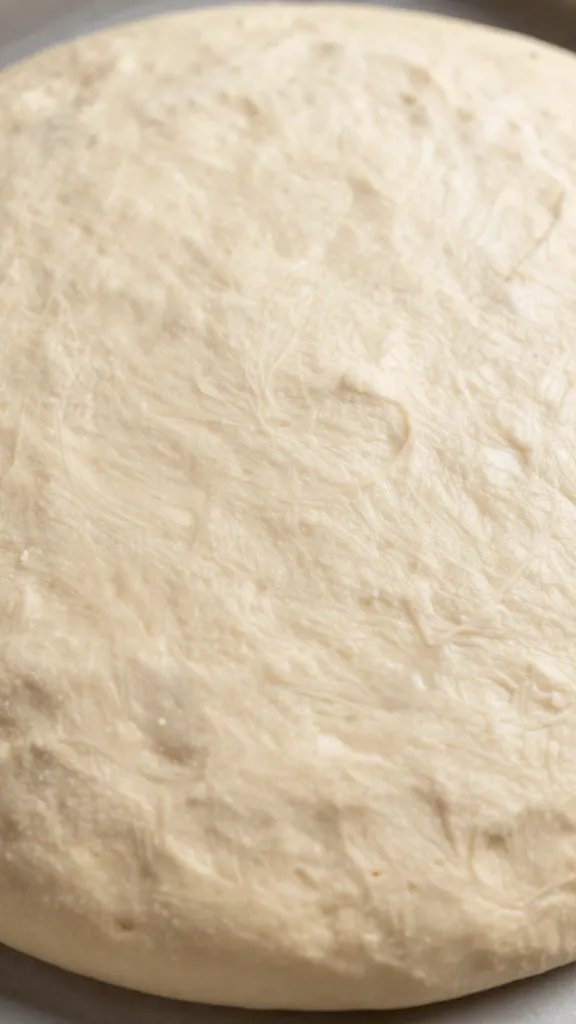
Curious how it compares to flat-crust, NYC slices, or deep-dish Chicago pies? Here’s the quick rundown.
– Pan pizza vs. New York-style: pan leans thick, tender, and hefty; NYC favors thinner, foldable slices
– Pan pizza vs. Neapolitan: pan adds heft and a crisp edge; Neapolitan stays delicate, blistered, and quick to bake
– Pan pizza vs. Chicago deep-dish: pan pizza is more balanced in toppings with a poufy, chewy center; deep-dish is a true layer cake of cheese and sauce
FAQ
Is pan pizza always thick?
Pan pizza often is, but not always. The beauty of the pan method is flexibility. You can score a thinner crust by using a wider, shallower pan or by shaping a thinner dough and par-baking briefly. It’s all in the technique.
Can I make pan pizza without a fancy pan?
Absolutely. A sturdy cast-iron skillet or a heavy cake pan works great. If you’re in a pinch, a foil-lined sheet pan can do in a pinch, but you’ll miss that iconic edge crisp.
What makes the bottom crust so crispy?
Direct contact with a hot pan plus a touch of oil creates a quick “fry” effect on the bottom. The dough also spends more time in the hot environment, letting it brown evenly.
Do you need to par-bake the crust?
Not always, but it helps with very thick crusts or dense doughs. Par-baking gives the center time to set without drying out the toppings. If you’re short on time, skip it and keep an eye on the bake time.
What toppings best suit pan pizza?
Rich, bold toppings that don’t overwhelm the crust work best. Meats with moderate moisture, lots of cheese, and vegetables with some bite (like peppers and onions) are a crowd-pleaser. If you’re adventurous, try a white-garlic base with mushrooms and spinach for a twist.
Conclusion
Pan pizza is the cozy cousin of the pizza world: hearty, a little indulgent, and surprisingly versatile.
The pan is not just a vessel; it’s a flavor amplifier that turns every bite into a crisp-edged, cheese-ploy moment.
If you haven’t given pan pizza a proper go, grab a sturdy pan, throw some bold toppings on, and treat yourself.
IMO, you’ll wonder why you ever settled for anything less. FYI, it has a way of turning weeknights into a tiny celebration.


