

What Is a Tube Pan? A Baker’s Secret Weapon Explained

What is a tube pan, and why is this recipe so picky about it?
If you’ve ever followed a cake recipe and suddenly read “pour the batter into a tube pan”, you might have paused and thought.
Totally fair question. Baking has its fair share of oddly specific tools, and a tube pan sounds a bit mysterious if you’ve never used one.
But once you understand what it is and why bakers love it, you’ll realize this pan is actually one of the most useful tools in the kitchen.
So let’s break it down in plain, friendly terms.
By the end of this guide, you’ll know exactly what a tube pan is, how it works, and why so many classic cakes depend on it.
What Is a Tube Pan?
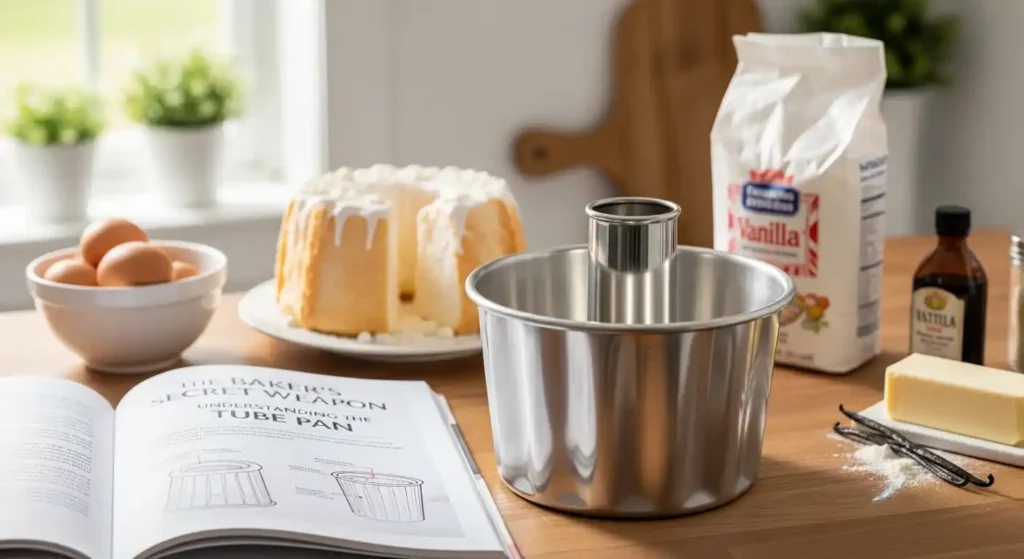
At its simplest, a tube pan is a round baking pan with a hollow tube in the center. That center tube creates a hole through the middle of the cake as it bakes.
This design might look a little unusual if you’re used to regular cake pans, but it actually serves a very important purpose.
The hollow tube allows heat to circulate evenly through the batter, helping thick cakes bake thoroughly without burning the outside or leaving the middle undercooked.
Because of this clever structure, tube pans are commonly used for cakes that need extra support or longer baking times, such as:
- Angel food cake
- Chiffon cake
- Pound cake
- Sponge cake
Without the center tube, these delicate cakes might collapse or bake unevenly.
So if someone asks what is a tube pan, the short answer is:
It’s a specialized cake pan with a hollow center designed to help cakes bake evenly and rise beautifully.
Why Bakers Love Tube Pans
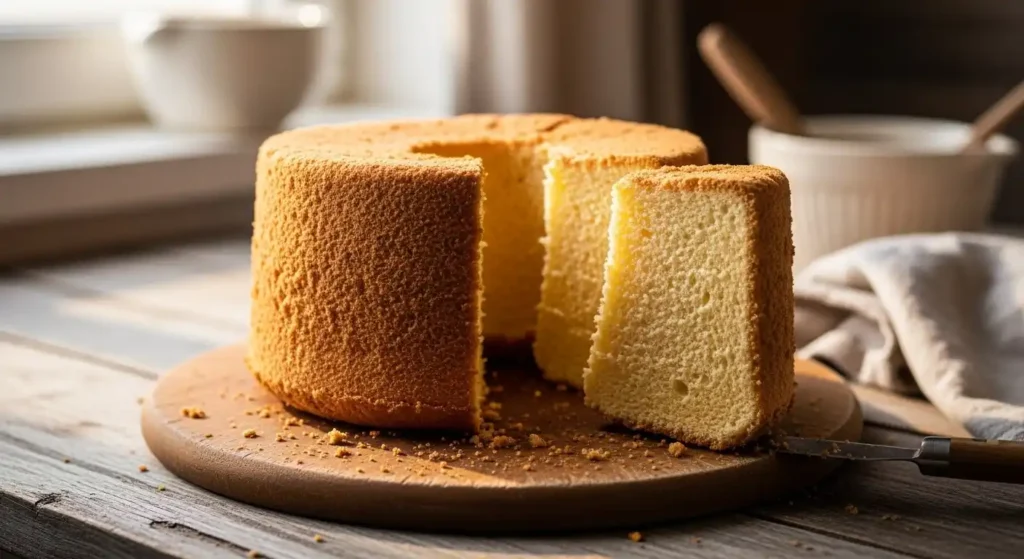
Once you start using one, you’ll quickly see why tube pans have been a favorite in kitchens for decades.
Here are a few reasons bakers swear by them.
1. Even Heat Distribution
The biggest advantage of a tube pan is how evenly it bakes cakes.
In deep cake batters, heat sometimes struggles to reach the center. The hollow tube solves that problem by allowing heat to reach the middle of the cake.
This prevents the dreaded situation where the outside is perfect but the center is still raw.
2. Perfect for Tall Cakes
Tube pans are usually deeper than regular cake pans. That extra height allows cakes to rise dramatically without overflowing.
That’s why fluffy cakes like angel food cake almost always use a tube pan.
3. Better Cake Structure
Delicate cakes need support while baking. The center tube gives the batter something to cling to as it rises.
Without that support, the cake could sink in the middle.
4. Beautiful Presentation
Let’s be honest—cakes baked in tube pans just look elegant.
The classic ring shape creates a visually appealing cake that’s perfect for dusting with powdered sugar, drizzling with glaze, or topping with fruit.
Minimal decorating required. Maximum bakery vibes.
Tube Pan vs Bundt Pan: What’s the Difference?
Many people confuse tube pans with Bundt pans. They look similar, but they’re not exactly the same.
Here’s the difference.
Tube Pan
- Straight sides
- Smooth interior
- Removable bottom in many models
- Designed for delicate cakes like angel food or chiffon
Bundt Pan
- Decorative ridges and patterns
- Usually one solid piece
- Best for denser cakes like pound cakes
Both have the signature center hole, but a tube pan is more functional, while a Bundt pan is more decorative.
If a recipe specifically calls for a tube pan, it usually needs the smoother sides and removable bottom.
Types of Tube Pans
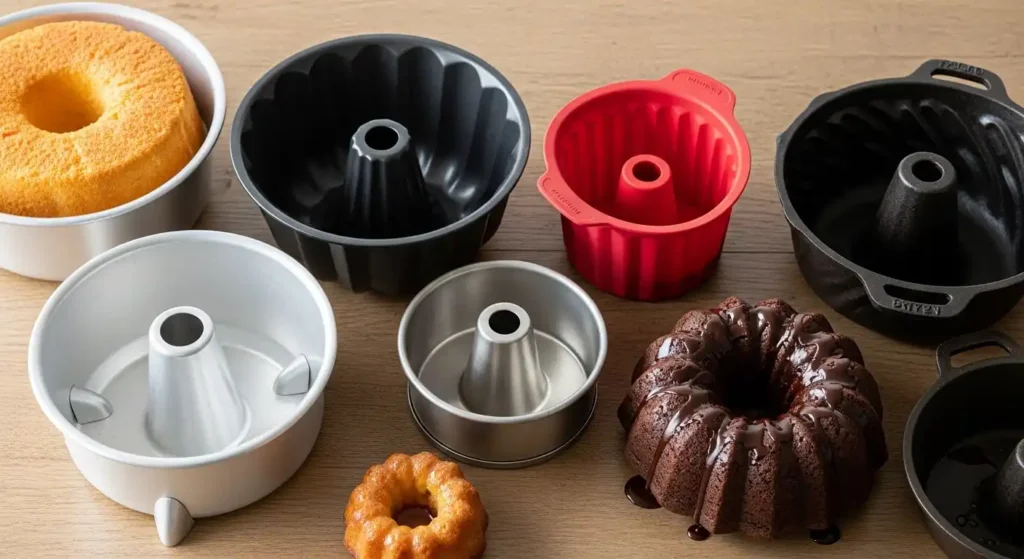
Not all tube pans are identical. You’ll find a few different varieties depending on what you want to bake.
Two-Piece Tube Pan
This version has a removable bottom and center tube.
Bakers love it because it makes removing delicate cakes much easier. You simply lift the cake out instead of flipping the pan upside down.
This type is commonly used for angel food cake.
One-Piece Tube Pan
A one-piece tube pan is sturdier and simpler.
However, removing cakes can be slightly trickier since the bottom doesn’t detach.
These pans work well for sturdier cakes like pound cake.
Nonstick Tube Pan
Nonstick versions help cakes release more easily, though some bakers prefer traditional aluminum for better browning.
What Recipes Use a Tube Pan?
Tube pans shine when baking cakes that are light, airy, and tall.
Here are some classic recipes that rely on them:
- Angel food cake
- Chiffon cake
- Sponge cake
- Pound cake
- Marble cake
- Coffee cake
The center tube ensures these thicker batters cook evenly while maintaining their fluffy texture.
Without it, many of these cakes might collapse or bake unevenly.
How to Use a Tube Pan Properly
Using a tube pan is simple once you know the basics.
Here are a few helpful tips.
Don’t Always Grease the Pan
Some cakes—especially angel food cake—should not be greased.
The batter actually needs to cling to the sides of the pan while rising. Greasing the pan can cause the cake to collapse.
Always follow the instructions in your recipe.
Fill the Pan Carefully
Most tube pans should be filled about two-thirds full.
Overfilling can cause batter to spill over the edges while baking.
Tap Out Air Bubbles
Before baking, gently tap the filled pan on the counter once or twice.
This removes large air pockets and helps the cake bake evenly.
Cool the Cake Upside Down
Certain cakes, especially angel food cake, should cool upside down.
Many tube pans have small feet that allow the pan to rest upside down while the cake cools. This prevents the delicate structure from collapsing.
Can You Substitute a Tube Pan?
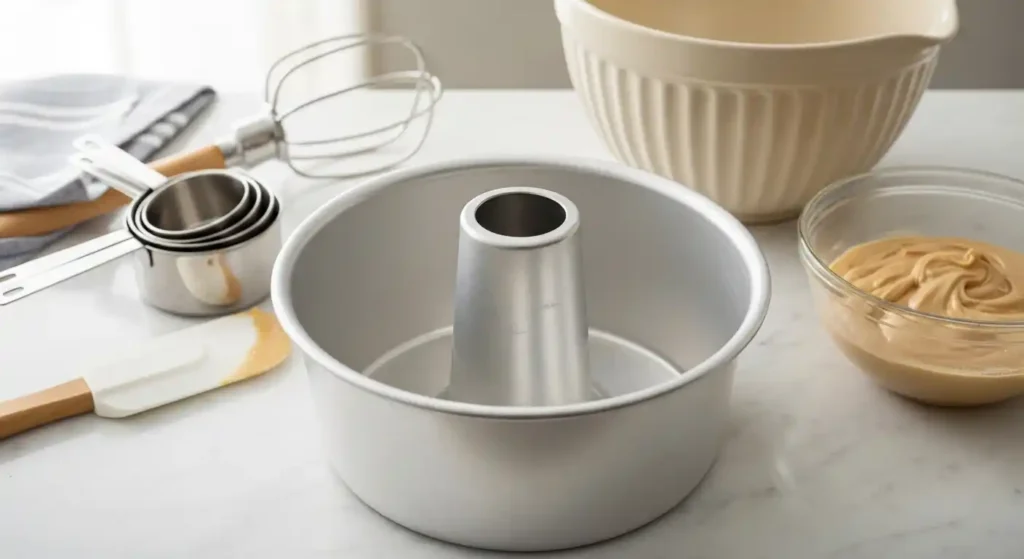
Sometimes you may not have a tube pan when a recipe calls for one.
While it’s not always ideal, there are a few alternatives.
Bundt Pan
A Bundt pan can often work in place of a tube pan, especially for denser cakes.
However, it may not be perfect for delicate cakes.
Loaf Pans
You can divide the batter into loaf pans if needed. The baking time may change slightly.
Round Cake Pans
Two or three round pans can sometimes replace a tube pan, though the cake won’t have the classic ring shape.
Whenever possible, it’s best to use the pan the recipe recommends.
Choosing the Best Tube Pan
If you’re thinking about adding one to your kitchen, look for these features.
Heavy Aluminum Construction
Aluminum distributes heat evenly and helps cakes bake properly.
Removable Bottom
This makes it much easier to remove delicate cakes without damaging them.
Tall Sides
A deeper pan allows cakes to rise higher and maintain their structure.
Many professional bakers consider a 9- or 10-inch aluminum tube pan the gold standard.
Cleaning and Caring for Your Tube Pan
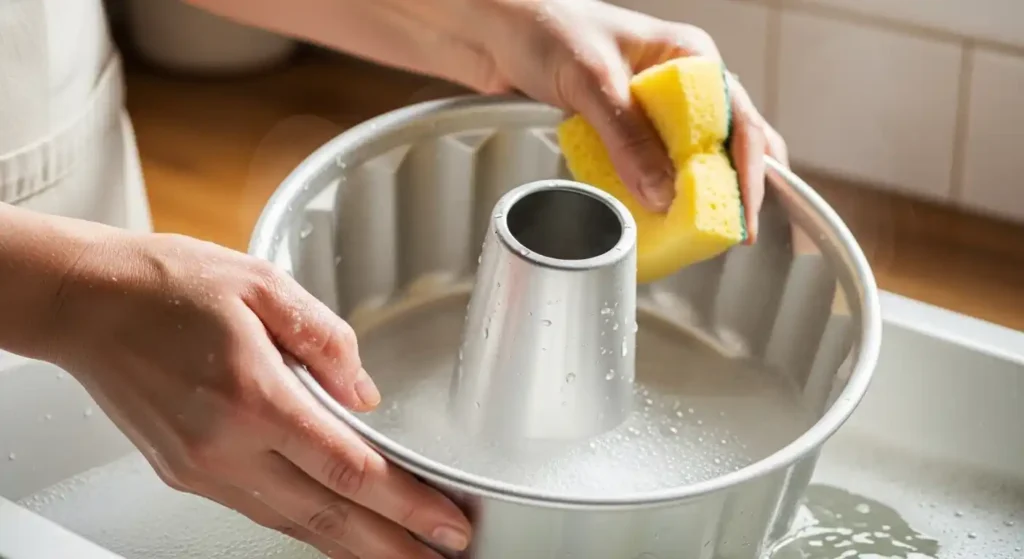
Proper care helps your tube pan last for years.
Here are a few simple tips:
- Wash gently with warm soapy water
- Avoid harsh scrubbing pads
- Dry thoroughly before storing
- Store in a dry place to prevent discoloration
If your pan is aluminum, slight discoloration over time is normal and doesn’t affect baking performance.
Final Thoughts
So, what is a tube pan really?
It’s a clever baking tool designed to help tall, airy cakes bake evenly while maintaining their structure.
The hollow center improves heat circulation, supports delicate batters, and creates that classic ring-shaped cake we all recognize.
Whether you’re baking a fluffy angel food cake, a rich pound cake, or a light sponge cake, a tube pan can make the process easier and the results better.
And honestly, once you start baking with one, you might wonder how you ever lived without it.
After all, great baking isn’t just about ingredients—it’s about using the right tools. And the humble tube pan? It’s definitely one of the most helpful tools a baker can have.


