

What Size Is a Loaf Pan? Your Bake Guide
The big question in every bake-off: what size is a loaf pan anyway? If you open a cookbook or scroll through a baking blog, you’ll see a handful of standard sizes.
It’s like the Goldilocks of kitchen gear—some are too small, some are too big, and a few actually feel just right.
Let me break down the mysteries so you stop guessing and start baking with confidence.
What “standard loaf pan size” even means
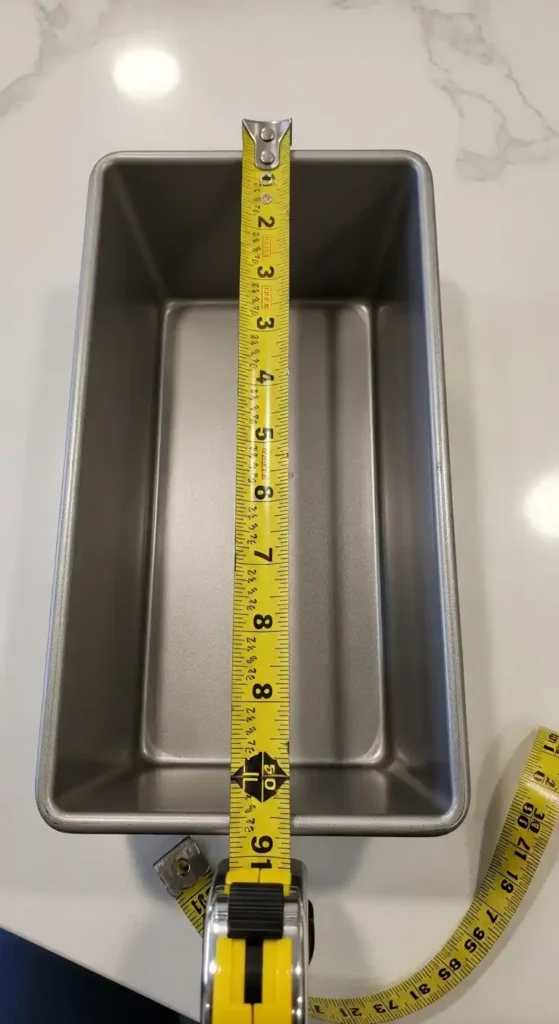
Loaf pans come in a few common dimensions, and they’re not just about volume.
The shape matters, too.
The most typical loaf pan in home kitchens is 9×5 inches.
There are other sizes that show up regularly: 8.5×4.5 inches, 9.5×5.25 inches, and mini loaf pans around 3×5 inches.
If you bake a lot from recipes that specify a “standard loaf pan,” chances are you’re reaching for one of these sizes.
FYI, the pan’s depth changes how tall your loaf will rise, which can totally shift texture.
Why size actually matters in baking
– It controls loaf height: A deeper pan means a taller loaf; a shallow pan yields a flatter morning loaf.
– It affects cook time: Bigger, deeper loaves need more time to bake through. Smaller loaves finish faster, which can lead to overbrowning on top if you don’t watch it.
– It changes crumb and crust: More batter in a deeper pan often creates a denser interior and a thicker crust on top.
– It influences cleanup and portions: A pan that’s too big can turn a recipe into a frittata of leftovers, while a pan that’s too small might overflow and create a messy oven chem.
Which size should you actually use for classic quick breads?
– 9×5 inches is your reliable workhorse. It fits most “standard” quick bread recipes: banana bread, zucchini bread, lemon loaf, you name it.
– 8.5×4.5 inches is almost identical in volume to 9×5 but creates a slightly taller loaf. Great if you love a more dramatic slice.
– 9×4-inch pans exist, but they’re rarer in grocery stores. If you find one, the loaf will be taller and bake a touch faster on the edges.
– If you only have mini loaves, prepare to bake in batches, adjust time, and revel in adorable, perfectly portioned slices.
How to adapt a recipe to a different loaf pan
Adapting isn’t magic; it’s math-ish and a little kitchen witchcraft. Here’s the quick approach:
Step 1: Compare volumes
– Use the pan’s volume in cups or the recipe’s batter amount. If your recipe calls for 6 cups of batter and your pan holds 8 cups, you’ll have extra batter or you’ll need to stretch into a second pan.
– If you’re unsure, a quick estimate: 1 cup = about 240 milliliters, and a standard loaf pan is roughly 6 cups in most common sizes.
Step 2: Adjust bake time
– Smaller pan, shorter bake time; bigger pan, longer bake time. Start with a 5–10 minute reduction or extension check and go from there.
– Always test for doneness with a skewer or toothpick: a few moist crumbs are okay; a clean pick means you’re done.
Step 3: Check the rise
– If your batter is thick, it might not rise as dramatically in a shallower pan. If you want a domed top, you can give your loaf a gentle nudge of lift by letting it rest for a minute before baking.
What to do with “odd” pan sizes

– If you love a specific recipe but don’t own the right pan, consider using a different mold: a rectangular cake pan or even a proper bundt pan for a twist.
– Silicone loaf pans behave differently than metal. They’re forgiving in some ways (heat distribution is slower), but you still need to know your batter’s volume.
– If you’re in a pinch, fill a smaller pan halfway and bake shorter loaves for a few batches. It’s not cheating; it’s efficient.
Materials matter: metal vs silicone vs glass
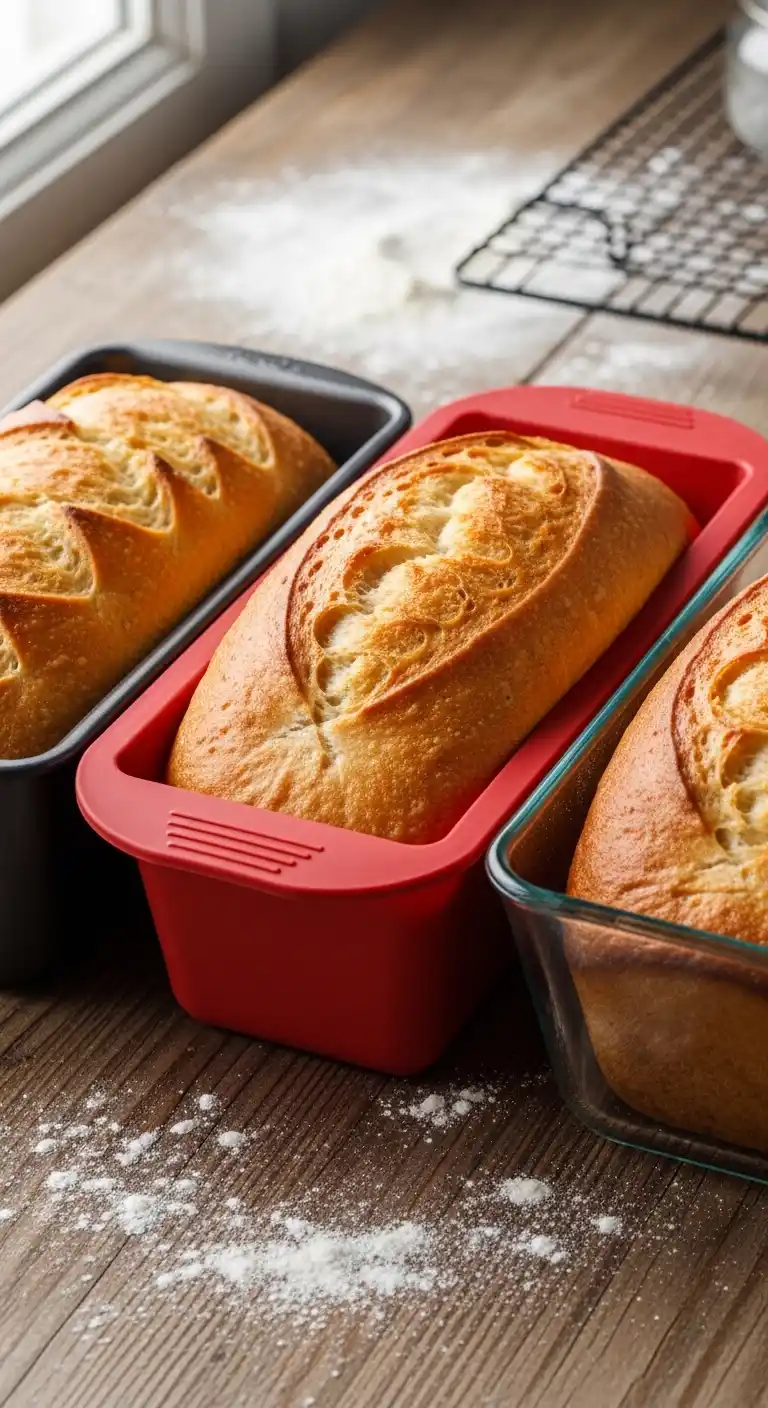
– Metal pans heat up quickly and promote a nice, browned crust. They’re sturdy and lifelike.
– Dark nonstick pans can darken the crust faster; you might reduce bake time by a few minutes.
– Silicone is forgiving and easy to clean, but it can lead to lighter crusts and longer bake times.
If you’re using silicone, you may need to lower the oven temperature slightly or bake longer until a skewer comes out clean.
– Glass pans heat more slowly and evenly but can take longer to bake through. Plan a little extra time if you’re using glass.
Tips for perfect loaf slices every time
– Grease and flour (or line with parchment) to prevent sticking. It’s not optional; it’s heroic.
– Let the loaf cool completely before slicing.
This is not optional either; it helps keep the crumb intact and makes clean, neat slices.
– Use a serrated bread knife for clean cuts.
And yes, you’ll want a steady hand and a little patience.
– If your loaf domes and then sinks in the middle, you probably opened the oven too early or the batter didn’t have enough structure.
Try baking with a little more structure next time or use a touch less sugar to improve crumb.
Putting it all together: your loaf pan cheat sheet
– Standard size most people own: 9×5 inches. This is your default.
– Alternate common size: 8.5×4.5 inches for a taller loaf.
– Common specialty size: mini loaves around 3×5 inches for giftable slices.
– Materials to consider: metal for browning, silicone for easy release, glass for steady heat.
– Bake times: expect 50–65 minutes for typical banana or lemon loaves in a 9×5 pan; reduce by a few minutes for smaller pans, extend slightly for deeper pans.
Conclusion: you’ve got this loaf-pan thing nailed
Choosing the right loaf pan is less a mystery and more a small math problem with a delicious payoff.
Start with the standard 9×5, know your batter size, and adjust bake times accordingly.
With a little practice, you’ll be confidently swapping pans without fear of overflow or gummy centers.
Happy baking, friend—your next perfect loaf is just a pan away.
FAQ
What’s the most versatile loaf pan size?
The 9×5 inch loaf pan is the workhorse. It fits most quick bread recipes and is easy to find in stores.
If you want a taller loaf, try an 8.5×4.5 inch pan. Both are common and interchangeable with minor bake-time adjustments.
How do I know if my loaf is done without overbaking?
Use a toothpick or skewer: it should come out clean or with a few crumbs, not wet batter. If you see a lot of wet batter, bake a bit longer.
If the top browns too quickly, tent with foil and continue baking.
Can I bake bread in a loaf pan?
Yes, but expect a different texture. Quick breads rise differently from yeast breads.
If you’re venturing into actual bread with a loaf pan, you’ll want a pan designed for bread dough and follow a bread-specific recipe and proofing times.
What if my recipe’s pan size doesn’t match mine?
Compare volumes, not just dimensions. If your pan holds more batter, you’ll need a larger pan or to bake in two batches.
If it holds less, divide the batter accordingly or bake in a smaller pan and enjoy a shorter loaf or extra muffins.
Do silicone loaf pans bake differently than metal?
Yes. Silicone conducts heat more slowly, which can lead to a lighter crust and longer bake times.
You might reduce the oven temperature by 25 degrees Fahrenheit or adjust bake time slightly when using silicone.
Is parchment paper okay for lining loaf pans?
Absolutely. Parchment helps you release the loaf cleanly and reduces sticking dramatically. If you’re not lining, buttering and flouring the pan is the alternative, but parchment is the easiest route.


