

Fluffy Perfection: Whole Wheat Honey Bread Rolls

These whole wheat honey bread rolls are soft, lightly sweet, and totally crave-worthy.
They bake up gold and fluffy, with a kiss of honey that doesn’t overpower the wheatiness.
Ready in one show-stopping afternoon, they’ll disappear before you can say “fresh rolls, anyone?

Whole Wheat Honey Bread Rolls Recipe
Ingredients
- 3 cups whole wheat flour
- 1 cup bread flour or all-purpose if you must
- 1/4 cup honey
- 1/4 cup warm water about 110°F/43°C
- 1 cup warm milk
- 2 1/4 teaspoons active dry yeast one packet
- 2 tablespoons unsalted butter melted
- 1 teaspoon salt
- Optional: extra flour for dusting
Instructions
- Activate the yeast: In a small bowl, whisk warm water, a pinch of sugar, and the yeast. Let it sit 5–10 minutes until foamy. If it doesn’t foam, your yeast is sleeping on the job. Try again with fresh yeast.
- Combine wet ingredients: In a larger bowl, mix warm milk, honey, and melted butter. Stir until honey dissolves. Pro tip: warming the milk helps the dough rise faster, but don’t make a sauna—you’ll kill the yeast.
- Mix dry ingredients: In a separate bowl, whisk the whole wheat flour, bread flour, and salt. This keeps the salt from hitting the yeast directly.
- Form the dough: Pour the foamy yeast mixture into the wet bowl, then gradually add the dry ingredients. Stir until a shaggy dough forms, then switch to kneading. If it’s too sticky, add a tablespoon of flour at a time until manageable—but don’t overdo it.
- Knead until smooth: Knead 8–10 minutes on a floured surface, or with a mixer using a dough hook. You’re aiming for a silky, springy dough that passes the windowpane test (stretch a bit—it should thin without tearing).
- First rise: Place dough in a greased bowl, cover, and let rise in a warm spot for 1 hour, or until doubled. If your kitchen is chilly, near a warm oven or a sunny windowsill works wonders.
- Shape rolls: Punch down the dough, divide into 12 equal pieces, and roll into smooth balls. Place them on a parchment-lined baking sheet or in a greased 9×13 pan, spaced so they don’t hug each other too tightly.
- Second rise: Cover and let rise 30–40 minutes, or until puffy. They should look like they’re about to audition for a bread commercial.
- Bake: Preheat to 375°F (190°C). Bake 15–18 minutes, until the tops are lightly golden and set. If the bottoms brown too fast, tent with foil for the last 5 minutes.
- Cool briefly and devour: Let cool for 5–10 minutes before serving. They’re best warm, but still great at room temp if you’re stacking for later.
Why This Recipe is Awesome
These rolls are foolproof enough for a kitchen rookie and fancy enough for a Sunday dinner.
The honey adds just enough sweetness to keep them kid-friendly without turning them into dessert.
They store well, reheat like a champ, and the whole wheat texture gives you that wholesome vibe without sacrificing softness.
It’s idiot-proof, even I didn’t mess it up.
Ingredients You’ll Need
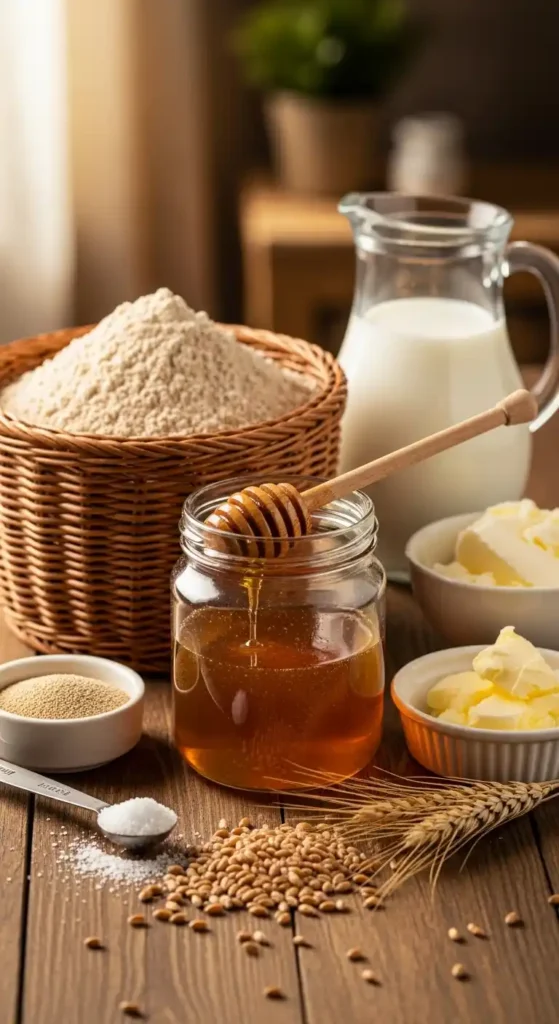
- 3 cups whole wheat flour
- 1 cup bread flour (or all-purpose if you must)
- 1/4 cup honey
- 1/4 cup warm water (about 110°F/43°C)
- 1 cup warm milk
- 2 1/4 teaspoons active dry yeast (one packet)
- 2 tablespoons unsalted butter, melted
- 1 teaspoon salt
- Optional: extra flour for dusting
Step-by-Step Instructions
- Activate the yeast: In a small bowl, whisk warm water, a pinch of sugar, and the yeast. Let it sit 5–10 minutes until foamy. If it doesn’t foam, your yeast is sleeping on the job. Try again with fresh yeast.
- Combine wet ingredients: In a larger bowl, mix warm milk, honey, and melted butter. Stir until honey dissolves. Pro tip: warming the milk helps the dough rise faster, but don’t make a sauna—you’ll kill the yeast.
- Mix dry ingredients: In a separate bowl, whisk the whole wheat flour, bread flour, and salt. This keeps the salt from hitting the yeast directly.
- Form the dough: Pour the foamy yeast mixture into the wet bowl, then gradually add the dry ingredients. Stir until a shaggy dough forms, then switch to kneading. If it’s too sticky, add a tablespoon of flour at a time until manageable—but don’t overdo it.
- Knead until smooth: Knead 8–10 minutes on a floured surface, or with a mixer using a dough hook. You’re aiming for a silky, springy dough that passes the windowpane test (stretch a bit—it should thin without tearing).
- First rise: Place dough in a greased bowl, cover, and let rise in a warm spot for 1 hour, or until doubled. If your kitchen is chilly, near a warm oven or a sunny windowsill works wonders.
- Shape rolls: Punch down the dough, divide into 12 equal pieces, and roll into smooth balls. Place them on a parchment-lined baking sheet or in a greased 9×13 pan, spaced so they don’t hug each other too tightly.
- Second rise: Cover and let rise 30–40 minutes, or until puffy. They should look like they’re about to audition for a bread commercial.
- Bake: Preheat to 375°F (190°C). Bake 15–18 minutes, until the tops are lightly golden and set. If the bottoms brown too fast, tent with foil for the last 5 minutes.
- Cool briefly and devour: Let cool for 5–10 minutes before serving. They’re best warm, but still great at room temp if you’re stacking for later.
How to Serve
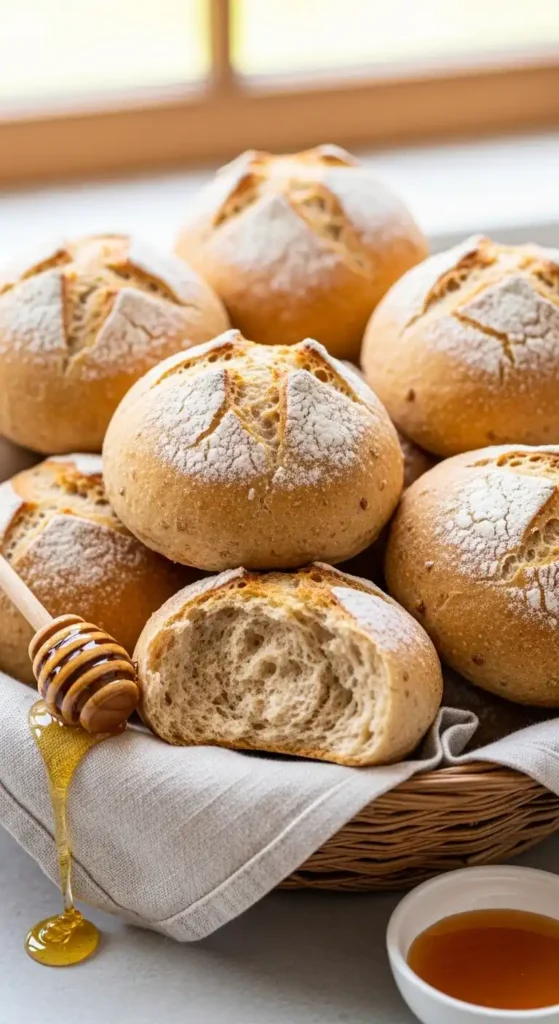
– Serve warm with butter that melts instantly when you touch it. The roll should be soft enough to squeeze a little butter through the center.
– Pair with easy weeknight soups, stews, or roasted veggies. A bowl of hearty lentil soup or tomato basil soup makes these rolls feel wholesome and comforting.
– For a fun twist, make mini sliders by slicing rolls in half and adding your favorite fillings. Think turkey, avocado, and a smear of mustard.
– Presentation idea: dust with a tiny pinch of sea salt and a pat of cultured butter on top for a quick “bakery vibes at home” moment.
– Occasion vibes: dinner sides, brunch rolls, or a cozy weekend bread basket with coffee or chai.
Nutrition Facts (approximate)
– Per serving (approximate, because we live in reality): about 190–210 calories per roll
– Carbohydrates: 34–38 g
– Protein: 6–7 g
– Fat: 4–6 g (mostly from the butter)
– Fiber: 3–4 g
– Sugar: 5–7 g (mostly from honey)
Common Mistakes
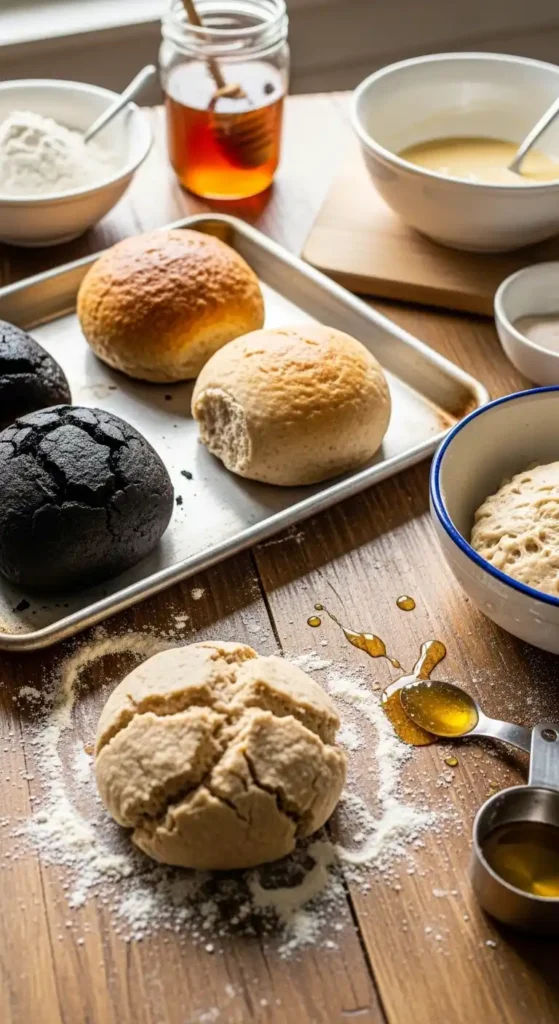
– Not preheating the oven: rookie mistake. The dough’s rise tactics rely on a steady bake from the moment the door opens, so preheat properly.
– Skipping the second rise: you’ll end up with dense rolls that won’t slice nicely. Give them air time and patience.
– Using too much flour: the “dusting” habit is real. Resist the urge to dump in extra flour; you’ll end up with bricks instead of clouds.
– Water temperature misstep: boiling hot water or cold water kills yeast. Stay at a comfy warm zone; think bath temperature.
– Under-kneading: gluten needs that stretch to trap air. Knead until the dough is smooth and springy, not sticky and rudderless.
Simple Substitutions
– Gluten-free option: use a 1:1 gluten-free loaf blend and add a tablespoon of psyllium husk to help with structure. It won’t be identical, but it’ll still be tasty.
– Sweetener swap: swap honey for maple syrup or agave for a different flavor note, but keep the total sweetness similar.
– Dairy-free: use almond, soy, or oat milk and replace butter with a neutral oil or dairy-free butter substitute. The rolls still stay soft, promise.
– Flour mix: if you only have all-purpose, you can bump the total white flour to 1 1/2 cups and reduce whole wheat to 2 1/2 cups, but the texture will skew lighter and less wholesome. Worth it? Up to you.
Conclusion
There you have it—whole wheat honey bread rolls that are soft, hearty, and somehow still perfectly springy.
They hug the meal you pair them with and somehow turn weeknight dinners into something worth photographing.
Bake a batch this weekend, freeze a few for quick breakfasts, and enjoy the compliments that follow.
Simple, comforting, and a little bit magical—that’s what these rolls deliver.
FAQ
Can I freeze the dough?
Yes. After the first rise, freeze the dough in a sealed bag. Thaw in the fridge overnight, then shape, rise, and bake as directed. The texture might be slightly denser, but still delicious.
Why are my rolls dense?
Common culprits: not enough kneading, under-proofing, or too much flour. Ensure the dough is smooth and springy after kneading, and give it a generous rise in a warm spot.
Can I make them gluten-free?
You can, with a dedicated gluten-free flour blend and additional binding agents like psyllium husk. Expect a slightly different texture, but they’ll still be tasty and soft.
What should I serve with them?
Butter, obviously. Plus soups, stews, roasted veggies, turkey, or even a breakfast plate with eggs. They’re versatile enough to pair with almost anything.


