
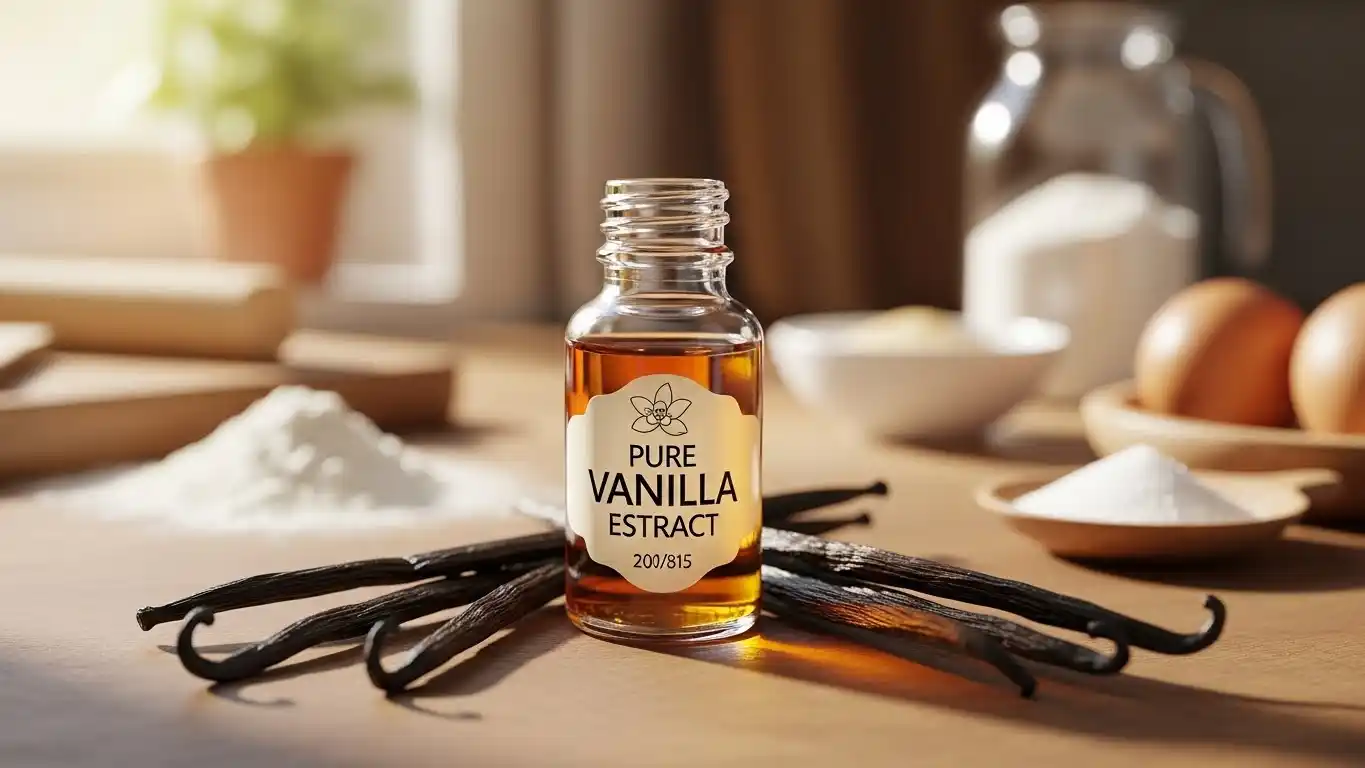
Why You Should Use Real Vanilla: A Baker’s Secret Ingredient
So, you’re standing in the baking aisle, staring at rows of vanilla bottles.
One says “pure vanilla extract,” the other is “imitation vanilla.” And you think, does it really matter? Isn’t vanilla just… vanilla? Spoiler alert: it absolutely matters.
If you’ve ever wondered why you should use real vanilla, grab a cup of coffee—or, in my case, a spoon—and let’s chat about this little bottle that can completely transform your baked goods.
Real Vanilla vs. Imitation Vanilla
Let’s start with the basics. Real vanilla comes from actual vanilla beans, which are the cured pods of the vanilla orchid.
Imitation vanilla, on the other hand, is a synthetic version, usually made from vanillin derived from wood pulp or corn.
Here’s the thing: imitation vanilla tastes fine, don’t get me wrong. But it’s one-dimensional. Real vanilla? It’s rich, complex, and aromatic.
It has warm, floral, and almost caramel-like undertones that no artificial flavor can match.
Think of it like the difference between a cheap candle and the scent of fresh flowers—you can tell the difference instantly.
Why You Should Use Real Vanilla in Baking
- Depth of Flavor
Ever wondered why some chocolate chip cookies taste like a hug from your childhood? Real vanilla is often the secret. Its natural compounds interact with other ingredients, enhancing flavors and giving baked goods that layered, rich taste you can’t fake. - Better Aroma
Let’s be honest: half the joy of baking is the smell. Real vanilla has a head-turning aroma that fills the kitchen and makes everyone ask, “What are you baking?” Imitation vanilla smells sweet, sure, but it won’t make your house smell like a professional bakery. - Natural Sweetness Without Extra Sugar
Vanilla naturally rounds out flavors and can make desserts taste sweeter without adding more sugar. This is a huge win for cookies, cakes, and even fruit-based desserts. - Pairs Better With Ingredients
Real vanilla isn’t just for sweets. It enhances custards, puddings, frostings, and even coffee or hot chocolate. It complements chocolate, nuts, and berries in ways imitation vanilla can’t.
How to Choose Real Vanilla
Now that you’re sold on real vanilla, here’s the tricky part: not all vanilla extracts are created equal.
- Look for “Pure Vanilla Extract” on the label. This guarantees it comes from real beans.
- Check the ingredients: a single ingredient of vanilla bean and alcohol is perfect. If it has corn syrup or artificial flavorings, skip it.
- Consider vanilla bean paste or whole beans for recipes where you want those beautiful flecks of vanilla. It’s a little extra effort but worth it for flavor and presentation.
When Real Vanilla Really Makes a Difference
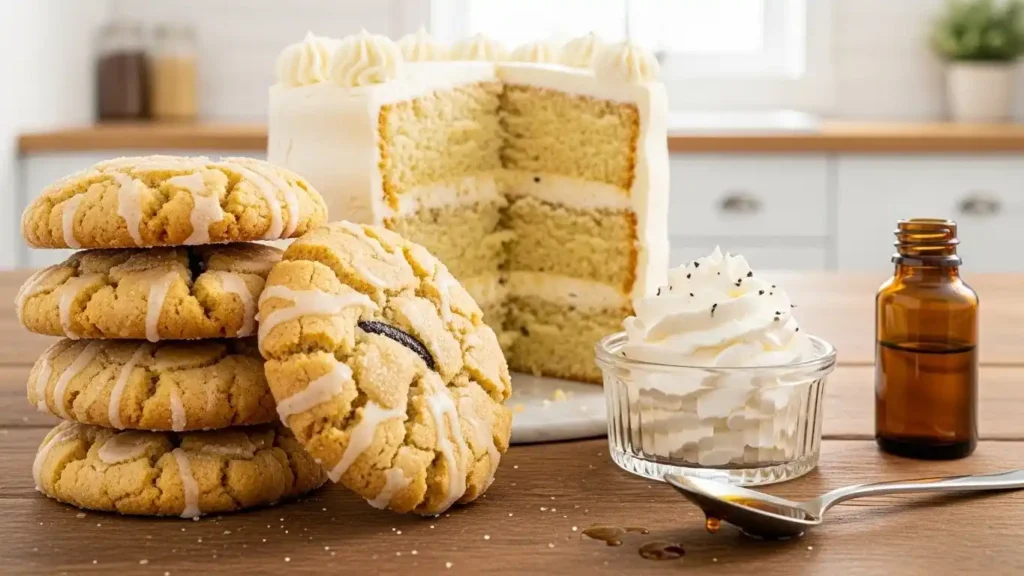
You might be thinking, “Fine, fine, I’ll use it—but does it really matter in muffins or pancakes?”
Honestly, the difference is subtle in very simple recipes, but it shines in recipes where vanilla is a main flavor:
- Custards and puddings
- Cakes and frostings
- Cookies and shortbread
- Ice cream
- Sweet breads like brioche
Even a tiny splash of real vanilla in frosting or whipped cream can elevate your dessert from “meh” to chef-level deliciousness.
Fun Baking Tip
Here’s a trick I swear by: toast your vanilla beans slightly before adding them.
Heat in a dry pan for a minute or two, then scrape out the seeds.
This intensifies the flavor and aroma, giving your baked goods a richer, more luxurious taste.
It’s like a secret handshake among bakers—if you know, you know.
Alternatives and Substitutions
If you’re in a pinch, here’s what to know:
- Vanilla bean paste – almost as good as whole beans, with flecks of seeds for that visual wow factor.
- Vanilla powder – great for dry mixes like cookie dough, adds flavor without extra liquid.
- Imitation vanilla – fine for small recipes, but skip it for anything where vanilla is the star.
Pro tip: never double the amount of imitation vanilla to mimic real vanilla—it will taste bitter and fake. Trust me, I’ve tried, and it’s a baking disaster.
Common Mistakes With Vanilla
Even when you buy real vanilla, bakers make mistakes:
- Using too little – half a teaspoon can vanish in a cake batter. Don’t be shy; a teaspoon or two can make a big difference.
- Boiling vanilla – heat destroys delicate flavors. Add vanilla at the end of cooking or in cold ingredients.
- Buying cheap brands – you usually get what you pay for. Invest in a small bottle of good quality extract—it lasts forever and is worth every penny.
How to Store Vanilla
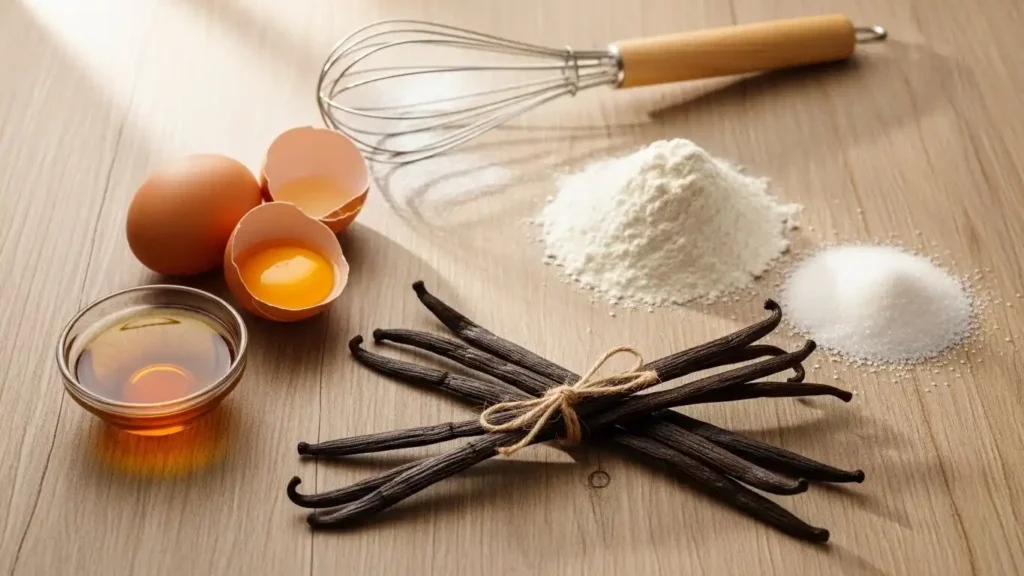
Real vanilla loves a little attention:
- Store in a cool, dark cupboard.
- Keep the bottle tightly sealed to avoid losing aroma.
- Avoid the fridge; condensation can harm the extract.
- Whole beans last years if kept in a glass jar; extract is good for 3–4 years.
FAQ (Frequently Asked Questions)
Q: Can I use real vanilla in savory dishes?
A: Absolutely! Vanilla pairs beautifully with roasted vegetables, creamy sauces, and even soups like butternut squash. It adds subtle sweetness and depth without being overpowering.
Q: How much vanilla should I use in a cake?
A: Usually 1–2 teaspoons for a standard 8–9 inch cake. Don’t skimp—you’ll notice the difference.
Q: Is vanilla extract gluten-free?
A: Yes! Pure vanilla extract contains no gluten, making it safe for gluten-free baking.
Q: Can I substitute vanilla bean paste for extract?
A: Yes! Use a 1:1 ratio, but remember the paste has seeds, which look gorgeous in frosting or custards.
Q: How can I tell if my vanilla is fresh?
A: Real vanilla should smell rich and aromatic. If it smells weak or artificial, it’s time to replace it.
Final Thoughts
If you’ve ever wondered why you should use real vanilla, now you know. It’s not just a flavor—it’s the heart of baking.
Real vanilla adds depth, aroma, natural sweetness, and that professional touch that makes cookies, cakes, and custards irresistible.
Next time you reach for that bottle in the baking aisle, remember: a little investment in real vanilla goes a long way.
Your desserts will taste richer, smell heavenly, and you’ll finally understand why professional bakers swear by it.
So go ahead, treat yourself to real vanilla. Your taste buds—and everyone you share your baked goods with—will thank you.


