

How to Start Growing Herbs Indoors from Seeds vs. Cuttings

How to Start Growing Herbs Indoors from Seeds vs. Cuttings sounds simple at first, until you realize every gardener online seems completely divided on which method actually works better.
Some people insist growing herbs from seeds saves money and gives you endless plant variety for indoor gardening projects.
Meanwhile, other gardeners claim herb cuttings grow faster, survive easier, and produce harvests much sooner without requiring as much patience.
I remember standing inside a garden center holding tiny basil seeds in one hand and a mature mint plant in the other, completely unsure which direction made more sense.
The truth is, both growing methods can work beautifully indoors when you understand the basics involving light, watering, containers, and realistic plant expectations.
Plus, indoor herb gardening has become incredibly popular lately because people want fresher ingredients, healthier cooking habits, and cozy kitchen spaces filled with greenery.
Whether you want a small windowsill herb garden or a full indoor kitchen garden setup, this guide will help you confidently decide which growing method fits your lifestyle best.
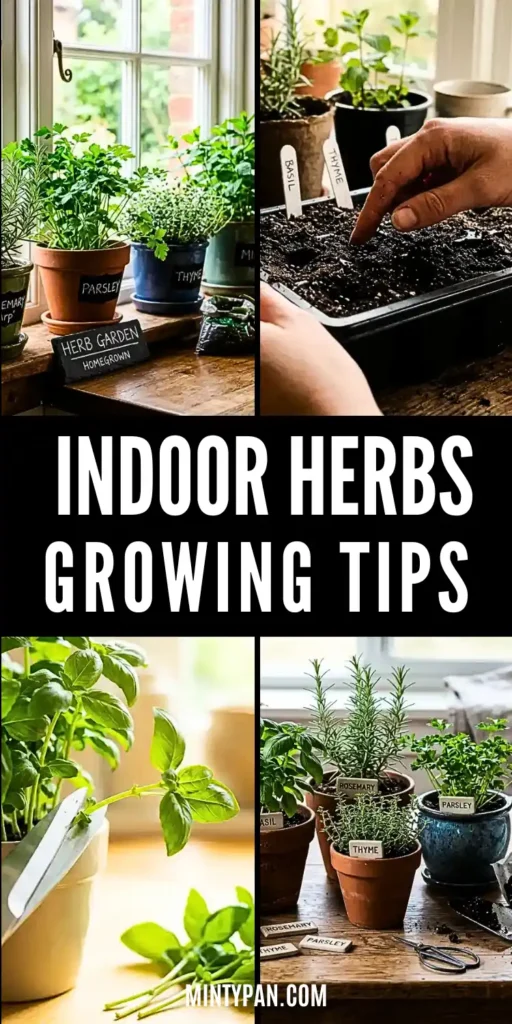
Why Indoor Herb Gardening Feels Rewarding Throughout Every Season
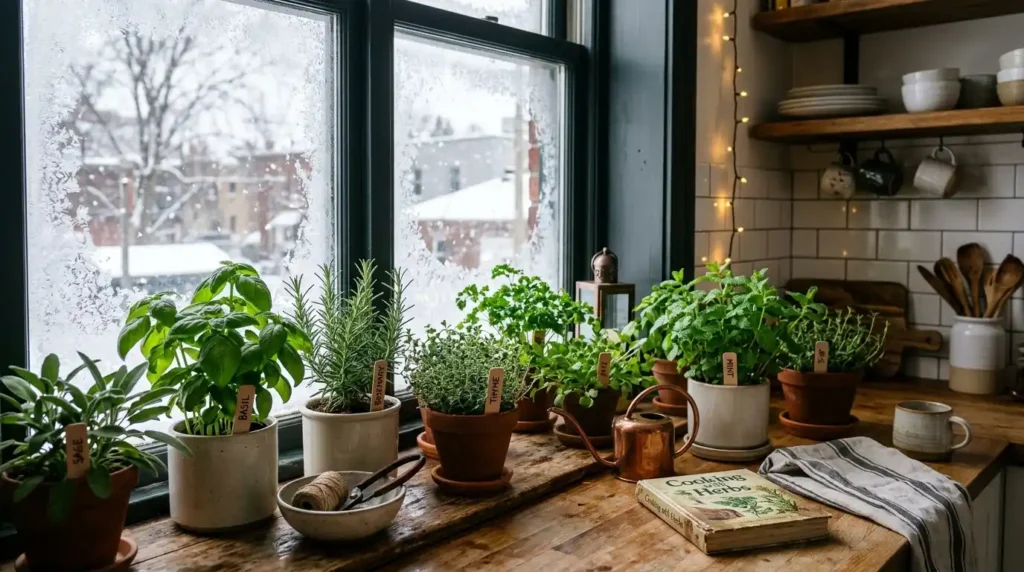
Indoor herb gardening gives people the opportunity to enjoy fresh greenery and flavorful ingredients even during extremely hot summers or colder months.
Many apartment dwellers believe successful gardening requires large outdoor areas, yet herbs grow surprisingly well beside bright kitchen windows and sunny corners.
Fresh basil, parsley, mint, cilantro, and thyme instantly improve homemade meals while making indoor spaces feel warmer, healthier, and more welcoming daily.
Indoor gardening also encourages people to cook more frequently because fresh herbs remain easily accessible whenever meals need extra flavor and freshness.
Many beginners appreciate how small herb gardens create peaceful daily routines without demanding excessive money, complicated tools, or professional gardening experience beforehand.
Caring for indoor herbs often becomes relaxing because gardeners naturally slow down while watering plants, trimming leaves, and observing new healthy growth patterns.
A simple indoor herb garden can transform ordinary living spaces into refreshing environments filled with color, fragrance, and rewarding everyday experiences.
Understanding the Main Difference Between Seeds and Cuttings Before You Begin
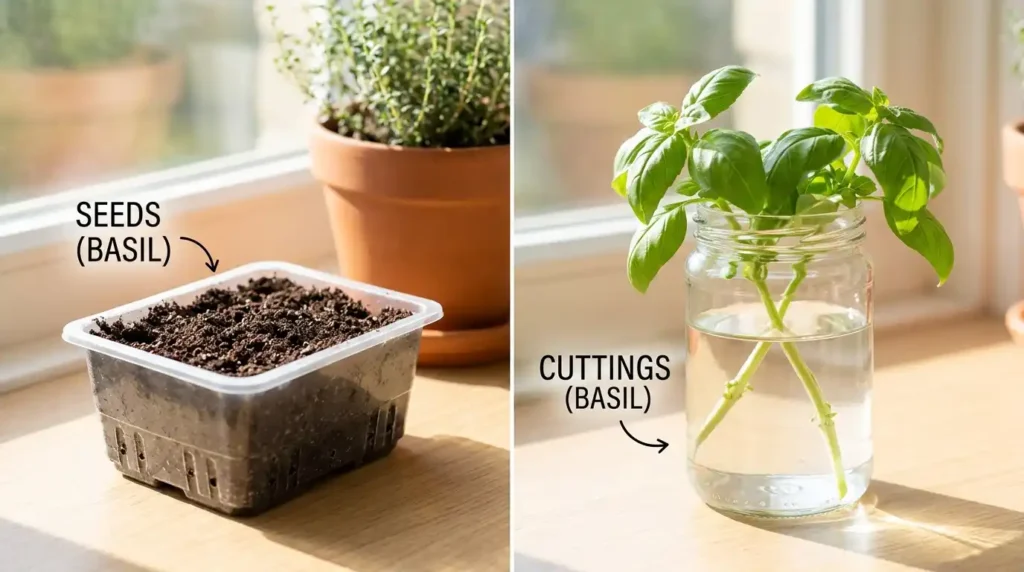
Understanding the difference between seeds and cuttings helps beginners choose indoor gardening methods matching their available time, patience, and growing expectations successfully.
Seeds create completely new plants from the beginning, allowing gardeners to experience every growth stage from germination through full mature harvest development.
Cuttings work differently because gardeners remove healthy stems from existing plants and encourage those stems to develop entirely new roots indoors.
Many beginners enjoy seed propagation because seed packets offer affordable access to numerous herb varieties without requiring mature starter plants initially.
Cuttings usually provide faster visible progress because stems already contain mature plant characteristics and established growth energy before propagation begins.
Neither method works perfectly for every gardener because personal lifestyle, indoor lighting, climate conditions, and available growing space influence overall gardening success.
Understanding herb propagation methods early helps beginners avoid frustration while building realistic expectations for healthy long-term indoor herb gardening results.
Growing Herbs from Seeds Gives Gardeners More Variety and Long-Term Satisfaction
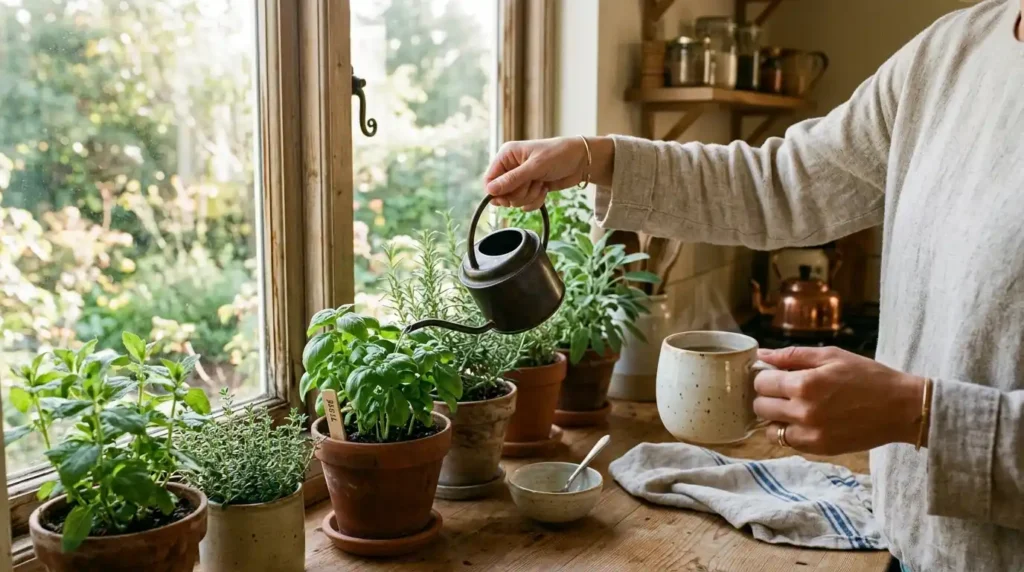
Growing herbs from seeds allows gardeners to choose from countless herb varieties rarely available as mature plants inside local gardening stores.
Beginners can experiment with basil, dill, parsley, oregano, cilantro, thyme, and chives while learning valuable indoor gardening skills gradually over time.
Many gardeners describe seed growing as deeply rewarding because they witness every important growth stage from tiny sprouts to thriving mature indoor plants.
Seed packets usually cost less than mature herbs, making this growing method especially helpful for gardeners wanting affordable long-term indoor gardening projects.
Growing herbs from seeds indoors also helps gardeners control plant quality because they manage watering, lighting, and spacing carefully from the earliest stages.
However, beginners must understand that seeds require patience because some herbs germinate slowly while others need consistent warmth before sprouting successfully.
Gardeners who enjoy careful observation and gradual progress often appreciate seed growing because the process feels educational, calming, and personally satisfying throughout.
Growing Herbs from Cuttings Helps Beginners Enjoy Faster Indoor Harvests
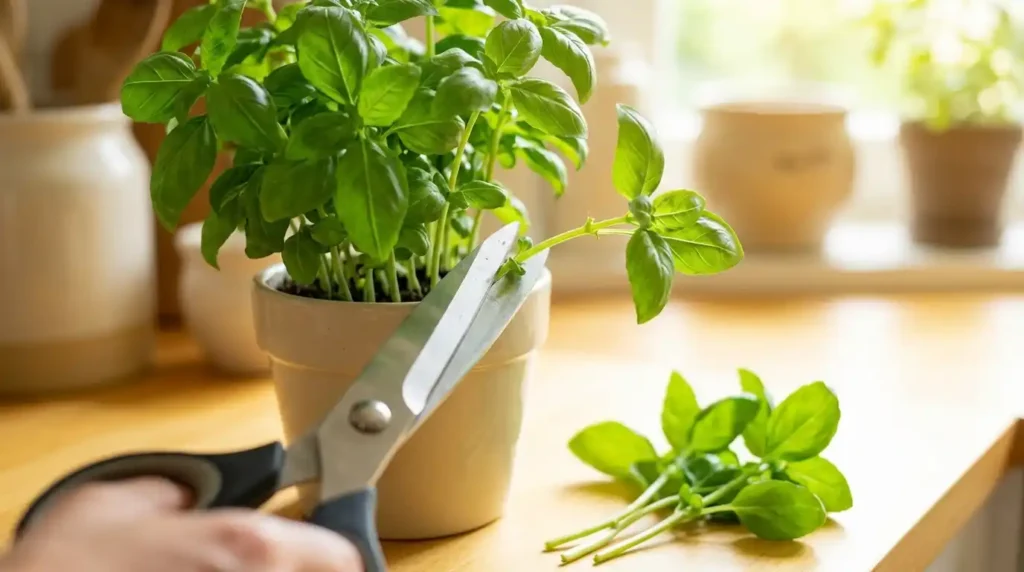
Growing herbs from cuttings often feels easier for beginners because mature stems develop roots much faster than seeds complete full germination processes.
Many culinary herbs including mint, rosemary, basil, oregano, and lemon balm respond exceptionally well when gardeners propagate healthy cuttings indoors carefully.
The process usually begins by trimming strong stems beneath healthy leaf sections before placing them inside clean water or lightweight moist soil.
Watching tiny roots slowly appear inside clear jars creates an enjoyable indoor gardening experience that feels encouraging and visually rewarding for new gardeners.
Cuttings also reduce waiting time significantly because mature stems continue developing quickly once roots establish successfully under proper indoor lighting conditions.
Beginners should replace propagation water regularly because stagnant water encourages bacterial growth that weakens developing roots and healthy stem growth quickly.
Gardeners wanting quicker indoor harvests often prefer cuttings because they provide visible progress while helping beginners gain confidence much sooner overall.
Choosing the Best Indoor Herbs Based on Your Lifestyle and Cooking Habits
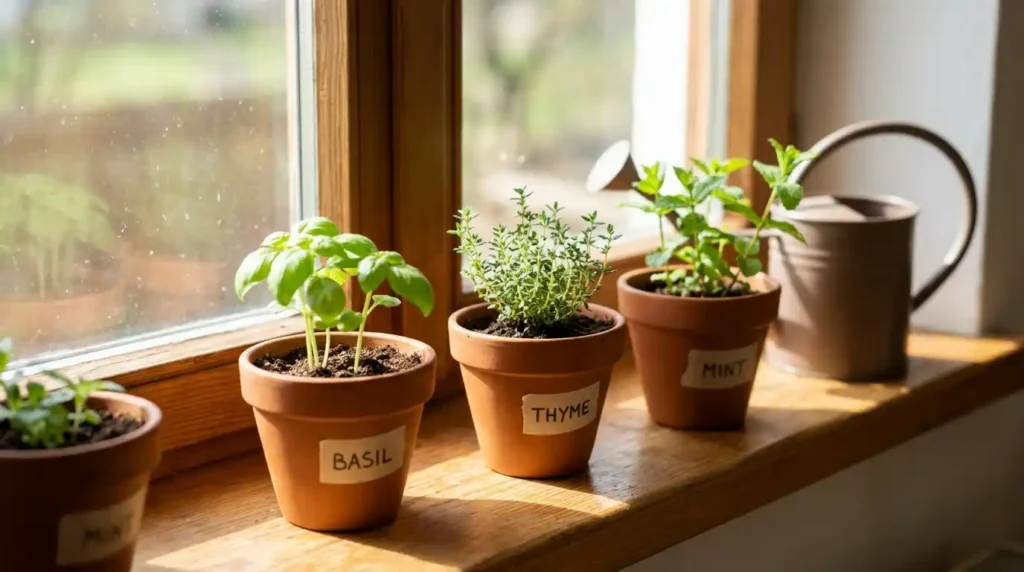
Choosing herbs matching your cooking habits creates a more enjoyable gardening experience because plants become useful parts of everyday meal preparation naturally.
Many beginners purchase difficult herbs impulsively before realizing certain varieties demand stronger sunlight, careful watering schedules, and advanced maintenance routines indoors.
Easy indoor herbs including basil, mint, parsley, thyme, cilantro, and chives usually adapt comfortably to beginner-friendly indoor gardening environments successfully.
People who prepare soups, salads, sauces, or herbal teas regularly should prioritize herbs they genuinely enjoy using throughout normal weekly cooking routines.
Mint grows vigorously indoors and suits refreshing drinks, while basil performs wonderfully beside sunny windows supporting pasta dishes and homemade sauces beautifully.
Thyme and oregano tolerate moderate indoor conditions reasonably well, making them practical choices for smaller apartments with limited direct sunlight exposure.
Selecting useful low maintenance indoor herbs encourages beginners to remain motivated because successful harvests feel rewarding and immediately practical during everyday cooking activities.
A Quick Indoor Garden Readiness Check Before Planting Anything
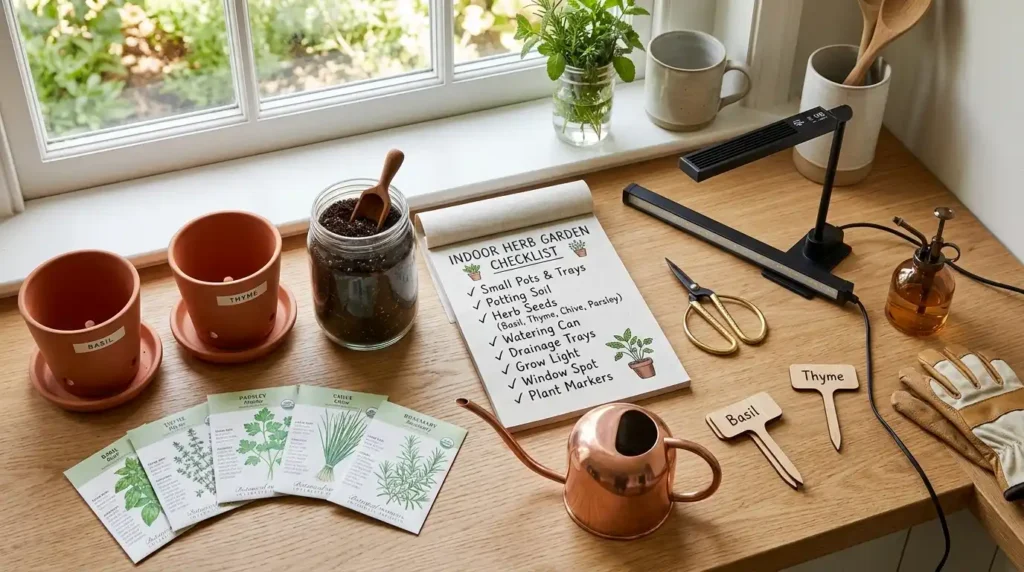
Before planting seeds or rooting cuttings, gardeners should examine their indoor environment carefully because preparation strongly influences long-term herb gardening success indoors.
Bright sunlight remains one of the most important requirements because most culinary herbs require several hours of strong daily lighting for healthy development.
Gardeners should also check whether nearby heating vents, air conditioners, or constantly opened windows create stressful temperature fluctuations around delicate herb plants.
Containers need proper drainage holes because trapped moisture frequently causes root damage, unpleasant odors, and fungal growth inside indoor gardening spaces.
Humidity levels also matter because extremely dry indoor air sometimes weakens herbs while slowing healthy root development and leaf production gradually.
Beginners benefit greatly from observing indoor conditions for several days before planting because preparation reduces avoidable mistakes and unnecessary gardening frustration later.
A thoughtful indoor garden setup creates healthier growing conditions while helping beginners enjoy stronger herbs and more consistent indoor gardening results overall.
Lighting Conditions Can Completely Change Indoor Herb Growing Success
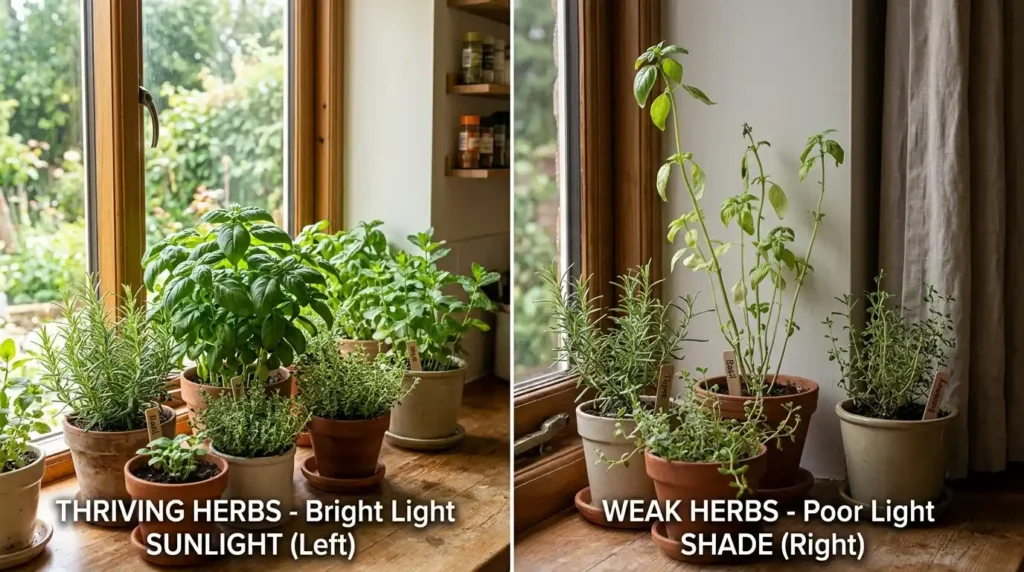
Lighting conditions directly affect herb growth because indoor plants rely heavily on consistent sunlight for strong stems, healthy leaves, and flavorful development.
Most culinary herbs need at least six hours of bright daily light, especially basil, rosemary, oregano, and thyme growing beside indoor windows.
South-facing windows usually provide stronger sunlight, although some apartments require supplemental grow lights during darker seasons or heavily shaded indoor conditions.
Weak lighting causes herbs to become leggy because plants stretch desperately toward available light while producing thinner stems and pale unhealthy leaves.
Gardeners should rotate containers regularly because plants naturally lean toward sunlight, creating uneven growth patterns when pots remain completely stationary indoors.
Grow lights designed specifically for indoor herbs can improve growth dramatically while helping gardeners maintain healthy plants throughout every season comfortably.
Strong lighting consistently produces fuller herbs, richer flavor development, and healthier indoor gardens that remain attractive much longer throughout the growing process.
Soil Quality and Container Choices Affect Root Health More Than Most Beginners Expect
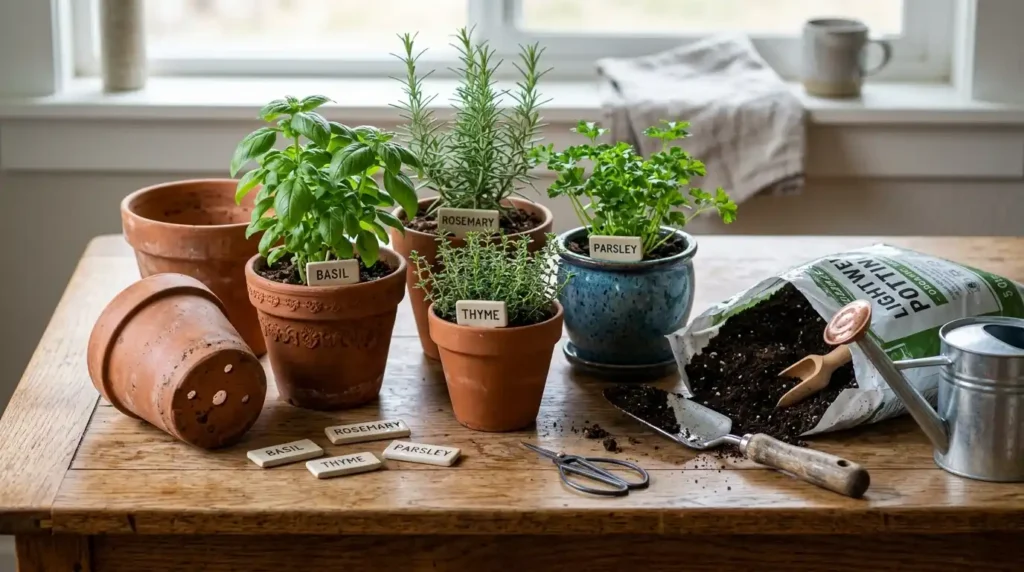
Many beginners underestimate how strongly soil quality and container selection influence healthy root development during indoor herb gardening projects successfully.
Lightweight potting mixes support indoor herbs much better than dense outdoor soil because roots receive improved airflow and balanced moisture retention naturally.
Heavy garden soil often becomes compacted indoors, preventing healthy drainage while increasing the likelihood of root stress and fungal development over time.
Containers should always include drainage holes because excess water trapped beneath roots quickly damages indoor herbs and weakens long-term plant growth significantly.
Beginners sometimes choose oversized containers unnecessarily, although smaller pots often help herbs maintain healthier moisture balance during early development stages.
Clay pots improve airflow around roots effectively, while plastic containers retain moisture longer and usually require less frequent watering throughout busy weeks.
Choosing appropriate containers and quality soil creates healthier root systems while helping herbs grow stronger, fuller, and more productive indoors consistently.
The Beginner-Friendly Seed Starting Process Step by Step
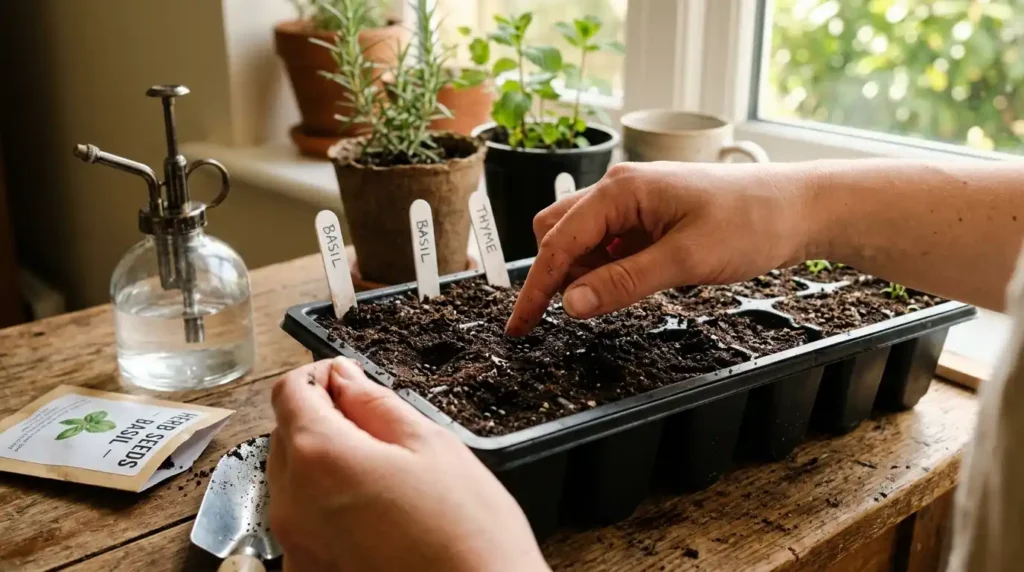
Starting herbs from seeds indoors becomes much easier when gardeners follow simple routines supporting moisture balance, warmth, airflow, and healthy germination carefully.
Most herb seeds grow best inside lightweight moist soil placed within shallow trays or small containers receiving bright indirect sunlight consistently every day.
Gardeners should avoid burying seeds too deeply because many herbs require gentle surface placement allowing light and warmth to support successful sprouting naturally.
Clear humidity covers sometimes help retain warmth and moisture, although gardeners should remove excessive condensation preventing mold development around young seedlings.
Different herbs germinate at different speeds, so beginners should remain patient instead of assuming seeds failed after only several days of waiting.
Once seedlings develop strong leaves, gardeners can transfer them into larger containers supporting continued root growth and healthier long-term indoor development successfully.
Careful watering remains extremely important because overwatering weakens delicate seedlings while dry soil quickly interrupts healthy germination progress indoors.
The Simple Cutting Propagation Process for Faster Indoor Results
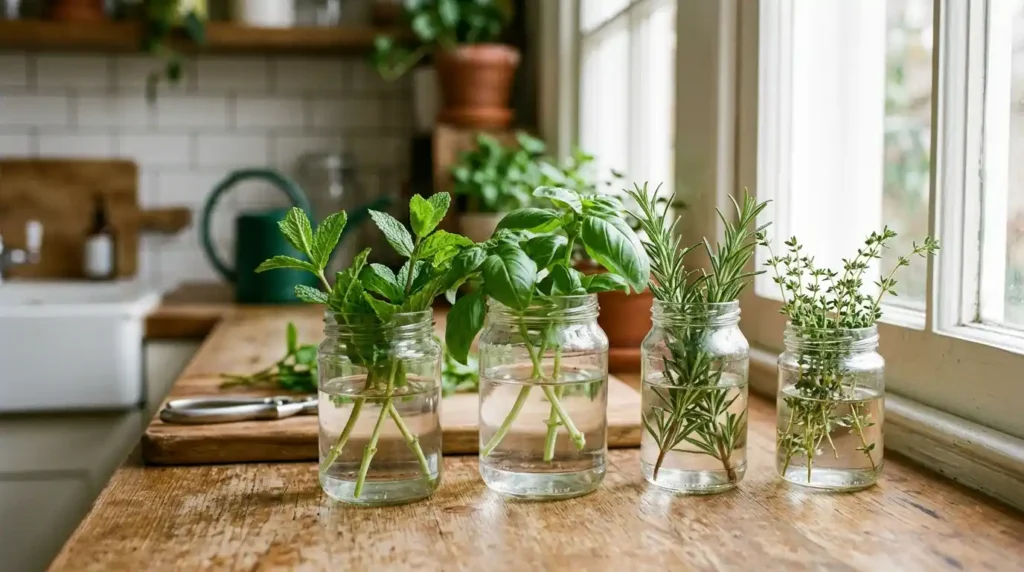
Propagating herbs from cuttings provides quicker visible results because mature stems already contain growth energy supporting rapid root development indoors successfully.
Gardeners should begin by selecting healthy stems without disease, yellow leaves, or damaged growth because strong cuttings establish more reliably afterward.
Sharp clean scissors help gardeners create smooth cuts beneath leaf nodes where new roots naturally develop much more effectively over time.
Removing lower leaves prevents unnecessary moisture problems while allowing submerged stem sections to focus completely on healthy root formation instead.
Many beginners enjoy water propagation because clear jars allow gardeners to observe developing roots while monitoring progress easily every single day indoors.
Others prefer moist soil propagation because roots adapt immediately to soil conditions without requiring additional transplant adjustments later during development.
Consistent warmth, bright indirect lighting, and regular water replacement help herb cuttings establish quickly while producing healthy indoor growth much sooner overall.
Common Indoor Herb Growing Mistakes That Quietly Damage Healthy Plants
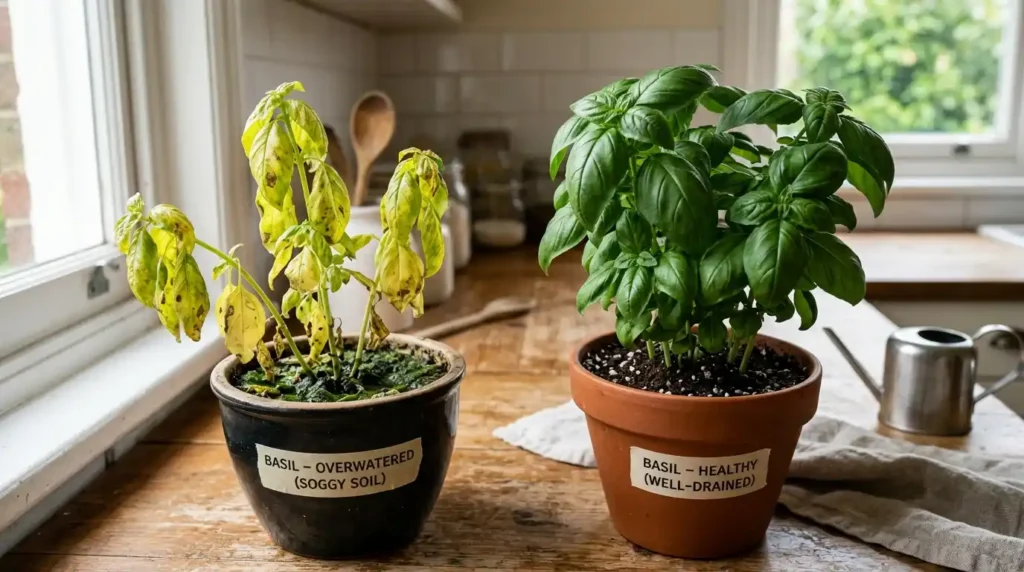
Many indoor herb problems develop gradually because beginners unknowingly repeat small mistakes affecting root health, lighting balance, and long-term plant stability indoors.
Overwatering remains one of the most common problems because constantly wet soil prevents healthy airflow while encouraging root damage and fungal growth quickly.
Poor lighting also weakens herbs significantly because insufficient sunlight limits healthy leaf production while forcing plants to stretch unnaturally toward available brightness.
Crowded containers create additional stress because herbs compete for nutrients, airflow, moisture, and growing space within already limited indoor environments.
Some gardeners water herbs inconsistently, allowing soil to alternate between extreme dryness and excessive moisture damaging delicate root systems gradually over time.
Beginners should observe plant behavior carefully because yellow leaves, drooping stems, or mold growth usually indicate environmental problems requiring immediate attention.
Simple consistent care routines usually produce healthier indoor herbs than complicated gardening techniques involving excessive watering, fertilizers, or unnecessary maintenance habits.
Signs Your Herbs Need Immediate Attention Before Growth Starts Declining
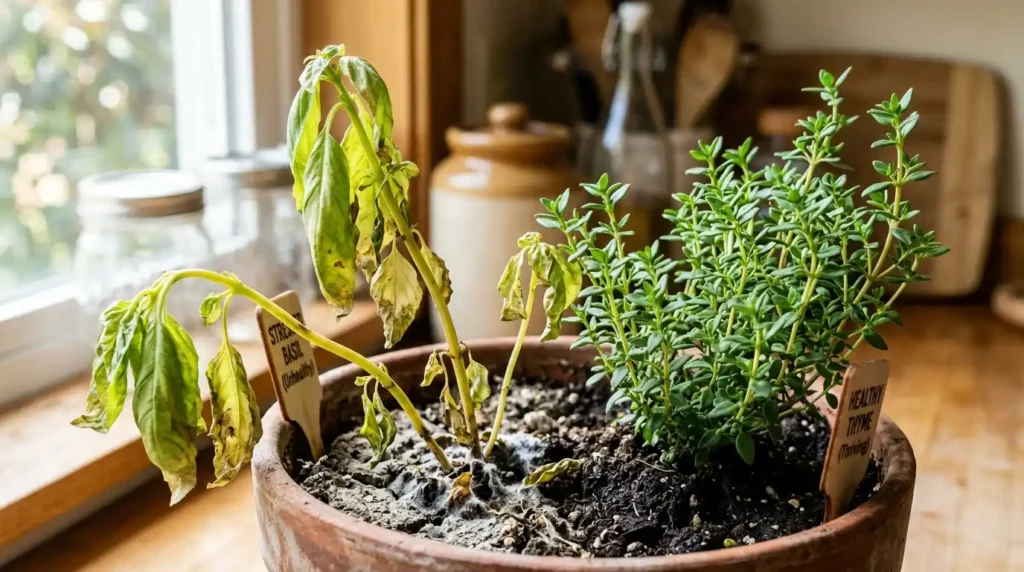
Healthy herbs communicate problems clearly when gardeners pay attention carefully to changes involving leaf color, stem strength, and overall plant appearance daily.
Yellow leaves frequently indicate excessive watering, although poor drainage and weak lighting conditions sometimes create similar unhealthy symptoms indoors as well.
Drooping stems often suggest watering imbalance because roots struggle when soil becomes excessively dry or constantly saturated for extended periods continuously.
Mold growth near soil surfaces usually appears when airflow remains poor while moisture levels stay unnecessarily high around indoor herb containers regularly.
Slow growth and pale leaves often reveal insufficient sunlight because herbs cannot produce strong healthy development without adequate daily brightness exposure indoors.
Gardeners should respond quickly by adjusting watering schedules, improving airflow, relocating containers, or trimming damaged growth before conditions worsen significantly afterward.
Early attention prevents small indoor herb problems from becoming serious plant health issues requiring complete replacement or extensive recovery efforts later.
Harvesting Indoor Herbs Properly Encourages Healthier Long-Term Growth
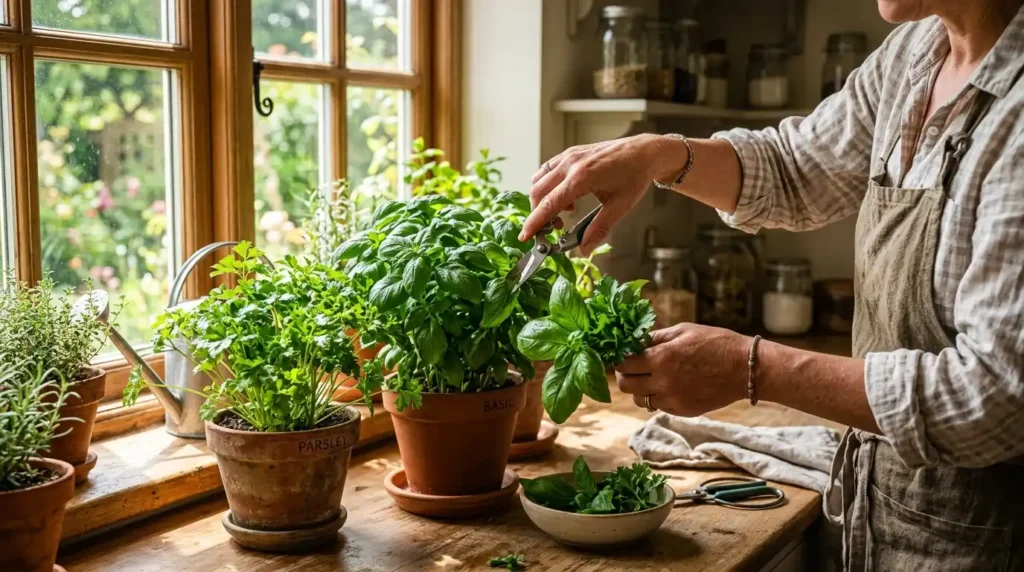
Proper harvesting techniques help herbs remain fuller, healthier, and more productive because careful trimming encourages continuous new growth throughout the growing season.
Many beginners hesitate to trim herbs initially, although regular harvesting actually improves plant shape while preventing weak overcrowded stem development indoors.
Gardeners should trim basil above leaf pairs because fresh side shoots develop quickly while creating bushier healthier plants afterward naturally.
Mint, parsley, cilantro, thyme, and oregano also benefit from consistent light harvesting supporting balanced growth and improved long-term indoor productivity successfully.
Using clean scissors prevents unnecessary plant stress while reducing the likelihood of disease spreading between indoor herb containers accidentally during trimming sessions.
Gardeners should avoid removing excessive growth simultaneously because herbs still require healthy leaves supporting energy production and continued root strength consistently.
Careful indoor herb harvesting creates stronger plants while providing flavorful ingredients supporting soups, salads, sauces, teas, and numerous homemade recipes beautifully.
Which Method Wins for Beginners: Seeds or Cuttings?
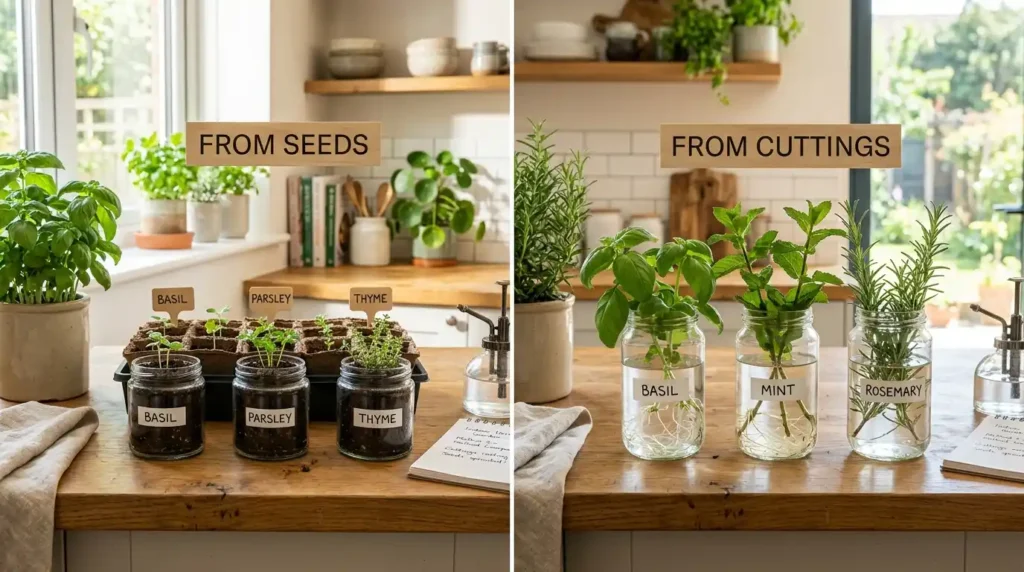
Choosing between seeds and cuttings depends largely on personal gardening preferences because both methods offer valuable advantages for indoor herb gardening beginners.
Seeds usually work wonderfully for patient gardeners wanting affordable access to numerous herb varieties while enjoying complete plant growth experiences naturally.
Growing herbs from seeds indoors also helps gardeners develop stronger long-term gardening skills because they manage every growth stage personally from beginning onward.
Cuttings often suit beginners wanting faster results because mature stems establish quickly while producing harvestable herbs much sooner than seedlings typically would.
Gardeners with limited patience sometimes feel discouraged waiting for slow germination, making cuttings a more motivating option during early gardening experiences indoors.
Many experienced gardeners eventually combine both methods because seeds provide variety while cuttings deliver quicker reliable indoor harvests throughout the year successfully.
Understanding how to start growing herbs indoors from seeds vs. cuttings helps beginners choose methods matching their lifestyle, confidence, and available indoor conditions.
A Small Indoor Herb Garden Can Easily Become a Relaxing Daily Habit
Indoor herb gardening offers much more than fresh ingredients because daily plant care routines often create calming moments within otherwise busy stressful schedules.
Many gardeners begin checking herbs briefly each morning before gradually developing enjoyable routines involving watering, trimming, and observing healthy new growth indoors.
Watching herbs respond positively to proper care creates rewarding feelings because visible progress reminds gardeners their efforts produce meaningful everyday results consistently.
Fresh herbs also encourage healthier cooking habits because flavorful ingredients remain available conveniently without requiring extra grocery shopping trips during busy weeks.
Children and family members frequently become interested in indoor gardening after observing herbs grow successfully beside kitchen windows or dining areas naturally.
Even small indoor herb gardens create welcoming environments filled with greenery, fragrance, and peaceful daily interactions supporting healthier home atmospheres beautifully.
Over time, simple indoor gardening habits often become enjoyable personal rituals helping people feel more connected with food, nature, and mindful living practices.
Final Wrap-Up
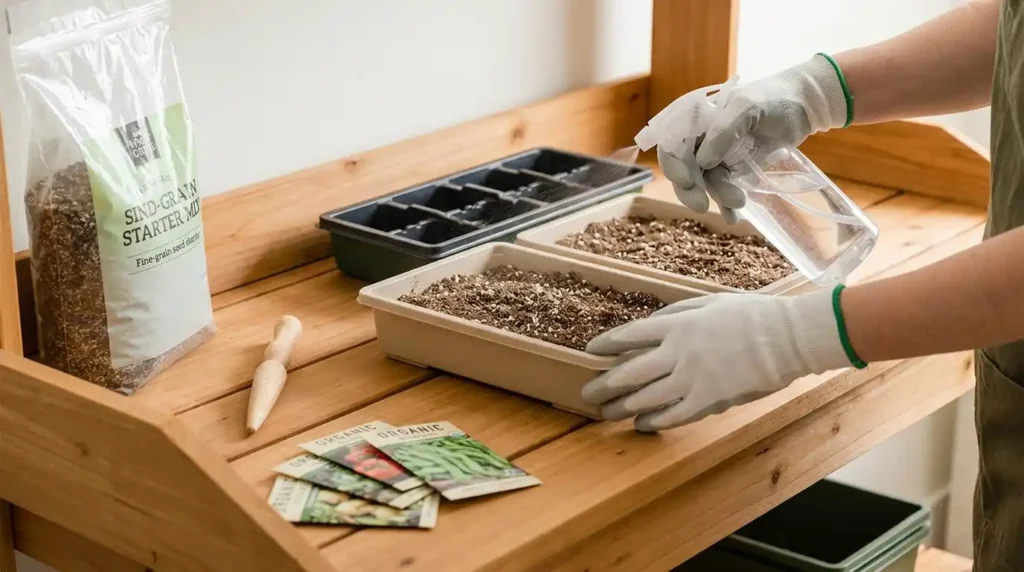
Learning how to start growing herbs indoors from seeds vs. cuttings becomes much easier once beginners understand the strengths and challenges connected with each method.
Seeds provide affordable variety and rewarding long-term growth experiences, although successful germination requires patience, consistency, and careful environmental management indoors.
Cuttings usually deliver faster visible progress while helping beginners enjoy encouraging indoor harvests without waiting through lengthy germination periods initially.
Both methods succeed beautifully when gardeners provide healthy lighting, balanced watering, proper containers, and steady daily attention supporting strong herb development indoors.
Beginners should start with only several easy herbs because smaller indoor gardens remain easier to monitor while building gardening confidence gradually over time.
Indoor herb gardening does not require expensive equipment because simple consistent care usually creates healthier plants than complicated gardening routines unnecessarily.
Most importantly, gardeners should enjoy the process because every successful herb harvest reflects patience, observation, learning, and meaningful everyday care naturally.


