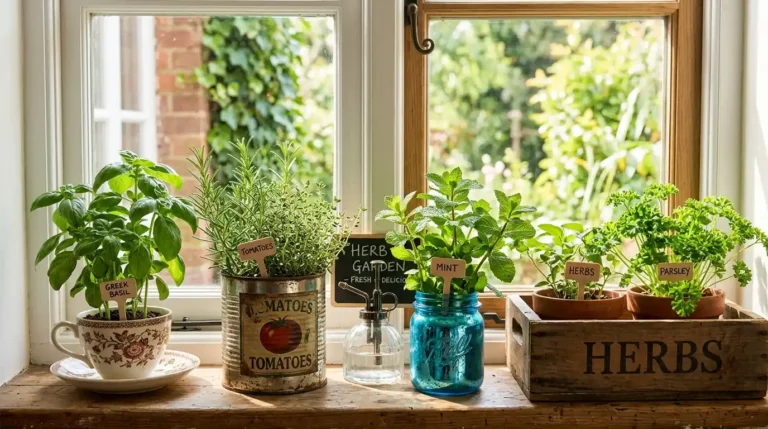

How to Build a DIY Herb Planter with Proper Drainage

Growing fresh herbs at home is one of the most rewarding things a gardener can do. Building a DIY herb planter with proper drainage is easier than most people think.
Basil, mint, rosemary, thyme, and cilantro taste infinitely better when grown fresh and picked straight from your own planter. You do not need advanced carpentry skills or expensive tools to get started.
A few basic materials, a clear plan, and a free afternoon are all it takes to build a beautiful, functional herb planter that lasts for years.
Proper drainage is the single most important factor in any herb planter build. Without it, roots sit in waterlogged soil, herbs develop root rot, and plants die within weeks.
Getting drainage right from the very beginning saves your herbs and saves you from frustrating replanting cycles.
Materials You Need to Build a DIY Herb Planter
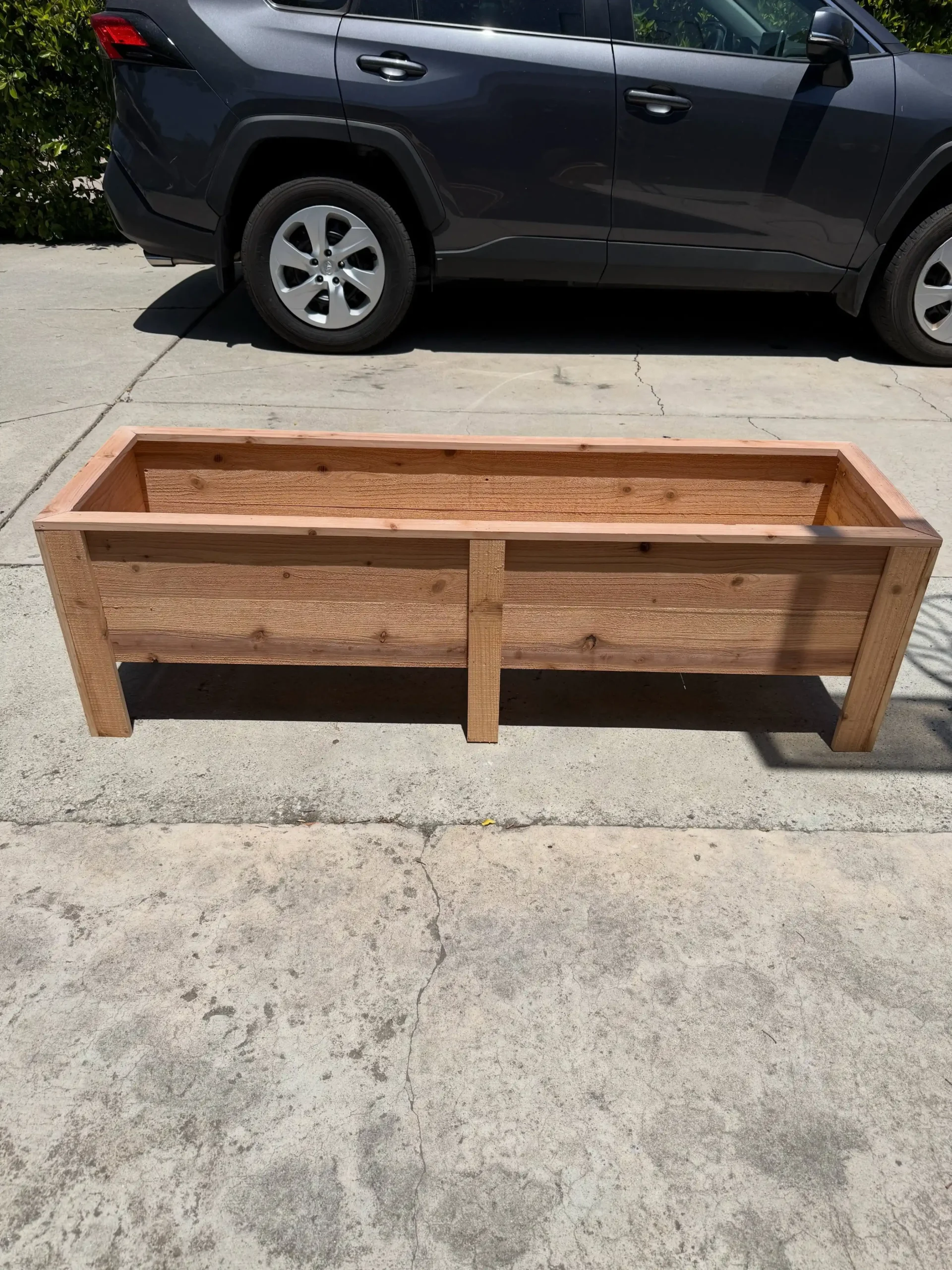
Gathering the right materials before starting makes the entire build process smooth and efficient.
Here is everything you need for a basic wooden herb planter with proper drainage:
- Untreated cedar or pine wood boards (cedar resists moisture and rot naturally)
- Wood screws (exterior grade, rust resistant)
- Drill and drill bits
- Sandpaper (medium and fine grit)
- Landscape fabric or burlap lining
- Staple gun and staples
- Gravel or small stones (for drainage layer)
- High quality potting mix (not garden soil)
- Herb seedlings or seeds of your choice
- Waterproof wood sealant (optional but recommended)
- Measuring tape and pencil
- Hand saw or circular saw
Cedar is the best wood choice for an outdoor herb planter because it naturally repels moisture, insects, and rot without any chemical treatment.
Pine works well for indoor planters but needs proper sealing before outdoor use.
How to Build a DIY Herb Planter Box Step by Step
Follow these simple steps to build a sturdy, well draining herb planter from scratch.
Step 1: Measure and Cut Your Wood
Decide on the size of your planter first. A good beginner size is 36 inches long, 10 inches wide, and 8 inches deep.
This size comfortably fits four to six different herb varieties side by side with enough root space for healthy growth.
Mark your measurements clearly on each wood board with a pencil. Cut two long side boards, two short end boards, and one bottom board using your saw.
Sand all cut edges smooth before assembling to prevent splinters and give the planter a clean, finished look.
Step 2: Drill Drainage Holes in the Bottom Board
Proper drainage starts at the bottom of your planter. Drill at least six to eight evenly spaced holes across the entire bottom board using a half inch drill bit.
Space holes approximately four to five inches apart so water drains freely from every section of the planter.
Drainage holes are non negotiable for healthy herb growth. Herbs need moist soil but they cannot tolerate standing water around their roots for any extended period.
Good drainage keeps roots oxygenated and prevents the fungal diseases that kill most container grown herbs.
Step 3: Assemble the Planter Box
Stand the two short end boards upright and attach the long side boards to them using exterior grade wood screws.
Pre drill screw holes to prevent the wood from splitting during assembly.
Attach the bottom board last, screwing it firmly into the bottom edges of all four side boards.
Check that every corner sits square and every joint feels tight and secure.
A well assembled planter holds its shape through multiple growing seasons and handles the weight of moist soil without bowing or cracking at the joints.
Step 4: Sand and Seal the Planter
Sand the entire assembled planter with medium grit sandpaper first and then finish with fine grit for a smooth surface.
Apply a coat of waterproof wood sealant to all exterior surfaces to protect the wood from rain, moisture, and sun damage.
Allow the sealant to dry completely for at least 24 hours before adding soil or plants.
Never apply sealant to the interior of the planter as chemicals can leach into the soil and affect your herbs. Natural untreated cedar needs no interior sealant at all.
How to Add Proper Drainage Layers to Your Herb Planter
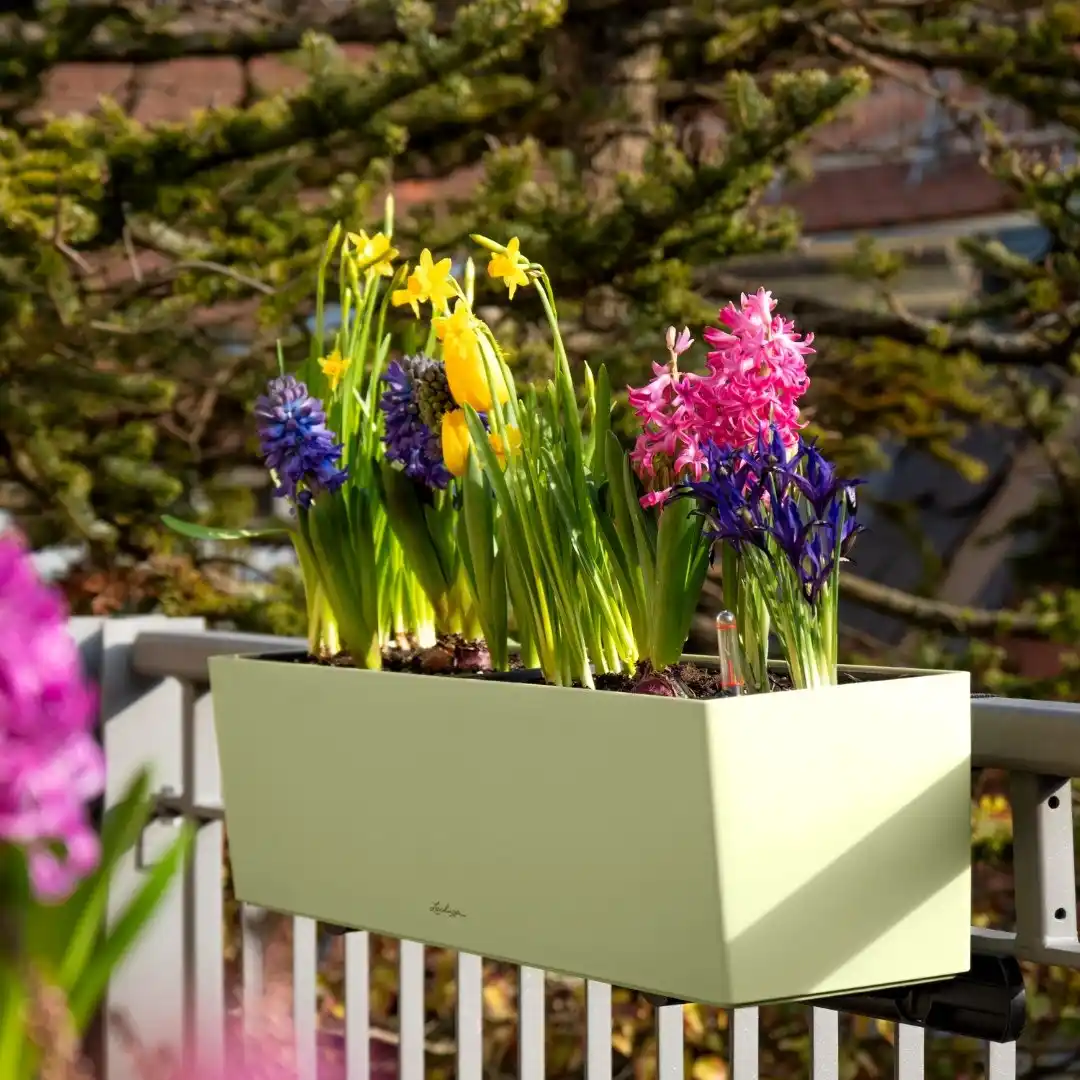
Drainage inside a DIY herb planter works in layers, and each layer plays a specific role in keeping your herbs healthy and thriving.
Layer 1: Landscape Fabric Lining
Cut a piece of landscape fabric or burlap to fit the interior of your planter. Staple it firmly along all four interior sides using a staple gun.
This fabric layer prevents soil from washing out through the drainage holes while still allowing water to pass through freely.
Layer 2: Gravel or Small Stones
Pour a one to two inch layer of gravel or small stones across the entire bottom of the lined planter.
This gravel layer creates an air gap between the soil and the drainage holes, allowing excess water to move downward and escape quickly rather than pooling around herb roots.
Layer 3: High Quality Potting Mix
Fill the remaining space with a high quality potting mix designed for container gardening.
Never use garden soil in a planter box because it compacts too densely, blocks drainage, and suffocates herb roots over time.
A good potting mix stays loose, drains well, and provides the light, aerated environment herbs need to thrive.
Best Herbs to Grow in a DIY Planter with Proper Drainage
Choosing the right herbs for your new planter makes a significant difference in your gardening success.
Some herbs thrive together while others compete for space and nutrients.
Best companion herbs for one planter:
- Basil and parsley grow beautifully together and need similar moisture levels
- Rosemary, thyme, and oregano all prefer drier conditions and pair naturally
- Mint grows aggressively and does best in its own separate container
- Cilantro and chives make excellent companions in a shared planter box
Plant taller herbs like rosemary at the center back of your planter and shorter, spreading herbs toward the front edges.
This arrangement gives every plant adequate sunlight and air circulation while keeping the planter looking full and visually balanced.
DIY Herb Planter Placement and Sunlight Tips
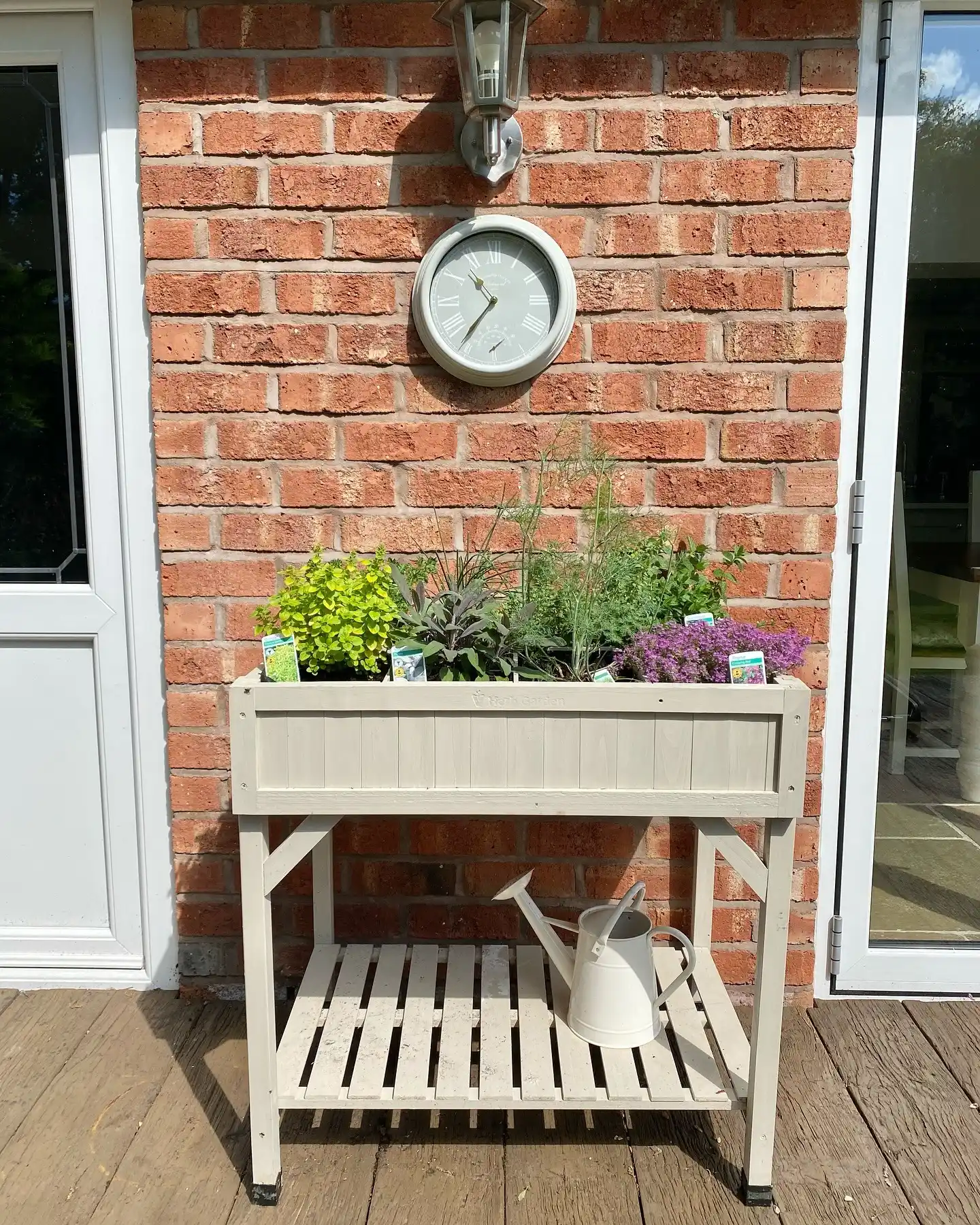
Placing your finished herb planter in the right location determines how well your herbs grow.
Most culinary herbs need a minimum of six hours of direct sunlight daily to produce the flavorful leaves home cooks love.
South or east facing windowsills, balconies, patios, and kitchen counters near bright windows are all excellent placement options.
Rotate your planter a quarter turn every few days if growing indoors so all sides of each plant receive equal light exposure.
Uneven light causes herbs to grow lopsided and weakens overall plant health over time.
How to Maintain Your DIY Herb Planter Long Term
Building a great planter is only the beginning. Consistent maintenance keeps herbs productive, healthy, and harvest ready throughout the entire growing season.
Water herbs deeply but infrequently, allowing the top inch of soil to dry out between each watering session.
Overwatering is the most common mistake herb gardeners make, and proper drainage only helps if you avoid flooding the planter repeatedly.
Feed herbs with a diluted liquid fertilizer every two to three weeks during active growing months to keep plants lush and productive.
Harvest herbs regularly by pinching stems just above a leaf node.
Regular harvesting encourages bushier, fuller growth and prevents herbs from bolting and going to seed too quickly.
A well maintained DIY herb planter with proper drainage produces fresh, flavorful herbs for your kitchen every single day.