

Autumn Magic: Apple Butter Recipe That Slaps

The first bite is the best bite. Apple butter caramelizes on the stove until it’s dark, glossy, and basically autumn in a jar.
You’ll sniff the kitchen, and suddenly the day feels like a cozy hoodie and a warm mug. Ready for a spread that slaps but in a sweet, mellow way? Let’s go.
Apple Butter Recipe
Ingredients
- 4 pounds apples about 8 medium, peeled, cored, and chopped
- 1 cup apple cider or water
- 1/2 cup sugar adjust to taste
- 1 –2 teaspoons ground cinnamon
- 1/4 teaspoon ground cloves or allspice optional
- 1 tablespoon lemon juice
- A pinch of salt
Instructions
- Combine apples, cider (or water), and lemon juice in a heavy pot. Bring to a simmer, then reduce heat to a gentle bubble. Cover and cook, stirring occasionally, until the apples are completely soft (20–30 minutes).
- Mash the apples with a potato masher or blend briefly for a smoother texture. If you like it chunky, keep some texture; if you prefer velvet smooth, go for a quick puree.
- Stir in sugar, cinnamon, cloves (if using), and a pinch of salt. Simmer uncovered, stirring often to prevent sticking, until the mixture thickens to a jammy, spoonable consistency (about 30–40 minutes).
- Skim off any foam, then test the texture on a chilled plate. If it runs slowly, you’re in the right zone. If it’s still too watery, cook a bit longer and stir more frequently.
- Remove from heat and cool slightly. Transfer to clean jars or a container. Refrigerate up to 2–3 weeks or process in a water bath for longer shelf life.
Why This Recipe is Awesome
Apple butter is the kitchen equivalent of a hug you can spread on toast.
It’s easy, forgiving, and smells like caramel-apple paradise simmering away.
It’s idiot-proof, even I didn’t mess it up. You get a rich, tangy-sweet spread with minimal fuss and maximum flavor.
Plus, it makes you look fancy without requiring a culinary degree or a hazmat suit for the sugar.
Ingredients You’ll Need
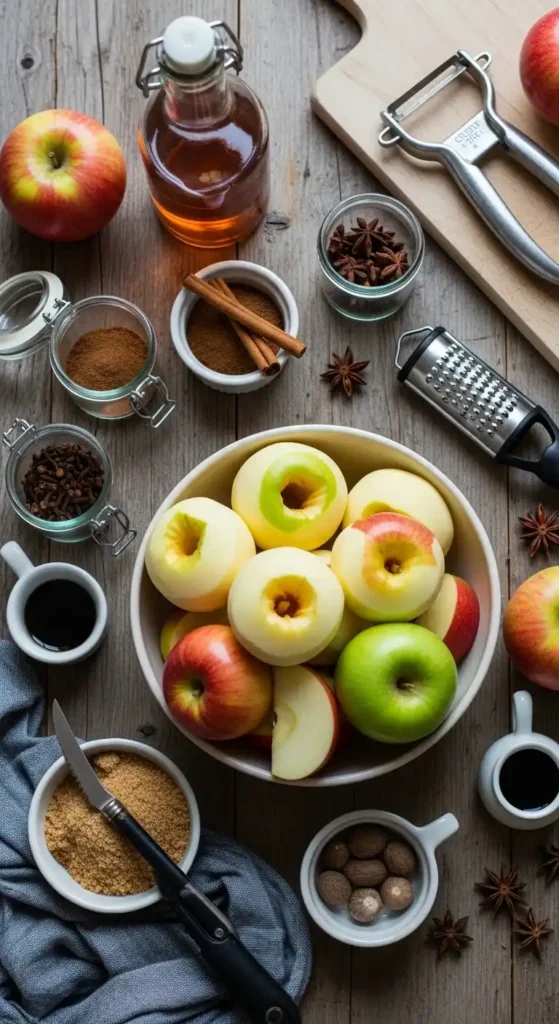
- 4 pounds apples (about 8 medium), peeled, cored, and chopped
- 1 cup apple cider or water
- 1/2 cup sugar (adjust to taste)
- 1–2 teaspoons ground cinnamon
- 1/4 teaspoon ground cloves or allspice (optional)
- 1 tablespoon lemon juice
- A pinch of salt
Step-by-Step Instructions
- Combine apples, cider (or water), and lemon juice in a heavy pot. Bring to a simmer, then reduce heat to a gentle bubble. Cover and cook, stirring occasionally, until the apples are completely soft (20–30 minutes).
- Mash the apples with a potato masher or blend briefly for a smoother texture. If you like it chunky, keep some texture; if you prefer velvet smooth, go for a quick puree.
- Stir in sugar, cinnamon, cloves (if using), and a pinch of salt. Simmer uncovered, stirring often to prevent sticking, until the mixture thickens to a jammy, spoonable consistency (about 30–40 minutes).
- Skim off any foam, then test the texture on a chilled plate. If it runs slowly, you’re in the right zone. If it’s still too watery, cook a bit longer and stir more frequently.
- Remove from heat and cool slightly. Transfer to clean jars or a container. Refrigerate up to 2–3 weeks or process in a water bath for longer shelf life.
How to Serve
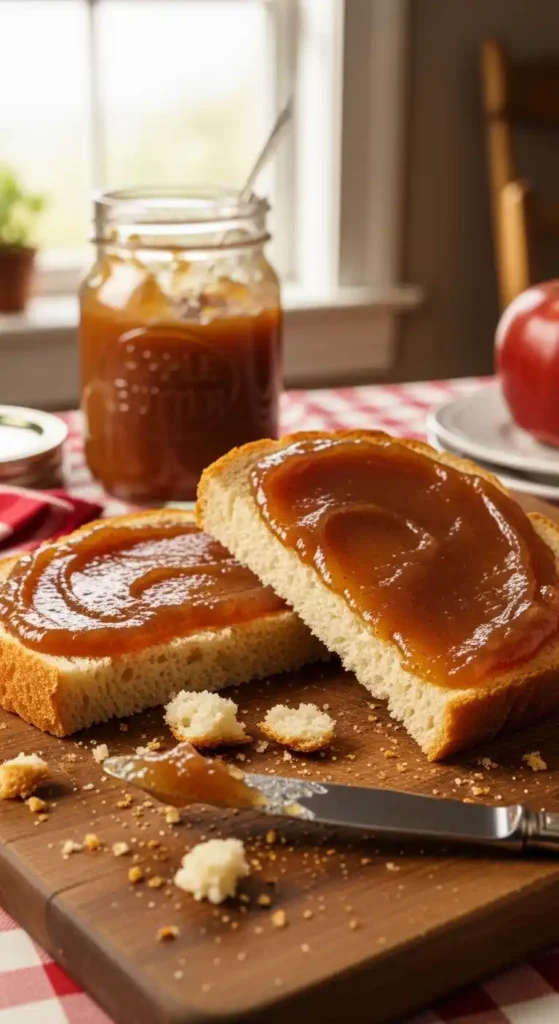
Piled onto warm toast, it’s a swoon-worthy breakfast. Dollop on yogurt or oatmeal for a flavor upgrade you’ll actually look forward to.
Swirl into peanut butter for a sweet-savory hit, or use as a glaze for roasted carrots and chicken (yes, it works).
For a cozy dessert, spoon over vanilla ice cream or cheesecake. Pro tip: a little jar goes a long way, so keep extras for gifts or late-night snacking.
Approximate Nutrition Facts per Serving
Per serving (approximate, because we live in reality):
- Calories: 60–90
- Carbohydrates: 15–22 g
- Protein: 0–1 g
- Fat: 0–1 g
- Fiber: 1–2 g
- Sugars: 12–20 g
Note: Values vary with sweetness and apple variety. It’s a fruit spread, not a power bar.
Common Mistakes
- Skipping the lemon juice—because a little acid keeps the flavor bright and the color appealing.
- Piling in too much sugar at once. Start small and taste as you go; you’ll thank yourself later.
- Cooking with a lid on the whole time—this traps steam and makes the mix pale and watery. Leave it uncovered so it can thicken.
- Trying to rush the reduction. Rushing turns this into a bland, syrupy mess; patience pays off.
- Not pre-slicing apples evenly. If you’ve got a mix of soft and firm apples, the texture can end up inconsistent.
Alternatives or Substitutions
- Use half apples and half pears for a pear-apple twist—delicious and a little different.
- Maple syrup instead of sugar for a deeper, caramel-y note (keep an eye on sweetness).
- Try a pinch of nutmeg or allspice for a warmer spice profile.
- Skip lemon juice if you’re out; just taste and adjust with a splash of cider to keep brightness.
- Make it spicy: add a pinch of cayenne or ginger for a subtle kick (start with 1/8 tsp).
Conclusion
Apple butter is the friend who sticks around long after the party ends—comforting, versatile, and surprisingly easy.
It’s the kind of recipe that makes you feel like you’ve got it together without actually trying too hard.
Grab a jar, share a little sunshine, and enjoy the glow of a kitchen well done.
FAQ
Can I use a slow cooker instead of a pot on the stove?
Yes. Cook on low for 6–8 hours, then blend and simmer a little to thicken. It’s hands-off and still delicious.
How long does apple butter last?
In the fridge, about 2–3 weeks. If you process jars in a water bath, it can last several months on the shelf. Always label with date.
Can I skip sugar entirely?
You can, but the sugar helps with preservation and flavor balance. Start with a small amount and taste as you go; you might still need some sweetness.
What apples are best?
Granny Smiths for tart brightness, or Fuji/Ginger Gold for sweeter notes. A mix often gives the best of both worlds.
Is it okay to freeze apple butter?
Yes. Freeze in airtight containers for up to 3 months. Thaw slowly in the fridge or at room temperature and give it a stir before serving.


