

All Clad Vs Viking: Clash of Cookware Titans

From kitchenware to kitchen debates, all clad vs viking is the clash that fires up any cookware nerd.
Spoiler: it’s not just about price or branding. It’s about what makes your pasta pretend to be al dente and why your skillet behaves like a trusted sidekick.
Let’s dive in and sort out the shine from the shine-in-a-box.
What these brands actually bring to the pan
You’ve seen the flashy ads and the glossy Instagram reels, but what really matters is how a pan performs when the heat is on. All-Clad and Viking both aim for durable, reliable cookware, but they walk different paths to get there.
– All-Clad is renowned for its bonded construction. Most of their pride comes from a stainless steel core sandwiched between aluminum layers for even heat.
– Viking leans into chef-grade durability with heavy-gauge stainless and practical design. They often emphasize professional-grade performance in home kitchens.
Ever grabbed a pan and felt it had a personality? All-Clad tends to feel like a dependable workhorse. Viking can feel a bit more “industrial-chic”—solid, weighty, and ready to tackle a long service life.
Bonding vs. brute force: how the layers work
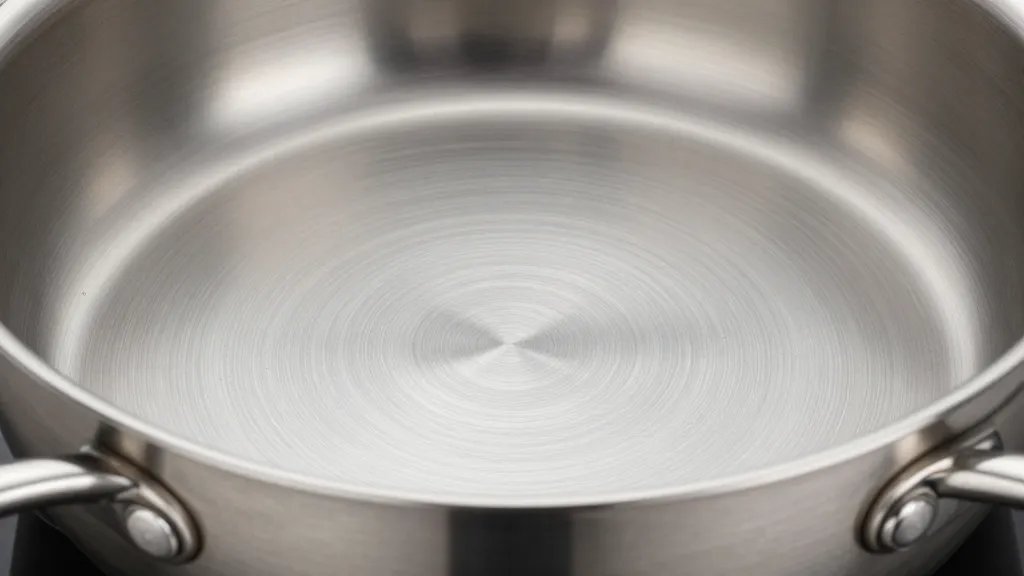
If you’re into the nitty-gritty, this is where the magic happens. It’s not just about making food taste better; it’s about making heat behave.
– All-Clad typically uses a multi-ply bonded construction, with aluminum or copper cores sandwiched between stainless layers. This gives you quick heating and steady heat distribution.
– Viking often uses heavy-gauge stainless with solid layering, sometimes with encapsulated bottoms designed to spread heat, but not always with as many layers as the big-name multi-ply brands.
Why it matters: even heat is your best friend for sauces, delicate fish, and caramelizing onions without scorching. A bonded pan helps you avoid hot spots and swooping, uneven cooking.
Performance in the kitchen: everyday use vs. fancy tricks
Let’s talk real cooking, not showroom vibes.
– All-Clad shines for consistency. If you’re obsessed with searing steaks, making pan sauces, or doing a deglazing victory lap, their heat control feels predictable.
– Viking cooks like a big, sturdy blade—impressive when you’re doing heavy-duty tasks, boiling large pots, or cranking up the flame. They’re built to withstand the kind of kitchen tempo that would make a lesser pan cry.
Question to ask yourself: are you a “set it and forget it” home chef, or a “bring the chaos and make it work” kind of cook? Your answer helps you tilt toward stainless reliability or rugged versatility.
Maintenance, care, and longevity: common sense vs. drama
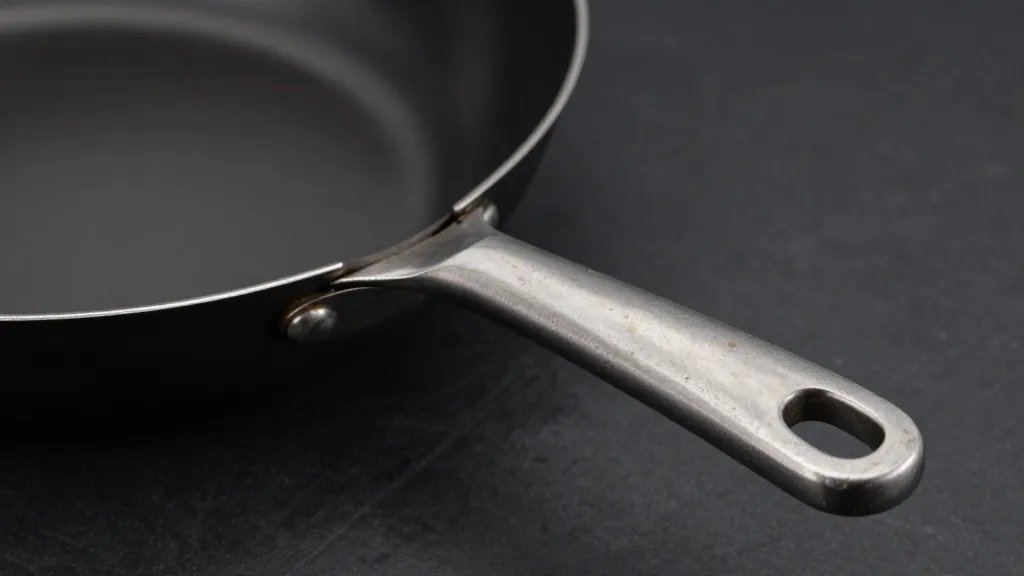
This is where a lot of ownership fights get decided.
– All-Clad requires a little maintenance love. Hand wash or gentle dishwasher, dry promptly, and re-season if you’ve got a nonstick layer or copper core. The payoff: durability that often outlives you.
– Viking is built to endure the kitchen grind, but you’ll still want to respect oven use temperatures and avoid harsh abrasives. They prize straightforward care, with less need for obsessive rituals.
FYI: both brands reward you for keeping heat steady and avoiding acid-wash experiments with the pan’s surface. If you’re a pan fanatic, you’ll appreciate the “they’ll last forever if you treat them right” vibe.
Design, ergonomics, and the little things that matter
The user experience matters as much as the tech.
– All-Clad often features slim profiles and ergonomic handles that feel balanced in the hand. They’re designed for precise control during immediate transitions from stove to oven.
– Viking tends to emphasize heft and durability, with robust handles and sturdy lids. The upside is you feel like you could move a small appliance with these pats on the back.
Do you prefer a sleek, almost surgical pan or a chunky, confident tool that feels built to handle a crowd? The answer affects which one makes your kitchen feel like it’s ready for primetime.
Price, value, and the long game
Let’s talk dollars and sense.
– All-Clad is often pricey, but the price reflects their bonding tech, resale value, and brand prestige. You’ll pay more up front, but you’re buying decades of service if you take care of it.
– Viking sits at a similar premium tier, leaning into the chef-grade vibe with durable construction and strong warranties. Sometimes you’ll pay a tad less or more depending on line and set.
IMO, if you cook a lot and value stable performance and a nicer resale, both brands are worth it. If you’re shopping on a strict budget, you may want to catch a good sale or consider alternatives, but you’ll feel the difference when you upgrade later.
Which one should you pick? A quick decision guide
If you want the short version without the drama:
– Pick All-Clad if you crave ultra-even heating, quick response times, and a bonded construction that’s been proven across thousands of kitchens. It’s a safe bet for precision cooking and long-term value.
– Pick Viking if you want heavy-duty construction, a robust, pro-ready feel, and a pan that looks and feels like it means business. It’s their strength: durability that handles big cooks and big pots.
Remember, the best pan depends on how you cook, not just how cool it looks in a showroom. FYI: try to handle both kinds if you can, then go with the one that feels like an extension of your hand.
Deep dive: different lines, different vibes
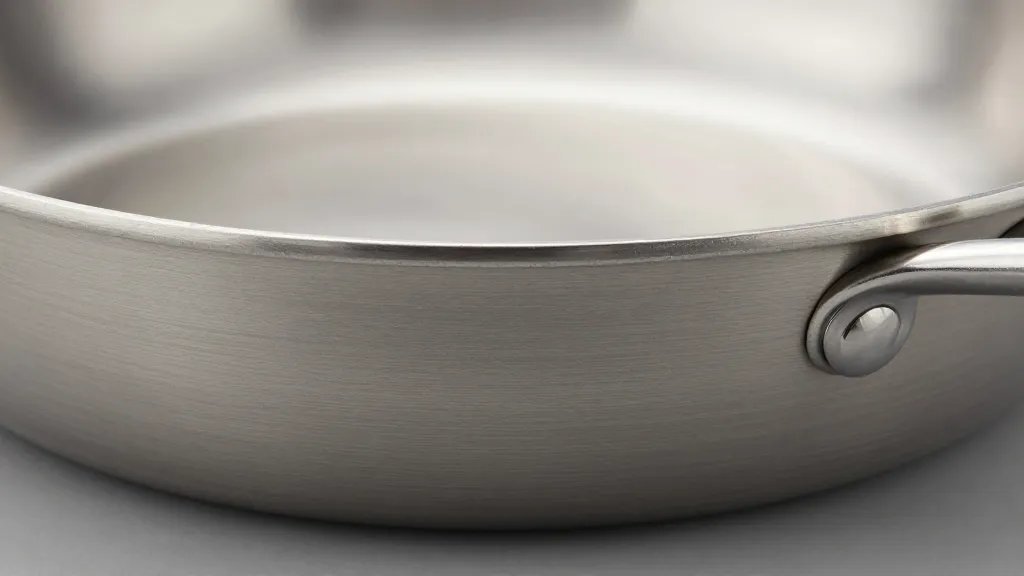
All-Clad staple lines
– D3 and D5: classic bonded aluminum cores with stainless layers. Great all-around performers with reliable heat.
– Copper Core: adds copper for faster response and superb heat distribution. Higher maintenance, brainy performance.
– Stainless Steel sets: versatile, dishwasher-friendly, and a good upgrade path for new chefs.
Viking families you’ll hear about
– Viking Professional: the go-to for heavy-use kitchens, with thick metal and powerful lids. Built to last through nonstop service.
– Viking Renaissance: a blend of performance and style, designed to appeal to serious home cooks who want premium looks with solid tech.
– Viking Gourmet: mid-range entry with strong construction that still feels premium.
Conclusion: the take-home message
All-Clad and Viking both bring serious swagger to the stove. All-Clad’s strength lies in its refined bonding tech and predictable performance, ideal for cooks who want precision and long-term value.
Viking goes for rugged durability and a pro-grade vibe, perfect for those who treat their kitchen like a workshop.
If you’re picking between them, test drive both. Feel the weight, listen to the clink of the handle, imagine your weekly rotation.
The right pan isn’t the flashiest one—it’s the one that makes your cooking feel effortless, even on a Tuesday night.
FAQ
Are All-Clad and Viking made in the same country?
All-Clad is known for American craftsmanship, with manufacturing roots in the United States and across its bonded cores.
Viking has roots in professional-grade cookware with strong manufacturing presence as well.
Both brands have global supply chains, so you’ll see shared materials and finishes in some lines, but they each bring their own country-of-origin pride to the table.
Do these pans require special cleaning?
Most pans from both brands clean up easily with warm water and mild soap. Avoid harsh abrasives on any gleaming surface. For bonded or copper-core pans, you may want to follow manufacturer guidance to preserve the finish and performance.
Is there a big difference in oven safety?
Both brands offer oven-safe options, but temperatures and exact limits vary by line. Always check the user manual for your specific piece. If you’re using a pan in the oven often, verify its max temp and ensure handles and lids are rated accordingly.
Which is better for beginners?
If you’re new to serious cookware, All-Clad’s line breadth and clear performance cues make it a friendly starter. Viking’s heft and pro vibe are appealing, but beginners may lean toward All-Clad for its balance of consistency and maintenance ease.
Will these pans last for generations?
With proper care, both brands can last a long time. The key is avoiding harsh treatment, heating evenly, and following cleaning guidelines. A well-loved pan from either brand can become a family heirloom—plus, you’ll have stories to tell at family dinners.


