
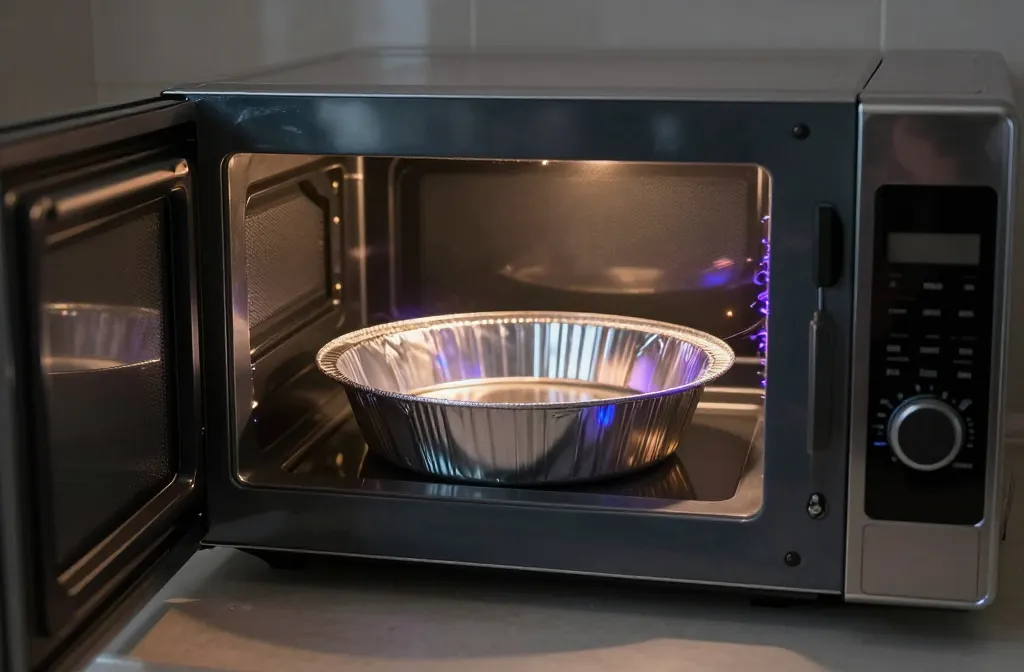
Microwave Safety Guide: Using Aluminum Pans Without Disaster

Microwave safety guide for using aluminum pans without disaster: learn whether aluminum foil and containers are safe in the microwave, how to prevent sparks or fire, and the best alternatives for safe, efficient food reheating.
But red flags fly fast: sparks, smoke, and a microwave turning into a mini volcano.
Let’s clear up the myths and get you to the point where you can decide what to do with that shiny pan without burning the house down.
Can you put an aluminum pan in the microwave? Yes—but with caveats
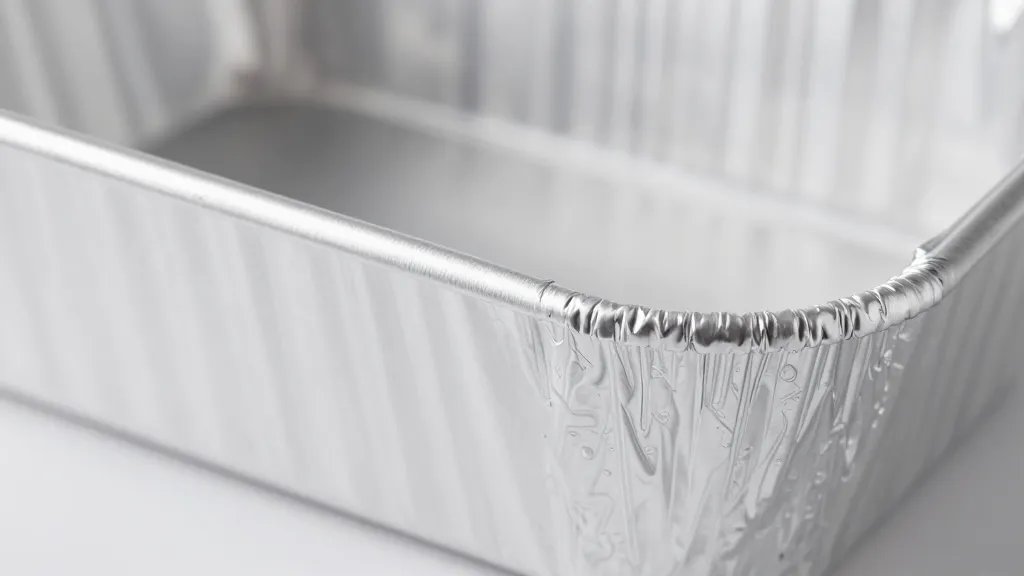
Short answer: sometimes, yes. The longer answer depends on size, shape, and what you’re trying to heat. Aluminum reflects microwaves, which is why metals aren’t always friends with microwaves. But certain aluminum items can behave differently under the right conditions. Think of it as metal behaving like a diva: it wants the spotlight, but only if the scene is set properly.
Why metal and microwaves don’t always mix
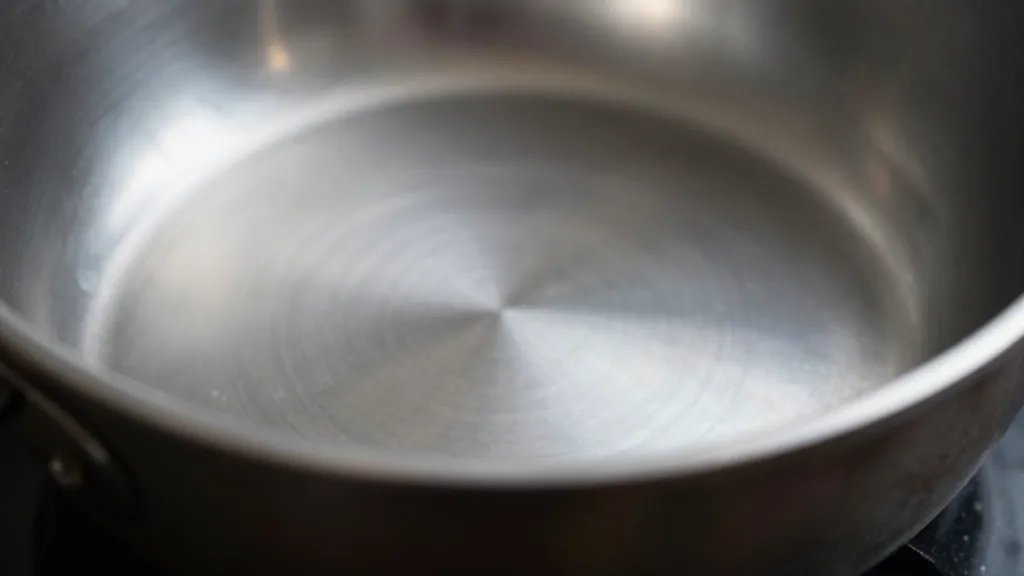
– Microwaves heat food by exciting water molecules. Metals don’t have that carbon-based orchestra; they reflect microwaves, which can create hotspots, arcing, or sparks.
– Sharp edges or crinkled foil can act like tiny lightning rods. If you’ve ever seen sparks in a microwave, that’s what’s happening.
– If you’re trying to reheat something with a lot of liquid, metal might trap heat or cause uneven heating. Not ideal.
When aluminum pans are safe to use
- Flat, smooth-bottomed pans can be safer than crinkled or foiled trays because there’s less chance of arcing along jagged edges.
- Thick, sturdy pans with a broad, even surface may distribute heat better and reduce hot spots.
- Food with a lot of liquid helps absorb microwaves and can reduce the risk of arcing compared to dry metal surfaces.
- Microwaves labeled for metal use or those that explicitly say “safe for metal” give you a green light, but still proceed with caution.
What to do if you really need to reheat something in aluminum
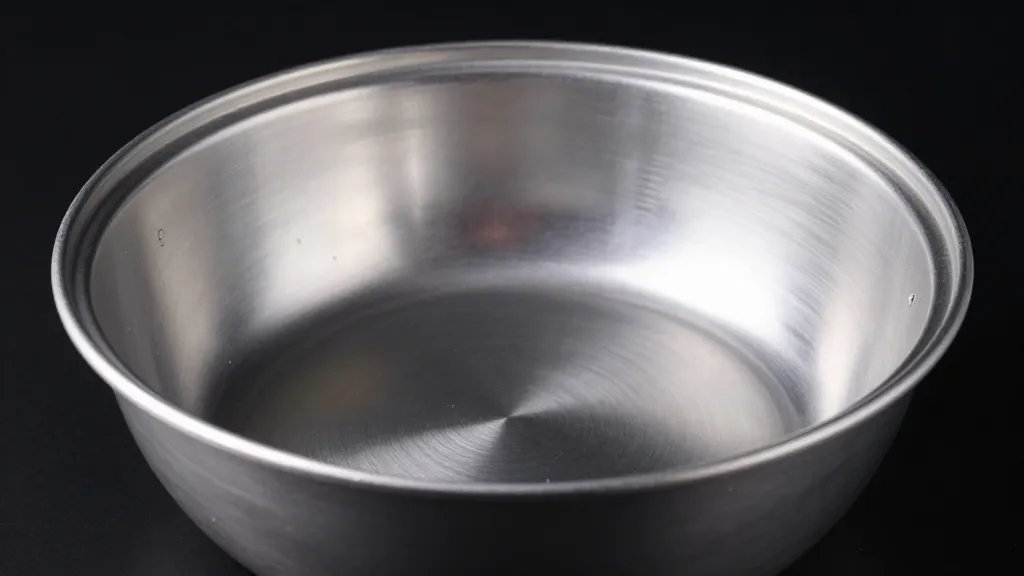
– If you must, use a shallow, smooth aluminum tray and avoid any foil crinkles or corners that stick up.
– Remove any plastic handles or lids that aren’t microwave-safe; heat can transfer in ways you don’t expect.
– Vent the microwave—keep the door closed, but don’t lock yourself in. Nah, just mean don’t seal something in tightly that could cause pressure or overheating.
– Set a low power and short intervals. Think 50-70% power and 30-60 seconds at a time, then pause to check for sparking or smoke.
– If you see sparking at any point, stop immediately. Don’t push your luck for “just another 10 seconds.”
What happens if you ignore the warnings?
– Sparks fly and you risk damaging the magnetron—the microwave’s heart. That’s not a dramatic claim; it’s expensive to replace.
– You could start a small fire or produce smoke that sets off the smoke alarm. Not a vibe.
– You might warp the pan or melt plastic handles, turning a useful tool into a doorstop. Not exactly a win.
Alternatives that actually work
Use microwave-safe containers
If you’re heating leftovers, transfer to a glass or microwave-safe ceramic container. It’s quick, easy, and you avoid the drama altogether.
Heat in the oven or stovetop
For aluminum-related dishes, consider finishing in the oven. It’s slower, but you won’t invite sparks. Plus, you get even heating and a nice crispy edge sometimes.
Invest in a proper metal-safe setup
If you’re adamant about using metal in the microwave, look for devices designed to handle it—like specific microwave-safe metal racks or trays that come with instructions. YMMV, but it’s better than guessing.
Practical tips to keep you safe
- Always read the packaging or manufacturer instructions. If it says metal is not allowed, listen.
- Test with a small, inconspicuous piece first if you’re experimenting. Better to scratch a tiny corner than the whole pan.
- Keep a watchful eye the first time you try a metal item. Don’t wander off to finish chores—sparks happen fast.
- Have a fire extinguisher or a plan in case of emergency. FYI, a kitchen fire is not the moment to improvise.
FAQs: Quick, practical answers
Is it dangerous to microwave aluminum foil?
Yes, it can be. Aluminum foil can spark, especially if it’s crinkled or has edges that poke into the microwave’s energy field. If you see sparks, stop the microwave immediately and remove the foil.
Can I reheat leftovers in an aluminum tray?
If the tray is flat, smooth, and the manufacturer says it’s microwave-safe, you can. Otherwise, transfer the leftovers to a glass or ceramic container to avoid risk.
What about aluminum pans with plastic handles?
Plastic handles can melt or warp if heated. If you must reuse such items in the microwave, remove any plastic parts or choose a metal-only pan that’s explicitly labeled safe for microwave use.
What should I do if I see sparks?
Turn off the microwave, unplug it if it’s safe to reach the outlet, and carefully remove the dish. Do not open the door while sparks are flying. Inspect the interior for damage before using it again.
Are there safer metal alternatives for microwaving?
Stainless steel containers generally aren’t great in microwaves, but some specialized cookware is designed for metal microwaving. If you have a device or tray specifically labeled for microwave use with metal, follow its instructions closely.
Conclusion
So, can you put an aluminum pan in the microwave? It depends. If the pan is flat, smooth, and explicitly labeled as microwave-safe, you might get away with it under strict conditions.
Most folks are better off sticking to microwave-safe containers or finishing with the oven for anything tricky. The key is to respect the microwaves’ vibes and avoid sharp edges and crinkles that invite drama.
FYI, when in doubt, transfer to glass or ceramic and call it a day.
You’ll thank yourself later for avoiding sparks, smoke, and a scary kitchen moment.
If you want, tell me what specific aluminum pan you’re thinking about using, and I’ll walk you through whether it’s worth the risk and how to test it safely.


