

All Clad D5 Vs Copper Core: Quick Kitchen Showdown

All Clad D5 vs Copper Core cookware comparison highlights key differences in heat distribution, performance, durability, and price, helping you choose the best All-Clad stainless steel cookware for professional-level cooking and everyday kitchen use.
The debate isn’t just nerdy cookware chatter—it’s your kitchen’s future sparking with sizzling possibilities.
If you’re torn between two heavyweights, you’re not alone. Let’s break down what actually matters in real cooking, not just glossy marketing lines.
What makes all-clad d5 special, in plain speak
All-Clad d5 fans will tell you the magic is in the five layers: aluminum cores sandwiched between stainless steel on the outside and inside.
The result? Even heat distribution and lighter lids compared to older all-stainless builds. It feels snappy on the stove and behaves nicely when you want to sear, deglaze, and finish sauces.
– Strong, non-reactive surface means you can chase acidity without worrying about flavors changing.
– The 5-ply setup aims for more even heat than traditional tri-ply, especially useful when you’re simmering or doing delicate emulsions.
– Handles stay relatively cool, and the pots feel sturdy without weighing you down too much.
But is it the perfect be-all, end-all? Not quite. Some cooks notice a tad slower response to temperature shifts than single-ply or copper-core options. Still, if you want a reliable workhorse that’s forgiving, d5 is a good bet.
Copper core: the “chef’s secret” you can actually buy
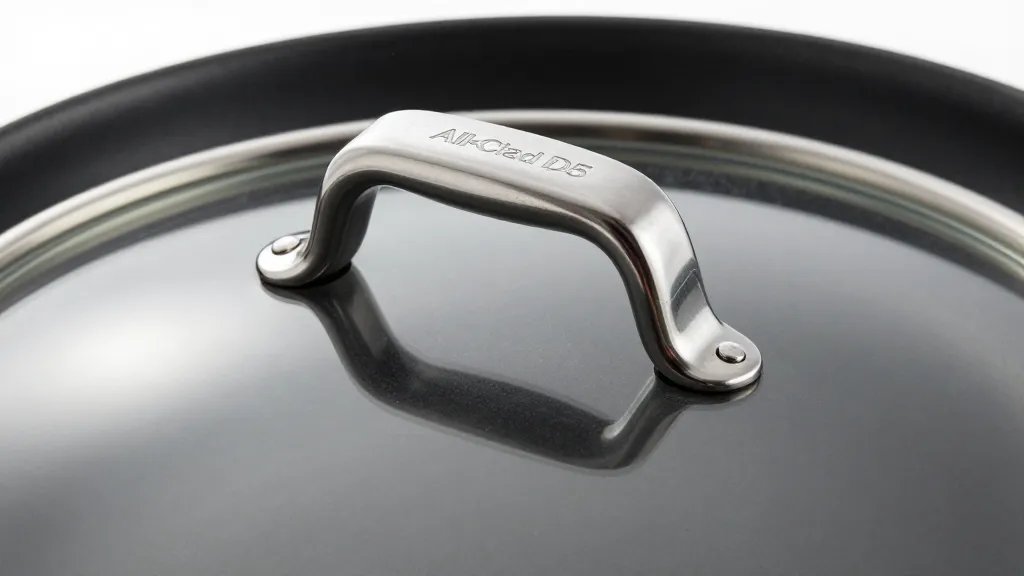
Copper core pans are famous for lightning-fast heat response. Copper conducts heat like nothing else, so you can nudge a sauce from a simmer to a simmering whisper with almost no lag. The downside? Copper tarnishes, requires more maintenance, and often comes with a heavier price tag.
– Heat up time: quick, precise, and direct. You’ll feel the difference when you’re finishing sauces or reducing wine.
– Responsiveness: wobble the flame a touch, and you’ll see a change in temp almost instantly.
– Maintenance: copper patina is pretty, but you’ll likely scrub and polish to keep that mirror finish.
Copper-core sets are typically clad with stainless on the exterior and interior, but the copper lives as the core or a substantial layer. The result: the best of both worlds—sharp control and the non-reactive surface you can actually serve on.
So which one should you actually buy?
Let’s cut to the chase with a few quick scenarios.
– If you cook for timing and precision: copper core wins. You’ll love the reaction time when deglazing and finishing sauces.
– If you want low maintenance and consistency: d5 wins. It’s more forgiving, tends to be easier to care for, and handles a wide range of tasks well.
– If you’re a serious sear-and-sear-and-sauté person: both are excellent, but many cooks find copper’s control preferable for high-heat sears, while d5 handles steady, even cooking with less drama.
– If budget is a factor: copper-core is usually pricier, plus you’ll pay for patina upkeep. d5 gives you a premium experience with a bit more resilience to “oops, I turned the flame up too high.”
In short: copper core is for control freaks who don’t mind maintenance; d5 is for consistency lovers who want a workhorse that still looks and cooks beautifully.
How they feel to actually use day-to-day
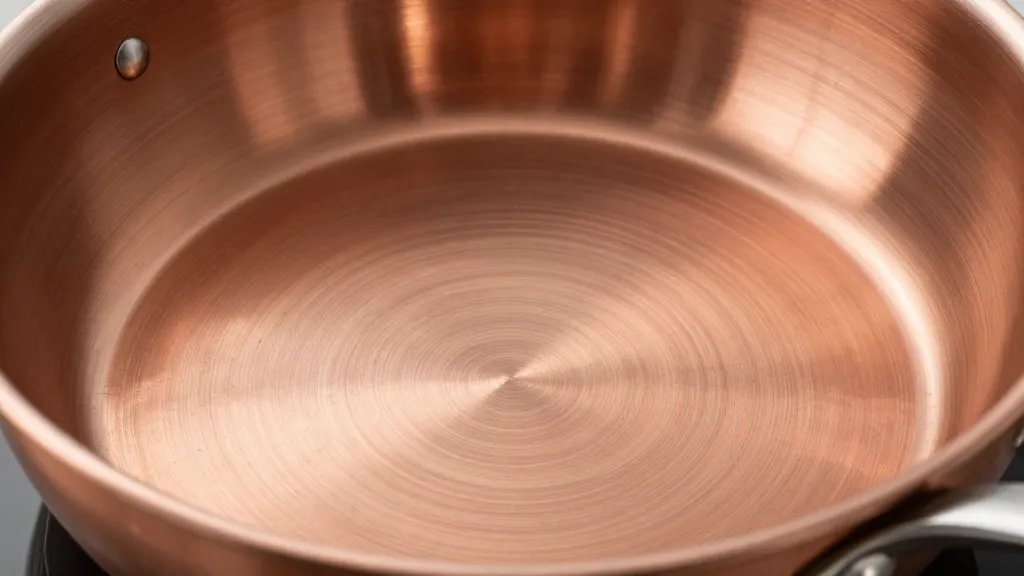
A lot comes down to weight, responsiveness, and how easy they are to clean. Here’s the real-world vibe.
– Temperature shifts: copper-core responds with precision. If you’re making a delicate sauce, you’ll notice the difference right away. d5 responds well, but the transition isn’t as knife-edge sharp.
– Searing and browning: both do well, but copper’s quick heating lets you hit a perfect crust quicker. d5 can get a nice sear too, especially if you preheat properly.
– Cleaning and upkeep: copper-core requires more TLC—polish, remove tarnish, watch for verdigris if you’re not careful. d5 shines in the “set it and forget it” department, with minimal fuss after cooking.
FYI: if you’re a casual cook who hates cleaning, you might tilt toward d5 not just for performance, but for the routine maintenance ease.
Durability and cookware life: will they last?
Both options are built to last, but you’ll see differences in long-term ownership.
– d5: durable stainless exterior and interior, resilient against scratches and staining typical kitchen life. If you brush up against a ceramic induction surface or clumsy gadget, these pans tend to bounce back.
– Copper core: copper itself is softer than steel and will dent more easily if you drop a pan, or if you stack them poorly. The trade-off is that every dent is a reminder of your culinary creativity, not a malfunction.
Re-seasoning and re-tinning aren’t usually necessary for copper-core stainless interiors, but you’ll want to keep an eye on the copper’s patina and plan occasional polishing to keep the aesthetics sharp.
Maintenance: what you actually need to do
Here’s the quick, no-nonsense checklist.
– For d5:
– Clean with warm water and a mild dish soap after use.
– Avoid abrasive scrubbers that could dull the finish.
– Dry promptly to prevent water spots.
– For copper core:
– Clean after use with a non-abrasive pad; if you want the copper to shine, use a copper cleaner occasionally.
– Consider a lining or patina-friendly approach if you’re cooking frequently acidic foods.
– Store in a dry place to prevent oxidation and tarnish buildup.
If you want the short version: copper core needs more ongoing polish and care; d5 cruises along with minimal fuss.
What about compatibility with my stove?
Induction, gas, or electric inputs all behave a bit differently with these metals.
– Induction: both d5 and copper-core stainless will work fine. Induction friendliness is built into the stainless layers. Some copper-core lines feature a magnetic stainless base to keep induction performance solid.
– Gas: both perform well, though copper-core’s quick heat response can make you want to tinker with flame levels more often.
– Electric: again, both work; the key is even heating. If your oven has a broiler in the same unit, you’ll appreciate how both handles high temps without hotspots.
If you’ve got an ultra-specific stove, check the cookware’s compatibility notes, but you’re typically safe with either.
Value, warranty, and brand loyalty
Let’s talk money and promises.
– d5: tends to hold its value well, with a reputation for longevity and a broad support ecosystem. Warranties are solid, and the return-to-service path is usually straightforward.
– Copper core: premium price. You’re paying for that heat control and aesthetics. Warranty periods are good, but you’ll want to ensure you’re buying from a reputable line that offers reliable service.
The verdict? If you’re investing in a single “forever” pot, copper core’s performance can feel worth it. If you’re investing in a family kitchen with more average-use days, d5’s balance of quality and practicality is compelling.
From a chef’s brain to your kitchen: practical takeaways
– Decide based on how precise you want your control to be. If you love micro-adjustments, copper core is satisfying.
– Consider your willingness to maintain. If you’d rather not polish copper every now and then, d5 is your pal.
– Think about your cooking load. Big stock pots, even heating, and dishwasher-friendly clean-up all tip toward d5.
And yes, both will elevate your cooking. It’s less about which is “better” and more about which fits your style and life better.
Conclusion
If you crave razor-quick heat response and a showpiece finish, copper core might be your soulmate.
If you want sturdy, forgiving performance that stays beautiful with less fuss, all-clad d5 is a superb ally.
Either way, you’ll be doing yourself a favor by having cookware that actually motivates you to cook more and experiment more.
IMO, the right pan is the one you reach for without thinking twice.
FAQ
Is copper-core worth the extra maintenance?
Copper-core pans offer superior heat responsiveness, but they require more upkeep to keep the copper shining and prevent tarnish. If you enjoy polishing and want the aesthetic, yes. If not, d5 gives you most of the performance with less effort.
Will either of these work on an induction cooktop?
Yes. Both types are available in styles compatible with induction. Look for a magnetic stainless layer or a copper core with a magnetic base to be safe.
Are these pans dishwasher safe?
Most all-clad d5 pieces are dishwasher safe, though hand washing preserves finish longer. Copper-core pans with exposed copper aren’t generally dishwasher safe and benefit from careful hand washing to avoid patina issues.
Which one is better for sauces and delicate reductions?
Copper core shines here thanks to its precise heat control. You can reduce and emulsify with confidence. d5 is still excellent, but copper edges it for finesse in sensitive tasks.
Do these pans need special utensils?
Non-metal utensils are safer for both, especially if you want to preserve the finish. Metal utensils can scratch in both, but copper-core pans may show wear on the copper area if you’re aggressive with utensils.
What’s the bottom line for a first-time buyer?
If you want a versatile, lower-maintenance option that still delivers excellent performance, go d5. If you’re a heat-control nerd who loves the look and doesn’t mind upkeep, copper core is worth it. Either way, you’re buying a pan that will cook with you for years, not just a season.


