

Hard Anodized Vs Stainless Steel: Which Wins?

Hard anodized vs stainless steel: two heavy hitters in the same kitchen, toolbox, and dream? One sparks up with tough skin and brainy science; the other glows with classic reliability and style.
Let’s cut through the hype and figure out which one actually fits your vibe.
What exactly are we comparing here?
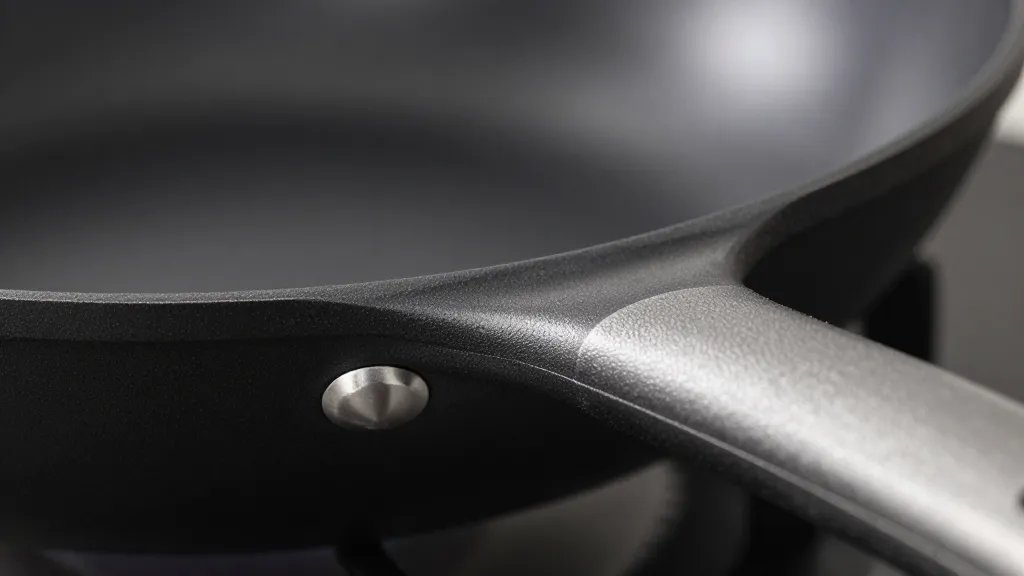
Think of hard anodized aluminum as aluminum that went to boot camp. It gets an oxide layer carved into the surface, making it tougher, more resistant to corrosion, and less likely to stain.
Stainless steel, meanwhile, is a babe in armor from day one—an alloy that resists rust and holds up with a certain quiet dignity.
So when people say “hard anodized vs stainless steel,” they’re really weighing grip, heat, and maintenance more than “which looks cooler at the party.”
Durability and wear: who can handle the rough stuff?
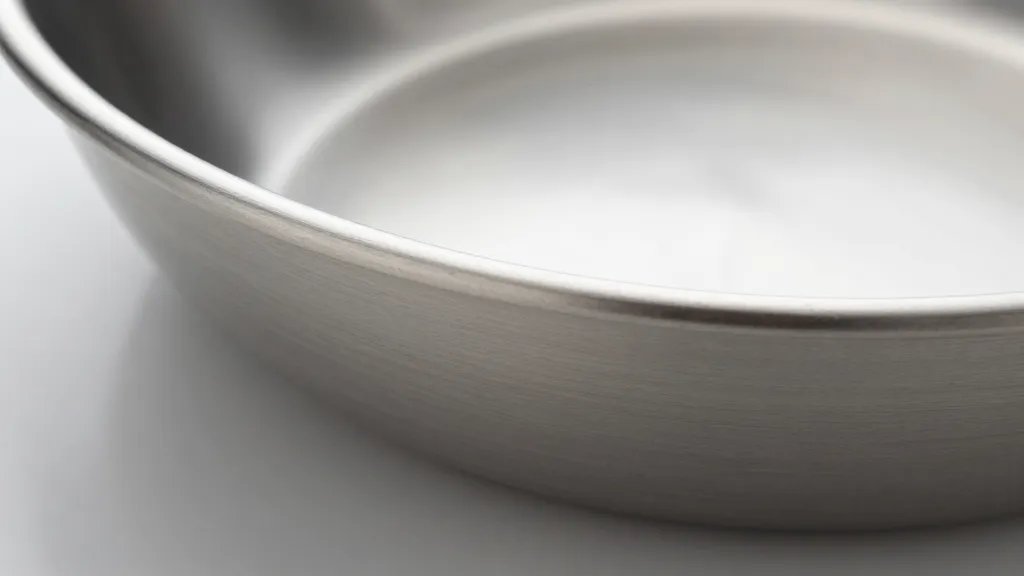
– Hard anodized aluminum
– Tougher than plain aluminum thanks to the thick oxide layer. That’s what keeps scratches at bay and prevents quick wear.
– Lightweight yet sturdy. If you’re lugging tools or cooking gear, the weight matters.
– The trade-off? It can chip if you hit it hard enough, and the surface isn’t indestructible.
– Stainless steel
– Built like a tank. Scratches? Sure. Dents? Not great, but doable. It doesn’t mind a few beatings.
– Heavier than hard anodized aluminum, which some folks either love or hate.
– Corrosion resistance is excellent, especially in salty or humid environments.
Question for you: do you need something feather-light for long hikes, or something that can survive a kitchen accident and then some?
Heat handling: how do they behave when things get hot?
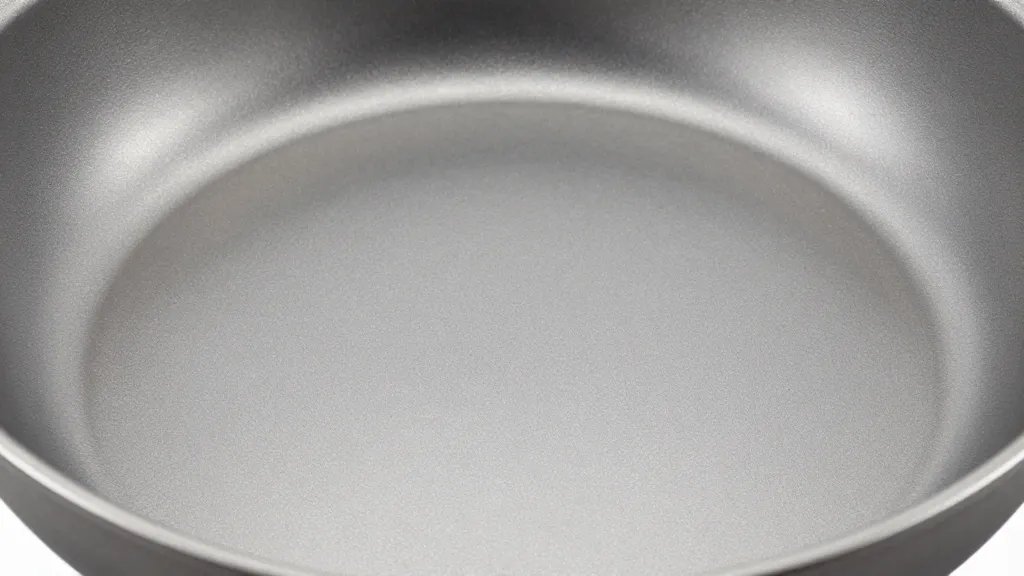
– Hard anodized aluminum
– Aluminum conducts heat very well. With the hard anodized layer, you’ll see even quicker, more uniform heating in pans, sauté pans, and some cookware.
– However, you can overheat coating if you push it, and some finishes may degrade if you scald the surface repeatedly.
– Stainless steel
– Stainless, especially with a layered or tri-ply design, can distribute heat nicely but often doesn’t heat as evenly as copper or certain aluminum configurations out of the box.
– Great at high-heat searing and general kitchen work that involves a lot of flame or oven use.
If you’re all about precise temperature control and nonstick possibilities, you’re likely leaning toward hard anodized for cookware. If you want resilience at high heat and potentially oven compatibility, stainless might win.
Maintenance: what’s it really like?
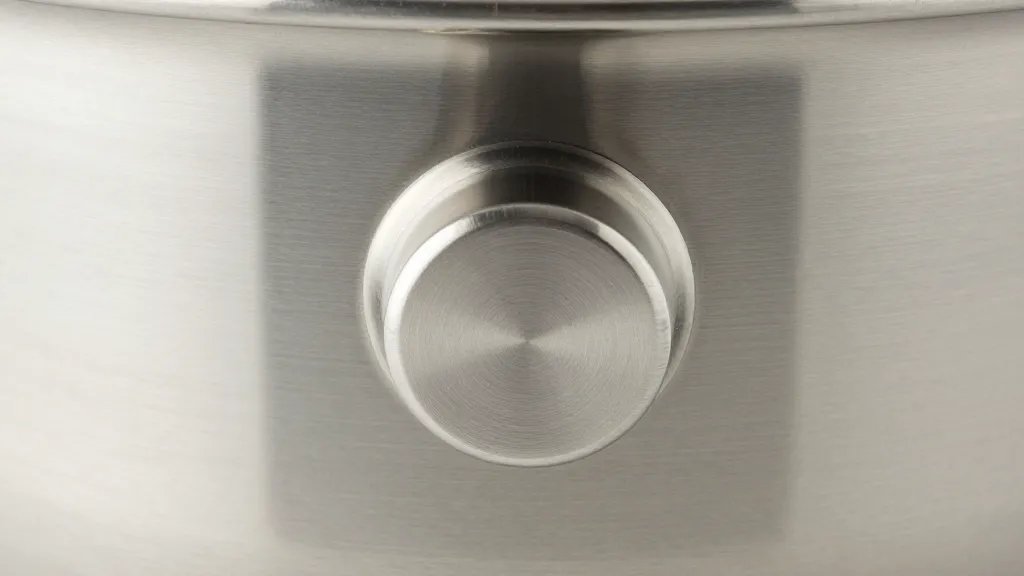
– Hard anodized aluminum
– Low maintenance in the sense you won’t see quick staining or rust. Soap, water, a soft scrubber, and you’re good.
– Don’t use abrasive cleaners or metal scouring pads that could nick the surface more than it already is. FYI, that ruins the nonstick-ish vibe.
– Avoid acidic or highly alkaline solutions that can dull the finish over time. Think lemon juice bombs and the like—not ideal.
– Stainless steel
– Pretty straightforward, but it has its quirks. Stainless loves to show fingerprints and water spots, especially if the surface isn’t polished.
– Cleaning can involve special stainless steel cleaners if you want to banish those stubborn streaks.
– It’s a champ against rust, but you still shouldn’t soak it in harsh chemicals for too long or you’ll encourage pitting.
Bottom line: both are low maintenance compared to other metals, but stainless gives you a “it just works” vibe while hard anodized rewards you with easier food release and lighter weight.
Food release and nonstick vibes: friendly cooking surface?
– Hard anodized aluminum
– Great for cooking where you want something that slides off easily—fried eggs, pancakes, delicate fish, you name it.
– The nonstick property isn’t a permanent coating you’ll peel off; it’s the inherent slickness of the surface thanks to the anodized layer. Still, don’t heat it dry or you’ll get sticking.
– If you routinely crank up the heat, you’ll still want a touch of oil.
– Stainless steel
– Notorious for sticking if you don’t know how to use it. Properly preheated, a little oil, and you can still get good release, but it requires technique.
– Great for browning and searing because stainless can take a lot of abuse and heat, helping develop those delicious fond moments.
If you’re a “set it and forget it” chef who wants easy release without much fuss, hard anodized might be your friend.
If you adore browning and deglazing, stainless could be the better match.
Longevity, price, and the value debate
– Hard anodized aluminum
– Price is usually friendlier than premium stainless, especially in cookware and some tools.
– Longevity is excellent if you treat it well. The anodized layer keeps aging gracefully.
– It’s less likely to rust and generally resists corrosion in typical kitchen conditions.
– Stainless steel
– A bit pricier, especially for high-end brands or specialized grades.
– Extremely durable, with a long lifespan if cared for properly.
– Resale value tends to stay strong given the classic appeal and trusted performance.
If you view gear as a long-term partner, stainless is a solid investment. If you want good performance without breaking the bank, hard anodized is tough to beat.
Applications: what each material actually shines at
Cookware routines
– Hard anodized
– Excellent for everyday cooking, nonstick-friendly dishes, and beginner-friendly setups.
– Great for sautéing, stir-fries, and delicate foods where you want smooth release.
– Stainless steel
– Perfect for searing, deglazing, and oven-to-table finishes that benefit from high heat.
– If you like a pan that can go from stove to oven to finish in the broiler, stainless often handles it well.
Outdoor and rugged use
– Hard anodized
– Lightweight options shine for camping sets and portable gear.
– Corrosion resistance makes it decent for hiking cookware that you might forget in a backpack for a while.
– Stainless steel
– Indestructible vibe for camping and heavy-duty tools.
– Adequate heat tolerance and robustness make it a favorite for camp stoves and mess kits.
Conclusion: quick take
If you’re chasing lightness, easy release, and budget-friendly reliability, hard anodized aluminum is a strong pick.
It’s like the practical friend who always shows up with a snack and no drama. If you want rugged endurance, classic aesthetics, and top-tier longevity, stainless steel brings the rock-solid confidence you can hear in the tone of its clink.
Neither is a bad choice—it’s all about your workflow, environment, and how much maintenance you’re willing to do.
FAQ
Is hard anodized the same as nonstick?
Hard anodized refers to a treated aluminum surface that’s tougher and less reactive than plain aluminum. It isn’t a traditional nonstick coating, but it offers excellent food release. It’s more durable than most nonstick coatings, but you’ll still need oil for certain foods and don’t heat it dry.
Can I put hard anodized and stainless steel cookware in the oven?
Most hard anodized pieces are oven-safe up to moderate temperatures, but check the manufacturer’s guidelines. Stainless steel typically handles oven use better, especially at higher temps. If you’re mixing pieces, make sure all parts are rated for oven use.
Which lasts longer in a kitchen environment?
Both last a long time with proper care. Stainless steel edges ahead in extreme conditions and heavy use, while hard anodized aluminum wins on weight and heat efficiency. Treat both well, and you’ll be cooking for years.
Do I need special utensils for hard anodized cookware?
Not necessarily, but avoid abrasive tools. Wooden, silicone, or plastic utensils help preserve the surface for longer. For stainless, you’re safe with most utensils, but you still want to avoid scratching.
Which is better for beginners?
Hard anodized is often more forgiving for beginners thanks to better nonstick-like release and lighter weight. If you’re drawn to serious searing and don’t mind learning some technique, stainless steel is a great place to grow. Either way, start with good, basic cookware and you’ll figure out your rhythm fast.


