

Can You Put a Hot Pan on Granite: Myth or Truth

The moment you ask, “Can I put a hot pan on granite?” you’re dialing into a kitchen myth bingo. Spoiler: you can, but there are caveats.
Let’s talk practical, not panic-inducing lab tests. Your granite counters can survive a hot pan—if you respect the basics and use a little common sense.
First things first: yes, you can put a hot pan on granite
Granite is tough. It’s heat resistant, not heat invincible. Think of it like a stubborn friend who can handle a lot but still wobbles if you push too far.
If you’re cooking and need to set something hot down for a moment, granite will usually handle it. The key is avoiding the kind of heat shock that can crack or discolor the stone over time.
FYI, the real risk isn’t the heat itself but the rapid temperature changes and direct contact with extremely hot metal on bare stone.
What actually happens when you set hot cookware on granite
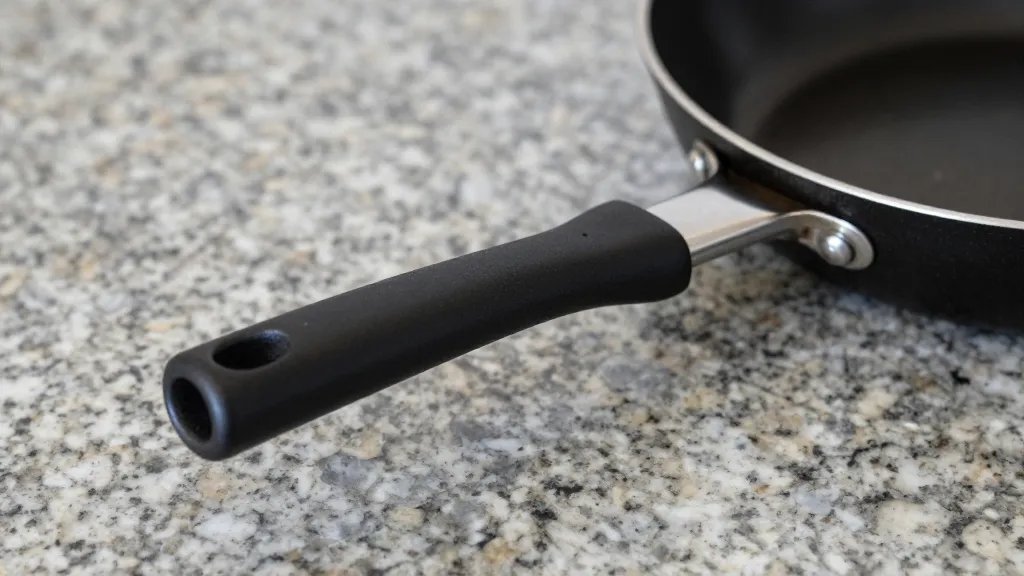
There are a few dynamics at play, and knowing them helps you avoid drama at the kitchen island.
- Thermal shock is real. Granite can crack if a scorching pan meets a cold counter. Sudden temperature shifts are the enemy.
- Heat discoloration can occur with very hot pans, especially if the granite has oil or sealer nearby that can scorch or fade.
- Surface damage often comes from abrasive bottoms or edges of pans scratching the sealer or the granite finish.
Smart habits that protect your granite while you cook
If you want to keep peace between your skillet and your countertop, adopt these easy habits.
- Use a trivet or hot pad even for quick set-downs. It buys you time and protects the surface.
- Place pots and pans on wooden or silicone mats when possible. They behave like a cushion and glide into place.
- Avoid placing directly on the edge of the counter. Pan handles catch attention, and the edge is where heat and leverage meet with drama.
- Let cookware cool briefly before you rearrange. A minute or two can save you a lot of granite regret.
What about the sealer and the finish? Does granite have a “limit”?
Granite countertops aren’t one monolithic sealer. They’re a mix of stone, sealers, and polish. Here’s the truth about limits.
- A good granite sealant provides some insulation, but it’s not an invisible shield. Don’t rely on it to protect against repeated direct heat.
- Over time, repeated high-heat exposure near the sealer can cause dulling or micro-scratching. Not dramatic, but noticeable if you’re chasing that showroom shine.
- If you notice discoloration or cloudy spots after hot pan drama, a reseal or professional polish might be in order. Yes, it’s maintenance, not a disaster plan.
Different scenarios: pan types and how they interact with granite
Not all pans are created equal when it comes to heat transfer and surface contact.
Cast iron and steel pans
These are the heavy hitters. They can get scorching hot and leave a scuff if you’re not careful. Use a robust trivet, and protect both the pan and the granite with a mat or pad. If you’re cooking with a heavy pan, lift with both hands and place gently.
Nonstick pans
Nonstick bottoms are usually smooth, which means less scratch risk, but you still want a pad or trivet. Avoid sliding; lift and place to prevent surface wear on the sealant around the edges.
Glass or ceramic cookware
These can be surprisingly durable heat-wise, but they can crack if you drop them or slam them down. A soft landing pad helps, and you’ll reduce risk of any micro-damage on the granite by not banging the surface.
DIY tests you can do at home (with safety in mind)
Curious about the real-world vibe? Here are low-stakes checks you can do to gauge your countertop’s tolerance.
- Grab a wooden cutting board or a silicone trivet. Place a hot pan on it for a minute, then transfer to the granite. Observe for any heat marks after removal.
- Try a cool-down test. Set a hot pan on granite, wait a bit, then pour a little cold water on a hidden spot of the pan edge. If you hear a crack sound, pause and re-evaluate your technique.
- Inspect for color changes or dull spots after cooking sessions. If you notice, you might need to reseal or adjust your setup.
Maintenance 101: keeping granite looking good while you cook
Maintenance isn’t glamorous, but it’s the best way to keep things shipshape.
- Wipe spills promptly. Oils and acids can stain or dull surfaces, especially around the backsplash area where heat radiates.
- Seal periodically, per manufacturer guidance. If you’re unsure, ask a pro for a quick assessment—think of it as a spa day for your granite.
- Use a dedicated countertop cleaner that’s pH-balanced. Harsh chemicals are flashbangs for the surface seal.
Common myths, busted
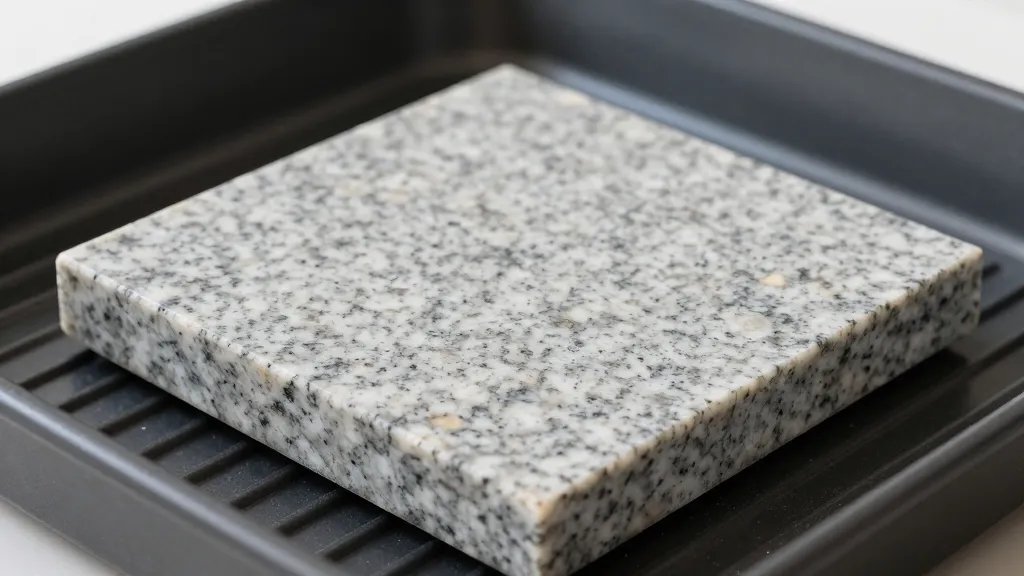
Let’s debunk a few hot takes we’ve all heard around the kitchen.
- Myth: “Granite can’t take any hot pan.” Reality: It can handle hot pans with sensible precautions.
- Myth: “A hot pan will instantly scorch granite.” Reality: Instant scorching is rare; most issues are gradual and preventable.
- Myth: “Sealants dissolve when exposed to heat.” Reality: Most sealants aren’t vaporizing at typical cooking temps, but repeated abuse can wear them down.
Conclusion: enjoy your kitchen, responsibly
Bottom line: you can set a hot pan on granite, but you’ll enjoy it more if you respect the heat.
Use trivets, lift rather than slide, and give your stone some time to recover after a big heat spike. With a little care, your counters stay as gorgeous as your cooking game.
FAQ
Can granite countertops crack from a hot pan?
Granite can crack from thermal shock if you slam a very hot pan onto a cold surface or expose it to extreme temperature changes. Practical takeaway: use a trivet or pad and avoid rapid temperature shifts.
Will a hot pan discolor granite?
Discoloration is possible, especially near the sealer or with prolonged exposure to high heat or oils. It’s not guaranteed, but it’s a good reason to use protective mats and clean spills quickly.
Should I seal my granite after getting hot spots?
Sealing helps with stains and moisture but isn’t a heat shield. If you notice dull spots or stains after hot-pan use, a reseal and a maintenance wipe-down are reasonable steps.
What kind of mat is best for hot pans?
A wooden, silicone, or felt-backed trivet works well. Avoid rough materials that can scratch or abrade the stone. A simple pad is often enough to bridge the heat gap.
Is it okay to slide pans on granite?
Not ideal. Sliding can scratch the surface and dull the sealant over time. Lift the pan and place it gently instead.
What should I do if I see damage after cooking?
Assess the area for cracks or dull spots. If you notice significant damage, consult a countertop pro for sealing or polishing recommendations. Minor marks can often be addressed with a light buff and proper cleaning.


